Soaring Oil Prices Present Opportunities for ExxonMobil
Written by Emily J. Thompson, Senior Investment Analyst
Updated: 22 hours ago
0mins
Should l Buy XOM?
Source: NASDAQ.COM
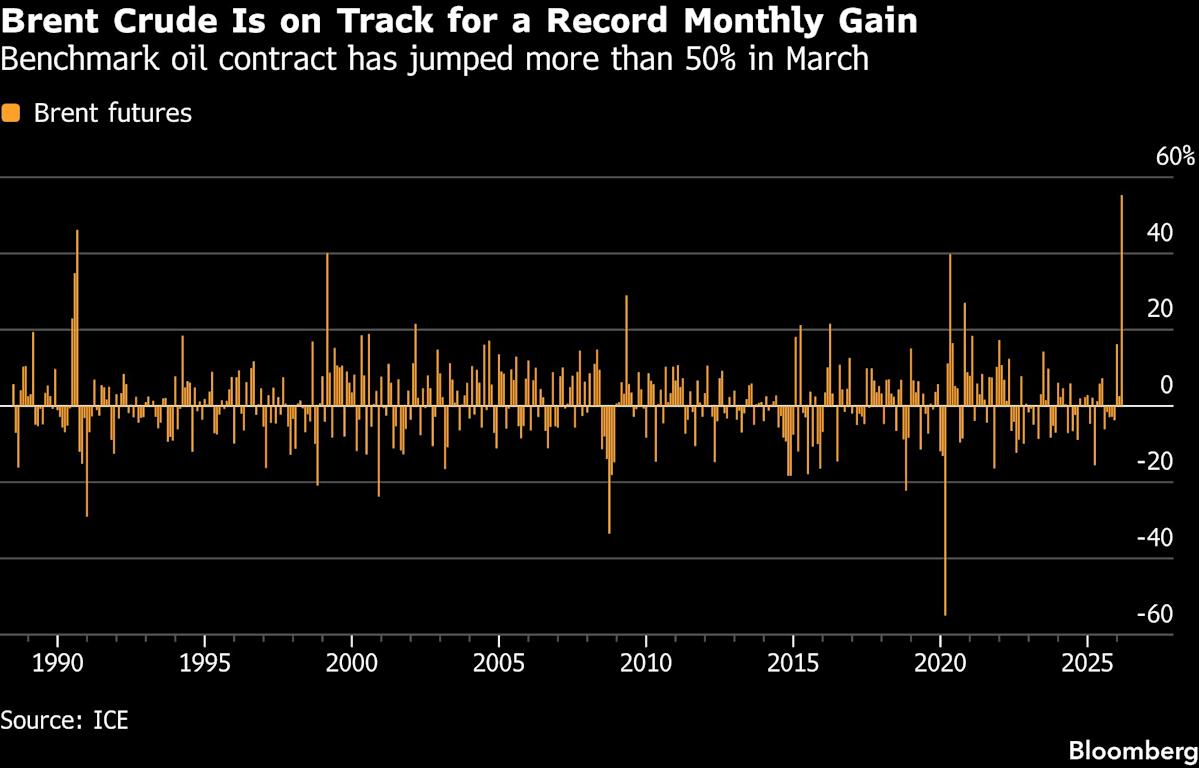
- Surging Oil Prices: Amid escalating tensions in the Middle East, crude oil prices have surged to around $100 per barrel over the past month, with projections suggesting they could reach $140 in severe disruption scenarios, significantly enhancing ExxonMobil's profit margins and competitive positioning.
- Accelerated Share Buybacks: Following its $59.5 billion acquisition of Pioneer Natural Resources in 2024, ExxonMobil continues to repurchase shares, and if oil prices remain high, it will gain more financial power to reduce share dilution, thereby enhancing future financial flexibility.
- Consistent Dividend Growth: ExxonMobil has increased its dividend for 43 consecutive years, demonstrating stability through oil and gas price cycles, with a current yield of 2.5%, and potential for more aggressive dividend hikes if oil prices stay elevated.
- Acquisition Opportunities: With increasing cash flow, ExxonMobil may reload its balance sheet for new acquisitions, further solidifying its leadership in the oil and gas industry, especially in the context of the ongoing energy crisis.
Trade with 70% Backtested Accuracy
Stop guessing "Should I Buy XOM?" and start using high-conviction signals backed by rigorous historical data.
Sign up today to access powerful investing tools and make smarter, data-driven decisions.
Analyst Views on XOM
Wall Street analysts forecast XOM stock price to fall
19 Analyst Rating
12 Buy
7 Hold
0 Sell
Moderate Buy
Current: 165.430

Low
114.00
Averages
132.17
High
158.00
Current: 165.430
Low
114.00
Averages
132.17
High
158.00
About XOM
Exxon Mobil Corporation is an energy provider and chemical manufacturer. The Company’s principal business involves exploration for, and production of, crude oil and natural gas; the manufacture, trade, transport and sale of crude oil, natural gas, petroleum products, petrochemicals and a wide variety of specialty products; and pursuit of lower-emission and other new business opportunities, including carbon capture and storage, hydrogen, lower-emission fuels, Proxxima systems, carbon materials, and lithium. Its Upstream segment explores for and produces crude oil and natural gas. The Energy Products, Chemical Products, and Specialty Products segments manufacture and sell petroleum products and petrochemicals. Energy Products segment includes fuels, aromatics, and catalysts and licensing. Chemical Products segment consists of olefins, polyolefins, and intermediates. Specialty Products segment includes finished lubricants, basestocks and waxes, synthetics, and elastomers and resins.
About the author

Emily J. Thompson
Emily J. Thompson, a Chartered Financial Analyst (CFA) with 12 years in investment research, graduated with honors from the Wharton School. Specializing in industrial and technology stocks, she provides in-depth analysis for Intellectia’s earnings and market brief reports.

Soaring Oil Prices Present Opportunities for ExxonMobil

- Surging Oil Prices: Amid escalating tensions in the Middle East, crude oil prices have surged to around $100 per barrel over the past month, with projections suggesting they could reach $140 in severe disruption scenarios, significantly enhancing ExxonMobil's profit margins and competitive positioning.
- Accelerated Share Buybacks: Following its $59.5 billion acquisition of Pioneer Natural Resources in 2024, ExxonMobil continues to repurchase shares, and if oil prices remain high, it will gain more financial power to reduce share dilution, thereby enhancing future financial flexibility.
- Consistent Dividend Growth: ExxonMobil has increased its dividend for 43 consecutive years, demonstrating stability through oil and gas price cycles, with a current yield of 2.5%, and potential for more aggressive dividend hikes if oil prices stay elevated.
- Acquisition Opportunities: With increasing cash flow, ExxonMobil may reload its balance sheet for new acquisitions, further solidifying its leadership in the oil and gas industry, especially in the context of the ongoing energy crisis.
See More

Five Stocks Supporting the S&P 500


- Strong Energy Performance: Following U.S. and Israeli attacks on Iran, oil and gas prices surged, with ExxonMobil and Chevron both rising approximately 40% year-to-date, highlighting the critical role of the energy sector in supporting the S&P 500 amid market volatility.
- Consumer Staples Resilience: Walmart and Costco, as consumer staples giants, have seen their stock prices increase over 10% year-to-date, demonstrating their ability to attract consumers under inflationary pressures, which underscores their resilience and market appeal in uncertain economic conditions.
- Micron Technology's Surprising Gains: Despite a recent pullback, Micron Technology's shares remain significantly up year-to-date, driven by high demand for its high-bandwidth memory and NAND flash memory crucial for AI infrastructure, indicating the potential of tech stocks in the current market landscape.
- Importance of Market Diversification: While these five stocks have provided some support to the S&P 500, the index still faces potential correction risks, emphasizing the importance of portfolio diversification to navigate future market fluctuations.
See More

S&P 500 Avoids Correction Despite Market Pressures
- Strong Energy Performance: Following U.S. and Israeli attacks on Iran that caused oil and gas prices to soar, ExxonMobil and Chevron have seen their stock prices rise approximately 40% year-to-date, making the energy sector the only S&P 500 sector to deliver double-digit gains, significantly supporting the index's performance.
- Consumer Staples Resilience: Amid rising inflation pressures, Walmart and Costco have both seen stock price increases of over 10% year-to-date, indicating that consumers still turn to these low-price retailers when tightening their budgets, thereby enhancing their positions within the S&P 500.
- Micron Technology's Unexpected Performance: Despite a recent pullback, Micron Technology's stock remains significantly up year-to-date, primarily due to its high-bandwidth memory and NAND flash memory being critical for AI infrastructure, making it the highest-weighted tech stock outside the
See More

The Iran Conflict May Persist: Current Investment Opportunities for Success.


- Current Market Status: The Nasdaq is currently in a correction, having dropped over 10% from its recent highs.
- Bear Market Concerns: There are increasing fears that the Nasdaq may soon enter a bear market, defined as a decline of 20%.
- Wall Street Perspective: Despite the downturn, there is a common belief on Wall Street that opportunities for profit exist in other sectors.
- Market Sentiment: The overall sentiment reflects anxiety about the tech-heavy index's performance amidst potential further declines.
See More

Trump's Intent to Seize Iran's Oil Market Raises Concerns


- Cautious Market Reaction: Trump's declaration of wanting to 'take Iran's oil' while suggesting a 'peace deal could be made fairly quickly' has left markets feeling uneasy, leading investors to adopt a risk-averse stance as Asia-Pacific markets fell sharply on Monday.
- Military Deployment Escalation: The Pentagon is reportedly preparing for weeks of ground operations in Iran, with thousands of American soldiers and Marines arriving in the Middle East, raising concerns about an escalation in the Iran conflict that could disrupt global supply chains and increase prices.
- Rising Oil Price Pressure: Oil prices are climbing again as the conflict intensifies, particularly after Yemen's Iran-backed Houthis fired missiles at Israel, heightening fears over energy supply disruptions that could impact the global economy.
- Shipping Route Risks: The Strait of Hormuz, a vital shipping route, is being impeded by the ongoing war, with industry leaders warning that if it does not reopen by mid-April, supply disruptions could worsen significantly, affecting operations across various sectors.
See More

Oil and Gas Stocks Surge Amid Rising Energy Prices

- Positive Market Reaction: Many oil and gas-related stocks surged last week as traders rotated into companies poised to benefit from rising energy prices, with ExxonMobil (XOM) up 7%, reflecting strong market confidence in the energy sector.
- Escalating Middle East Tensions: Following strikes by U.S. and Israeli forces, Iran's closure of the Strait of Hormuz has impacted approximately 20% of global oil and LNG shipments, heightening fears of supply shortages and further driving up energy prices.
- Price Surge Trend: Oil and gas prices have sharply increased since the conflict began in late February, and if tensions escalate, prices are expected to continue rising, directly benefiting the profitability of related companies.
- Significant Corporate Strength: ExxonMobil, as one of the largest energy companies globally, spans exploration, production, and refining of oil and gas, showcasing its leadership in the industry, while Transocean and SLB also excel in their respective fields, further solidifying market confidence in the oil and gas sector.
See More
Soaring Oil Prices Present Opportunities for ExxonMobil
- Surging Oil Prices: Amid escalating tensions in the Middle East, crude oil prices have surged to around $100 per barrel over the past month, with projections suggesting they could reach $140 in severe disruption scenarios, significantly enhancing ExxonMobil's profit margins and competitive positioning.
- Accelerated Share Buybacks: Following its $59.5 billion acquisition of Pioneer Natural Resources in 2024, ExxonMobil continues to repurchase shares, and if oil prices remain high, it will gain more financial power to reduce share dilution, thereby enhancing future financial flexibility.
- Consistent Dividend Growth: ExxonMobil has increased its dividend for 43 consecutive years, demonstrating stability through oil and gas price cycles, with a current yield of 2.5%, and potential for more aggressive dividend hikes if oil prices stay elevated.
- Acquisition Opportunities: With increasing cash flow, ExxonMobil may reload its balance sheet for new acquisitions, further solidifying its leadership in the oil and gas industry, especially in the context of the ongoing energy crisis.
See More
Five Stocks Supporting the S&P 500
- Strong Energy Performance: Following U.S. and Israeli attacks on Iran, oil and gas prices surged, with ExxonMobil and Chevron both rising approximately 40% year-to-date, highlighting the critical role of the energy sector in supporting the S&P 500 amid market volatility.
- Consumer Staples Resilience: Walmart and Costco, as consumer staples giants, have seen their stock prices increase over 10% year-to-date, demonstrating their ability to attract consumers under inflationary pressures, which underscores their resilience and market appeal in uncertain economic conditions.
- Micron Technology's Surprising Gains: Despite a recent pullback, Micron Technology's shares remain significantly up year-to-date, driven by high demand for its high-bandwidth memory and NAND flash memory crucial for AI infrastructure, indicating the potential of tech stocks in the current market landscape.
- Importance of Market Diversification: While these five stocks have provided some support to the S&P 500, the index still faces potential correction risks, emphasizing the importance of portfolio diversification to navigate future market fluctuations.
See More
S&P 500 Avoids Correction Despite Market Pressures
- Strong Energy Performance: Following U.S. and Israeli attacks on Iran that caused oil and gas prices to soar, ExxonMobil and Chevron have seen their stock prices rise approximately 40% year-to-date, making the energy sector the only S&P 500 sector to deliver double-digit gains, significantly supporting the index's performance.
- Consumer Staples Resilience: Amid rising inflation pressures, Walmart and Costco have both seen stock price increases of over 10% year-to-date, indicating that consumers still turn to these low-price retailers when tightening their budgets, thereby enhancing their positions within the S&P 500.
- Micron Technology's Unexpected Performance: Despite a recent pullback, Micron Technology's stock remains significantly up year-to-date, primarily due to its high-bandwidth memory and NAND flash memory being critical for AI infrastructure, making it the highest-weighted tech stock outside the
See More
The Iran Conflict May Persist: Current Investment Opportunities for Success.
- Current Market Status: The Nasdaq is currently in a correction, having dropped over 10% from its recent highs.
- Bear Market Concerns: There are increasing fears that the Nasdaq may soon enter a bear market, defined as a decline of 20%.
- Wall Street Perspective: Despite the downturn, there is a common belief on Wall Street that opportunities for profit exist in other sectors.
- Market Sentiment: The overall sentiment reflects anxiety about the tech-heavy index's performance amidst potential further declines.
See More
Trump's Intent to Seize Iran's Oil Market Raises Concerns
- Cautious Market Reaction: Trump's declaration of wanting to 'take Iran's oil' while suggesting a 'peace deal could be made fairly quickly' has left markets feeling uneasy, leading investors to adopt a risk-averse stance as Asia-Pacific markets fell sharply on Monday.
- Military Deployment Escalation: The Pentagon is reportedly preparing for weeks of ground operations in Iran, with thousands of American soldiers and Marines arriving in the Middle East, raising concerns about an escalation in the Iran conflict that could disrupt global supply chains and increase prices.
- Rising Oil Price Pressure: Oil prices are climbing again as the conflict intensifies, particularly after Yemen's Iran-backed Houthis fired missiles at Israel, heightening fears over energy supply disruptions that could impact the global economy.
- Shipping Route Risks: The Strait of Hormuz, a vital shipping route, is being impeded by the ongoing war, with industry leaders warning that if it does not reopen by mid-April, supply disruptions could worsen significantly, affecting operations across various sectors.
See More
Oil and Gas Stocks Surge Amid Rising Energy Prices
- Positive Market Reaction: Many oil and gas-related stocks surged last week as traders rotated into companies poised to benefit from rising energy prices, with ExxonMobil (XOM) up 7%, reflecting strong market confidence in the energy sector.
- Escalating Middle East Tensions: Following strikes by U.S. and Israeli forces, Iran's closure of the Strait of Hormuz has impacted approximately 20% of global oil and LNG shipments, heightening fears of supply shortages and further driving up energy prices.
- Price Surge Trend: Oil and gas prices have sharply increased since the conflict began in late February, and if tensions escalate, prices are expected to continue rising, directly benefiting the profitability of related companies.
- Significant Corporate Strength: ExxonMobil, as one of the largest energy companies globally, spans exploration, production, and refining of oil and gas, showcasing its leadership in the industry, while Transocean and SLB also excel in their respective fields, further solidifying market confidence in the oil and gas sector.
See More