Schwab U.S. Dividend ETF Reconstitution Alters Sector Focus
Written by Emily J. Thompson, Senior Investment Analyst
Updated: Apr 01 2026
0mins

Source: NASDAQ.COM
- Energy Stock Reduction: The Schwab U.S. Dividend ETF reduced its energy stock allocation from 23.5% to 16.3% during its annual reconstitution, resulting in consumer staples becoming the fund's top sector with a 19.4% weighting, indicating a shift in market confidence away from energy stocks.
- New Additions: The fund added Procter & Gamble and Marzetti, with Procter & Gamble receiving a 3.8% allocation, placing it in the top ten, while Marzetti has a 0.08% weighting, reflecting a strategic shift towards stable dividend income sources.
- Dividend King Status: Procter & Gamble has paid dividends for 135 consecutive years and increased them for 69 years, qualifying as a Dividend King, while Marzetti has a 63-year history of dividend increases, showcasing stability and appeal in the consumer staples sector.
- Resilience of Consumer Staples: Consumer staples stocks maintain strong demand during economic downturns as their products are essential for daily life, enhancing the Schwab U.S. Dividend ETF's portfolio resilience and providing stable, rising dividend income throughout economic cycles.
Trade with 70% Backtested Accuracy
Stop guessing "Should I Buy KO?" and start using high-conviction signals backed by rigorous historical data.
Sign up today to access powerful investing tools and make smarter, data-driven decisions.
Analyst Views on KO
Wall Street analysts forecast KO stock price to rise
14 Analyst Rating
13 Buy
1 Hold
0 Sell
Strong Buy
Current: 75.740

Low
71.00
Averages
79.33
High
85.00
Current: 75.740
Low
71.00
Averages
79.33
High
85.00
About KO
The Coca-Cola Company is a beverage company. The Company's segments include Europe, Middle East and Africa (EMEA); Latin America; North America; Asia Pacific, and Bottling Investments. It sells multiple brands across several beverage categories worldwide. Its portfolio of sparkling soft drink brands includes Coca-Cola, Sprite and Fanta. Its water, sports, coffee and tea brands include Dasani, smartwater, vitaminwater, Topo Chico, BODYARMOR, Powerade, Costa, Georgia, Fuze Tea, Gold Peak and Ayataka. Its juice, value-added dairy and plant-based beverage brands include Minute Maid, Simply, innocent, Del Valle, fairlife and Santa Clara. It operates in two lines of business: concentrate operations and finished product operations. Its concentrate operations sell beverage concentrates, syrups, including fountain syrups, and certain finished beverages to authorized bottling operations. Its finished product operations sell sparkling soft drinks and a variety of other finished beverages.
About the author

Emily J. Thompson
Emily J. Thompson, a Chartered Financial Analyst (CFA) with 12 years in investment research, graduated with honors from the Wharton School. Specializing in industrial and technology stocks, she provides in-depth analysis for Intellectia’s earnings and market brief reports.
Coca-Cola Faces Rising Costs Amid Slowing Demand

- Cost Pressure: Coca-Cola is facing challenges with rising raw material and production costs as of April 17, 2026, which could squeeze profit margins and impact future profitability.
- Slowing Consumer Demand: The slowdown in consumer spending is reflected in Coca-Cola's decelerating sales growth, indicating a weakening demand for its products that may affect overall company performance.
- Stock Price Volatility: On April 17, 2026, Coca-Cola's stock price experienced fluctuations, raising investor concerns about the company's future earnings outlook, potentially leading to decreased market confidence.
- Need for Strategic Adjustment: In light of the dual pressures of rising costs and slowing demand, Coca-Cola may need to reassess its market strategy to maintain competitiveness and ensure long-term growth.
See More

Uncertainty Over Iran Conflict Weighs on Market Sentiment

- Market Volatility Impact: The uncertainty surrounding the Iran conflict has weighed on the stock market for the past few months, and although the S&P 500 has recently rebounded to new highs, the turbulence may not be over, prompting investors to remain cautious about potential pullback risks.
- Long-Term Investment Strategy: In the current environment, investors should remember that investing is a long-term endeavor, as fluctuations in quality stocks over short periods generally have limited impact on returns, thus adding dividend stocks during tough times can provide passive income and mitigate the effects of market volatility.
- Coca-Cola's Stability: Coca-Cola (KO), a Dividend King that has raised its dividend for 50 consecutive years, offers a dividend of $2.06 per share with a yield of 2.7%, demonstrating the company's commitment to shareholders and steady earnings growth, making it a suitable long-term investment.
- Walmart's Growth Potential: Walmart (WMT) has seen a 15% increase in global membership fee revenue and a 41% gain in its Walmart Connect advertising business, and while its dividend yield is 0.7%, its overall earnings growth potential makes it a noteworthy investment choice.
See More

Dividend Growth Potential in Consumer Goods Stocks
- Advantages of Dividend Stocks: Consumer goods stocks are considered wise investments due to their long track record of dividend growth, particularly in uncertain market conditions, providing stable passive income that boosts investor confidence.
- Coca-Cola's Stability: As a 'Dividend King', Coca-Cola has raised its dividend for 50 consecutive years, currently paying $2.06 per share with a 2.7% yield, demonstrating the company's commitment to shareholders and its competitive advantage in the global beverage market.
- Walmart's Growth Potential: Walmart has achieved significant growth through its e-commerce and Walmart+ membership services, with global membership fee revenue increasing by 15% in the recent quarter, while its dividend stands at $0.99 per share; although the yield is lower, its stable earnings growth potential makes it a worthy investment.
- Target's Turnaround Opportunity: Target is investing $2 billion to improve store displays and employee training, maintaining annual revenue at $30 billion despite challenges, with a dividend of $4.56 per share and a yield of 3.5%, indicating potential for future growth and passive income security.
See More
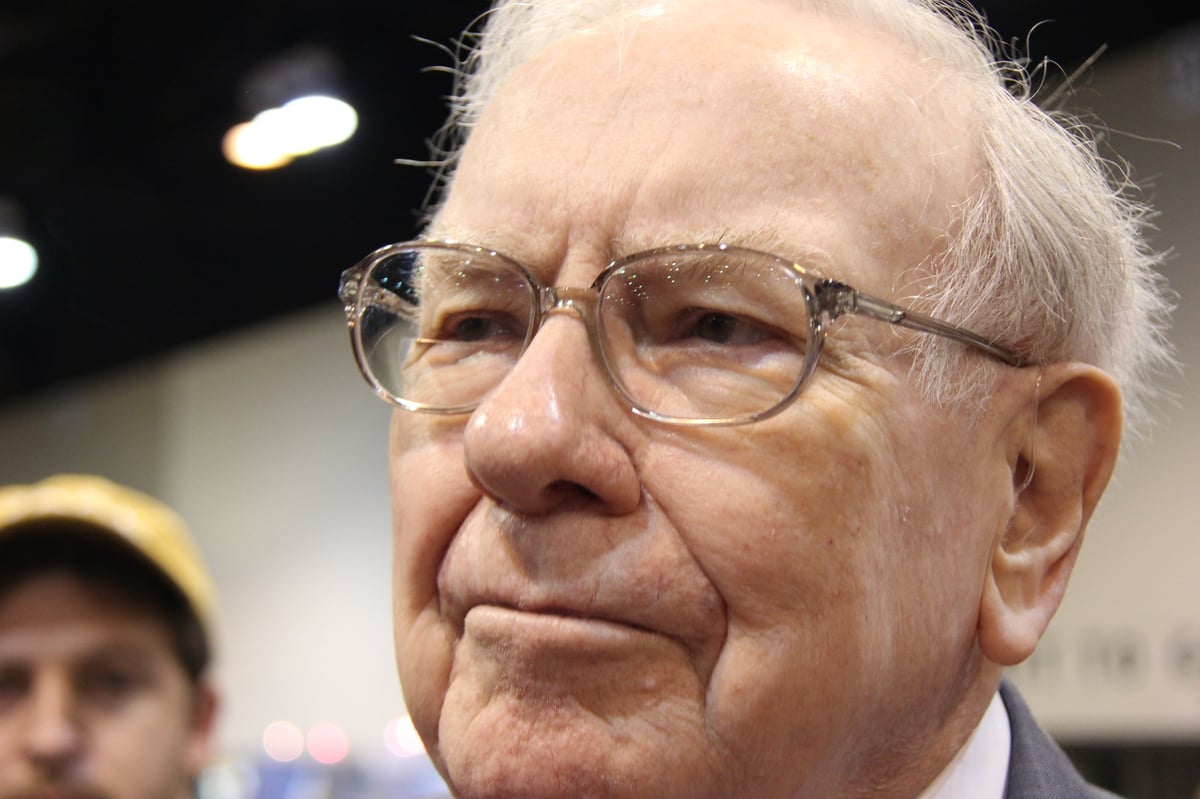
Buffett Retires, Abel Takes Over as CEO of Berkshire Hathaway

- Leadership Transition: Warren Buffett retired on December 31, 2025, with Greg Abel stepping in to manage Berkshire Hathaway's $320 billion investment portfolio, marking a significant new era for the company.
- Investment Concentration: Abel's portfolio is heavily weighted, with 10 core holdings accounting for nearly 79% of assets, including Apple at $60 billion, highlighting the company's focus on high-quality assets and long-term growth potential.
- Sustainable Competitive Advantages: Among the 20 billion-dollar investments Abel oversees, many companies like Visa and Sirius XM operate as legal monopolies, ensuring stable revenue streams and risk resilience, reflecting Berkshire's investment strategy.
- Smaller Holdings Adjustment: Abel also manages 18 relatively smaller investments, with significant reductions like the 77% cut in Amazon's stake, indicating a focus on optimizing the portfolio and potentially paving the way for future trading opportunities.
See More

Warren Buffett Retires, Greg Abel Takes Over as CEO of Berkshire Hathaway
- Leadership Transition: Warren Buffett retired as CEO on December 31, 2025, with Greg Abel taking over the management of a $320 billion investment portfolio, marking a new era for Berkshire Hathaway, although Buffett remains as chairman of the board.
- Investment Philosophy Continuity: Abel shares a similar investment philosophy with Buffett, emphasizing value investing and sustainable competitive advantages, particularly by allocating a significant portion of the company's capital to their best ideas.
- Core Holdings Concentration: The ten core positions account for nearly 79% of Berkshire's invested assets, all of which pay dividends and engage in share repurchases, demonstrating strong capital return capabilities, with Abel's management style reflected in these choices.
- Smaller Investment Dynamics: Abel oversees 18 smaller holdings ranging from $5 million to approximately $692 million, many of which are being reduced or removed from the portfolio, indicating a dynamic adjustment strategy in response to market conditions.
See More
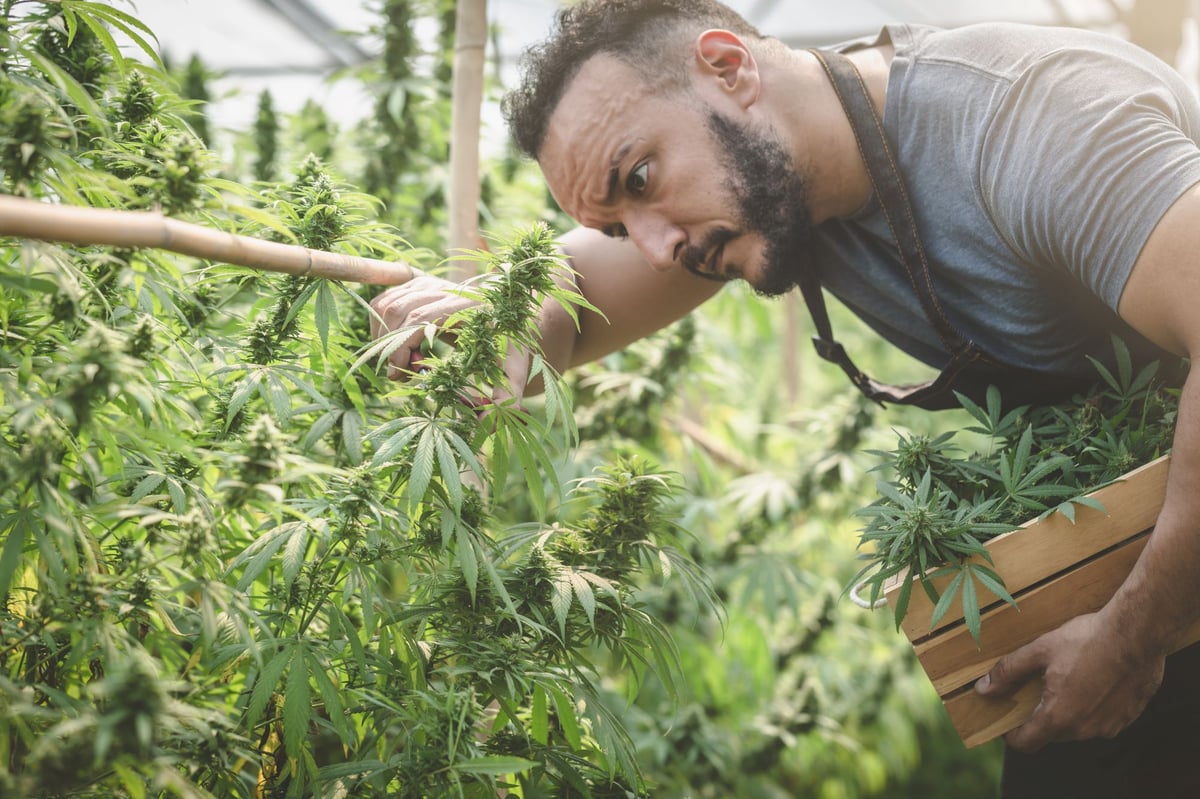
Tilray Brands Faces Significant Challenges in Cannabis Market

- Market Value Collapse: Tilray Brands has seen its stock price plummet by 96% over the past five years, with its market cap dropping from a peak of $20 billion to just $1.5 billion, highlighting the company's struggles in a competitive legal cannabis market.
- Intensified Industry Competition: With approximately 1,000 licensed cannabis companies competing, profit margins are razor-thin, and Tilray faces significant challenges in building brand loyalty due to stringent advertising and packaging restrictions.
- Weak Revenue Growth: Despite a modest 6% increase in net revenue over the past three quarters, Tilray's operating loss remains high at around $47 million, indicating ongoing challenges in achieving profitability.
- Expansion Risks: While Tilray is diversifying into alcohol and international cannabis markets, these ventures are costly and limited in scale, leading to persistent organic growth challenges, compounded by the uncertain timeline for potential U.S. legalization reforms.
See More
Coca-Cola Faces Rising Costs Amid Slowing Demand
- Cost Pressure: Coca-Cola is facing challenges with rising raw material and production costs as of April 17, 2026, which could squeeze profit margins and impact future profitability.
- Slowing Consumer Demand: The slowdown in consumer spending is reflected in Coca-Cola's decelerating sales growth, indicating a weakening demand for its products that may affect overall company performance.
- Stock Price Volatility: On April 17, 2026, Coca-Cola's stock price experienced fluctuations, raising investor concerns about the company's future earnings outlook, potentially leading to decreased market confidence.
- Need for Strategic Adjustment: In light of the dual pressures of rising costs and slowing demand, Coca-Cola may need to reassess its market strategy to maintain competitiveness and ensure long-term growth.
See More
Uncertainty Over Iran Conflict Weighs on Market Sentiment
- Market Volatility Impact: The uncertainty surrounding the Iran conflict has weighed on the stock market for the past few months, and although the S&P 500 has recently rebounded to new highs, the turbulence may not be over, prompting investors to remain cautious about potential pullback risks.
- Long-Term Investment Strategy: In the current environment, investors should remember that investing is a long-term endeavor, as fluctuations in quality stocks over short periods generally have limited impact on returns, thus adding dividend stocks during tough times can provide passive income and mitigate the effects of market volatility.
- Coca-Cola's Stability: Coca-Cola (KO), a Dividend King that has raised its dividend for 50 consecutive years, offers a dividend of $2.06 per share with a yield of 2.7%, demonstrating the company's commitment to shareholders and steady earnings growth, making it a suitable long-term investment.
- Walmart's Growth Potential: Walmart (WMT) has seen a 15% increase in global membership fee revenue and a 41% gain in its Walmart Connect advertising business, and while its dividend yield is 0.7%, its overall earnings growth potential makes it a noteworthy investment choice.
See More
Dividend Growth Potential in Consumer Goods Stocks
- Advantages of Dividend Stocks: Consumer goods stocks are considered wise investments due to their long track record of dividend growth, particularly in uncertain market conditions, providing stable passive income that boosts investor confidence.
- Coca-Cola's Stability: As a 'Dividend King', Coca-Cola has raised its dividend for 50 consecutive years, currently paying $2.06 per share with a 2.7% yield, demonstrating the company's commitment to shareholders and its competitive advantage in the global beverage market.
- Walmart's Growth Potential: Walmart has achieved significant growth through its e-commerce and Walmart+ membership services, with global membership fee revenue increasing by 15% in the recent quarter, while its dividend stands at $0.99 per share; although the yield is lower, its stable earnings growth potential makes it a worthy investment.
- Target's Turnaround Opportunity: Target is investing $2 billion to improve store displays and employee training, maintaining annual revenue at $30 billion despite challenges, with a dividend of $4.56 per share and a yield of 3.5%, indicating potential for future growth and passive income security.
See More
Buffett Retires, Abel Takes Over as CEO of Berkshire Hathaway
- Leadership Transition: Warren Buffett retired on December 31, 2025, with Greg Abel stepping in to manage Berkshire Hathaway's $320 billion investment portfolio, marking a significant new era for the company.
- Investment Concentration: Abel's portfolio is heavily weighted, with 10 core holdings accounting for nearly 79% of assets, including Apple at $60 billion, highlighting the company's focus on high-quality assets and long-term growth potential.
- Sustainable Competitive Advantages: Among the 20 billion-dollar investments Abel oversees, many companies like Visa and Sirius XM operate as legal monopolies, ensuring stable revenue streams and risk resilience, reflecting Berkshire's investment strategy.
- Smaller Holdings Adjustment: Abel also manages 18 relatively smaller investments, with significant reductions like the 77% cut in Amazon's stake, indicating a focus on optimizing the portfolio and potentially paving the way for future trading opportunities.
See More
Warren Buffett Retires, Greg Abel Takes Over as CEO of Berkshire Hathaway
- Leadership Transition: Warren Buffett retired as CEO on December 31, 2025, with Greg Abel taking over the management of a $320 billion investment portfolio, marking a new era for Berkshire Hathaway, although Buffett remains as chairman of the board.
- Investment Philosophy Continuity: Abel shares a similar investment philosophy with Buffett, emphasizing value investing and sustainable competitive advantages, particularly by allocating a significant portion of the company's capital to their best ideas.
- Core Holdings Concentration: The ten core positions account for nearly 79% of Berkshire's invested assets, all of which pay dividends and engage in share repurchases, demonstrating strong capital return capabilities, with Abel's management style reflected in these choices.
- Smaller Investment Dynamics: Abel oversees 18 smaller holdings ranging from $5 million to approximately $692 million, many of which are being reduced or removed from the portfolio, indicating a dynamic adjustment strategy in response to market conditions.
See More
Tilray Brands Faces Significant Challenges in Cannabis Market
- Market Value Collapse: Tilray Brands has seen its stock price plummet by 96% over the past five years, with its market cap dropping from a peak of $20 billion to just $1.5 billion, highlighting the company's struggles in a competitive legal cannabis market.
- Intensified Industry Competition: With approximately 1,000 licensed cannabis companies competing, profit margins are razor-thin, and Tilray faces significant challenges in building brand loyalty due to stringent advertising and packaging restrictions.
- Weak Revenue Growth: Despite a modest 6% increase in net revenue over the past three quarters, Tilray's operating loss remains high at around $47 million, indicating ongoing challenges in achieving profitability.
- Expansion Risks: While Tilray is diversifying into alcohol and international cannabis markets, these ventures are costly and limited in scale, leading to persistent organic growth challenges, compounded by the uncertain timeline for potential U.S. legalization reforms.
See More