Rising U.S. Household Debt Impacts Credit Markets
Written by Emily J. Thompson, Senior Investment Analyst
Updated: Mar 08 2026
0mins


Should l Buy AXP?
Source: NASDAQ.COM
- Rising Delinquencies: U.S. household debt has reached a record $18.8 trillion, with delinquency rates nearing a decade high of 4.8%, putting pressure on lenders like American Express and potentially impacting their future profitability.
- American Express Resilience: Despite economic headwinds, American Express saw luxury spending grow 15% year-over-year in Q4, indicating resilience among affluent customers, which may provide support for its stock price amidst broader market concerns.
- Cyclical Challenges in Brewing: Constellation Brands has underperformed since 2024, with shares declining as the proportion of U.S. adults consuming alcohol falls to 54%, yet the cyclical nature of the industry suggests demand may rebound when consumer confidence improves.
- Healthcare Sector Struggles: DaVita's revenue growth is only 5% while net income has dropped 17%, highlighting broader challenges in the healthcare industry, prompting Berkshire Hathaway to begin scaling back its investment in the company, reflecting concerns over its future outlook.
Trade with 70% Backtested Accuracy
Stop guessing "Should I Buy AXP?" and start using high-conviction signals backed by rigorous historical data.
Sign up today to access powerful investing tools and make smarter, data-driven decisions.
Analyst Views on AXP
Wall Street analysts forecast AXP stock price to rise
21 Analyst Rating
8 Buy
12 Hold
1 Sell
Moderate Buy
Current: 331.690

Low
280.00
Averages
379.06
High
425.00
Current: 331.690
Low
280.00
Averages
379.06
High
425.00
About AXP
American Express Company is a global payments and premium lifestyle brand powered by technology. Its card-issuing, merchant-acquiring and card network businesses offer products and services to a broad range of customers, including consumers, small businesses, mid-sized companies and large corporations around the world. Its range of products and services includes credit and charge cards and complementary products and services, including travel, dining, lifestyle and expense management products and services; banking and other payment and financing products and services, including deposits and non-card lending; merchant acquisition and processing, servicing and settlement, fraud prevention, and point-of-sale marketing and information products and services, and network services. These products and services are offered through various channels, including mobile and online applications, affiliate marketing, customer referral programs, third-party service providers, and business partners.
About the author

Emily J. Thompson
Emily J. Thompson, a Chartered Financial Analyst (CFA) with 12 years in investment research, graduated with honors from the Wharton School. Specializing in industrial and technology stocks, she provides in-depth analysis for Intellectia’s earnings and market brief reports.

American Express Q1 Earnings Preview: Key Insights
- Billed Business Growth: American Express reported a 9% year-over-year increase in billed business for Q4 2025, reaching approximately $445 billion, indicating resilient consumer spending as the company approaches its Q1 2026 earnings report.
- Card Fee Revenue Surge: The net card fee revenue rose to $2.6 billion in Q4, up 17% year-over-year, highlighting the company's strategic shift towards affluent, fee-paying customers, which is expected to continue driving revenue growth.
- Youth Spending Dynamics: Spending from Gen Z and millennials surged, with Gen Z's billed business increasing by 38% and millennials by 12%, showcasing the company's success in attracting younger customers, despite the hefty marketing expenses of $6.3 billion.
- Credit Quality Monitoring: While American Express maintains strong credit quality, the net write-off rate increased to 2.1% in Q4, prompting investors to monitor this trend for potential impacts on the company's financial health in Q1.
See More

American Express Q1 Earnings Preview: Key Insights
- Consumer Spending Trends: American Express is set to report its total billed business for Q1 2026, with Q4 2025 showing a 9% year-over-year increase to approximately $445 billion, indicating resilient consumer spending; if this trend continues, it could positively impact future performance.
- Card Fee Revenue Growth: The company reported net card fee revenue of $2.6 billion in Q4, up 17% year-over-year, maintaining a growth trend for 30 consecutive quarters, which suggests that its strategic shift towards high-end customers is effectively enhancing profitability.
- Young Customer Base: American Express has excelled in attracting millennials and Gen Z, with billed business from Gen Z rising 38% and millennials 12% in Q4, providing strong momentum for future growth, despite marketing expenses reaching $6.3 billion.
- Credit Quality Monitoring: While the company maintains good credit quality, the net write-off rate increased to 2.1% in Q4, prompting investor scrutiny on whether this trend will accelerate in Q1; management's revenue growth guidance of 9% to 10% for 2026 reflects confidence in future prospects.
See More

Buffett's Investment Success with American Express
- Shareholder Equity Growth: American Express has successfully increased Buffett's ownership from 10% to 22% by 2025 through consistent share buybacks and dividends, enhancing shareholder returns and strengthening the company's market position.
- Strong Profitability: American Express has maintained a long-term return on equity of 20%-30%, supported by its premium customer base and strong spending volumes, which provide solid backing for revenue and profit growth.
- Efficient Capital Allocation: Unlike many companies, American Express has effectively reduced its share count, avoiding shareholder dilution, which has allowed Buffett's investment cost to decrease from $1.4 billion in 1995 to $1.3 billion in 2025, showcasing its efficient capital allocation.
- Long-term Investment Value: While American Express is no longer a hidden investment opportunity, its strong cash flows and ongoing share buybacks still position it for solid per-share earnings growth, making it attractive for long-term investors.
See More
Abel Reshapes Berkshire Hathaway's Investment Portfolio


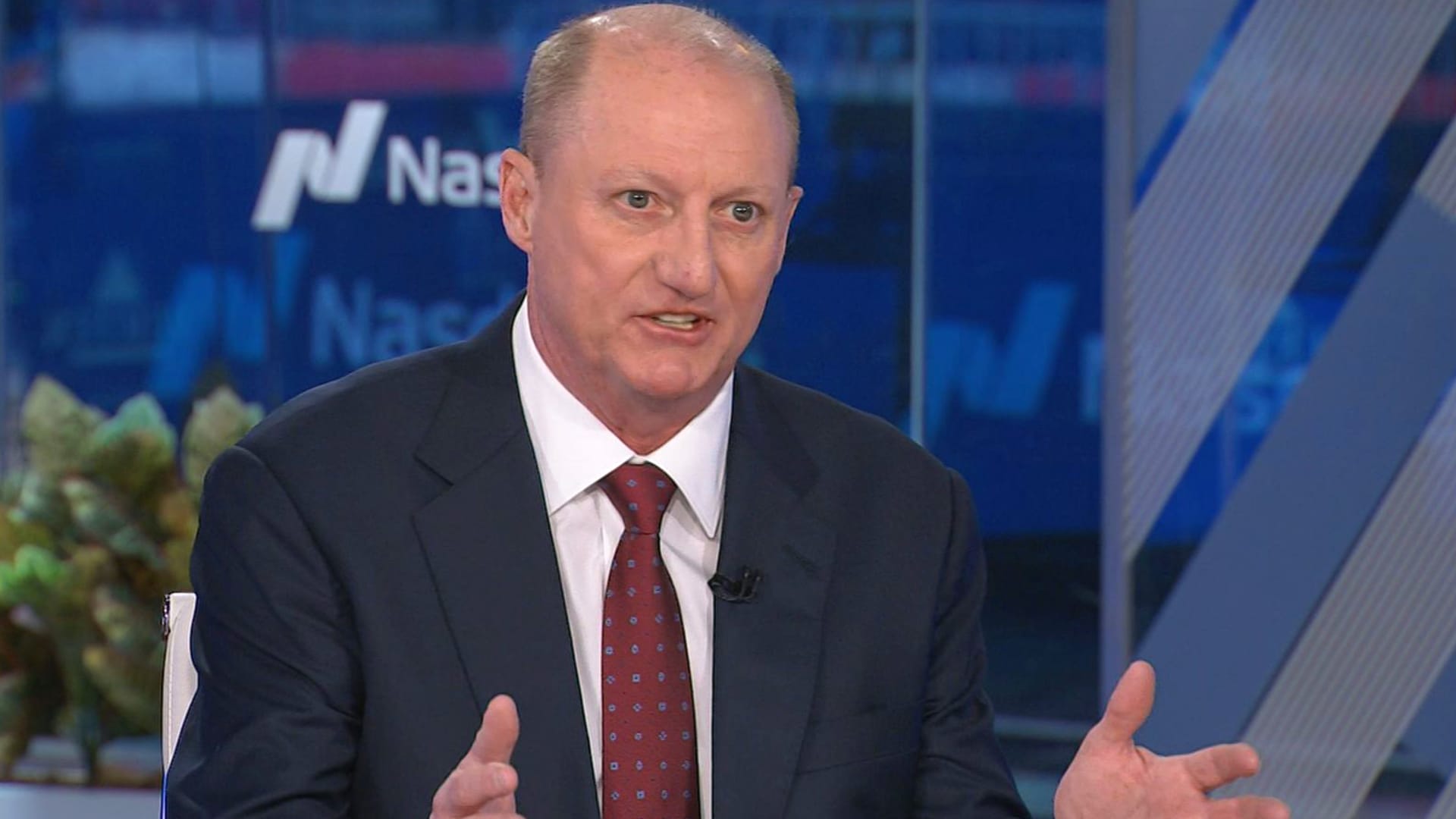
- Portfolio Restructuring: New CEO Greg Abel is swiftly reshaping Berkshire Hathaway's investment portfolio by selling stocks associated with former manager Todd Combs, demonstrating his control over the approximately $300 billion portfolio.
- Management Changes: Following Combs' departure at the end of 2025, Abel is unlikely to replace him, with Ted Weschler continuing to manage about 6% of the portfolio, indicating a preference for maintaining the existing management structure.
- Core Holdings Strategy: In his annual letter, Abel emphasized a focus on core holdings such as Apple, American Express, Coca-Cola, and Moody's, which are expected to compound value over decades, reflecting a long-term investment strategy.
- Amazon Stake Reduction: Berkshire nearly eliminated 80% of its stake in Amazon in Q4 2025, with market speculation linking this decision to Combs' investment style, raising further questions about the company's investment direction.
See More

Positive Earnings Outlook for Q1 Reports

- Strong Start to Earnings Season: As of April 17, 48 S&P 500 companies have reported Q1 results, showing a 29.3% year-over-year increase in earnings and a 12.4% rise in revenues, indicating robust signs of market recovery that are likely to boost investor confidence.
- Diverse Sector Performance: While the tech sector continues to see upward revisions in earnings expectations, positive trends have also emerged in the energy, basic materials, and utilities sectors, suggesting a broad-based economic recovery that may attract more investor interest in these areas.
- Optimistic Future Outlook: Expectations for Q2 2026 indicate a 19.4% growth in earnings and a 9.1% increase in revenues, reflecting enhanced market confidence in future economic growth, which could lead to increased capital inflows into the stock market and further drive stock prices upward.
- Estimates Revision Trends: Since the start of the quarter, earnings estimates have been raised for 5 out of 16 Zacks sectors, particularly the tech sector's sustained strong performance, which may draw more investor attention to related stocks and enhance market activity.
See More

American Express Acquires Hypercard to Enhance AI Capabilities

- Acquisition of Hypercard: American Express (AXP) announced its acquisition of Hypercard to enhance its AI and expense management capabilities, which is expected to strengthen its competitive position in the fintech sector and drive future business growth.
- Wipro Acquires Indeco: Wipro Hydraulics (WIT) has signed an agreement to acquire Italy-based Indeco Ind Spa, marking its entry into the hydraulic attachments market, which is anticipated to enhance its market share through a diversified product portfolio.
- ESCO Acquires Megger: ESCO Technologies (ESE) has agreed to acquire Megger Group for $2.35 billion, and despite a 2.7% drop in stock price post-announcement, this deal is expected to bolster its position in the utilities sector.
- Seer Acquisition Proposal: Activist investors Radoff-JEC Group, holding a 7.6% stake in Seer, Inc. (SEER), have formally proposed to acquire the company for $2.25 per share, representing a 33% premium over the recent close, indicating strong interest in the company.
See More
American Express Q1 Earnings Preview: Key Insights
- Billed Business Growth: American Express reported a 9% year-over-year increase in billed business for Q4 2025, reaching approximately $445 billion, indicating resilient consumer spending as the company approaches its Q1 2026 earnings report.
- Card Fee Revenue Surge: The net card fee revenue rose to $2.6 billion in Q4, up 17% year-over-year, highlighting the company's strategic shift towards affluent, fee-paying customers, which is expected to continue driving revenue growth.
- Youth Spending Dynamics: Spending from Gen Z and millennials surged, with Gen Z's billed business increasing by 38% and millennials by 12%, showcasing the company's success in attracting younger customers, despite the hefty marketing expenses of $6.3 billion.
- Credit Quality Monitoring: While American Express maintains strong credit quality, the net write-off rate increased to 2.1% in Q4, prompting investors to monitor this trend for potential impacts on the company's financial health in Q1.
See More
American Express Q1 Earnings Preview: Key Insights
- Consumer Spending Trends: American Express is set to report its total billed business for Q1 2026, with Q4 2025 showing a 9% year-over-year increase to approximately $445 billion, indicating resilient consumer spending; if this trend continues, it could positively impact future performance.
- Card Fee Revenue Growth: The company reported net card fee revenue of $2.6 billion in Q4, up 17% year-over-year, maintaining a growth trend for 30 consecutive quarters, which suggests that its strategic shift towards high-end customers is effectively enhancing profitability.
- Young Customer Base: American Express has excelled in attracting millennials and Gen Z, with billed business from Gen Z rising 38% and millennials 12% in Q4, providing strong momentum for future growth, despite marketing expenses reaching $6.3 billion.
- Credit Quality Monitoring: While the company maintains good credit quality, the net write-off rate increased to 2.1% in Q4, prompting investor scrutiny on whether this trend will accelerate in Q1; management's revenue growth guidance of 9% to 10% for 2026 reflects confidence in future prospects.
See More
Buffett's Investment Success with American Express
- Shareholder Equity Growth: American Express has successfully increased Buffett's ownership from 10% to 22% by 2025 through consistent share buybacks and dividends, enhancing shareholder returns and strengthening the company's market position.
- Strong Profitability: American Express has maintained a long-term return on equity of 20%-30%, supported by its premium customer base and strong spending volumes, which provide solid backing for revenue and profit growth.
- Efficient Capital Allocation: Unlike many companies, American Express has effectively reduced its share count, avoiding shareholder dilution, which has allowed Buffett's investment cost to decrease from $1.4 billion in 1995 to $1.3 billion in 2025, showcasing its efficient capital allocation.
- Long-term Investment Value: While American Express is no longer a hidden investment opportunity, its strong cash flows and ongoing share buybacks still position it for solid per-share earnings growth, making it attractive for long-term investors.
See More
Abel Reshapes Berkshire Hathaway's Investment Portfolio
- Portfolio Restructuring: New CEO Greg Abel is swiftly reshaping Berkshire Hathaway's investment portfolio by selling stocks associated with former manager Todd Combs, demonstrating his control over the approximately $300 billion portfolio.
- Management Changes: Following Combs' departure at the end of 2025, Abel is unlikely to replace him, with Ted Weschler continuing to manage about 6% of the portfolio, indicating a preference for maintaining the existing management structure.
- Core Holdings Strategy: In his annual letter, Abel emphasized a focus on core holdings such as Apple, American Express, Coca-Cola, and Moody's, which are expected to compound value over decades, reflecting a long-term investment strategy.
- Amazon Stake Reduction: Berkshire nearly eliminated 80% of its stake in Amazon in Q4 2025, with market speculation linking this decision to Combs' investment style, raising further questions about the company's investment direction.
See More
Positive Earnings Outlook for Q1 Reports
- Strong Start to Earnings Season: As of April 17, 48 S&P 500 companies have reported Q1 results, showing a 29.3% year-over-year increase in earnings and a 12.4% rise in revenues, indicating robust signs of market recovery that are likely to boost investor confidence.
- Diverse Sector Performance: While the tech sector continues to see upward revisions in earnings expectations, positive trends have also emerged in the energy, basic materials, and utilities sectors, suggesting a broad-based economic recovery that may attract more investor interest in these areas.
- Optimistic Future Outlook: Expectations for Q2 2026 indicate a 19.4% growth in earnings and a 9.1% increase in revenues, reflecting enhanced market confidence in future economic growth, which could lead to increased capital inflows into the stock market and further drive stock prices upward.
- Estimates Revision Trends: Since the start of the quarter, earnings estimates have been raised for 5 out of 16 Zacks sectors, particularly the tech sector's sustained strong performance, which may draw more investor attention to related stocks and enhance market activity.
See More
American Express Acquires Hypercard to Enhance AI Capabilities
- Acquisition of Hypercard: American Express (AXP) announced its acquisition of Hypercard to enhance its AI and expense management capabilities, which is expected to strengthen its competitive position in the fintech sector and drive future business growth.
- Wipro Acquires Indeco: Wipro Hydraulics (WIT) has signed an agreement to acquire Italy-based Indeco Ind Spa, marking its entry into the hydraulic attachments market, which is anticipated to enhance its market share through a diversified product portfolio.
- ESCO Acquires Megger: ESCO Technologies (ESE) has agreed to acquire Megger Group for $2.35 billion, and despite a 2.7% drop in stock price post-announcement, this deal is expected to bolster its position in the utilities sector.
- Seer Acquisition Proposal: Activist investors Radoff-JEC Group, holding a 7.6% stake in Seer, Inc. (SEER), have formally proposed to acquire the company for $2.25 per share, representing a 33% premium over the recent close, indicating strong interest in the company.
See More