Private Credit Faces Serious Test Amid $3 Trillion Boom

- Crisis Signals: The private credit market, having experienced a $3 trillion boom, is facing systemic risks as Blue Owl Capital's decision to permanently halt redemptions for its $1.6 billion OBDC II fund exposes vulnerabilities, indicating not just corporate issues but a warning for the entire non-bank financial ecosystem.
- Bankruptcy Wave: The bankruptcies of Tricolor and First Brands in September 2025 heightened concerns over private credit's exposure to highly leveraged borrowers, leading banks like UBS and Jefferies to face hundreds of millions in losses, which intensified market worries about liquidity risks.
- Increased Regulatory Pressure: With Tricolor executives charged for systematic fraud, scrutiny over lending practices has intensified, as JPMorgan CEO Jamie Dimon highlighted that corporate lending practices have become too lax over the past decade, indicating a pressing need for improved risk management in the market.
- Uncertain Future Outlook: Despite facing numerous challenges, including rising default rates and redemption pressures, global private credit fundraising still grew to $224.25 billion in 2025, suggesting that capital remains active and the growth phase of the industry is not over, potentially leading to better liquidity management strategies in the future.
Trade with 70% Backtested Accuracy
Analyst Views on SPGI

About SPGI
About the author


Versigent to Replace Titan International in S&P SmallCap 600

- Index Component Change: Versigent plc will replace Titan International Inc. in the S&P SmallCap 600 effective April 2, 2026, indicating that Titan's market capitalization no longer aligns with small-cap market standards.
- Spin-off Transaction Impact: Aptiv plc is set to complete the spin-off of Versigent on April 1, 2026, allowing Aptiv to remain in the S&P 500 post-spin-off, demonstrating its continued focus on core operations.
- Market Representativeness Adjustment: The adjustment reflects that Titan International's market capitalization is no longer representative of the small-cap market, ensuring that the index components maintain market relevance and investor confidence.
- S&P Index Background: S&P Dow Jones Indices is the largest global resource for index data and research, providing essential market indicators that help investors measure and trade effectively, further solidifying its leadership in the financial markets.

Versigent to Replace Titan International in S&P SmallCap 600
- Index Component Change: Versigent plc will replace Titan International Inc. in the S&P SmallCap 600 effective April 2, 2026, indicating that Titan's market capitalization no longer aligns with small-cap market standards.
- Spin-off Transaction Impact: Aptiv plc is set to complete the spin-off of Versigent on April 1, 2026, ensuring Aptiv's continued presence in the S&P 500, which reflects confidence in Versigent's future growth prospects.
- Market Representation Adjustment: The adjustment to the index aims to enhance market representation and investor confidence, as Titan International's market capitalization is no longer representative of the small-cap sector.
- S&P Global Influence: As the largest index provider globally, S&P Dow Jones Indices continues to innovate and develop indices across various asset classes, helping investors measure and trade markets effectively, thereby reinforcing its leadership position in the financial sector.
Aluminum Prices Surge Following Iranian Attacks on Producers
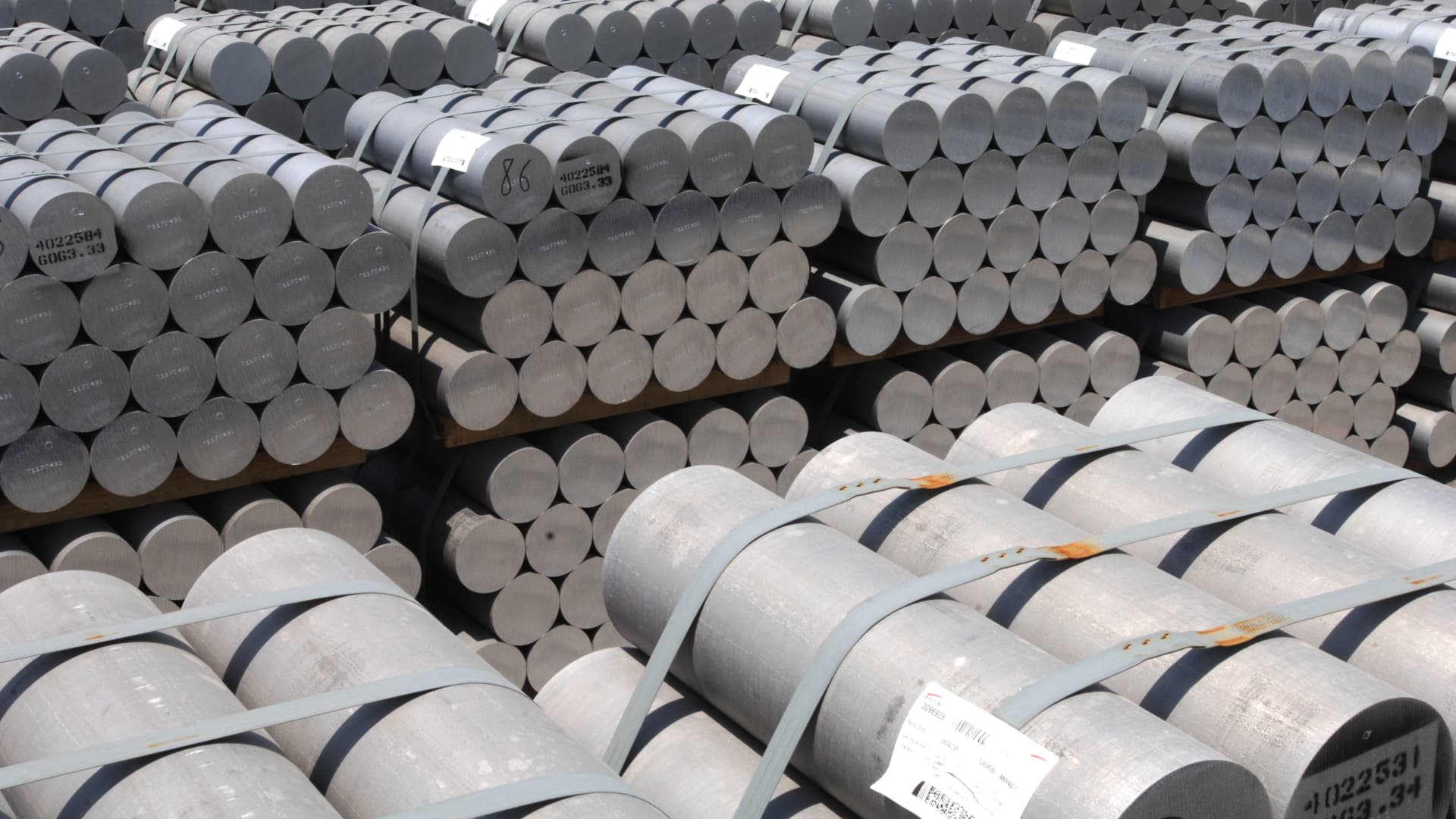
- Price Surge: Aluminum futures on the London Metal Exchange surged 5.5% due to Iranian attacks on two Middle Eastern producers, briefly reaching $3,492 per tonne, the highest since April 2022, indicating heightened fears of a supply crisis.
- Supply Crisis Risk: Approximately 9% of global aluminum supply is affected, with EGA's Al Taweelah smelter sustaining significant damage, leading to an estimated production loss of 800 to 900 kilotons in 2026, potentially pushing the global market into a full-year deficit.
- Market Shockwaves: Analysts suggest that the attacks could shift the market from temporary softness to expectations of tighter supply and higher prices, exacerbating uncertainty for commodity firms in the region.
- China's Role: As the world's largest aluminum producer, China's constrained production capacity raises concerns; analysts believe that if the government decides to restart idle smelters, it could alleviate global supply tightness, but risks of further shocks remain.
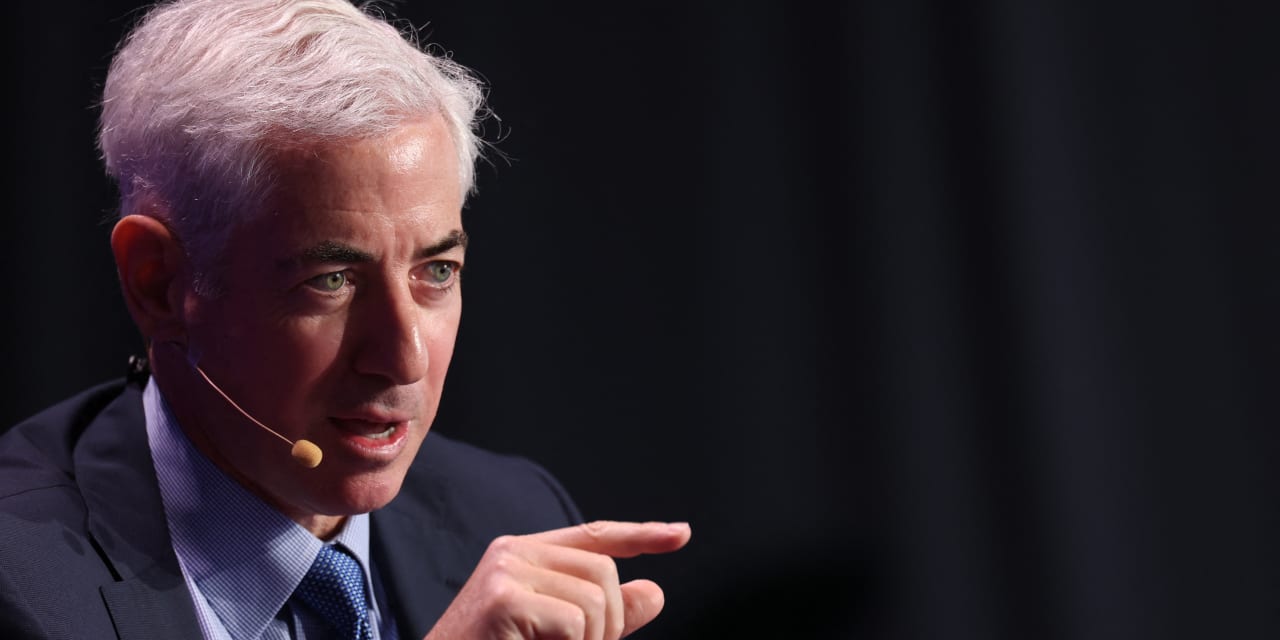
Ackman Claims Stock Markets Offer Great Deals, But Few Are Paying Attention: 4 Key Insights for Today.


Warren Buffett's Maxim: The phrase "Be greedy when others are fearful" reflects a key investment strategy attributed to Warren Buffett.
Bill Ackman's Ambition: Bill Ackman aims to position himself as a leading investment guru, suggesting that now is the time to act on Buffett's advice.
Political Climate Impact: Ackman may struggle to gain support for his investment strategies until there is a shift in the White House's stance on the Iran conflict.
Market Sentiment: The current market sentiment is influenced by geopolitical tensions, which could affect investment decisions and strategies.
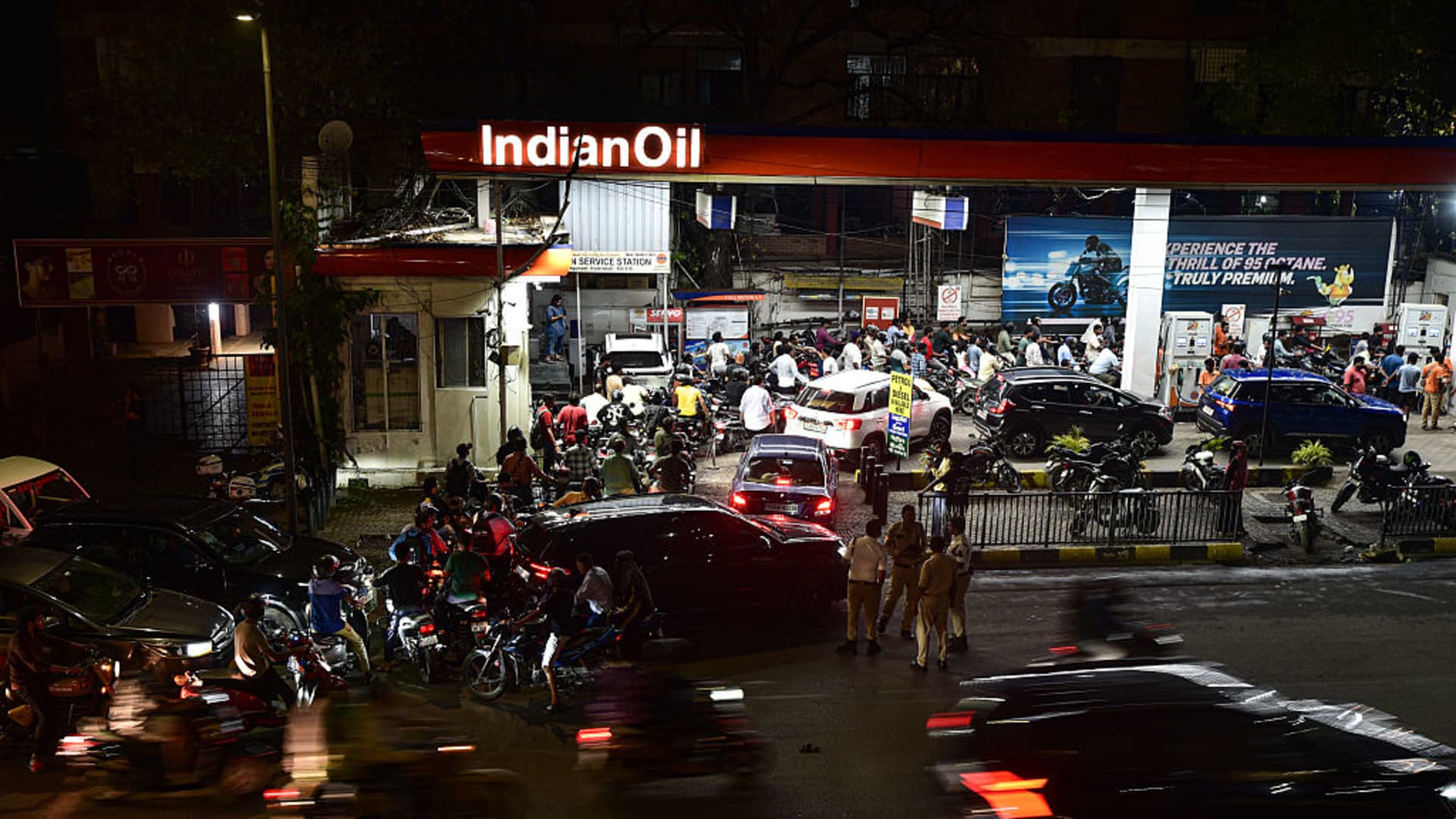
India's Economic Growth Faces Downside Risks Amid Middle East Conflict

- Growth Forecast Downgrade: India's growth forecast for the fiscal year ending March 2027 has been adjusted down to 7.0%-7.4% due to rising energy costs and supply chain disruptions linked to the Iran war, which is expected to significantly increase the trade deficit and impact the current account deficit, potentially hindering economic recovery.
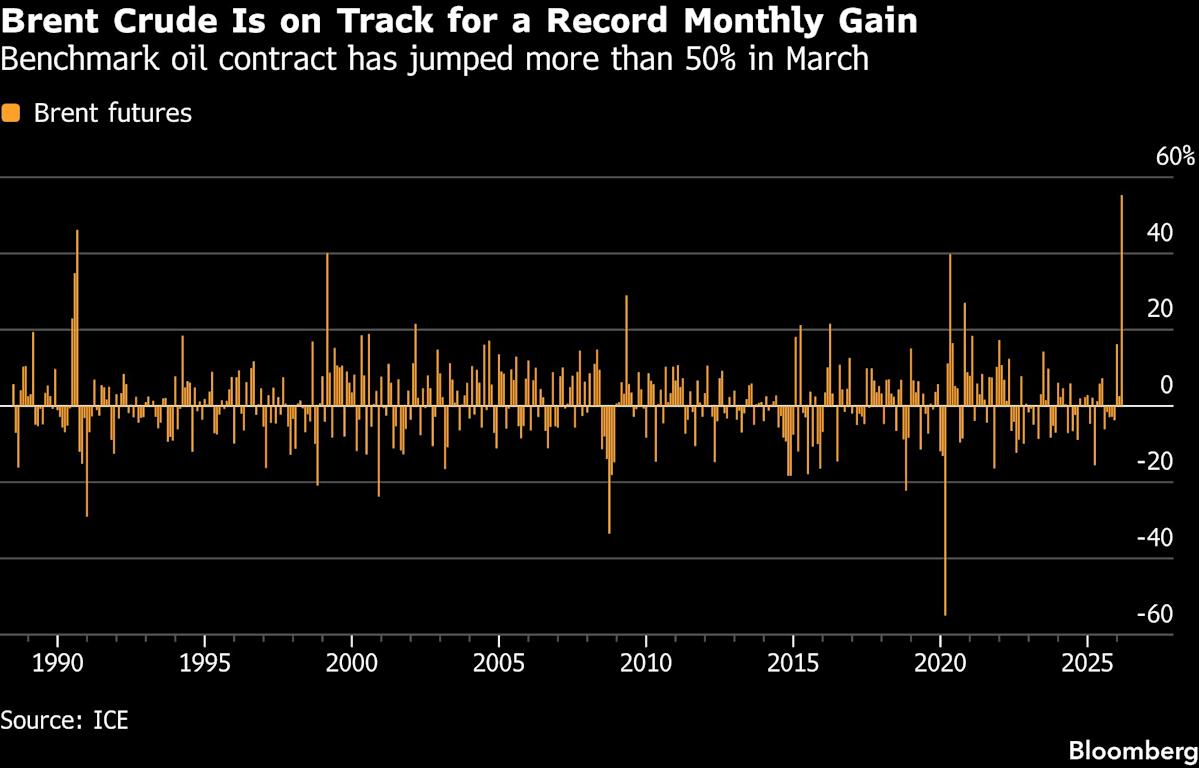
- Rising Energy Costs: India relies on the Strait of Hormuz for about 50% of its crude oil, with prices surging from $80 to $140, leading to increased domestic fuel prices; while the government has cut taxes to alleviate consumer burdens, tax revenues are likely to be adversely affected.
- Private Sector Activity Slowdown: The HSBC flash Purchasing Managers' Index indicates that private sector activity in India fell to its lowest level since October 2022 in March, reflecting weak domestic demand and heightened inflationary pressures, with businesses expressing pessimism about future growth.
- Policy Response Measures: The Indian government has implemented measures to reduce central excise duties on petrol and diesel to prevent price hikes while raising export duties on diesel and aviation fuel to ensure domestic supply, demonstrating a cautious approach in addressing the energy crisis.
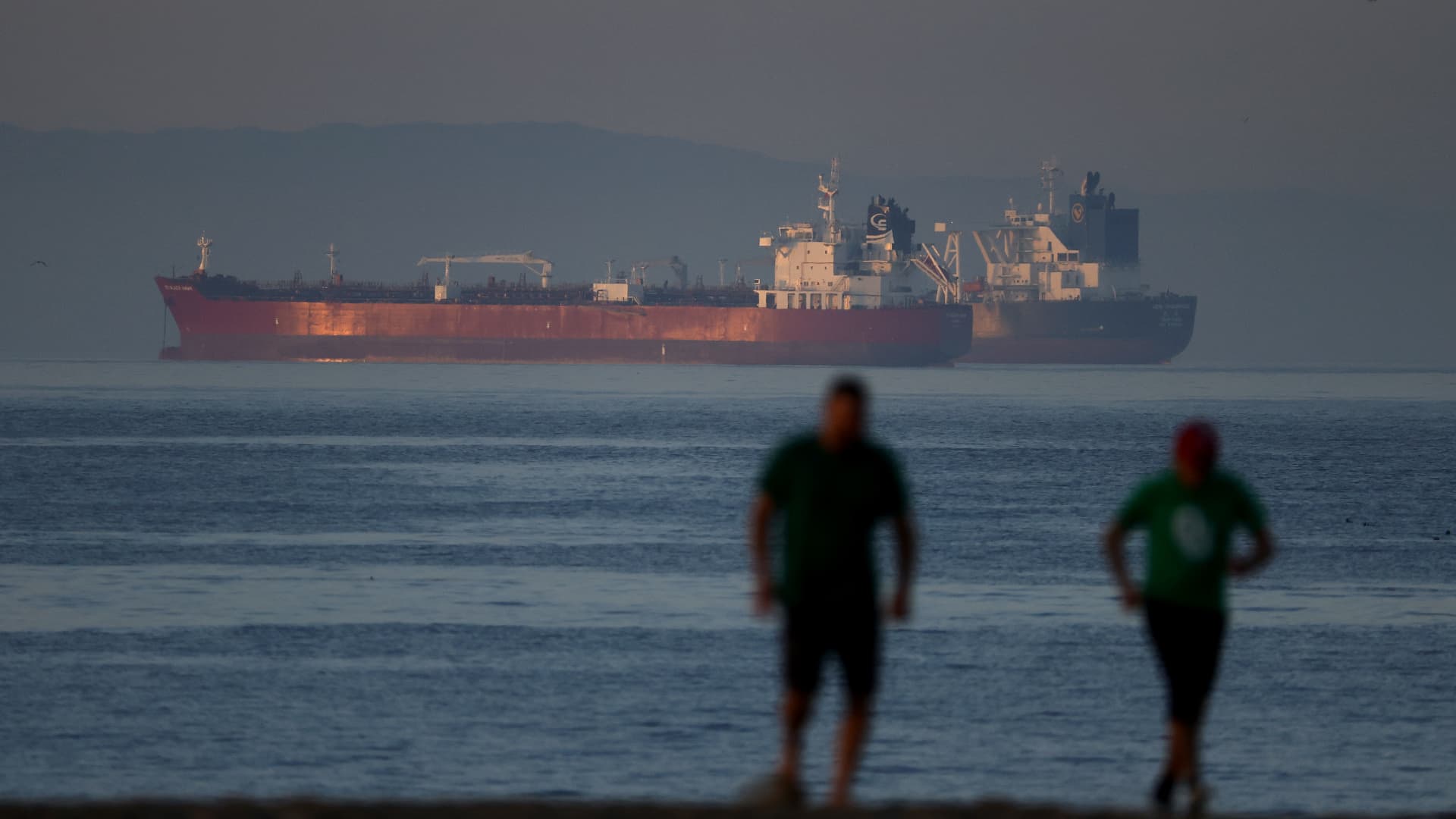
Energy Executives Warn of Middle East War Impact
- Oil Supply Crisis: CEOs of major energy companies warned at S&P Global's CERAWeek that the Iran war has disrupted 8 million barrels of oil and 20% of the LNG market daily, potentially leading to fuel shortages in Asia and Europe, severely impacting the global economy.
- Market Reaction Lag: ConocoPhillips CEO Ryan Lance noted that the market is not reflecting the scale of the supply disruption, with oil prices likely to remain high at $99.64 per barrel even after the conflict ends, as countries will need to restock depleted reserves.
- Geopolitical Risks Escalate: Kuwait Petroleum CEO Sheikh Nawaf al-Sabah stated that Iran's blockade of the Strait of Hormuz is not only an attack on Gulf nations but poses a threat to the global economy, potentially causing a domino effect throughout the supply chain.
- Fuel Shortages Spread: Shell CEO Wael Sawan highlighted that jet fuel and diesel prices have surged to $200 and $160 per barrel respectively, with the crisis expected to impact major Asian economies and reach Europe by April, prompting governments to stockpile and protect their supplies.
Versigent to Replace Titan International in S&P SmallCap 600
- Index Component Change: Versigent plc will replace Titan International Inc. in the S&P SmallCap 600 effective April 2, 2026, indicating that Titan's market capitalization no longer aligns with small-cap market standards.
- Spin-off Transaction Impact: Aptiv plc is set to complete the spin-off of Versigent on April 1, 2026, allowing Aptiv to remain in the S&P 500 post-spin-off, demonstrating its continued focus on core operations.
- Market Representativeness Adjustment: The adjustment reflects that Titan International's market capitalization is no longer representative of the small-cap market, ensuring that the index components maintain market relevance and investor confidence.
- S&P Index Background: S&P Dow Jones Indices is the largest global resource for index data and research, providing essential market indicators that help investors measure and trade effectively, further solidifying its leadership in the financial markets.
Versigent to Replace Titan International in S&P SmallCap 600
- Index Component Change: Versigent plc will replace Titan International Inc. in the S&P SmallCap 600 effective April 2, 2026, indicating that Titan's market capitalization no longer aligns with small-cap market standards.
- Spin-off Transaction Impact: Aptiv plc is set to complete the spin-off of Versigent on April 1, 2026, ensuring Aptiv's continued presence in the S&P 500, which reflects confidence in Versigent's future growth prospects.
- Market Representation Adjustment: The adjustment to the index aims to enhance market representation and investor confidence, as Titan International's market capitalization is no longer representative of the small-cap sector.
- S&P Global Influence: As the largest index provider globally, S&P Dow Jones Indices continues to innovate and develop indices across various asset classes, helping investors measure and trade markets effectively, thereby reinforcing its leadership position in the financial sector.
Aluminum Prices Surge Following Iranian Attacks on Producers
- Price Surge: Aluminum futures on the London Metal Exchange surged 5.5% due to Iranian attacks on two Middle Eastern producers, briefly reaching $3,492 per tonne, the highest since April 2022, indicating heightened fears of a supply crisis.
- Supply Crisis Risk: Approximately 9% of global aluminum supply is affected, with EGA's Al Taweelah smelter sustaining significant damage, leading to an estimated production loss of 800 to 900 kilotons in 2026, potentially pushing the global market into a full-year deficit.
- Market Shockwaves: Analysts suggest that the attacks could shift the market from temporary softness to expectations of tighter supply and higher prices, exacerbating uncertainty for commodity firms in the region.
- China's Role: As the world's largest aluminum producer, China's constrained production capacity raises concerns; analysts believe that if the government decides to restart idle smelters, it could alleviate global supply tightness, but risks of further shocks remain.
Ackman Claims Stock Markets Offer Great Deals, But Few Are Paying Attention: 4 Key Insights for Today.
Warren Buffett's Maxim: The phrase "Be greedy when others are fearful" reflects a key investment strategy attributed to Warren Buffett.
Bill Ackman's Ambition: Bill Ackman aims to position himself as a leading investment guru, suggesting that now is the time to act on Buffett's advice.
Political Climate Impact: Ackman may struggle to gain support for his investment strategies until there is a shift in the White House's stance on the Iran conflict.
Market Sentiment: The current market sentiment is influenced by geopolitical tensions, which could affect investment decisions and strategies.
India's Economic Growth Faces Downside Risks Amid Middle East Conflict
- Growth Forecast Downgrade: India's growth forecast for the fiscal year ending March 2027 has been adjusted down to 7.0%-7.4% due to rising energy costs and supply chain disruptions linked to the Iran war, which is expected to significantly increase the trade deficit and impact the current account deficit, potentially hindering economic recovery.
- Rising Energy Costs: India relies on the Strait of Hormuz for about 50% of its crude oil, with prices surging from $80 to $140, leading to increased domestic fuel prices; while the government has cut taxes to alleviate consumer burdens, tax revenues are likely to be adversely affected.
- Private Sector Activity Slowdown: The HSBC flash Purchasing Managers' Index indicates that private sector activity in India fell to its lowest level since October 2022 in March, reflecting weak domestic demand and heightened inflationary pressures, with businesses expressing pessimism about future growth.
- Policy Response Measures: The Indian government has implemented measures to reduce central excise duties on petrol and diesel to prevent price hikes while raising export duties on diesel and aviation fuel to ensure domestic supply, demonstrating a cautious approach in addressing the energy crisis.
Energy Executives Warn of Middle East War Impact
- Oil Supply Crisis: CEOs of major energy companies warned at S&P Global's CERAWeek that the Iran war has disrupted 8 million barrels of oil and 20% of the LNG market daily, potentially leading to fuel shortages in Asia and Europe, severely impacting the global economy.
- Market Reaction Lag: ConocoPhillips CEO Ryan Lance noted that the market is not reflecting the scale of the supply disruption, with oil prices likely to remain high at $99.64 per barrel even after the conflict ends, as countries will need to restock depleted reserves.
- Geopolitical Risks Escalate: Kuwait Petroleum CEO Sheikh Nawaf al-Sabah stated that Iran's blockade of the Strait of Hormuz is not only an attack on Gulf nations but poses a threat to the global economy, potentially causing a domino effect throughout the supply chain.
- Fuel Shortages Spread: Shell CEO Wael Sawan highlighted that jet fuel and diesel prices have surged to $200 and $160 per barrel respectively, with the crisis expected to impact major Asian economies and reach Europe by April, prompting governments to stockpile and protect their supplies.