Oil Prices Surge, Companies Adjust Strategies Differently
Written by Emily J. Thompson, Senior Investment Analyst
Updated: 2 days ago
0mins

Source: Fool
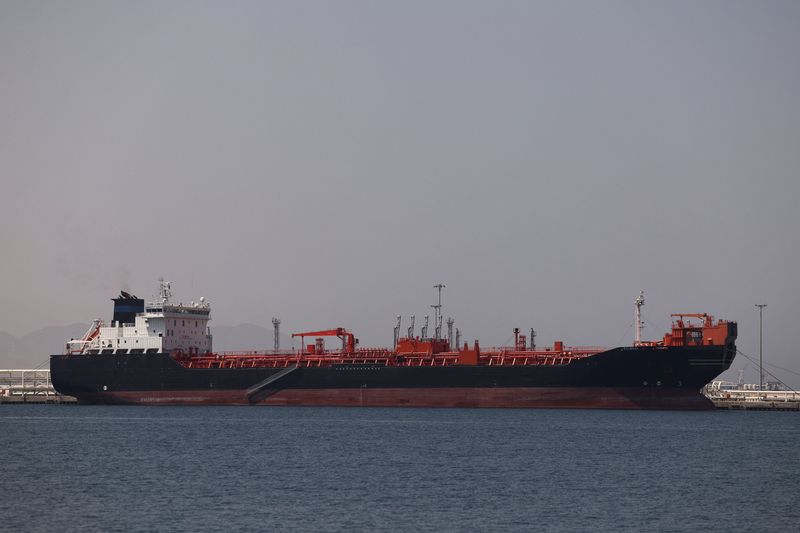
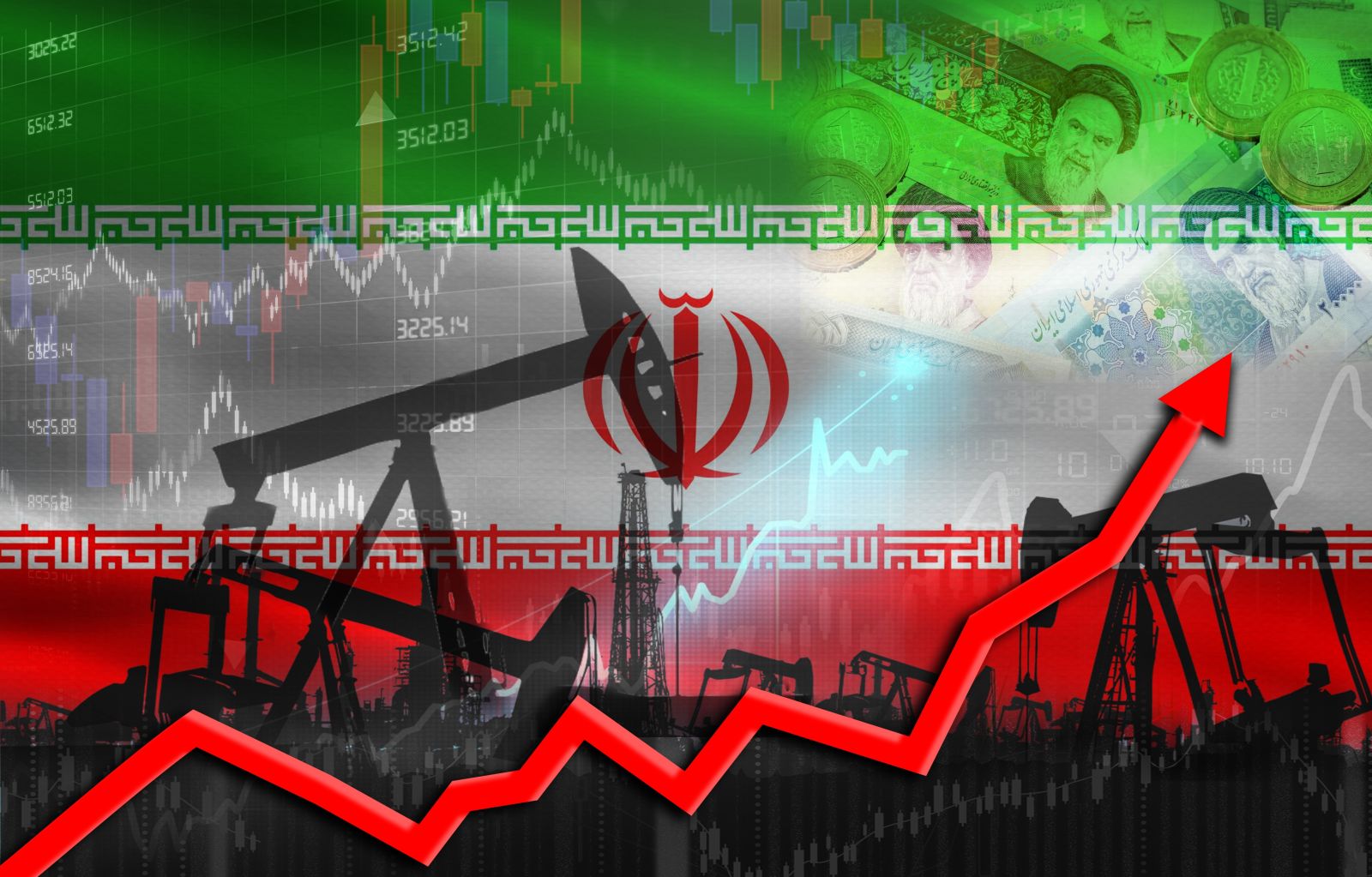
- Surge in Oil Prices: The war with Iran has caused WTI crude prices to rise by 85% to over $100 per barrel, leading to record depletion of global oil stockpiles and creating market uncertainty.
- Caution from Major Players: Oil giants ExxonMobil and Chevron are maintaining their capital spending plans, with Chevron's budget set at $18 billion to $19 billion, ensuring flexibility in a volatile market environment.
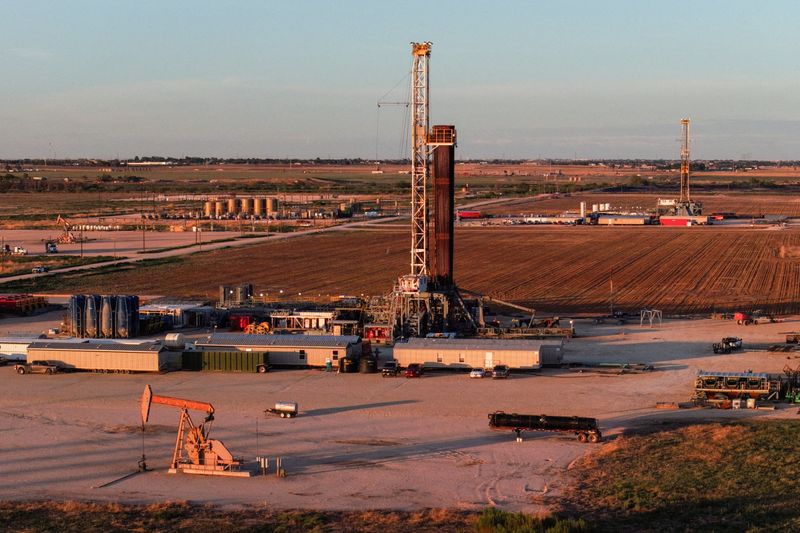
- Proactive Smaller Firms: ConocoPhillips has raised its capital budget from $12 billion to $12.5 billion to increase Permian activity in response to supply disruptions and higher oil prices, aiming to maintain operational efficiency.
- Increased Drilling Activities: Diamondback Energy plans to add 2 to 3 drilling rigs to boost production, raising its capital spending from $3.75 billion to $3.9 billion to meet the urgent market demand for oil.
Trade with 70% Backtested Accuracy
Stop guessing "Should I Buy COP?" and start using high-conviction signals backed by rigorous historical data.
Sign up today to access powerful investing tools and make smarter, data-driven decisions.
Analyst Views on COP
Wall Street analysts forecast COP stock price to rise
19 Analyst Rating
15 Buy
3 Hold
1 Sell
Moderate Buy
Current: 114.880

Low
98.00
Averages
115.67
High
133.00
Current: 114.880
Low
98.00
Averages
115.67
High
133.00
About COP
ConocoPhillips is an exploration and production company. Its Alaska segment primarily explores for, produces, transports and markets crude oil, natural gas and NGLs. The Lower 48 segment consists of operations located in the 48 contiguous states in the United States and the Gulf of Mexico. Canadian operations consist of the Surmont oil sands development in Alberta, the liquids-rich Montney unconventional play in British Columbia and commercial operations. The Europe, Middle East and North Africa segment consists of operations principally located in the Norwegian sector of the North Sea, the Norwegian Sea, Qatar, Libya, Equatorial Guinea and commercial and terminalling operations in the United Kingdom. Asia Pacific segment has exploration and production operations in China, Malaysia, Australia and commercial operations in China, Singapore and Japan. Other International segment includes interests in Colombia as well as contingencies associated with prior operations in other countries.
About the author

Emily J. Thompson
Emily J. Thompson, a Chartered Financial Analyst (CFA) with 12 years in investment research, graduated with honors from the Wharton School. Specializing in industrial and technology stocks, she provides in-depth analysis for Intellectia’s earnings and market brief reports.
Norway Approves ConocoPhillips' New Project

- Project Approval: Norway's energy ministry has approved ConocoPhillips' development and operating plans in the Greater Ekofisk area, a move expected to significantly enhance gas deliveries to Europe and strengthen the company's competitive position in international markets.
- Investment Scale: ConocoPhillips and its partners plan to invest approximately 20 billion Norwegian crowns (about $2.16 billion) to restart the Albuskjell, Vest Ekofisk, and Tommeliten Gamma fields, which were shut down in 2019, potentially generating substantial returns for the company.
- Resource Potential: The PPF project is expected to deliver between 90 million and 120 million barrels of recoverable gas and condensate, further solidifying ConocoPhillips' position in the energy market and meeting the increasing energy demands in Europe.
- Production Timeline: First gas production is anticipated to commence in the fourth quarter of 2028, providing the company with a long-term revenue stream and supporting its strategic positioning in the renewable energy transition.
See More
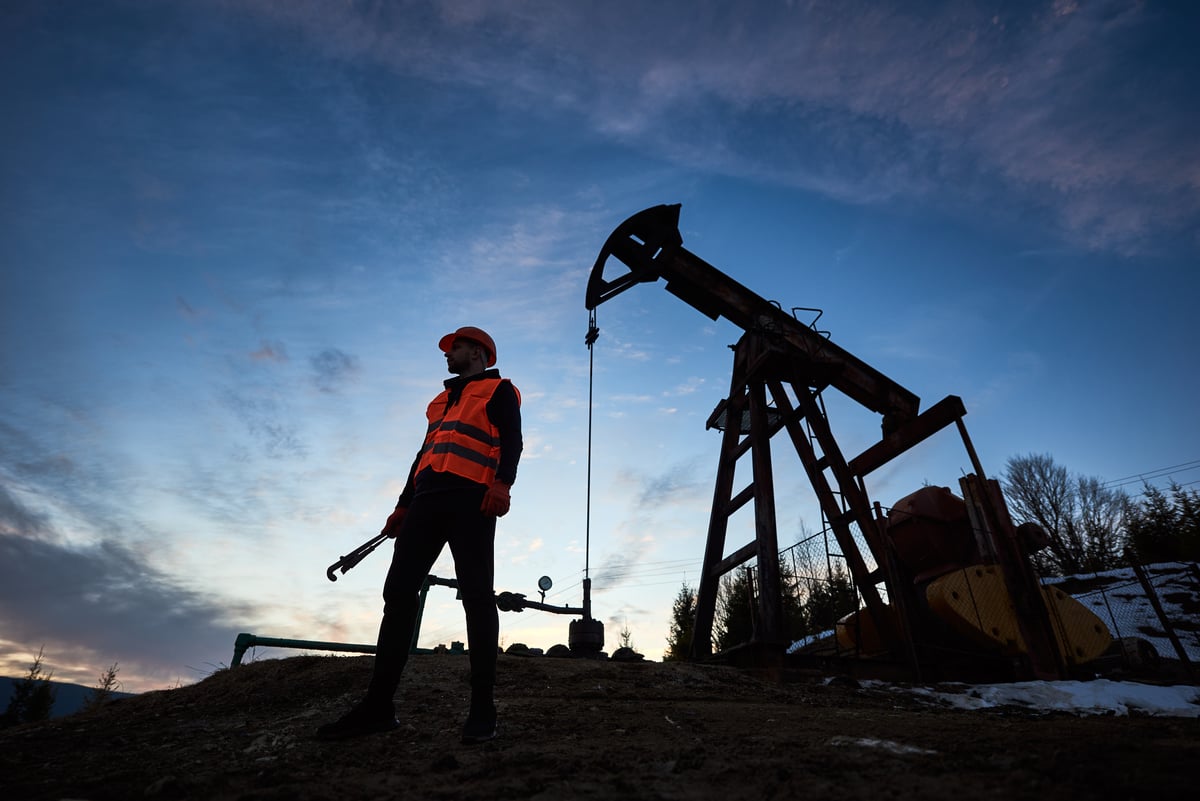
Iran War Causes Massive Global Oil Supply Shortage

- Severe Supply Disruption: The closure of the Strait of Hormuz has led to a 57% drop in Persian Gulf oil production from pre-war levels, resulting in a nearly 1 billion barrel supply shortage that Shell's CEO warns is worsening daily, threatening global oil supply stability.
- Accelerated Inventory Drawdown: With global oil consumption at approximately 100 million barrels per day, the industry is currently depleting stockpiles at a record pace of 11 to 12 million barrels daily, highlighting the urgent demand for oil that may persist for several months.
- Long Road to Recovery: Even if the Strait of Hormuz reopens immediately, oil production in the Persian Gulf won't recover quickly, with S&P Global estimating that most wells may take up to seven months to restart, exacerbating the supply crunch.
- Investment Strategy Shift: Given the likelihood of sustained high oil prices, investors should consider reducing exposure to energy-intensive sectors while increasing allocations to oil stocks to prepare for potential fuel shortages and price hikes.
See More

Global Oil Supply Gap Reaches 1 Billion Barrels
- Escalating Supply Shortage: The ongoing war with Iran has led to a global oil supply shortfall of nearly 1 billion barrels, a situation expected to worsen, which will keep oil prices elevated for the remainder of the year and pose fuel shortage risks for import-reliant Asian and European markets.
- Significant Production Decline: Oil production in the Persian Gulf has plummeted by 57% from pre-war levels, with the closure of the Strait of Hormuz preventing the global economy from meeting its daily demand of 100 million barrels, forcing the industry to deplete stockpiles at a record pace of 11 to 12 million barrels per day.
- Long Road to Recovery: Even if the Strait of Hormuz reopens immediately, Persian Gulf oil production will not return to normal overnight, with S&P Global estimating that it could take up to seven months to restart most wells, further exacerbating the supply crunch.
- Investor Strategy: Given the persistent high oil prices, investors should reduce exposure to energy-intensive sectors and increase allocations to oil stocks to prepare for potential supply shocks and price fluctuations in the future.
See More
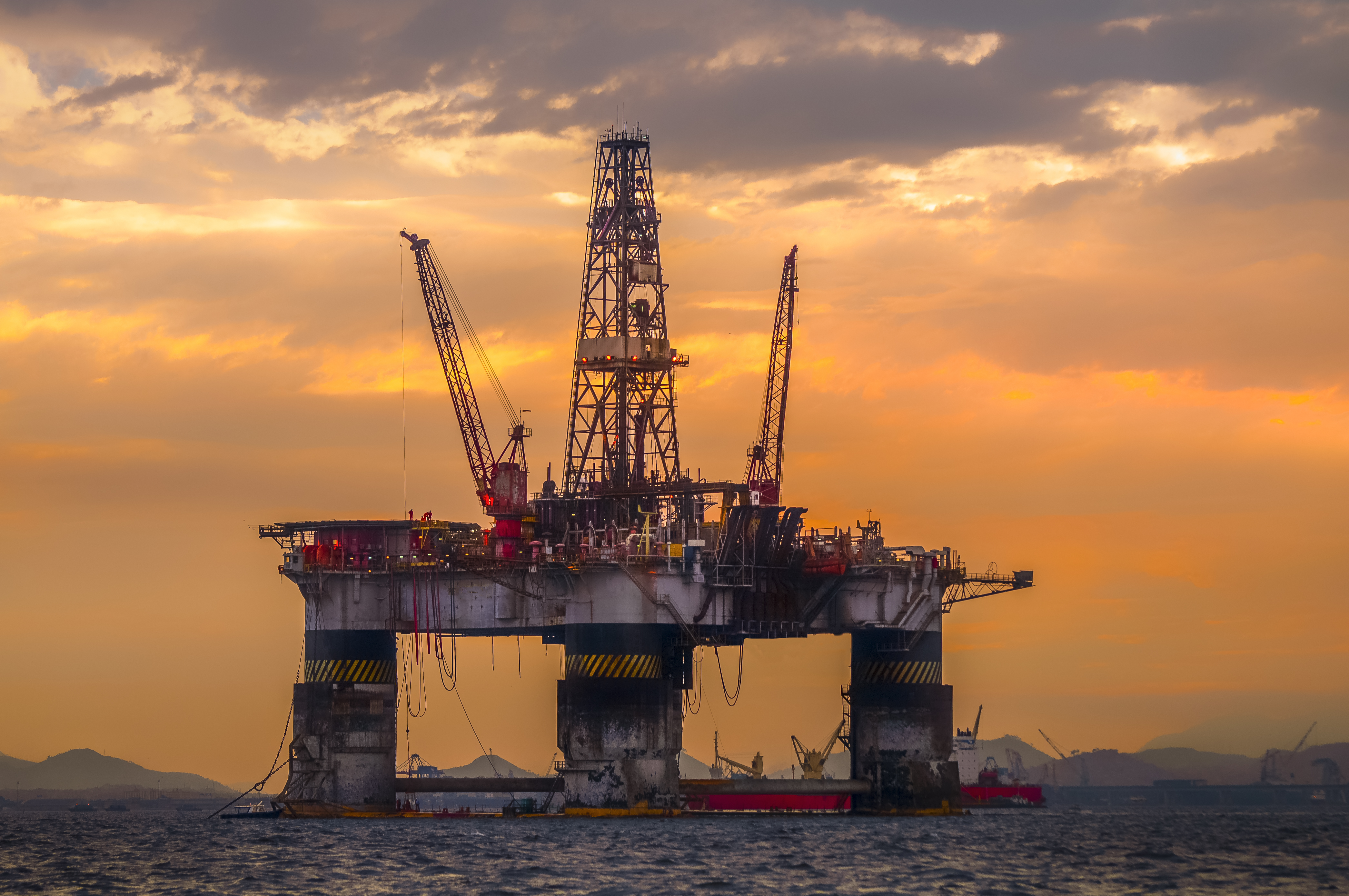
ConocoPhillips to Redevelop Norwegian Oilfields Boosting Gas Deliveries
- Project Approval: Norway's Ministry of Energy has approved ConocoPhillips' (COP) plans to redevelop previously producing oilfields, which is expected to significantly enhance gas deliveries to Europe, thereby strengthening the company's competitive position in the global energy market.
- Investment Scale: Conoco and its partners plan to invest approximately NOK 20 billion ($2.16 billion) to restart the Albuskjell, Vest Ekofisk, and Tommeliten Gamma fields that were shut down in 2019, demonstrating the company's confidence in the future oil and gas market.
- Resource Potential: The project is expected to deliver 90 million to 120 million barrels of oil equivalent in recoverable gas and condensate resources, with first production anticipated in Q4 2028, further solidifying Conoco's strategic position in the North Sea.
- Partnership Network: Conoco holds a 35.1% stake in both the Albuskjell and Vest Ekofisk fields and a 28.3% stake in Tommeliten Gamma, with partners including Var Energi, Orlen Upstream, and state-owned Petoro, creating a robust collaborative network to drive project success.
See More

Middle East Conflict Causes Global Oil Shortage

- Global Oil Shortage: Shell CEO Wael Sawan reported a current oil shortage of nearly one billion barrels, primarily due to locked-in and unproduced crude, with the gap deepening daily, indicating a long recovery process ahead.
- Limited Consumption Impact: Despite reduced oil supplies, jet fuel consumption in the airline industry has only declined by about 5%, reflecting a relatively mild demand destruction, yet the market faces the largest supply disruption in history.
- Strait of Hormuz Blockade: The International Energy Agency noted that Iran has effectively blockaded the Strait of Hormuz, impacting about 20% of global oil supplies, with normal export recovery expected to take months, disrupting global supply chains.
- Future Shortage Risks: ConocoPhillips executives warned that as summer approaches, import-dependent countries may face severe fuel shortages, particularly between June and July, as the impact of lost Middle Eastern oil supplies becomes increasingly apparent.
See More
U.S. Stock Market Retreats as Oil Prices Surge


- Market Retreat: The S&P 500 Index fell by 0.40%, the Dow Jones Industrial Average by 0.51%, and the Nasdaq 100 by 0.28%, indicating a retreat in market sentiment as rising oil prices weigh on investor confidence and raise concerns about future economic prospects.
- Strong Employment Data: Initial jobless claims in the U.S. rose by 10,000 to 200,000, indicating a stronger labor market than the expected 205,000, while continuing claims unexpectedly fell by 10,000 to a 2.25-year low of 1.766 million, showcasing economic resilience.
- Productivity and Costs: U.S. Q1 nonfarm productivity increased by 0.8%, surpassing expectations of 0.6%, while unit labor costs rose by 2.3%, below the anticipated 2.5%, which may influence future inflation expectations and Fed policy decisions.
- Fed Policy Outlook: Boston Fed President indicated that interest rates should remain at “mildly restrictive” levels, suggesting that if inflation trends worsen significantly, a reassessment of policy would be necessary, with markets pricing in only a 6% chance of a rate cut at the next FOMC meeting.
See More
Norway Approves ConocoPhillips' New Project
- Project Approval: Norway's energy ministry has approved ConocoPhillips' development and operating plans in the Greater Ekofisk area, a move expected to significantly enhance gas deliveries to Europe and strengthen the company's competitive position in international markets.
- Investment Scale: ConocoPhillips and its partners plan to invest approximately 20 billion Norwegian crowns (about $2.16 billion) to restart the Albuskjell, Vest Ekofisk, and Tommeliten Gamma fields, which were shut down in 2019, potentially generating substantial returns for the company.
- Resource Potential: The PPF project is expected to deliver between 90 million and 120 million barrels of recoverable gas and condensate, further solidifying ConocoPhillips' position in the energy market and meeting the increasing energy demands in Europe.
- Production Timeline: First gas production is anticipated to commence in the fourth quarter of 2028, providing the company with a long-term revenue stream and supporting its strategic positioning in the renewable energy transition.
See More
Iran War Causes Massive Global Oil Supply Shortage
- Severe Supply Disruption: The closure of the Strait of Hormuz has led to a 57% drop in Persian Gulf oil production from pre-war levels, resulting in a nearly 1 billion barrel supply shortage that Shell's CEO warns is worsening daily, threatening global oil supply stability.
- Accelerated Inventory Drawdown: With global oil consumption at approximately 100 million barrels per day, the industry is currently depleting stockpiles at a record pace of 11 to 12 million barrels daily, highlighting the urgent demand for oil that may persist for several months.
- Long Road to Recovery: Even if the Strait of Hormuz reopens immediately, oil production in the Persian Gulf won't recover quickly, with S&P Global estimating that most wells may take up to seven months to restart, exacerbating the supply crunch.
- Investment Strategy Shift: Given the likelihood of sustained high oil prices, investors should consider reducing exposure to energy-intensive sectors while increasing allocations to oil stocks to prepare for potential fuel shortages and price hikes.
See More
Global Oil Supply Gap Reaches 1 Billion Barrels
- Escalating Supply Shortage: The ongoing war with Iran has led to a global oil supply shortfall of nearly 1 billion barrels, a situation expected to worsen, which will keep oil prices elevated for the remainder of the year and pose fuel shortage risks for import-reliant Asian and European markets.
- Significant Production Decline: Oil production in the Persian Gulf has plummeted by 57% from pre-war levels, with the closure of the Strait of Hormuz preventing the global economy from meeting its daily demand of 100 million barrels, forcing the industry to deplete stockpiles at a record pace of 11 to 12 million barrels per day.
- Long Road to Recovery: Even if the Strait of Hormuz reopens immediately, Persian Gulf oil production will not return to normal overnight, with S&P Global estimating that it could take up to seven months to restart most wells, further exacerbating the supply crunch.
- Investor Strategy: Given the persistent high oil prices, investors should reduce exposure to energy-intensive sectors and increase allocations to oil stocks to prepare for potential supply shocks and price fluctuations in the future.
See More
ConocoPhillips to Redevelop Norwegian Oilfields Boosting Gas Deliveries
- Project Approval: Norway's Ministry of Energy has approved ConocoPhillips' (COP) plans to redevelop previously producing oilfields, which is expected to significantly enhance gas deliveries to Europe, thereby strengthening the company's competitive position in the global energy market.
- Investment Scale: Conoco and its partners plan to invest approximately NOK 20 billion ($2.16 billion) to restart the Albuskjell, Vest Ekofisk, and Tommeliten Gamma fields that were shut down in 2019, demonstrating the company's confidence in the future oil and gas market.
- Resource Potential: The project is expected to deliver 90 million to 120 million barrels of oil equivalent in recoverable gas and condensate resources, with first production anticipated in Q4 2028, further solidifying Conoco's strategic position in the North Sea.
- Partnership Network: Conoco holds a 35.1% stake in both the Albuskjell and Vest Ekofisk fields and a 28.3% stake in Tommeliten Gamma, with partners including Var Energi, Orlen Upstream, and state-owned Petoro, creating a robust collaborative network to drive project success.
See More
Middle East Conflict Causes Global Oil Shortage
- Global Oil Shortage: Shell CEO Wael Sawan reported a current oil shortage of nearly one billion barrels, primarily due to locked-in and unproduced crude, with the gap deepening daily, indicating a long recovery process ahead.
- Limited Consumption Impact: Despite reduced oil supplies, jet fuel consumption in the airline industry has only declined by about 5%, reflecting a relatively mild demand destruction, yet the market faces the largest supply disruption in history.
- Strait of Hormuz Blockade: The International Energy Agency noted that Iran has effectively blockaded the Strait of Hormuz, impacting about 20% of global oil supplies, with normal export recovery expected to take months, disrupting global supply chains.
- Future Shortage Risks: ConocoPhillips executives warned that as summer approaches, import-dependent countries may face severe fuel shortages, particularly between June and July, as the impact of lost Middle Eastern oil supplies becomes increasingly apparent.
See More
U.S. Stock Market Retreats as Oil Prices Surge
- Market Retreat: The S&P 500 Index fell by 0.40%, the Dow Jones Industrial Average by 0.51%, and the Nasdaq 100 by 0.28%, indicating a retreat in market sentiment as rising oil prices weigh on investor confidence and raise concerns about future economic prospects.
- Strong Employment Data: Initial jobless claims in the U.S. rose by 10,000 to 200,000, indicating a stronger labor market than the expected 205,000, while continuing claims unexpectedly fell by 10,000 to a 2.25-year low of 1.766 million, showcasing economic resilience.
- Productivity and Costs: U.S. Q1 nonfarm productivity increased by 0.8%, surpassing expectations of 0.6%, while unit labor costs rose by 2.3%, below the anticipated 2.5%, which may influence future inflation expectations and Fed policy decisions.
- Fed Policy Outlook: Boston Fed President indicated that interest rates should remain at “mildly restrictive” levels, suggesting that if inflation trends worsen significantly, a reassessment of policy would be necessary, with markets pricing in only a 6% chance of a rate cut at the next FOMC meeting.
See More