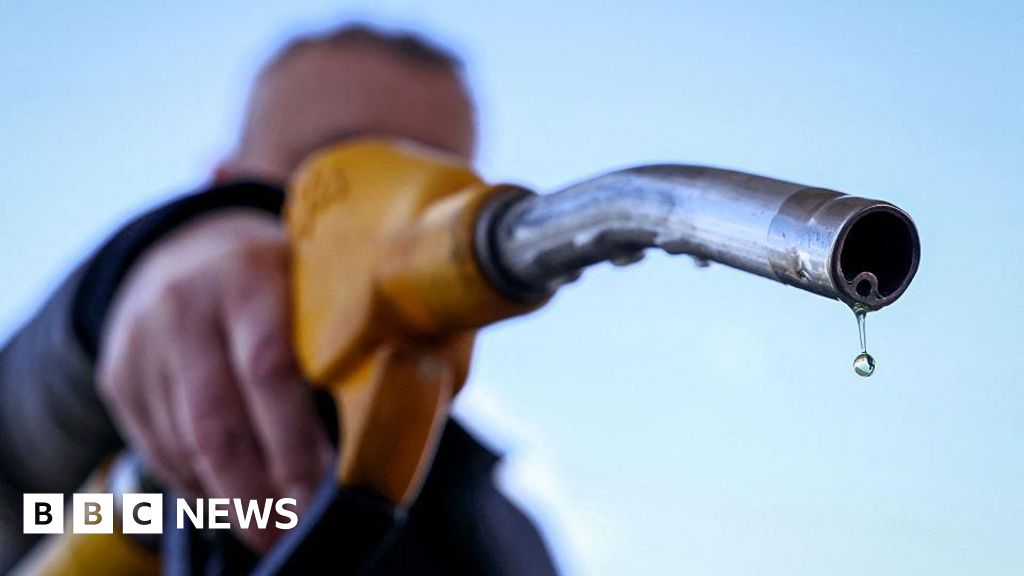
Oil Price Surge and the Paradox of Energy Independence
Written by Emily J. Thompson, Senior Investment Analyst
Updated: 1 day ago
0mins
Source: CNBC
- Oil Price Surge Context: The closure of the Strait of Hormuz has led to a reduction of over 14 million barrels in global daily supply, potentially driving oil prices to spike between $150 and $200 in the short term, reflecting market sensitivity to supply disruptions.
- Historical Lessons: In 2022, the price of oil surged from $90 to $139 following Russia's invasion of Ukraine, demonstrating the market's rapid response to unforeseen events, with current tensions suggesting a similar scenario could unfold, heightening investor anxiety.
- Economic Impact Analysis: Should oil prices reach $150, it would trigger rapid demand destruction, likely leading to an economic slowdown; although the service sector constitutes two-thirds of the U.S. economy, elevated oil prices will still increase living costs and affect consumer spending.
- Market Reaction Strategy: Despite the potential for rising oil prices to induce panic, history suggests that investors should remain calm and avoid selling stocks due to short-term volatility, as the market is likely to recover in the long run due to declining interest rates.
Trade with 70% Backtested Accuracy
Stop guessing "Should I Buy XOM?" and start using high-conviction signals backed by rigorous historical data.
Sign up today to access powerful investing tools and make smarter, data-driven decisions.
Analyst Views on XOM
Wall Street analysts forecast XOM stock price to fall
19 Analyst Rating
12 Buy
7 Hold
0 Sell
Moderate Buy
Current: 150.440

Low
114.00
Averages
132.17
High
158.00
Current: 150.440
Low
114.00
Averages
132.17
High
158.00
About XOM
Exxon Mobil Corporation is an energy provider and chemical manufacturer. The Company’s principal business involves exploration for, and production of, crude oil and natural gas; the manufacture, trade, transport and sale of crude oil, natural gas, petroleum products, petrochemicals and a wide variety of specialty products; and pursuit of lower-emission and other new business opportunities, including carbon capture and storage, hydrogen, lower-emission fuels, Proxxima systems, carbon materials, and lithium. Its Upstream segment explores for and produces crude oil and natural gas. The Energy Products, Chemical Products, and Specialty Products segments manufacture and sell petroleum products and petrochemicals. Energy Products segment includes fuels, aromatics, and catalysts and licensing. Chemical Products segment consists of olefins, polyolefins, and intermediates. Specialty Products segment includes finished lubricants, basestocks and waxes, synthetics, and elastomers and resins.
About the author

Emily J. Thompson
Emily J. Thompson, a Chartered Financial Analyst (CFA) with 12 years in investment research, graduated with honors from the Wharton School. Specializing in industrial and technology stocks, she provides in-depth analysis for Intellectia’s earnings and market brief reports.
ExxonMobil Board Proposes Redomiciliation to Texas

- Unanimous Board Decision: ExxonMobil's Board of Directors unanimously recommends shareholders approve the change of the company's legal domicile from New Jersey to Texas, believing this alignment with leadership and core operations since 1989 will enhance shareholder value.
- Texas Advantages: The Board highlighted Texas's recent efforts to create a favorable policy and regulatory environment for businesses, enabling the company to maximize shareholder value, with Texas's legal framework being stronger in certain aspects compared to New Jersey.
- Shareholder Rights Protection: The proposed redomiciliation will not affect business operations, management, strategy, assets, or employee locations, with the Board confirming that shareholder rights under Texas law are largely comparable to those in New Jersey, and in some areas, stronger.
- Shareholder Voting Arrangement: The proposal will be voted on at the 2026 Annual Meeting of Shareholders, with detailed information provided in the preliminary proxy statement filed with the U.S. Securities and Exchange Commission, ensuring shareholders are well-informed about the voting process.
See More

Global Conflict Threatens Market Stability

- Market Volatility Surge: The global conflict between Israel and the U.S. against Iran has caused the Chicago Board Options Exchange Volatility Index (VIX) to soar to 31, more than doubling since early 2026, indicating heightened uncertainty and panic in the market that could undermine investor confidence.
- Palantir's Growth: Palantir Technologies saw its U.S. commercial revenue grow by 109% in 2025 to $1.46 billion, showcasing its dual market potential in military and commercial sectors, particularly with its aggressive marketing of AI platforms, enhancing its competitive edge in future markets.
- ExxonMobil's Profitability: Despite a decline in overall revenue to $323.9 billion, ExxonMobil generated $28.8 billion in earnings and $52 billion in cash flow in 2025, demonstrating its robust profitability amid oil price fluctuations, especially following a 50% rise due to the ongoing conflict.
- Oil Price Impact Analysis: With the Iran conflict pushing oil prices above $100 per barrel, ExxonMobil's upstream revenue reached $11.3 billion in Q2 2022, highlighting its strong earnings potential in high oil price environments, and it is expected to leverage short-term profits to support long-term growth.
See More

Democrats Warn of Risks in Iran War Amid Conflicting Claims


- Funding Controversy: Democratic senators expressed strong opposition to President Trump's upcoming supplemental funding request for the Iran war, with Senator Warren stating a firm 'no' on additional funding, highlighting Congress's power to halt such actions and reflecting deep concerns over the war's continuation.
- Escalating War Costs: Reports indicate that U.S. military operations burned through $5.6 billion in munitions within the first two days, with estimated costs reaching approximately $891 million per day, which not only exacerbates fiscal burdens but also risks market volatility and soaring oil prices, impacting economic stability.
- Lack of Strategic Goals: Several senators noted after the briefing that the Trump administration failed to provide clear strategic objectives or timelines, with Senator Kelly remarking that 'they have no plan and no exit strategy,' further clouding the war's outlook.
- Market Reactions: Trump's statements previously led to a market surge and a significant drop in oil prices, yet Democrats warn that the ongoing conflict could lead to renewed market fluctuations, particularly as the security situation in the Strait of Hormuz remains precarious, affecting global oil prices and economic stability.
See More

Crude Oil Prices Rise Amid Iran-Israel Tensions, U.S. Energy ETF Remains Muted
- Geopolitical Impact: Crude oil prices are rising due to escalating tensions between Iran and Israel, yet the largest U.S. energy ETF has shown little movement, reflecting the complex dynamics in energy markets during geopolitical shocks.
- Investor Sentiment: Investors typically perceive oil rallies amid geopolitical events as a 'risk premium,' leading to a cautious approach towards energy equities, especially in high uncertainty scenarios.
- ETF Structure Influence: The ETF's top ten holdings account for over three-quarters of its portfolio, meaning that the performance of a few mega-cap companies can significantly sway the ETF's overall performance, resulting in energy stocks not reacting as expected to the oil price surge.
- Market Divergence: The current divergence in market reactions has sparked a broader debate among investors regarding whether oil price rallies indicate a long-term shift in energy markets or are merely a short-term geopolitical shock.
See More

U.S. Gas Prices Surge to Highest Level Since 2024

- Price Surge: The average price of unleaded gas in the U.S. has climbed to about $3.54 per gallon, marking the highest level since 2024 and a 21% increase from a month ago, directly impacting consumer living costs.
- Supply Chain Crisis: The conflict between the U.S. and Iran has disrupted the crucial Strait of Hormuz, leading to the largest three-day price jump since Hurricane Katrina in 2005, highlighting the vulnerability of the global oil market.
- Political Ramifications: The rise in gas prices threatens Trump's commitment to lowering living costs, a key pillar of his reelection campaign, which could influence the outcomes of the upcoming midterm elections.
- Market Volatility: U.S. crude oil prices are fluctuating around $84 per barrel after surpassing $100 earlier this week, with analysts indicating that future price movements will depend on the duration of market disruptions.
See More
IEA Holds Extraordinary Meeting on Possible Oil Reserve Release
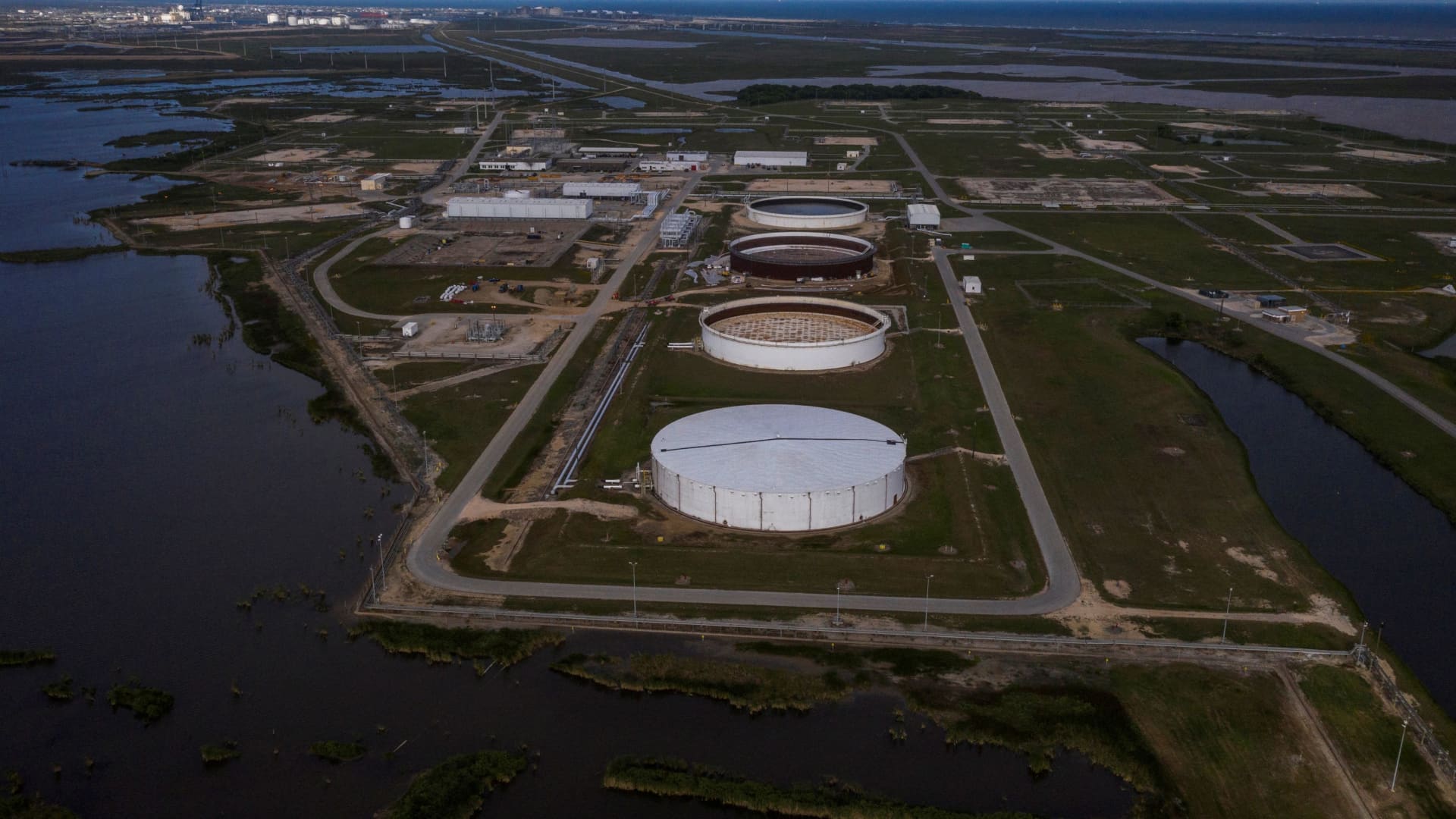
- Extraordinary Meeting: The International Energy Agency (IEA) will convene an extraordinary meeting on Tuesday to discuss the potential release of oil reserves due to supply disruptions caused by the Iran war, which is expected to impact the global oil market.
- Reserve Assessment: IEA Executive Director Fatih Birol stated that member countries will assess current supply security and market conditions to determine whether to release emergency stocks, with members collectively holding about 1.2 billion barrels in reserve.
- Price Volatility: Oil prices fell more than 11% as the market anticipates a release of oil stocks, after surging to nearly $120 per barrel on Monday due to supply disruptions, indicating the market's acute sensitivity to supply security.
- Global Consequences: Saudi Aramco's CEO warned that the Iran war will have
See More
ExxonMobil Board Proposes Redomiciliation to Texas
- Unanimous Board Decision: ExxonMobil's Board of Directors unanimously recommends shareholders approve the change of the company's legal domicile from New Jersey to Texas, believing this alignment with leadership and core operations since 1989 will enhance shareholder value.
- Texas Advantages: The Board highlighted Texas's recent efforts to create a favorable policy and regulatory environment for businesses, enabling the company to maximize shareholder value, with Texas's legal framework being stronger in certain aspects compared to New Jersey.
- Shareholder Rights Protection: The proposed redomiciliation will not affect business operations, management, strategy, assets, or employee locations, with the Board confirming that shareholder rights under Texas law are largely comparable to those in New Jersey, and in some areas, stronger.
- Shareholder Voting Arrangement: The proposal will be voted on at the 2026 Annual Meeting of Shareholders, with detailed information provided in the preliminary proxy statement filed with the U.S. Securities and Exchange Commission, ensuring shareholders are well-informed about the voting process.
See More
Global Conflict Threatens Market Stability
- Market Volatility Surge: The global conflict between Israel and the U.S. against Iran has caused the Chicago Board Options Exchange Volatility Index (VIX) to soar to 31, more than doubling since early 2026, indicating heightened uncertainty and panic in the market that could undermine investor confidence.
- Palantir's Growth: Palantir Technologies saw its U.S. commercial revenue grow by 109% in 2025 to $1.46 billion, showcasing its dual market potential in military and commercial sectors, particularly with its aggressive marketing of AI platforms, enhancing its competitive edge in future markets.
- ExxonMobil's Profitability: Despite a decline in overall revenue to $323.9 billion, ExxonMobil generated $28.8 billion in earnings and $52 billion in cash flow in 2025, demonstrating its robust profitability amid oil price fluctuations, especially following a 50% rise due to the ongoing conflict.
- Oil Price Impact Analysis: With the Iran conflict pushing oil prices above $100 per barrel, ExxonMobil's upstream revenue reached $11.3 billion in Q2 2022, highlighting its strong earnings potential in high oil price environments, and it is expected to leverage short-term profits to support long-term growth.
See More
Democrats Warn of Risks in Iran War Amid Conflicting Claims
- Funding Controversy: Democratic senators expressed strong opposition to President Trump's upcoming supplemental funding request for the Iran war, with Senator Warren stating a firm 'no' on additional funding, highlighting Congress's power to halt such actions and reflecting deep concerns over the war's continuation.
- Escalating War Costs: Reports indicate that U.S. military operations burned through $5.6 billion in munitions within the first two days, with estimated costs reaching approximately $891 million per day, which not only exacerbates fiscal burdens but also risks market volatility and soaring oil prices, impacting economic stability.
- Lack of Strategic Goals: Several senators noted after the briefing that the Trump administration failed to provide clear strategic objectives or timelines, with Senator Kelly remarking that 'they have no plan and no exit strategy,' further clouding the war's outlook.
- Market Reactions: Trump's statements previously led to a market surge and a significant drop in oil prices, yet Democrats warn that the ongoing conflict could lead to renewed market fluctuations, particularly as the security situation in the Strait of Hormuz remains precarious, affecting global oil prices and economic stability.
See More
Crude Oil Prices Rise Amid Iran-Israel Tensions, U.S. Energy ETF Remains Muted
- Geopolitical Impact: Crude oil prices are rising due to escalating tensions between Iran and Israel, yet the largest U.S. energy ETF has shown little movement, reflecting the complex dynamics in energy markets during geopolitical shocks.
- Investor Sentiment: Investors typically perceive oil rallies amid geopolitical events as a 'risk premium,' leading to a cautious approach towards energy equities, especially in high uncertainty scenarios.
- ETF Structure Influence: The ETF's top ten holdings account for over three-quarters of its portfolio, meaning that the performance of a few mega-cap companies can significantly sway the ETF's overall performance, resulting in energy stocks not reacting as expected to the oil price surge.
- Market Divergence: The current divergence in market reactions has sparked a broader debate among investors regarding whether oil price rallies indicate a long-term shift in energy markets or are merely a short-term geopolitical shock.
See More
U.S. Gas Prices Surge to Highest Level Since 2024
- Price Surge: The average price of unleaded gas in the U.S. has climbed to about $3.54 per gallon, marking the highest level since 2024 and a 21% increase from a month ago, directly impacting consumer living costs.
- Supply Chain Crisis: The conflict between the U.S. and Iran has disrupted the crucial Strait of Hormuz, leading to the largest three-day price jump since Hurricane Katrina in 2005, highlighting the vulnerability of the global oil market.
- Political Ramifications: The rise in gas prices threatens Trump's commitment to lowering living costs, a key pillar of his reelection campaign, which could influence the outcomes of the upcoming midterm elections.
- Market Volatility: U.S. crude oil prices are fluctuating around $84 per barrel after surpassing $100 earlier this week, with analysts indicating that future price movements will depend on the duration of market disruptions.
See More
IEA Holds Extraordinary Meeting on Possible Oil Reserve Release
- Extraordinary Meeting: The International Energy Agency (IEA) will convene an extraordinary meeting on Tuesday to discuss the potential release of oil reserves due to supply disruptions caused by the Iran war, which is expected to impact the global oil market.
- Reserve Assessment: IEA Executive Director Fatih Birol stated that member countries will assess current supply security and market conditions to determine whether to release emergency stocks, with members collectively holding about 1.2 billion barrels in reserve.
- Price Volatility: Oil prices fell more than 11% as the market anticipates a release of oil stocks, after surging to nearly $120 per barrel on Monday due to supply disruptions, indicating the market's acute sensitivity to supply security.
- Global Consequences: Saudi Aramco's CEO warned that the Iran war will have
See More