Nvidia's Optimistic Outlook on AI Spending
Written by Emily J. Thompson, Senior Investment Analyst
Updated: Mar 16 2026
0mins


Should l Buy NVDA?
Source: NASDAQ.COM
- Data Center Spending Outlook: CEO Jensen Huang anticipates that data center spending could reach $3 trillion to $4 trillion by 2030, indicating that rapid AI demand will drive market expansion, potentially achieving annual growth rates between 32% and 41%.
- Evolution of Reasoning Models: As the complexity of reasoning models increases, demand for Nvidia's GPUs is expected to rise significantly; Huang noted that these models not only solve multistep problems but also broaden AI use cases, further solidifying Nvidia's leadership in AI infrastructure.
- Strengthened Competitive Advantage: By providing comprehensive data center solutions, Nvidia optimizes performance and energy efficiency, ensuring the lowest cost per processing unit, which enhances cloud service providers' profitability and creates a strong competitive moat.
- Broad Market Prospects: Wall Street estimates Nvidia's earnings will grow at 38% annually over the next three years, making the current valuation of 37 times earnings very attractive, suggesting that long-term investors should consider increasing their positions in the stock to capitalize on future growth opportunities.
Trade with 70% Backtested Accuracy
Stop guessing "Should I Buy NVDA?" and start using high-conviction signals backed by rigorous historical data.
Sign up today to access powerful investing tools and make smarter, data-driven decisions.
Analyst Views on NVDA
Wall Street analysts forecast NVDA stock price to rise
41 Analyst Rating
39 Buy
1 Hold
1 Sell
Strong Buy
Current: 202.060

Low
200.00
Averages
264.97
High
352.00
Current: 202.060
Low
200.00
Averages
264.97
High
352.00
About NVDA
NVIDIA Corporation is an artificial intelligence (AI) infrastructure company. The Company is engaged in accelerated computing to help solve the challenging computational problems. Its segments include Compute & Networking and Graphics. The Compute & Networking segment includes its Data Center accelerated computing and networking platforms and AI solutions and software, and automotive platforms and autonomous and electric vehicle solutions, including software. The Graphics segment includes GeForce GPUs for gaming and personal computers (PCs), and Quadro/NVIDIA RTX GPUs for enterprise workstation graphics. Its technology stack includes the foundational NVIDIA CUDA development platform that runs on all NVIDIA GPUs, as well as hundreds of domain-specific software libraries, frameworks, algorithms, software development kits (SDKs), and application programming interfaces (APIs). Its platforms address four markets, which include Data Center, Gaming, Professional Visualization, and Automotive.
About the author

Emily J. Thompson
Emily J. Thompson, a Chartered Financial Analyst (CFA) with 12 years in investment research, graduated with honors from the Wharton School. Specializing in industrial and technology stocks, she provides in-depth analysis for Intellectia’s earnings and market brief reports.

Nvidia Set to Release Q1 2027 Fiscal Results Amid AI Dominance

- Earnings Forecast: Nvidia anticipates Q1 2027 sales of $78 billion, representing a 77% increase year-over-year, with a projected gross margin of 74.9%, indicating robust market demand and profitability.
- Competitive Advantage: Despite increasing external competition, Nvidia's GPUs maintain clear advantages in computational power, and persistent GPU scarcity allows the company to sell hardware at premium prices, solidifying its market position in enterprise data centers.
- Stock Volatility: Historical data shows that Nvidia's stock typically declines after earnings releases, with five out of the last seven quarters experiencing a drop, averaging a 3% loss, reflecting overly optimistic market expectations.
- Investor Caution: While Nvidia's results often exceed analyst forecasts, the optimistic sentiment surrounding AI technology may pose bubble risks, prompting investors to carefully consider their investment decisions following the earnings report.
See More

AI Startup Cursor in Talks for $2B Fundraising at $50B Valuation
- Fundraising Plans: AI startup Cursor is in discussions to raise a $2 billion funding round, with an expected valuation exceeding $50 billion, which will further propel its market expansion and technological innovation.
- Investor Lineup: Andreessen Horowitz is set to co-lead this funding round, with Nvidia and Thrive Capital also expected to participate, reflecting strong confidence in Cursor's future growth from these previously involved investors.
- Historical Funding Review: Last November, Cursor raised approximately $2.3 billion in a Series D funding round, achieving a post-money valuation of $29.3 billion, attracting existing investors like Accel, Thrive, and Andreessen Horowitz, along with new partners such as Coatue, Nvidia, and Alphabet.
- Technology Updates: In February, Cursor released various updates aimed at assisting software developers, including enabling AI agents to test coding changes and record their actions through videos, logs, and screenshots, thereby enhancing development efficiency.
See More
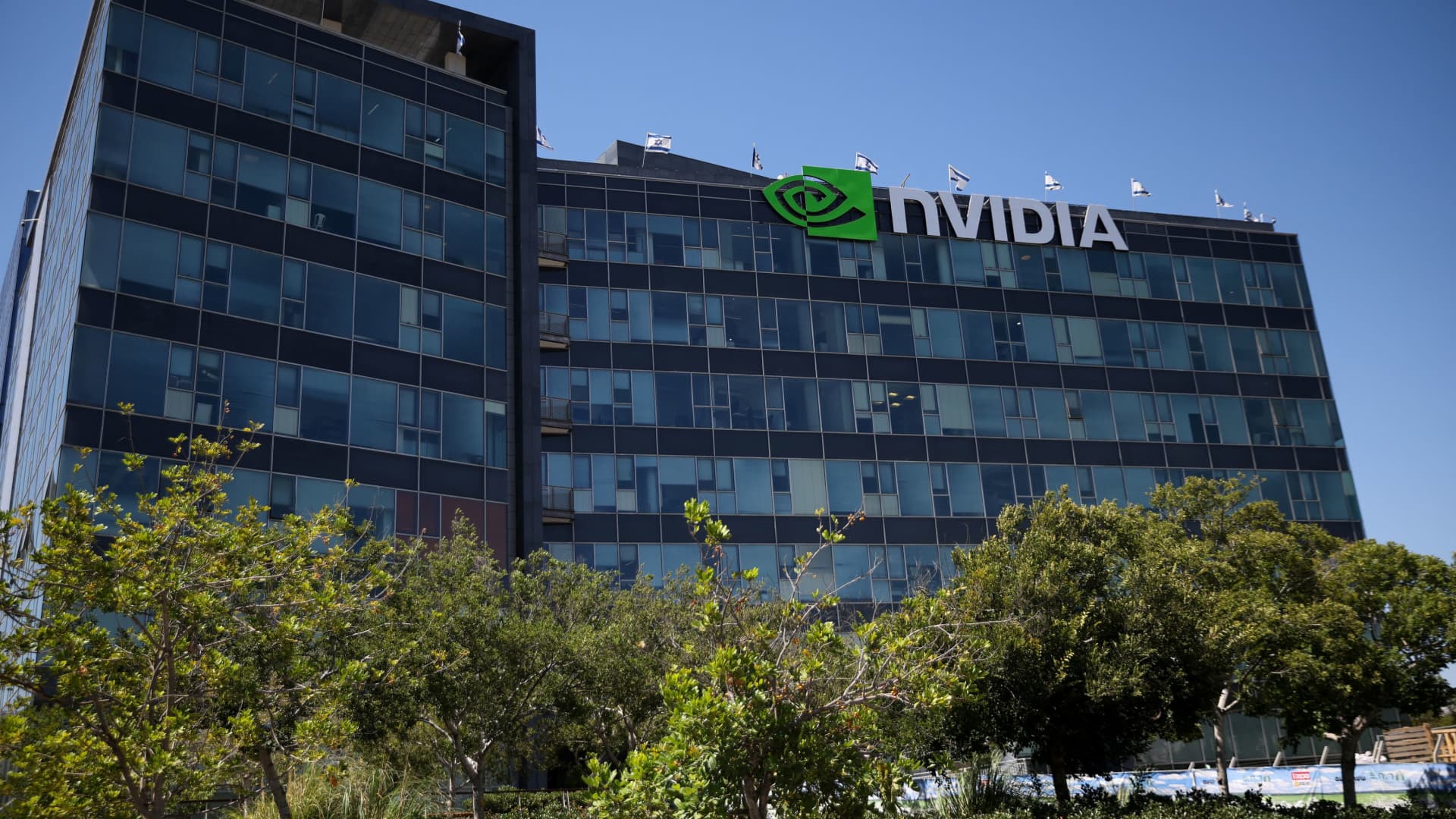
Latest Wall Street Ratings Overview


- Cybersecurity Investment Opportunity: Berenberg initiates coverage on Palo Alto Networks with a buy rating, highlighting its status as a 'best-in-class' player in cybersecurity, combining multiple growth engines and strong product breadth, which is expected to attract more investor interest in its sustained growth potential.
- Optimistic Tesla Outlook: Bank of America reiterates Tesla as a buy, anticipating that the upcoming Q1 earnings report will focus on its robotaxi deployments aimed at disrupting the rideshare market and capturing a portion of the $1 trillion market opportunity, showcasing its strategic advantage amid increasing competition.
- Packaging Industry Growth Potential: Raymond James upgrades Ball Corp to outperform, citing the company's strong performance in cost pass-throughs and structural support for the beverage sector, predicting it will achieve outsized growth compared to its packaging peers.
- Biopharma Market Prospects: Canaccord initiates AbbVie with a buy rating and a price target of $262, emphasizing its position as a 'core holding' and showcasing its strong growth potential and market appeal in the biopharmaceutical sector.
See More

Apple's New CEO Takes Over Amid Optimistic Market Outlook


- Apple Leadership Change: Apple announced that Senior Vice President of Hardware Engineering John Ternus will take over as CEO on September 1, succeeding Tim Cook, who has led the company to a market cap increase of over 20 times to $4 trillion since 2011, presenting Ternus with significant leadership challenges.
- UnitedHealth Earnings Beat: UnitedHealth reported strong quarterly results with a medical benefit ratio of 83.9%, better than the 85.5% consensus, leading to a more than 7% increase in shares, alongside a plan to buy back at least $2 billion in stock by Q2, indicating robust financial health.
- GE Aerospace Performance: GE Aerospace's quarterly results exceeded expectations with orders rising 87% to $23 billion and revenue increasing 25% to $12.39 billion, and despite travel issues in Asia and the U.S., management maintained prior guidance, reflecting ongoing improvements in the defense sector.
- Amazon's Increased Investment: Amazon is boosting its investment in AI company Anthropic by an additional $5 billion, with an option for $20 billion more upon achieving commercial milestones, aiming to reduce reliance on Nvidia and address the growing demand for computing power, showcasing Amazon's strategic positioning in the AI landscape.
See More

AI Surge Drives Energy Demand Explosion


- Surge in Energy Demand: Data center electricity demand is projected to double from approximately 448 TWh in 2025 to nearly 980 TWh by 2030, with AI-optimized servers accounting for 44%, indicating that the energy-intensive nature of AI training and inference is becoming a critical constraint in infrastructure planning.
- Infrastructure Bottlenecks: As energy demand surges, many electrical grids are struggling with outdated designs that cannot accommodate the continuous high loads of modern data centers, leading to project delays and constraints on technological progress, highlighting the urgent need for new energy solutions to alleviate these bottlenecks.
- Focus on Localized Generation: American Fusion is concentrating on localized, high-output energy generation, aiming to reduce reliance on centralized grids by providing dedicated power sources for high-demand applications like data centers, thereby addressing the growing energy needs effectively.
- From Innovation to Execution: As technologies mature, the industry is shifting from research-driven innovation to execution-focused development, with American Fusion reflecting this trend by emphasizing the construction of both technological capabilities and operational infrastructure, ensuring its critical role in future energy solutions.
See More
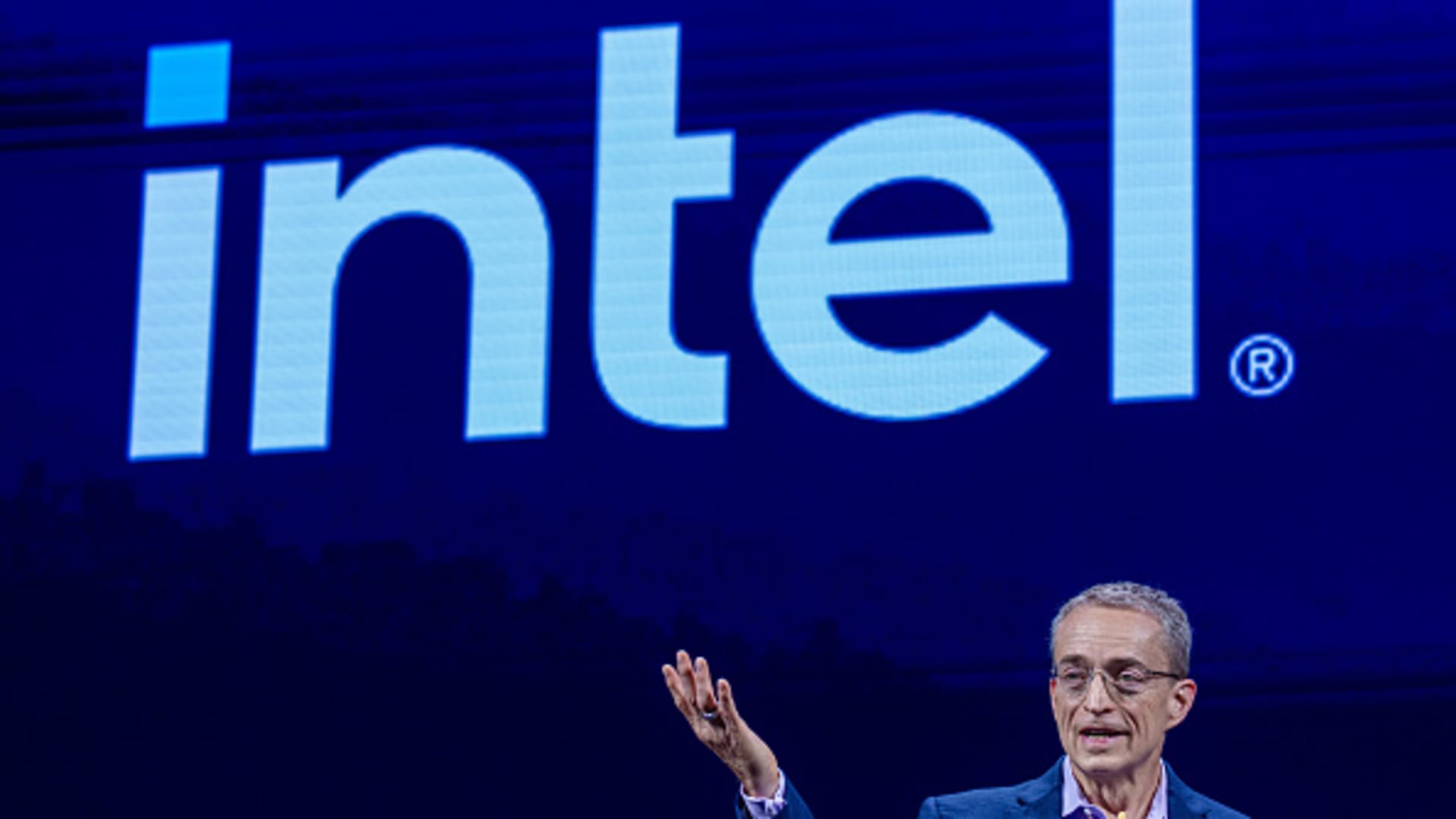
Syenta Raises $26 Million to Revolutionize AI Chip Manufacturing

- Funding Achievement: Syenta announced it has raised $26 million to develop a new manufacturing technique aimed at alleviating persistent supply chain bottlenecks in the AI sector, reflecting strong market confidence in its innovative potential.
- U.S. Office Establishment: The company plans to open a new office in Arizona, strategically located near Intel and TSMC manufacturing facilities, which will enhance collaboration with major chip manufacturers and improve competitive positioning.
- Technological Innovation: Syenta's new technology electrochemically transfers copper wiring, reducing manufacturing steps by 40% and significantly shortening production time from several hours to minutes, which will greatly enhance production efficiency and lower costs.
- Future Production Goals: Syenta aims to collaborate with several chip designers and targets high-volume production by 2028, indicating its pursuit of long-term growth opportunities in the rapidly evolving AI chip market.
See More
Nvidia Set to Release Q1 2027 Fiscal Results Amid AI Dominance
- Earnings Forecast: Nvidia anticipates Q1 2027 sales of $78 billion, representing a 77% increase year-over-year, with a projected gross margin of 74.9%, indicating robust market demand and profitability.
- Competitive Advantage: Despite increasing external competition, Nvidia's GPUs maintain clear advantages in computational power, and persistent GPU scarcity allows the company to sell hardware at premium prices, solidifying its market position in enterprise data centers.
- Stock Volatility: Historical data shows that Nvidia's stock typically declines after earnings releases, with five out of the last seven quarters experiencing a drop, averaging a 3% loss, reflecting overly optimistic market expectations.
- Investor Caution: While Nvidia's results often exceed analyst forecasts, the optimistic sentiment surrounding AI technology may pose bubble risks, prompting investors to carefully consider their investment decisions following the earnings report.
See More
AI Startup Cursor in Talks for $2B Fundraising at $50B Valuation
- Fundraising Plans: AI startup Cursor is in discussions to raise a $2 billion funding round, with an expected valuation exceeding $50 billion, which will further propel its market expansion and technological innovation.
- Investor Lineup: Andreessen Horowitz is set to co-lead this funding round, with Nvidia and Thrive Capital also expected to participate, reflecting strong confidence in Cursor's future growth from these previously involved investors.
- Historical Funding Review: Last November, Cursor raised approximately $2.3 billion in a Series D funding round, achieving a post-money valuation of $29.3 billion, attracting existing investors like Accel, Thrive, and Andreessen Horowitz, along with new partners such as Coatue, Nvidia, and Alphabet.
- Technology Updates: In February, Cursor released various updates aimed at assisting software developers, including enabling AI agents to test coding changes and record their actions through videos, logs, and screenshots, thereby enhancing development efficiency.
See More
Latest Wall Street Ratings Overview
- Cybersecurity Investment Opportunity: Berenberg initiates coverage on Palo Alto Networks with a buy rating, highlighting its status as a 'best-in-class' player in cybersecurity, combining multiple growth engines and strong product breadth, which is expected to attract more investor interest in its sustained growth potential.
- Optimistic Tesla Outlook: Bank of America reiterates Tesla as a buy, anticipating that the upcoming Q1 earnings report will focus on its robotaxi deployments aimed at disrupting the rideshare market and capturing a portion of the $1 trillion market opportunity, showcasing its strategic advantage amid increasing competition.
- Packaging Industry Growth Potential: Raymond James upgrades Ball Corp to outperform, citing the company's strong performance in cost pass-throughs and structural support for the beverage sector, predicting it will achieve outsized growth compared to its packaging peers.
- Biopharma Market Prospects: Canaccord initiates AbbVie with a buy rating and a price target of $262, emphasizing its position as a 'core holding' and showcasing its strong growth potential and market appeal in the biopharmaceutical sector.
See More
Apple's New CEO Takes Over Amid Optimistic Market Outlook
- Apple Leadership Change: Apple announced that Senior Vice President of Hardware Engineering John Ternus will take over as CEO on September 1, succeeding Tim Cook, who has led the company to a market cap increase of over 20 times to $4 trillion since 2011, presenting Ternus with significant leadership challenges.
- UnitedHealth Earnings Beat: UnitedHealth reported strong quarterly results with a medical benefit ratio of 83.9%, better than the 85.5% consensus, leading to a more than 7% increase in shares, alongside a plan to buy back at least $2 billion in stock by Q2, indicating robust financial health.
- GE Aerospace Performance: GE Aerospace's quarterly results exceeded expectations with orders rising 87% to $23 billion and revenue increasing 25% to $12.39 billion, and despite travel issues in Asia and the U.S., management maintained prior guidance, reflecting ongoing improvements in the defense sector.
- Amazon's Increased Investment: Amazon is boosting its investment in AI company Anthropic by an additional $5 billion, with an option for $20 billion more upon achieving commercial milestones, aiming to reduce reliance on Nvidia and address the growing demand for computing power, showcasing Amazon's strategic positioning in the AI landscape.
See More
AI Surge Drives Energy Demand Explosion
- Surge in Energy Demand: Data center electricity demand is projected to double from approximately 448 TWh in 2025 to nearly 980 TWh by 2030, with AI-optimized servers accounting for 44%, indicating that the energy-intensive nature of AI training and inference is becoming a critical constraint in infrastructure planning.
- Infrastructure Bottlenecks: As energy demand surges, many electrical grids are struggling with outdated designs that cannot accommodate the continuous high loads of modern data centers, leading to project delays and constraints on technological progress, highlighting the urgent need for new energy solutions to alleviate these bottlenecks.
- Focus on Localized Generation: American Fusion is concentrating on localized, high-output energy generation, aiming to reduce reliance on centralized grids by providing dedicated power sources for high-demand applications like data centers, thereby addressing the growing energy needs effectively.
- From Innovation to Execution: As technologies mature, the industry is shifting from research-driven innovation to execution-focused development, with American Fusion reflecting this trend by emphasizing the construction of both technological capabilities and operational infrastructure, ensuring its critical role in future energy solutions.
See More
Syenta Raises $26 Million to Revolutionize AI Chip Manufacturing
- Funding Achievement: Syenta announced it has raised $26 million to develop a new manufacturing technique aimed at alleviating persistent supply chain bottlenecks in the AI sector, reflecting strong market confidence in its innovative potential.
- U.S. Office Establishment: The company plans to open a new office in Arizona, strategically located near Intel and TSMC manufacturing facilities, which will enhance collaboration with major chip manufacturers and improve competitive positioning.
- Technological Innovation: Syenta's new technology electrochemically transfers copper wiring, reducing manufacturing steps by 40% and significantly shortening production time from several hours to minutes, which will greatly enhance production efficiency and lower costs.
- Future Production Goals: Syenta aims to collaborate with several chip designers and targets high-volume production by 2028, indicating its pursuit of long-term growth opportunities in the rapidly evolving AI chip market.
See More