New Law Protects Homebuyers' Privacy
Written by Emily J. Thompson, Senior Investment Analyst
Updated: Mar 04 2026
0mins
Should l Buy TREE?
Source: Newsfilter
- Legislative Support: LendingTree expresses strong support for the upcoming Homebuyers Privacy Protection Act, which aims to amend the Fair Credit Reporting Act to curb abusive mortgage trigger lead practices, thereby enhancing consumer trust and market transparency.
- Trigger Lead Phenomenon: A LendingTree survey revealed that 56% of loan applicants received between 10 to 50 unsolicited communications after applying, a situation that not only confuses consumers but also impacts their loan decision-making process, making the legislation's implementation crucial for reducing such occurrences.
- Optimized Competitive Environment: The new law mandates that lenders using trigger leads must provide a firm credit offer and obtain consumer authorization before contacting borrowers, a measure designed to reduce opportunistic marketing while maintaining legitimate competition, ensuring consumers have more control over their loan choices.
- Enhanced Market Transparency: LendingTree CEO Scott Peyree emphasizes that the new legislation will foster healthy competition based on price, service, and product value rather than the volume and speed of outbound calls, thereby creating a better market environment for consumers and responsible lenders.
Trade with 70% Backtested Accuracy
Stop guessing "Should I Buy TREE?" and start using high-conviction signals backed by rigorous historical data.
Sign up today to access powerful investing tools and make smarter, data-driven decisions.
Analyst Views on TREE
Wall Street analysts forecast TREE stock price to rise
6 Analyst Rating
6 Buy
0 Hold
0 Sell
Strong Buy
Current: 42.200

Low
72.00
Averages
81.33
High
85.00
Current: 42.200
Low
72.00
Averages
81.33
High
85.00
About TREE
LendingTree, Inc. operates LendingTree.com, an online financial services marketplace. The Company provides customers with access to offers on loans, credit cards, insurance and more through its network of approximately 430 financial partners. Its segments include Home, Consumer, and Insurance. The Home segment includes products, such as purchase mortgage, refinance mortgage, and home equity loans and lines of credit. Its Consumer segment includes products, such as credit cards, personal loans, small business loans, auto loans, deposit accounts, and other credit products such as debt settlement. The Insurance segment consists of insurance quote products and insurance policies in its agency businesses. It helps customers obtain financing, save money, and improve their financial and credit health in their personal journeys. With a portfolio of products and tools and personalized financial recommendations, the Company helps customers achieve everyday financial wins.
About the author

Emily J. Thompson
Emily J. Thompson, a Chartered Financial Analyst (CFA) with 12 years in investment research, graduated with honors from the Wharton School. Specializing in industrial and technology stocks, she provides in-depth analysis for Intellectia’s earnings and market brief reports.

Single Women Outpace Men in Homebuying Trends


- Income Disparity Reversal: According to the National Association of Realtors, first-time single women homebuyers have a median income of $73,000, surpassing single men's $66,400, marking a potential shift in long-term homebuying trends favoring women.
- Rising Homebuyer Proportion: Single women account for 25% of first-time homebuyers compared to 10% for single men, a significant increase from 11% and 9% in 1985, indicating a growing recognition of homeownership as a wealth-building tool among women.
- Mismatch of Home Prices and Income: From 2000 to 2024, median household income rose by approximately 155%, while home prices surged by about 207%, creating substantial challenges for single buyers, particularly women relying on a single income to qualify for mortgages.
- Financial Sacrifices for Goals: Among single women buyers, 41% reported making financial sacrifices to save for a down payment, compared to 31% of men, highlighting women's commitment to achieving homeownership and financial independence despite economic hurdles.
See More

Impact of Sports Betting on Household Finances


- Surge in Betting Expenditure: The American Gaming Association estimates that legal sports betting for this year's NCAA men's and women's basketball tournaments will reach $3.3 billion, marking a 54% increase over the past three years, indicating a rapid rise in sports betting participation, which may strain household financial stability.
- Deteriorating Credit Health: A report from the New York Federal Reserve highlights an increase in credit delinquencies in states with legalized betting, particularly among those under 40, suggesting that gambling may significantly impact young consumers' financial health and lead to higher bankruptcy risks.
- Declining Credit Scores: According to FICO, the national average credit score has dropped to 714, down two points from last year, primarily due to the resumption of student loan and mortgage delinquency reporting, reflecting an overall deterioration in consumer credit health.
- Economic Divergence: While some consumers face worsening credit conditions, FICO also notes a growing number of consumers exhibiting strong credit behaviors at both ends of the scoring spectrum, indicating a K-shaped recovery in the economy, where some borrowers are experiencing increased financial pressure.
See More
Federal Reserve Holds Rates Steady Amid Inflation Concerns
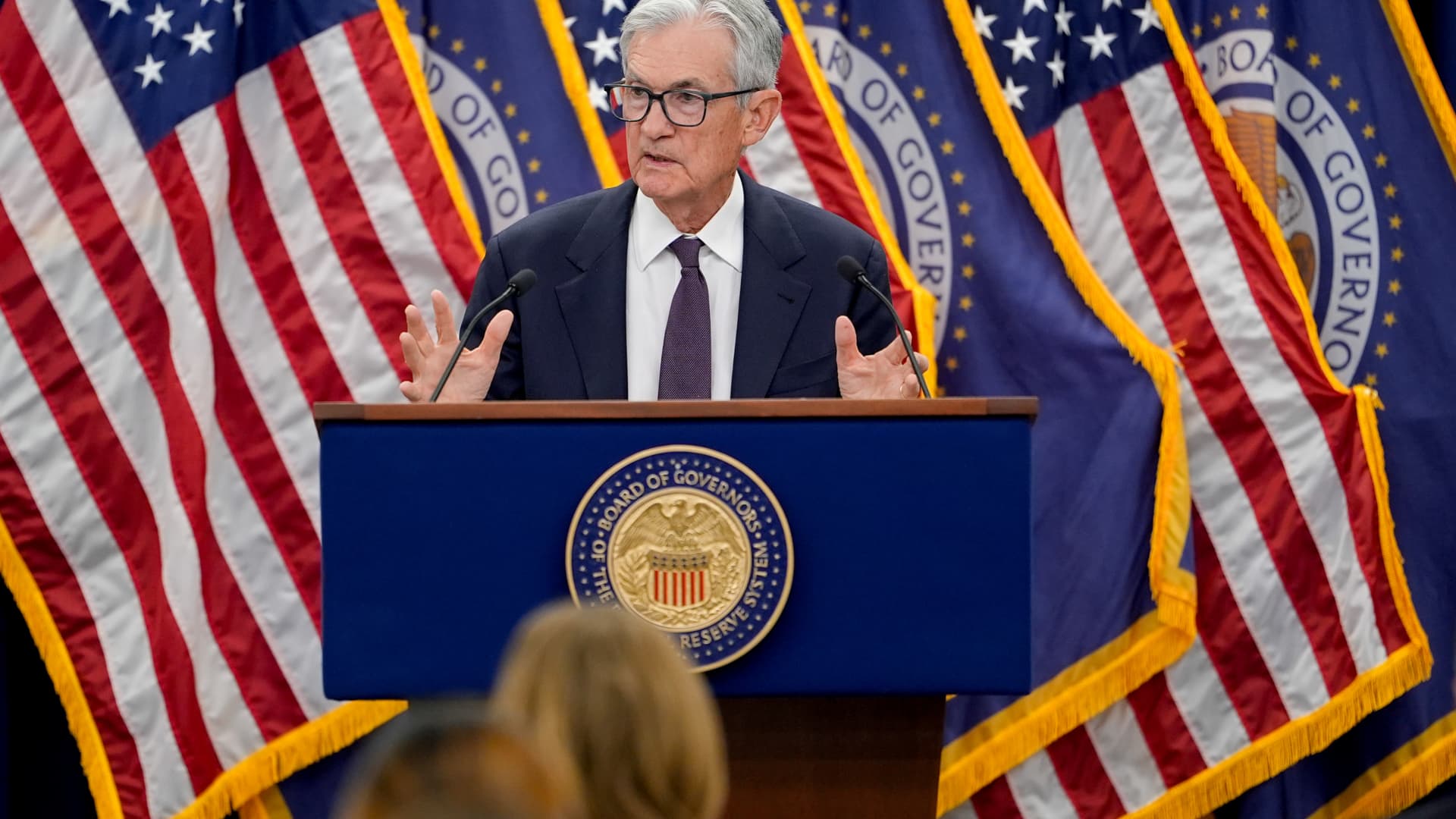
- Rate Policy Stability: The Federal Reserve decided to keep the federal funds rate steady in the range of 3.5% to 3.75% following its policy meeting, reflecting a commitment to economic stability despite rising energy shocks and inflation expectations due to the war in Iran.
- Increased Inflation Pressure: The surge in oil prices has pushed inflation above the Fed's 2% target, with analysts warning of potential long-term inflation implications if geopolitical tensions persist, indicating a challenging economic environment ahead.
- Significant Consumer Impact: Rising fuel prices and overall affordability challenges are placing budgetary pressures on American consumers, and while the Fed's decision does little to alleviate these issues, the implications for credit card and mortgage rates remain critical to monitor.
- Positive for Savers: Although deposit rates are not directly influenced by the Fed, the pause in the federal funds rate allows yields on savings accounts and certificates of deposit to remain above inflation, providing a silver lining for savers in a challenging economic landscape.
See More

Iran War Intensifies Inflation Pressures

- Rising Inflation: The Consumer Price Index (CPI) rose 2.4% year-over-year in February according to the Bureau of Labor Statistics, but the Iran war has caused energy prices to spike, potentially exacerbating long-term inflation concerns that affect household spending and consumer capacity.
- Surging Oil Prices: Brent crude futures briefly hit $100 a barrel again on Thursday, with the national average gasoline price climbing to $3.59 a gallon, up 22% from a month ago, which will further burden American households economically.
- Weak Job Market: The U.S. economy lost jobs in February, with the unemployment rate rising to 4.4%, indicating that the softening labor market combined with inflation pressures may lead to tighter financial conditions for households.
- Fed Policy Uncertainty: Despite facing pressure to raise rates, the Federal Reserve is unlikely to cut rates in the next two meetings due to accelerating inflation, making it difficult for consumers to expect economic relief in the coming months.
See More

February Home Sales Show Modest Rebound Amid Challenges

- Sales Increase: Existing home sales in February rose by 1.7% from January to an annualized rate of 4.09 million units, according to the National Association of Realtors, although this reflects a 1.4% decline year-over-year, indicating ongoing market weakness.
- Wage vs. Price Growth: Chief Economist Lawrence Yun highlighted that wage growth is now outpacing home price growth by nearly four percentage points, and while mortgage rates are significantly lower than last year, actual housing demand remains muted.
- Inventory Levels: There were 1.29 million units for sale at the end of February, a 2.4% increase from January, yet this remains below the six-month supply considered balanced, reflecting a sluggish supply growth trend.
- First-Time Buyer Share: First-time buyers accounted for 34% of total sales, up from 31% a year ago, indicating an increase in market participation among new buyers despite low inventory and high prices.
See More

New Legislation Protects Homebuyer Privacy
- Legislative Support: LendingTree expresses strong support for the Homebuyers Privacy Protection Act, which aims to curb abusive trigger lead practices and protect homebuyers from a flood of unwanted communications, thereby enhancing consumer trust and market transparency.
- Trigger Lead Issues: A LendingTree survey found that 56% of loan applicants received between 10 to 50 unsolicited communications after applying, significantly impacting the consumer experience; the Act addresses this by requiring lenders to obtain explicit authorization before contacting borrowers.
- Improved Competitive Environment: The new law mandates that lenders using trigger leads must provide a firm offer of credit and can only contact consumers under limited exceptions, which not only reduces opportunistic marketing but also fosters healthy competition based on price and service.
- Consumer Empowerment: LendingTree CEO Scott Peyree emphasizes that consumers should be empowered with transparency and choice when applying for mortgages, rather than overwhelmed by sales calls, and this legislation will help achieve that goal, enhancing consumer control over significant financial decisions.
See More
Single Women Outpace Men in Homebuying Trends
- Income Disparity Reversal: According to the National Association of Realtors, first-time single women homebuyers have a median income of $73,000, surpassing single men's $66,400, marking a potential shift in long-term homebuying trends favoring women.
- Rising Homebuyer Proportion: Single women account for 25% of first-time homebuyers compared to 10% for single men, a significant increase from 11% and 9% in 1985, indicating a growing recognition of homeownership as a wealth-building tool among women.
- Mismatch of Home Prices and Income: From 2000 to 2024, median household income rose by approximately 155%, while home prices surged by about 207%, creating substantial challenges for single buyers, particularly women relying on a single income to qualify for mortgages.
- Financial Sacrifices for Goals: Among single women buyers, 41% reported making financial sacrifices to save for a down payment, compared to 31% of men, highlighting women's commitment to achieving homeownership and financial independence despite economic hurdles.
See More
Impact of Sports Betting on Household Finances
- Surge in Betting Expenditure: The American Gaming Association estimates that legal sports betting for this year's NCAA men's and women's basketball tournaments will reach $3.3 billion, marking a 54% increase over the past three years, indicating a rapid rise in sports betting participation, which may strain household financial stability.
- Deteriorating Credit Health: A report from the New York Federal Reserve highlights an increase in credit delinquencies in states with legalized betting, particularly among those under 40, suggesting that gambling may significantly impact young consumers' financial health and lead to higher bankruptcy risks.
- Declining Credit Scores: According to FICO, the national average credit score has dropped to 714, down two points from last year, primarily due to the resumption of student loan and mortgage delinquency reporting, reflecting an overall deterioration in consumer credit health.
- Economic Divergence: While some consumers face worsening credit conditions, FICO also notes a growing number of consumers exhibiting strong credit behaviors at both ends of the scoring spectrum, indicating a K-shaped recovery in the economy, where some borrowers are experiencing increased financial pressure.
See More
Federal Reserve Holds Rates Steady Amid Inflation Concerns
- Rate Policy Stability: The Federal Reserve decided to keep the federal funds rate steady in the range of 3.5% to 3.75% following its policy meeting, reflecting a commitment to economic stability despite rising energy shocks and inflation expectations due to the war in Iran.
- Increased Inflation Pressure: The surge in oil prices has pushed inflation above the Fed's 2% target, with analysts warning of potential long-term inflation implications if geopolitical tensions persist, indicating a challenging economic environment ahead.
- Significant Consumer Impact: Rising fuel prices and overall affordability challenges are placing budgetary pressures on American consumers, and while the Fed's decision does little to alleviate these issues, the implications for credit card and mortgage rates remain critical to monitor.
- Positive for Savers: Although deposit rates are not directly influenced by the Fed, the pause in the federal funds rate allows yields on savings accounts and certificates of deposit to remain above inflation, providing a silver lining for savers in a challenging economic landscape.
See More
Iran War Intensifies Inflation Pressures
- Rising Inflation: The Consumer Price Index (CPI) rose 2.4% year-over-year in February according to the Bureau of Labor Statistics, but the Iran war has caused energy prices to spike, potentially exacerbating long-term inflation concerns that affect household spending and consumer capacity.
- Surging Oil Prices: Brent crude futures briefly hit $100 a barrel again on Thursday, with the national average gasoline price climbing to $3.59 a gallon, up 22% from a month ago, which will further burden American households economically.
- Weak Job Market: The U.S. economy lost jobs in February, with the unemployment rate rising to 4.4%, indicating that the softening labor market combined with inflation pressures may lead to tighter financial conditions for households.
- Fed Policy Uncertainty: Despite facing pressure to raise rates, the Federal Reserve is unlikely to cut rates in the next two meetings due to accelerating inflation, making it difficult for consumers to expect economic relief in the coming months.
See More
February Home Sales Show Modest Rebound Amid Challenges
- Sales Increase: Existing home sales in February rose by 1.7% from January to an annualized rate of 4.09 million units, according to the National Association of Realtors, although this reflects a 1.4% decline year-over-year, indicating ongoing market weakness.
- Wage vs. Price Growth: Chief Economist Lawrence Yun highlighted that wage growth is now outpacing home price growth by nearly four percentage points, and while mortgage rates are significantly lower than last year, actual housing demand remains muted.
- Inventory Levels: There were 1.29 million units for sale at the end of February, a 2.4% increase from January, yet this remains below the six-month supply considered balanced, reflecting a sluggish supply growth trend.
- First-Time Buyer Share: First-time buyers accounted for 34% of total sales, up from 31% a year ago, indicating an increase in market participation among new buyers despite low inventory and high prices.
See More
New Legislation Protects Homebuyer Privacy
- Legislative Support: LendingTree expresses strong support for the Homebuyers Privacy Protection Act, which aims to curb abusive trigger lead practices and protect homebuyers from a flood of unwanted communications, thereby enhancing consumer trust and market transparency.
- Trigger Lead Issues: A LendingTree survey found that 56% of loan applicants received between 10 to 50 unsolicited communications after applying, significantly impacting the consumer experience; the Act addresses this by requiring lenders to obtain explicit authorization before contacting borrowers.
- Improved Competitive Environment: The new law mandates that lenders using trigger leads must provide a firm offer of credit and can only contact consumers under limited exceptions, which not only reduces opportunistic marketing but also fosters healthy competition based on price and service.
- Consumer Empowerment: LendingTree CEO Scott Peyree emphasizes that consumers should be empowered with transparency and choice when applying for mortgages, rather than overwhelmed by sales calls, and this legislation will help achieve that goal, enhancing consumer control over significant financial decisions.
See More