Nasdaq-100 Expected to Perform Well in Future
Written by Emily J. Thompson, Senior Investment Analyst
Updated: 5 days ago
0mins

Should l Buy WMT?
Source: NASDAQ.COM
- Historical Returns: The Nasdaq-100 has achieved a 103% average five-year total return over the past two decades, indicating that investors could potentially double their money in the next five years, thus drawing increased investor interest.
- Market Correction Opportunity: The Nasdaq Composite fell into correction territory last month, which historically has been viewed as a good time to invest; after 13 market corrections, the Nasdaq-100's five-year total returns averaged 146%, suggesting a favorable outlook.
- AI-Driven Growth: The Invesco QQQ Trust is heavily invested in AI-related stocks, with over 80% of its assets concentrated in technology and consumer discretionary sectors, which are expected to perform well due to the rise of artificial intelligence, enhancing its investment appeal.
- Reasonable Expense Ratio: The Invesco QQQ Trust has an expense ratio of 0.18%, meaning shareholders pay $18 annually for every $10,000 invested; despite concentration risks, the current buying opportunity remains attractive for long-term investors.
Trade with 70% Backtested Accuracy
Stop guessing "Should I Buy WMT?" and start using high-conviction signals backed by rigorous historical data.
Sign up today to access powerful investing tools and make smarter, data-driven decisions.
Analyst Views on WMT
Wall Street analysts forecast WMT stock price to fall
26 Analyst Rating
25 Buy
1 Hold
0 Sell
Strong Buy
Current: 125.790

Low
119.00
Averages
125.75
High
136.00
Current: 125.790
Low
119.00
Averages
125.75
High
136.00
About WMT
Walmart Inc. is a technology-powered omnichannel retailer. The Company is engaged in the operation of retail and wholesale stores and clubs, as well as eCommerce Websites and mobile applications, located throughout the United States (U.S.), Africa, Canada, Central America, Chile, China, India and Mexico. It operates in three reportable segments: Walmart U.S., Walmart International and Sam's Club U.S. The Walmart U.S. segment includes the Company's mass merchandising concept in the U.S., as well as eCommerce, which includes omni-channel initiatives and certain other business offerings such as advertising services. The Walmart International segment consists of the Company's operations outside of the U.S. through its subsidiaries, as well as eCommerce and omni-channel initiatives. The Sam's Club U.S. segment includes the warehouse membership clubs in the U.S., as well as samsclub.com and omni-channel initiatives.
About the author

Emily J. Thompson
Emily J. Thompson, a Chartered Financial Analyst (CFA) with 12 years in investment research, graduated with honors from the Wharton School. Specializing in industrial and technology stocks, she provides in-depth analysis for Intellectia’s earnings and market brief reports.
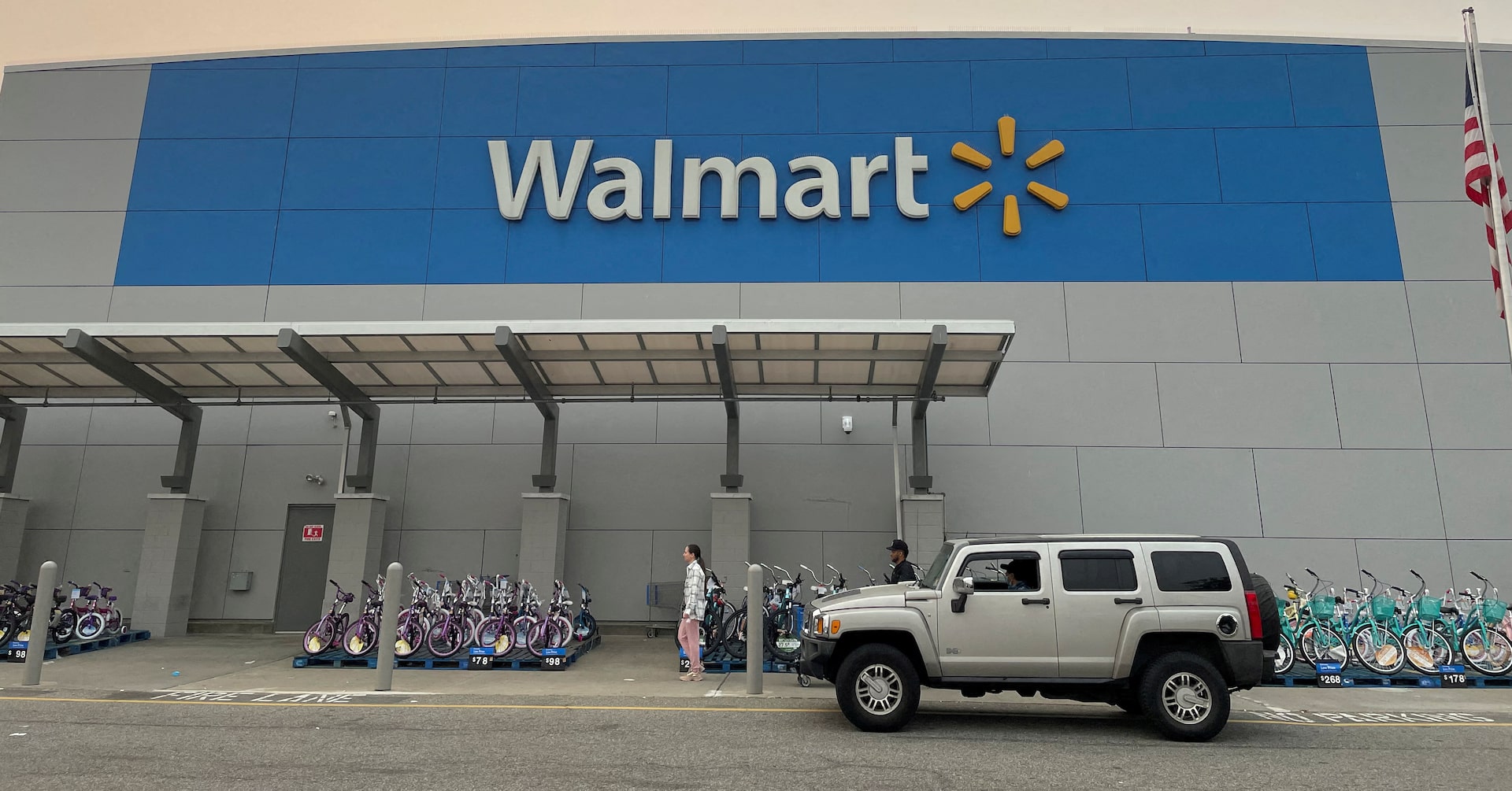
Walmart Launches 13th Annual Fight Hunger Campaign

- Campaign Background: Walmart and Sam's Club launched the 13th annual Fight Hunger. Spark Change. campaign from April 6 to May 3, 2026, aiming to provide food and resources to those facing hunger, highlighting corporate social responsibility.
- Participation Methods: Consumers can participate by donating at checkout, purchasing designated products (1 item = 1 meal at Walmart; 1 item = 5 meals at Sam's Club), or donating directly, which is expected to significantly support local food banks.
- Historical Achievements: Since its inception in 2014, the campaign has raised over $227 million and helped secure more than 2 billion meals, demonstrating Walmart's ongoing commitment and impact in addressing food insecurity.
- Social Impact: Nearly 48 million Americans face food insecurity, including over 14 million children; the campaign not only raises public awareness but also fosters community solidarity and support, emphasizing the significant impact of small actions.
See More

unspun Establishes AI-Enabled 3D Weaving Production in the U.S.
- Domestic Manufacturing Boost: unspun's initiative to establish AI-driven 3D weaving facilities in the U.S. has garnered support from major brands like Walmart, signaling a significant shift towards domestic, demand-driven production that is expected to enhance the competitiveness of American manufacturing.
- Funding and Technological Innovation: With over $50 million in venture capital, unspun is advancing its proprietary 3D weaving technology, which can produce semi-finished garments directly from yarn in minutes, significantly shortening production timelines and potentially improving gross margins by 400-500 basis points.
- Growing Industry Demand: Support from brands like REI underscores the strong demand for reshored manufacturing, as unspun's technology not only reduces excess inventory but also enables brands to respond quickly to market needs within the same season, enhancing market adaptability.
- Automated Production Hub Development: unspun is evaluating potential locations and infrastructure requirements across multiple states to establish its first automated apparel manufacturing hubs, modernizing U.S. manufacturing and creating more local job opportunities.
See More

Amazon Poised to Join $4 Trillion Club

- Market Position Solidified: Amazon currently has a market cap of approximately $2.3 trillion and is expected to generate $808 billion in revenue by 2026; to support a $4 trillion valuation, it would need to achieve annual revenues of around $1 trillion, indicating strong growth potential.
- Diverse Business Drivers: Amazon's e-commerce, cloud computing, and advertising segments grew by 12%, 24%, and 23% respectively, with AWS experiencing its fastest growth rate in 13 quarters, highlighting its competitive advantages and synergies across various sectors.
- Capital Expenditure Plans: Amazon plans to invest $200 billion in capital expenditures over the next year to meet strong demand for AWS, a strategy that will accelerate its cloud capacity expansion and further solidify its market leadership.
- Investment Opportunity: With a current P/E ratio of about 29 times, near its lowest valuation in nearly five years, Amazon stock presents a buying opportunity for investors, with expectations that its market cap could exceed $4 trillion by 2029.
See More

Target's Digital Sales Surpass 20% of Total Merchandise

- Digital Sales Surge: Target's digital sales reached 20.6% of total merchandise in fiscal 2025, marking a significant milestone that highlights the company's strong performance in e-commerce, even as overall sales declined by 1.7% year-over-year, providing hope for investors.
- Same-Day Delivery Growth: The Target Circle 360 loyalty program drove same-day delivery services to grow over 30% year-over-year in Q4 of fiscal 2025, indicating significant progress in meeting consumer demand for rapid delivery, thereby enhancing its competitive position in the market.
- Membership Revenue Doubling: Non-merchandise sales jumped over 25% in Q4, with membership revenue more than doubling year-over-year, providing the company with new revenue streams, although overall sales still face pressure, showcasing the potential for revenue diversification.
- Future Sales Outlook: Despite a decline in overall sales for fiscal 2025, Target's management expects net sales to grow by about 2% in fiscal 2026, indicating confidence in future performance, which may attract more investor interest in its stock.
See More
Target's E-commerce Sales Surpass 20% Milestone
- E-commerce Growth: Target's e-commerce sales surpassed 20% for the first time in fiscal 2025, reaching 20.6%, demonstrating its strong competitive position against Amazon and Walmart, despite ongoing pressure on overall sales.
- Same-Day Delivery Boost: Driven by the Target Circle 360 loyalty program, same-day delivery services grew over 30% year-over-year in Q4 of fiscal 2025, indicating increasing consumer demand for rapid delivery and enhancing Target's market competitiveness.
- Overall Sales Decline: Despite strong digital performance, Target's net sales decreased by 1.7% year-over-year to $104.8 billion in fiscal 2025, with Q4 net sales falling 1.5%, reflecting reduced consumer spending on discretionary items.
- Optimistic Future Outlook: Management forecasts a net sales growth of about 2% for fiscal 2026, indicating confidence in a sales recovery, and with a 3.8% dividend yield, Target's stock appears relatively attractive in the current market environment.
See More

Walmart's Digital Pricing Strategy Raises Concerns
- Digital Pricing Rollout: Walmart is rolling out digital pricing across all U.S. stores by year-end, which could lower costs and enhance employee efficiency, thereby maintaining its competitive edge in the retail market.
- Concerns Over Price Increases: While Walmart claims digital pricing isn't intended for price hikes, consumers and regulators worry it may lead to temporary price increases during high demand, potentially damaging consumer trust and brand reputation.
- Enhanced Market Adaptability: Digital pricing allows Walmart to quickly adjust prices in response to market changes, which could help the company increase margins during demand spikes, although the overall growth rate impact may be limited.
- Investor Valuation Concerns: Walmart's stock has risen over 50% in the past year, but with a price-to-earnings ratio of 46, it indicates a risk of overvaluation, prompting investors to carefully assess short-term return potential amid increasing market uncertainty.
See More
Walmart Launches 13th Annual Fight Hunger Campaign
- Campaign Background: Walmart and Sam's Club launched the 13th annual Fight Hunger. Spark Change. campaign from April 6 to May 3, 2026, aiming to provide food and resources to those facing hunger, highlighting corporate social responsibility.
- Participation Methods: Consumers can participate by donating at checkout, purchasing designated products (1 item = 1 meal at Walmart; 1 item = 5 meals at Sam's Club), or donating directly, which is expected to significantly support local food banks.
- Historical Achievements: Since its inception in 2014, the campaign has raised over $227 million and helped secure more than 2 billion meals, demonstrating Walmart's ongoing commitment and impact in addressing food insecurity.
- Social Impact: Nearly 48 million Americans face food insecurity, including over 14 million children; the campaign not only raises public awareness but also fosters community solidarity and support, emphasizing the significant impact of small actions.
See More
unspun Establishes AI-Enabled 3D Weaving Production in the U.S.
- Domestic Manufacturing Boost: unspun's initiative to establish AI-driven 3D weaving facilities in the U.S. has garnered support from major brands like Walmart, signaling a significant shift towards domestic, demand-driven production that is expected to enhance the competitiveness of American manufacturing.
- Funding and Technological Innovation: With over $50 million in venture capital, unspun is advancing its proprietary 3D weaving technology, which can produce semi-finished garments directly from yarn in minutes, significantly shortening production timelines and potentially improving gross margins by 400-500 basis points.
- Growing Industry Demand: Support from brands like REI underscores the strong demand for reshored manufacturing, as unspun's technology not only reduces excess inventory but also enables brands to respond quickly to market needs within the same season, enhancing market adaptability.
- Automated Production Hub Development: unspun is evaluating potential locations and infrastructure requirements across multiple states to establish its first automated apparel manufacturing hubs, modernizing U.S. manufacturing and creating more local job opportunities.
See More
Amazon Poised to Join $4 Trillion Club
- Market Position Solidified: Amazon currently has a market cap of approximately $2.3 trillion and is expected to generate $808 billion in revenue by 2026; to support a $4 trillion valuation, it would need to achieve annual revenues of around $1 trillion, indicating strong growth potential.
- Diverse Business Drivers: Amazon's e-commerce, cloud computing, and advertising segments grew by 12%, 24%, and 23% respectively, with AWS experiencing its fastest growth rate in 13 quarters, highlighting its competitive advantages and synergies across various sectors.
- Capital Expenditure Plans: Amazon plans to invest $200 billion in capital expenditures over the next year to meet strong demand for AWS, a strategy that will accelerate its cloud capacity expansion and further solidify its market leadership.
- Investment Opportunity: With a current P/E ratio of about 29 times, near its lowest valuation in nearly five years, Amazon stock presents a buying opportunity for investors, with expectations that its market cap could exceed $4 trillion by 2029.
See More
Target's Digital Sales Surpass 20% of Total Merchandise
- Digital Sales Surge: Target's digital sales reached 20.6% of total merchandise in fiscal 2025, marking a significant milestone that highlights the company's strong performance in e-commerce, even as overall sales declined by 1.7% year-over-year, providing hope for investors.
- Same-Day Delivery Growth: The Target Circle 360 loyalty program drove same-day delivery services to grow over 30% year-over-year in Q4 of fiscal 2025, indicating significant progress in meeting consumer demand for rapid delivery, thereby enhancing its competitive position in the market.
- Membership Revenue Doubling: Non-merchandise sales jumped over 25% in Q4, with membership revenue more than doubling year-over-year, providing the company with new revenue streams, although overall sales still face pressure, showcasing the potential for revenue diversification.
- Future Sales Outlook: Despite a decline in overall sales for fiscal 2025, Target's management expects net sales to grow by about 2% in fiscal 2026, indicating confidence in future performance, which may attract more investor interest in its stock.
See More
Target's E-commerce Sales Surpass 20% Milestone
- E-commerce Growth: Target's e-commerce sales surpassed 20% for the first time in fiscal 2025, reaching 20.6%, demonstrating its strong competitive position against Amazon and Walmart, despite ongoing pressure on overall sales.
- Same-Day Delivery Boost: Driven by the Target Circle 360 loyalty program, same-day delivery services grew over 30% year-over-year in Q4 of fiscal 2025, indicating increasing consumer demand for rapid delivery and enhancing Target's market competitiveness.
- Overall Sales Decline: Despite strong digital performance, Target's net sales decreased by 1.7% year-over-year to $104.8 billion in fiscal 2025, with Q4 net sales falling 1.5%, reflecting reduced consumer spending on discretionary items.
- Optimistic Future Outlook: Management forecasts a net sales growth of about 2% for fiscal 2026, indicating confidence in a sales recovery, and with a 3.8% dividend yield, Target's stock appears relatively attractive in the current market environment.
See More
Walmart's Digital Pricing Strategy Raises Concerns
- Digital Pricing Rollout: Walmart is rolling out digital pricing across all U.S. stores by year-end, which could lower costs and enhance employee efficiency, thereby maintaining its competitive edge in the retail market.
- Concerns Over Price Increases: While Walmart claims digital pricing isn't intended for price hikes, consumers and regulators worry it may lead to temporary price increases during high demand, potentially damaging consumer trust and brand reputation.
- Enhanced Market Adaptability: Digital pricing allows Walmart to quickly adjust prices in response to market changes, which could help the company increase margins during demand spikes, although the overall growth rate impact may be limited.
- Investor Valuation Concerns: Walmart's stock has risen over 50% in the past year, but with a price-to-earnings ratio of 46, it indicates a risk of overvaluation, prompting investors to carefully assess short-term return potential amid increasing market uncertainty.
See More