Nasdaq 100 Highlights: CHTR and IDXX Stocks in Motion
Written by Emily J. Thompson, Senior Investment Analyst
Updated: Nov 03 2025
0mins


Should l Buy AMZN?
Source: NASDAQ.COM
Charter Communications Performance: Charter Communications is the worst performing Nasdaq 100 component, down 3.9% for the day and 34.5% year-to-date.
Other Nasdaq Movers: Coca-Cola Europacific Partners is down 2.8%, while Amazon.com is up 4.9% on the day.
Market Overview: The article highlights the performance of specific Nasdaq 100 components, indicating varied movements among them.
Author's Disclaimer: The views expressed in the article are those of the author and do not necessarily reflect the opinions of Nasdaq, Inc.
Trade with 70% Backtested Accuracy
Stop guessing "Should I Buy AMZN?" and start using high-conviction signals backed by rigorous historical data.
Sign up today to access powerful investing tools and make smarter, data-driven decisions.
Analyst Views on AMZN
Wall Street analysts forecast AMZN stock price to rise
44 Analyst Rating
41 Buy
3 Hold
0 Sell
Strong Buy
Current: 200.950

Low
175.00
Averages
280.01
High
325.00
Current: 200.950
Low
175.00
Averages
280.01
High
325.00
About AMZN
Amazon.com, Inc. provides a range of products and services to customers. The products offered through its stores include merchandise and content it has purchased for resale and products offered by third-party sellers. The Company’s segments include North America, International and Amazon Web Services (AWS). It serves consumers through its online and physical stores and focuses on selection, price, and convenience. Customers access its offerings through its websites, mobile apps, Alexa, devices, streaming, and physically visiting its stores. It also manufactures and sells electronic devices, including Kindle, Fire tablet, Fire TV, Echo, Ring, Blink, and eero, and develops and produces media content. It serves developers and enterprises of all sizes, including start-ups, government agencies, and academic institutions, through AWS, which offers a set of on-demand technology services, including compute, storage, database, analytics, and machine learning, and other services.
About the author

Emily J. Thompson
Emily J. Thompson, a Chartered Financial Analyst (CFA) with 12 years in investment research, graduated with honors from the Wharton School. Specializing in industrial and technology stocks, she provides in-depth analysis for Intellectia’s earnings and market brief reports.

Amazon's AWS Sees Significant Revenue Growth

- AWS Revenue Growth: Amazon Web Services (AWS) achieved a 24% year-over-year revenue increase in its latest quarter, marking the fastest growth in 13 quarters, demonstrating its robust position with a 28% market share in the global cloud market despite competition from Microsoft and Google.
- Advertising Business Surge: Amazon's advertising revenue grew by 23% year-over-year to over $21.3 billion in the most recent quarter, leveraging its vast user data and traffic, making advertising a new profit growth driver and enhancing its competitive edge in the market.
- Automation Enhances Efficiency: With over 1 million robots deployed across more than 300 global facilities, Amazon has significantly improved its e-commerce profitability by speeding up order processing and reducing handling costs, although this has led to some layoffs, the long-term investment is strategically sound.
- Future Investment Plans: Amazon's $200 billion spending plan for data centers and AI hardware by 2026 has raised some investor concerns, but this strategy is expected to lay a solid foundation for long-term growth for AWS and the overall business.
See More

OpenAI Closes Record Funding Round at $852 Billion Valuation

- Record Funding Size: OpenAI announced the closure of a $122 billion funding round, increasing from the $110 billion commitment disclosed in February, reflecting strong investor confidence in its future growth and solidifying its leadership in the AI sector.
- User Base Expansion: As of March, ChatGPT supports over 900 million weekly active users, with more than 50 million being paid subscribers, indicating widespread market acceptance and commercial potential, driving continued growth for the company.
- Significant Revenue Growth: OpenAI generates $2 billion in monthly revenue, with total revenue reaching $13.1 billion last year; although still unprofitable, this robust revenue stream lays the groundwork for future profitability, especially in light of a potential IPO.
- Strategic Investor Support: Strategic investors like Amazon, Nvidia, and SoftBank have committed $50 billion, $30 billion, and $30 billion respectively, demonstrating market trust in OpenAI's long-term prospects while providing ample funding for future expansion.
See More
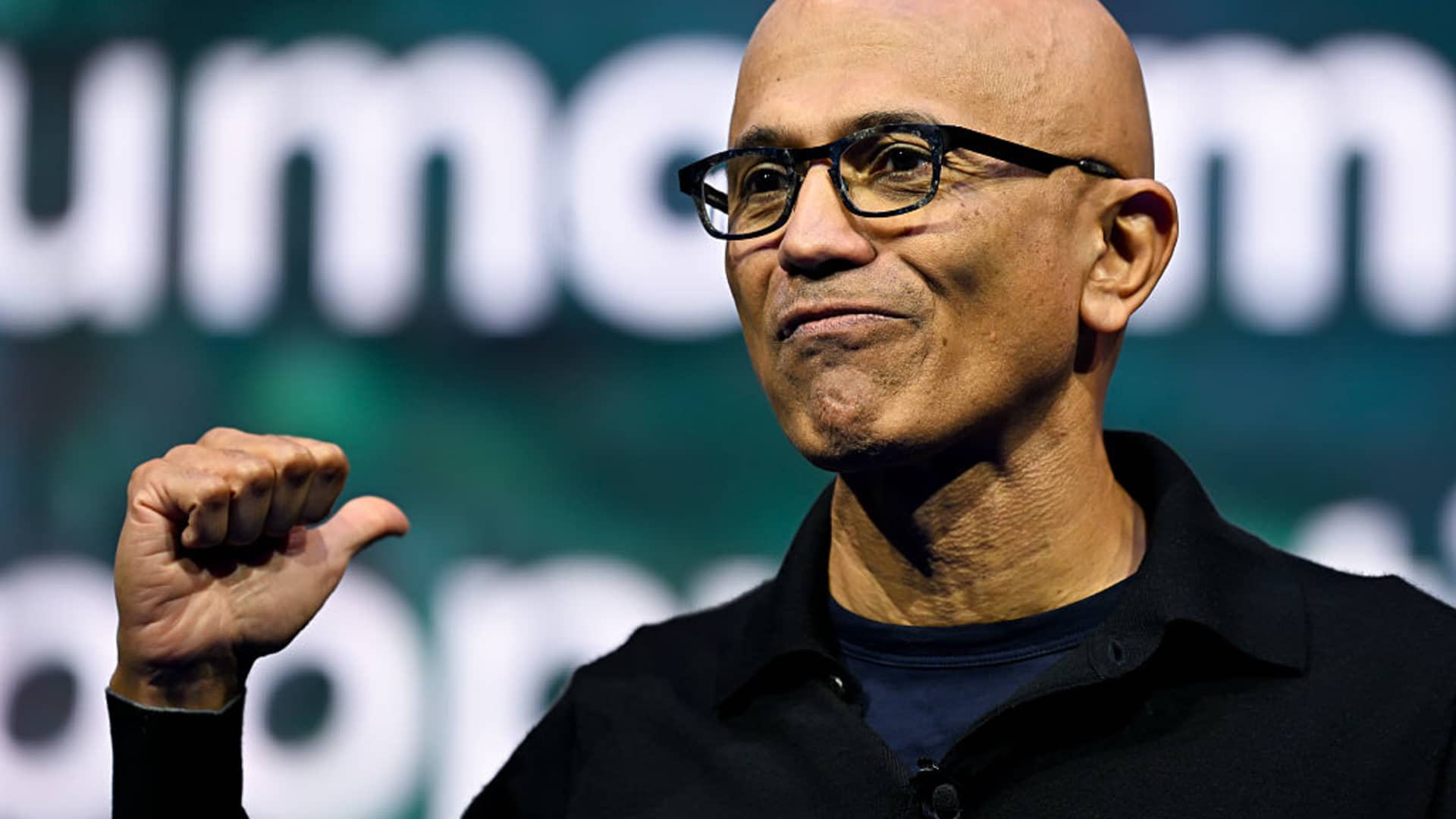
Microsoft Faces AI Growth Pressure as Stock Plummets


- Stock Plunge: Microsoft experienced a 23% drop in stock price during Q1, marking its worst quarterly performance since the 2008 financial crisis, significantly outpacing the Nasdaq's 7% decline, indicating investor concerns over its AI growth prospects that could impact future financing capabilities.
- AI Assistant Challenges: Microsoft's Copilot AI assistant has seen low user adoption, with only 3% of commercial Office customers holding licenses, forcing the company to allocate Azure cloud resources for improvements to maintain market share amid fierce competition.
- Executive Shake-up: Microsoft reassigned Copilot development head Mustafa Suleyman and appointed former Snap executive Jacob Andreou to lead the Copilot experience for consumers and commercial clients, raising market concerns about the company's strategic direction and potentially affecting team morale.
- Cloud Business Growth: Despite challenges, Microsoft's Azure cloud service achieved a 39% revenue growth in the December quarter, with commercial remaining performance obligations exceeding $625 billion, reflecting strong demand in the cloud infrastructure market that may support the company's future.
See More

Nvidia Partners with Marvell to Strengthen AI Market Position


- Strategic Partnership: Nvidia's collaboration with Marvell Technology aims to integrate Marvell's custom AI chips with Nvidia's AI computing ecosystem, which is expected to enhance Nvidia's market share in the custom AI chip sector, further solidifying its leadership in AI computing.
- Investment Strategy: Nvidia's $2 billion investment for a 2.5% stake in Marvell not only provides financial support for Marvell's future growth but also allows Nvidia to benefit from any potential Marvell deals, thereby increasing its competitiveness in the AI data center market.
- Technological Interconnectivity: By extending its NVLink technology to Marvell's custom processors, Nvidia is expected to improve product compatibility, attracting more enterprises to invest in AI data centers and expanding its total addressable market.
- Market Reaction: Following the announcement of the partnership, Nvidia's stock surged by 5.6%, indicating a positive market response to the collaboration, and despite a challenging overall market environment, this move could provide new momentum for Nvidia's future earnings growth.
See More

Amazon Settles with Labor Union Over Strike Policies

- Worker Rights Protection: Amazon has settled with federal labor officials, pledging not to retaliate against employees who strike and restoring unpaid time off for over 100 workers that was illegally docked, ensuring future strikes won't result in loss of unpaid leave.
- Union Support: The International Brotherhood of Teamsters stated that this settlement strengthens protections for Amazon workers during future strikes, reflecting the union's ongoing efforts to advocate for employee rights, despite Amazon's denial of the union's claimed representation numbers.
- Policy Scrutiny Pressure: The National Labor Relations Board (NLRB) accused Amazon of maintaining an overly broad attendance policy that threatens employees with termination for striking, highlighting the extensive scrutiny and legal challenges the company faces regarding its labor practices.
- Transparency in Information: As part of the settlement, Amazon will post notices in employee break rooms across all 1,300 facilities nationwide, informing workers of their rights to organize and the terms of the settlement, aiming to enhance employee awareness of their rights and promote a better working environment.
See More
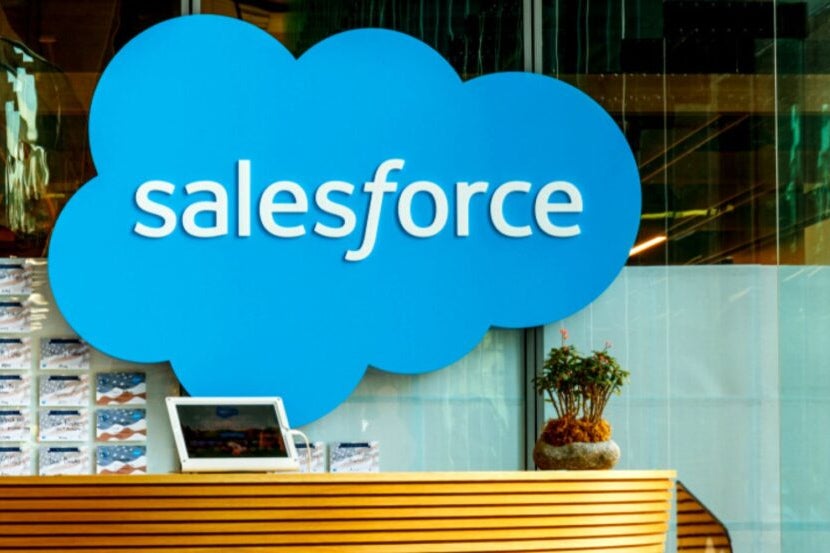
Microsoft Faces Challenges as Stock Plummets 23% in Q1
- Disappointing Quarterly Performance: Microsoft experienced a staggering 23% drop in stock value during Q1 2023, marking its steepest decline since the 2008 financial crisis, reflecting investor concerns over its AI prospects and resulting in significant market capitalization loss.
- Concerns Over AI ROI: While Microsoft remains a leader in cloud computing and productivity software, its AI assistant Copilot has only achieved a 3% adoption rate among commercial Office customers, failing to meet market expectations and potentially hindering future revenue growth.
- Executive Shake-Up Impact: The recent reassignment of Copilot development head Mustafa Suleyman raises concerns about leadership effectiveness, especially as the new team faces intense competition from rivals like Google and OpenAI, which could affect the company's strategic direction.
- Strong Cloud Business Growth: Despite challenges, Microsoft's Azure cloud service reported a 39% revenue increase in the December quarter, with commercial remaining performance obligations exceeding $625 billion, indicating strong potential and demand in the AI sector.
See More
Amazon's AWS Sees Significant Revenue Growth
- AWS Revenue Growth: Amazon Web Services (AWS) achieved a 24% year-over-year revenue increase in its latest quarter, marking the fastest growth in 13 quarters, demonstrating its robust position with a 28% market share in the global cloud market despite competition from Microsoft and Google.
- Advertising Business Surge: Amazon's advertising revenue grew by 23% year-over-year to over $21.3 billion in the most recent quarter, leveraging its vast user data and traffic, making advertising a new profit growth driver and enhancing its competitive edge in the market.
- Automation Enhances Efficiency: With over 1 million robots deployed across more than 300 global facilities, Amazon has significantly improved its e-commerce profitability by speeding up order processing and reducing handling costs, although this has led to some layoffs, the long-term investment is strategically sound.
- Future Investment Plans: Amazon's $200 billion spending plan for data centers and AI hardware by 2026 has raised some investor concerns, but this strategy is expected to lay a solid foundation for long-term growth for AWS and the overall business.
See More
OpenAI Closes Record Funding Round at $852 Billion Valuation
- Record Funding Size: OpenAI announced the closure of a $122 billion funding round, increasing from the $110 billion commitment disclosed in February, reflecting strong investor confidence in its future growth and solidifying its leadership in the AI sector.
- User Base Expansion: As of March, ChatGPT supports over 900 million weekly active users, with more than 50 million being paid subscribers, indicating widespread market acceptance and commercial potential, driving continued growth for the company.
- Significant Revenue Growth: OpenAI generates $2 billion in monthly revenue, with total revenue reaching $13.1 billion last year; although still unprofitable, this robust revenue stream lays the groundwork for future profitability, especially in light of a potential IPO.
- Strategic Investor Support: Strategic investors like Amazon, Nvidia, and SoftBank have committed $50 billion, $30 billion, and $30 billion respectively, demonstrating market trust in OpenAI's long-term prospects while providing ample funding for future expansion.
See More
Microsoft Faces AI Growth Pressure as Stock Plummets
- Stock Plunge: Microsoft experienced a 23% drop in stock price during Q1, marking its worst quarterly performance since the 2008 financial crisis, significantly outpacing the Nasdaq's 7% decline, indicating investor concerns over its AI growth prospects that could impact future financing capabilities.
- AI Assistant Challenges: Microsoft's Copilot AI assistant has seen low user adoption, with only 3% of commercial Office customers holding licenses, forcing the company to allocate Azure cloud resources for improvements to maintain market share amid fierce competition.
- Executive Shake-up: Microsoft reassigned Copilot development head Mustafa Suleyman and appointed former Snap executive Jacob Andreou to lead the Copilot experience for consumers and commercial clients, raising market concerns about the company's strategic direction and potentially affecting team morale.
- Cloud Business Growth: Despite challenges, Microsoft's Azure cloud service achieved a 39% revenue growth in the December quarter, with commercial remaining performance obligations exceeding $625 billion, reflecting strong demand in the cloud infrastructure market that may support the company's future.
See More
Nvidia Partners with Marvell to Strengthen AI Market Position
- Strategic Partnership: Nvidia's collaboration with Marvell Technology aims to integrate Marvell's custom AI chips with Nvidia's AI computing ecosystem, which is expected to enhance Nvidia's market share in the custom AI chip sector, further solidifying its leadership in AI computing.
- Investment Strategy: Nvidia's $2 billion investment for a 2.5% stake in Marvell not only provides financial support for Marvell's future growth but also allows Nvidia to benefit from any potential Marvell deals, thereby increasing its competitiveness in the AI data center market.
- Technological Interconnectivity: By extending its NVLink technology to Marvell's custom processors, Nvidia is expected to improve product compatibility, attracting more enterprises to invest in AI data centers and expanding its total addressable market.
- Market Reaction: Following the announcement of the partnership, Nvidia's stock surged by 5.6%, indicating a positive market response to the collaboration, and despite a challenging overall market environment, this move could provide new momentum for Nvidia's future earnings growth.
See More
Amazon Settles with Labor Union Over Strike Policies
- Worker Rights Protection: Amazon has settled with federal labor officials, pledging not to retaliate against employees who strike and restoring unpaid time off for over 100 workers that was illegally docked, ensuring future strikes won't result in loss of unpaid leave.
- Union Support: The International Brotherhood of Teamsters stated that this settlement strengthens protections for Amazon workers during future strikes, reflecting the union's ongoing efforts to advocate for employee rights, despite Amazon's denial of the union's claimed representation numbers.
- Policy Scrutiny Pressure: The National Labor Relations Board (NLRB) accused Amazon of maintaining an overly broad attendance policy that threatens employees with termination for striking, highlighting the extensive scrutiny and legal challenges the company faces regarding its labor practices.
- Transparency in Information: As part of the settlement, Amazon will post notices in employee break rooms across all 1,300 facilities nationwide, informing workers of their rights to organize and the terms of the settlement, aiming to enhance employee awareness of their rights and promote a better working environment.
See More
Microsoft Faces Challenges as Stock Plummets 23% in Q1
- Disappointing Quarterly Performance: Microsoft experienced a staggering 23% drop in stock value during Q1 2023, marking its steepest decline since the 2008 financial crisis, reflecting investor concerns over its AI prospects and resulting in significant market capitalization loss.
- Concerns Over AI ROI: While Microsoft remains a leader in cloud computing and productivity software, its AI assistant Copilot has only achieved a 3% adoption rate among commercial Office customers, failing to meet market expectations and potentially hindering future revenue growth.
- Executive Shake-Up Impact: The recent reassignment of Copilot development head Mustafa Suleyman raises concerns about leadership effectiveness, especially as the new team faces intense competition from rivals like Google and OpenAI, which could affect the company's strategic direction.
- Strong Cloud Business Growth: Despite challenges, Microsoft's Azure cloud service reported a 39% revenue increase in the December quarter, with commercial remaining performance obligations exceeding $625 billion, indicating strong potential and demand in the AI sector.
See More