Middle East Tensions Rise: Iran Threatens to Block Strait of Hormuz

- Missile Threat Escalation: Iran's ballistic missile strike towards Diego Garcia, over 2,500 miles away, showcases its military capabilities, putting major European cities at risk and potentially escalating international tensions further.
- Strait of Hormuz Blockade: The Strait of Hormuz is once again blocked, with Iran threatening not to reopen it until all damaged power plants are rebuilt, which could severely impact the global energy supply chain, especially for countries reliant on this waterway.
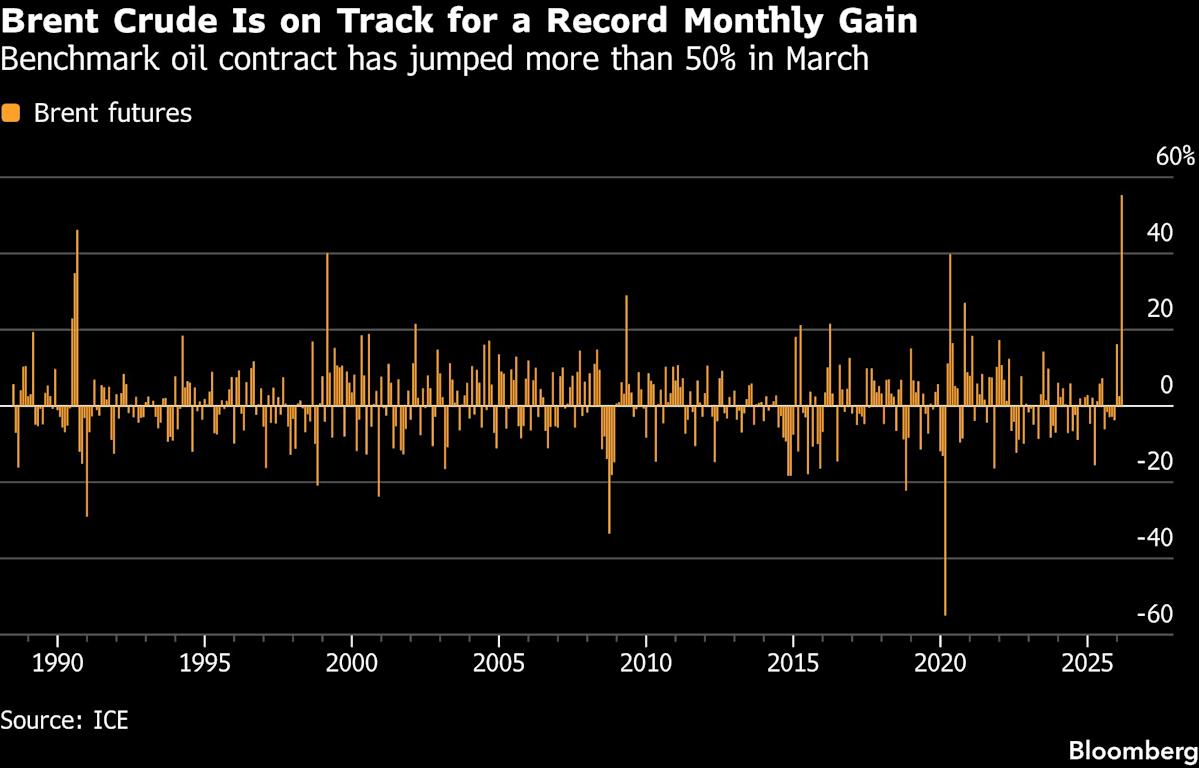
- Energy Market Volatility: While the S&P 500 has only lost 6% over the past month, WTI crude oil futures have surged above $100 per barrel, indicating market sensitivity to rising energy prices, which may hinder global economic recovery.
- Corporate Response Measures: UPS and FedEx have instituted additional shipping surcharges, while airlines like American Airlines and United Airlines have reduced operational capacity and lowered profit forecasts, reflecting corporate strategies in response to high energy costs.
Trade with 70% Backtested Accuracy
Analyst Views on APA

About APA
About the author


Analysis of XOP ETF Trading Dynamics


- Price Range Analysis: The XOP ETF has a 52-week low of $99.01 and a high of $190.36, with the last trade at $187.64, indicating significant volatility near its high, which may influence investor buying decisions.
- Technical Analysis Tool: Comparing the current share price to the 200-day moving average provides valuable insights for investors, helping to assess market trends and potential buy or sell opportunities.
- ETF Unit Trading Mechanism: ETFs trade similarly to stocks, where investors buy and sell 'units' that can be created or destroyed based on demand, impacting the ETF's liquidity and market performance.
- Inflows and Outflows Monitoring: Weekly monitoring of changes in shares outstanding helps identify ETFs experiencing notable inflows (new units created) or outflows (old units destroyed), which can significantly affect the performance of the underlying stocks within the ETF.

The Iran Conflict May Persist: Current Investment Opportunities for Success.


- Current Market Status: The Nasdaq is currently in a correction, having dropped over 10% from its recent highs.
- Bear Market Concerns: There are increasing fears that the Nasdaq may soon enter a bear market, defined as a decline of 20%.
- Wall Street Perspective: Despite the downturn, there is a common belief on Wall Street that opportunities for profit exist in other sectors.
- Market Sentiment: The overall sentiment reflects anxiety about the tech-heavy index's performance amidst potential further declines.

Locating Profitable Stocks During the Iran War Crisis


Current Market Status: The Nasdaq Composite is currently in a correction, having fallen over 10% from its recent highs.
Bear Market Concerns: There are increasing fears that the index may soon enter a bear market, defined as a decline of 20% or more.
Wall Street Perspective: Despite the downturn, the sentiment on Wall Street remains optimistic, suggesting that there are always opportunities for gains in other sectors.
Investment Outlook: Investors are encouraged to look for potential bull markets in different areas, even amidst the current challenges faced by the tech-heavy index.

Major Stock Indexes Decline Amid Energy Supply Concerns

- Meta Oversold: Meta's relative strength index (RSI) dropped to 22.1 after losing two major court cases and shedding over 11% of its stock last week, indicating a pessimistic market sentiment that may prime it for a near-term rebound.
- Court Rulings Impact: A California jury ruled that Meta and YouTube were liable for harmful addictive features on their platforms affecting minors, with Meta ordered to pay $2.1 million in damages, intensifying investor concerns about its business model.
- Layoff Measures: Meta's layoffs across Facebook, global operations, recruiting, sales, and Reality Labs aim to alleviate investor anxieties over its frequent and costly corporate strategy shifts, potentially impacting its long-term growth prospects.
- Energy Stocks Overbought: Energy companies like APA, with an RSI of 87.8, saw stock prices jump nearly 14% last week due to supply chain disruptions from the Iran war, reflecting strong investor demand for energy stocks, which may face short-term pullback risks.

US Stocks Plunge as Oil Prices Surge Amid Iran Conflict


- Market Decline: The S&P 500 index fell by 1.67%, marking a 7-month low, while the Nasdaq 100 and Dow Jones Industrial Average dropped by 1.93% and 1.73%, respectively, indicating heightened concerns over economic slowdown.
- Oil Price Surge: WTI crude oil prices surged over 5% due to fears surrounding the Iran conflict, which not only exacerbates inflation expectations but may also compel the Federal Reserve to tighten monetary policy, impacting overall economic growth.
- Consumer Sentiment Drop: The University of Michigan's consumer sentiment index was revised down to 53.3 from 55.5, below the expected 54.0, reflecting a pessimistic outlook among consumers regarding future economic conditions, potentially suppressing consumer spending.
- Escalating US-China Trade Tensions: China launched investigations into US trade practices targeting restrictions on Chinese goods, which could further disrupt global supply chains and increase market uncertainty.

US Stocks Decline as Oil Prices Surge Amid Iran Conflict
- Market Sentiment Declines: The S&P 500 and Nasdaq 100 fell by 0.79% and 1.12%, respectively, reaching 6.75-month lows, reflecting investor concerns about the global economic outlook amid escalating tensions in Iran.
- Rising Inflation Expectations: The University of Michigan's consumer sentiment index was revised down to 53.3 from 55.5, below expectations, while 1-year inflation expectations increased to 3.8%, indicating market fears of rising prices that could prompt the Fed to tighten monetary policy.
- Surging Energy Prices: Crude oil prices rose over 3% due to disruptions in global oil supply caused by the Iran conflict, with the IEA warning that the war could cut global oil supply by 8 million barrels per day, exacerbating inflationary pressures.
- US-China Trade Tensions: China launched investigations into US trade practices in retaliation for similar probes by the Trump administration, potentially impacting global supply chains and increasing market uncertainty, further undermining investor confidence.
Analysis of XOP ETF Trading Dynamics
- Price Range Analysis: The XOP ETF has a 52-week low of $99.01 and a high of $190.36, with the last trade at $187.64, indicating significant volatility near its high, which may influence investor buying decisions.
- Technical Analysis Tool: Comparing the current share price to the 200-day moving average provides valuable insights for investors, helping to assess market trends and potential buy or sell opportunities.
- ETF Unit Trading Mechanism: ETFs trade similarly to stocks, where investors buy and sell 'units' that can be created or destroyed based on demand, impacting the ETF's liquidity and market performance.
- Inflows and Outflows Monitoring: Weekly monitoring of changes in shares outstanding helps identify ETFs experiencing notable inflows (new units created) or outflows (old units destroyed), which can significantly affect the performance of the underlying stocks within the ETF.
The Iran Conflict May Persist: Current Investment Opportunities for Success.
- Current Market Status: The Nasdaq is currently in a correction, having dropped over 10% from its recent highs.
- Bear Market Concerns: There are increasing fears that the Nasdaq may soon enter a bear market, defined as a decline of 20%.
- Wall Street Perspective: Despite the downturn, there is a common belief on Wall Street that opportunities for profit exist in other sectors.
- Market Sentiment: The overall sentiment reflects anxiety about the tech-heavy index's performance amidst potential further declines.
Locating Profitable Stocks During the Iran War Crisis
Current Market Status: The Nasdaq Composite is currently in a correction, having fallen over 10% from its recent highs.
Bear Market Concerns: There are increasing fears that the index may soon enter a bear market, defined as a decline of 20% or more.
Wall Street Perspective: Despite the downturn, the sentiment on Wall Street remains optimistic, suggesting that there are always opportunities for gains in other sectors.
Investment Outlook: Investors are encouraged to look for potential bull markets in different areas, even amidst the current challenges faced by the tech-heavy index.
Major Stock Indexes Decline Amid Energy Supply Concerns
- Meta Oversold: Meta's relative strength index (RSI) dropped to 22.1 after losing two major court cases and shedding over 11% of its stock last week, indicating a pessimistic market sentiment that may prime it for a near-term rebound.
- Court Rulings Impact: A California jury ruled that Meta and YouTube were liable for harmful addictive features on their platforms affecting minors, with Meta ordered to pay $2.1 million in damages, intensifying investor concerns about its business model.
- Layoff Measures: Meta's layoffs across Facebook, global operations, recruiting, sales, and Reality Labs aim to alleviate investor anxieties over its frequent and costly corporate strategy shifts, potentially impacting its long-term growth prospects.
- Energy Stocks Overbought: Energy companies like APA, with an RSI of 87.8, saw stock prices jump nearly 14% last week due to supply chain disruptions from the Iran war, reflecting strong investor demand for energy stocks, which may face short-term pullback risks.
US Stocks Plunge as Oil Prices Surge Amid Iran Conflict
- Market Decline: The S&P 500 index fell by 1.67%, marking a 7-month low, while the Nasdaq 100 and Dow Jones Industrial Average dropped by 1.93% and 1.73%, respectively, indicating heightened concerns over economic slowdown.
- Oil Price Surge: WTI crude oil prices surged over 5% due to fears surrounding the Iran conflict, which not only exacerbates inflation expectations but may also compel the Federal Reserve to tighten monetary policy, impacting overall economic growth.
- Consumer Sentiment Drop: The University of Michigan's consumer sentiment index was revised down to 53.3 from 55.5, below the expected 54.0, reflecting a pessimistic outlook among consumers regarding future economic conditions, potentially suppressing consumer spending.
- Escalating US-China Trade Tensions: China launched investigations into US trade practices targeting restrictions on Chinese goods, which could further disrupt global supply chains and increase market uncertainty.
US Stocks Decline as Oil Prices Surge Amid Iran Conflict
- Market Sentiment Declines: The S&P 500 and Nasdaq 100 fell by 0.79% and 1.12%, respectively, reaching 6.75-month lows, reflecting investor concerns about the global economic outlook amid escalating tensions in Iran.
- Rising Inflation Expectations: The University of Michigan's consumer sentiment index was revised down to 53.3 from 55.5, below expectations, while 1-year inflation expectations increased to 3.8%, indicating market fears of rising prices that could prompt the Fed to tighten monetary policy.
- Surging Energy Prices: Crude oil prices rose over 3% due to disruptions in global oil supply caused by the Iran conflict, with the IEA warning that the war could cut global oil supply by 8 million barrels per day, exacerbating inflationary pressures.
- US-China Trade Tensions: China launched investigations into US trade practices in retaliation for similar probes by the Trump administration, potentially impacting global supply chains and increasing market uncertainty, further undermining investor confidence.