Middle East Conflict Drives Up Oil and Gas Prices
Written by Emily J. Thompson, Senior Investment Analyst
Updated: Mar 30 2026
0mins


Source: NASDAQ.COM
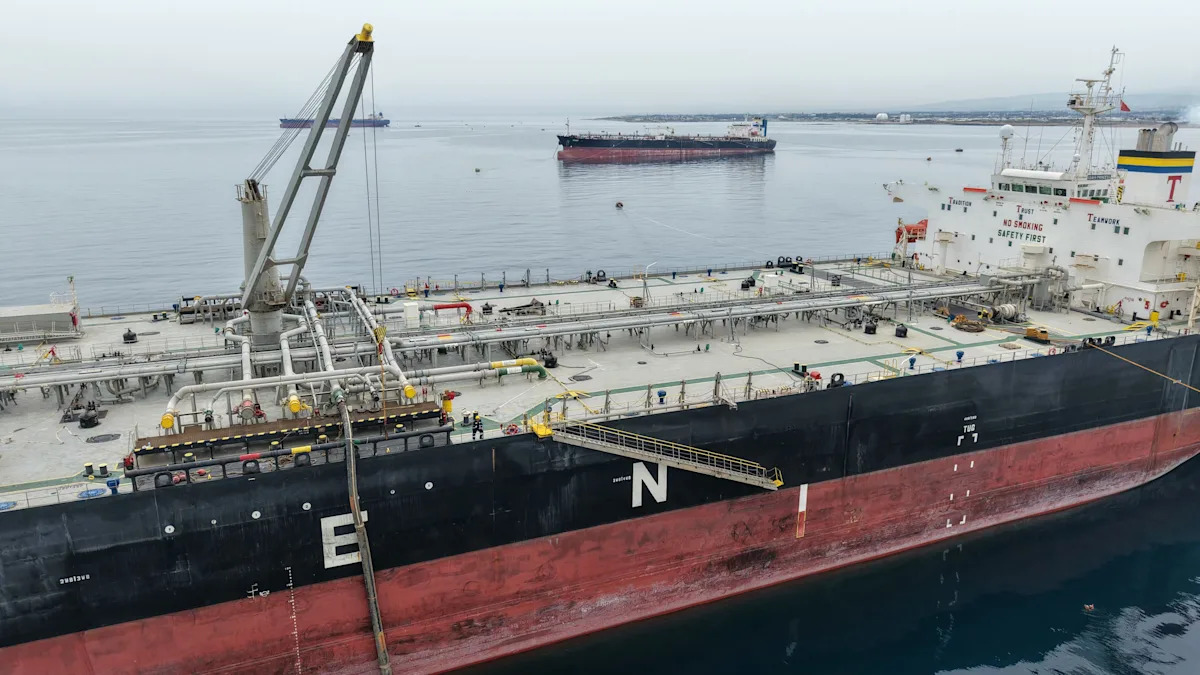
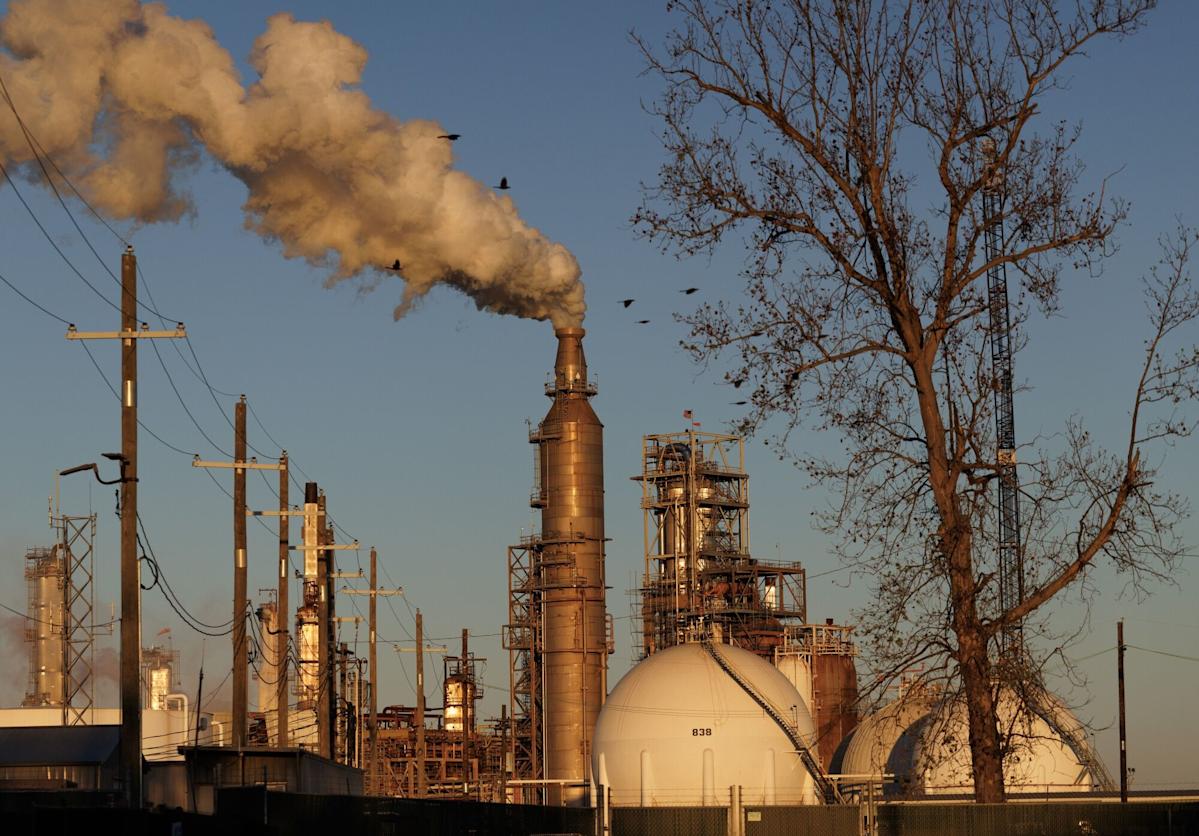
- Supply Shock Impact: The ongoing conflict in the Middle East has sharply driven up oil and gas prices, particularly after military actions by the U.S. and Israel, with approximately 20% of global oil and LNG shipments affected, intensifying fears of supply shortages.
- Energy Stock Performance: Many oil and gas-related stocks rose last week as traders rotated into companies poised to benefit from higher energy prices, demonstrating the safe-haven characteristics of energy stocks during supply shocks.
- ExxonMobil Analysis: While ExxonMobil is one of the largest and best-managed energy companies globally, covering exploration, production, and refining of oil and gas, analysts have noted it did not make the current list of top investment stocks, suggesting caution for potential investors.
- Market Outlook: The Trump administration is attempting to negotiate an end to hostilities, yet is also reportedly considering ground operations in Iran, which would significantly escalate the conflict and likely prolong market uncertainty.
Trade with 70% Backtested Accuracy
Stop guessing "Should I Buy XOM?" and start using high-conviction signals backed by rigorous historical data.
Sign up today to access powerful investing tools and make smarter, data-driven decisions.
Analyst Views on XOM
Wall Street analysts forecast XOM stock price to fall
19 Analyst Rating
12 Buy
7 Hold
0 Sell
Moderate Buy
Current: 151.980

Low
114.00
Averages
132.17
High
158.00
Current: 151.980
Low
114.00
Averages
132.17
High
158.00
About XOM
Exxon Mobil Corporation is an energy provider and chemical manufacturer. The Company’s principal business involves exploration for, and production of, crude oil and natural gas; the manufacture, trade, transport and sale of crude oil, natural gas, petroleum products, petrochemicals and a wide variety of specialty products; and pursuit of lower-emission and other new business opportunities, including carbon capture and storage, hydrogen, lower-emission fuels, Proxxima systems, carbon materials, and lithium. Its Upstream segment explores for and produces crude oil and natural gas. The Energy Products, Chemical Products, and Specialty Products segments manufacture and sell petroleum products and petrochemicals. Energy Products segment includes fuels, aromatics, and catalysts and licensing. Chemical Products segment consists of olefins, polyolefins, and intermediates. Specialty Products segment includes finished lubricants, basestocks and waxes, synthetics, and elastomers and resins.
About the author

Emily J. Thompson
Emily J. Thompson, a Chartered Financial Analyst (CFA) with 12 years in investment research, graduated with honors from the Wharton School. Specializing in industrial and technology stocks, she provides in-depth analysis for Intellectia’s earnings and market brief reports.

Global Markets Optimistic on US-Iran Conflict Resolution

- Energy Flow Disruption: The ongoing US-Iran conflict, now in its 45th day, has stalled energy flows through the Strait of Hormuz, impacting approximately 15 million barrels per day, which constitutes about 15% of total global liquids demand, posing a significant threat to industrial output and energy inflation in the Asia-Pacific region.
- Market Reaction: Brent crude prices initially surged to $120 per barrel but have recently retreated below $100, indicating that market participants are viewing the current supply gap as a short-term anomaly rather than a structural crisis, reflecting optimism for a diplomatic resolution.
- Logistical Challenges: Currently, no oil tankers are transiting the Strait of Hormuz, with over 750 vessels, including 138 laden oil tankers, stranded in the Arabian Gulf, and restarting these vital shipping lanes will require complex, non-punitive shipping protocols and revised insurance arrangements.
- Monitoring Recommendations: Bernstein warns that the market is underestimating the time-intensive logistical hurdles necessary to restore global supply equilibrium, and investors should closely monitor developments regarding international shipping insurance and transit agreements, as these will be critical indicators for when global energy markets can normalize.
See More

S&P 500 Hits Record High, Yet PE Ratio Declines

- PE Compression: Despite the S&P 500 reaching an all-time high, the price-to-earnings (PE) ratio has declined from above 23 in October to around 22 over the past six months, indicating cautious investor sentiment regarding future earnings expectations.
- Profit Drivers: The current decline in PE ratios is heavily reliant on the artificial intelligence infrastructure boom and war-related energy gains, both of which face sustainability challenges that could lead to market volatility.
- Diverging Investor Views: Some analysts argue that valuations for AI-linked companies, particularly data center suppliers, are finally becoming justified, with PEG ratios at their most attractive levels since 2013, while others caution that this growth may be temporary.
- Geopolitical Risks: The energy sector has seen profit forecasts rise due to the conflict in Iran, yet as demonstrated by recent volatility in the Strait of Hormuz, this sector remains highly sensitive to geopolitical developments, potentially impacting future earnings stability.
See More

Escalating Geopolitical Tensions in the Middle East
- Strait of Hormuz Closure: The IRGC's abrupt reversal of the Strait's reopening, just hours after Foreign Minister Abbas Araghchi's announcement, highlights significant internal rifts between Iran's government and military, posing major risks to energy transport.
- Escalation of Military Actions: IRGC gunboats reportedly fired on commercial vessels near the Omani coast, issuing radio warnings that effectively shut down unauthorized traffic, further escalating regional tensions and impacting global energy market stability.
- Intensifying Power Struggle: Following Supreme Leader Khamenei's death, Iran's internal power struggles have intensified, with the absence of centralized authority emboldening hard-liners to operate more autonomously under the
See More

Strait of Hormuz Energy Transit Restrictions Reimposed
- Hope for Transit Resumption Fades: Following Iranian Foreign Minister Abbas Araghchi's announcement of the Strait being 'completely open', several tankers attempted to transit but were intercepted by Iranian naval forces, indicating a sharp deterioration in the situation.
- Global Energy Supply Disrupted: The strait carries about one-fifth of global LNG supplies, and Iran's sudden reversal forced multiple LNG tankers loaded in Qatar to turn back or idle, severely impacting energy supply chains.
- Market Uncertainty Intensifies: U.S. President Trump reaffirmed that the naval blockade on Iranian ports would remain, which Iran viewed as a breach of the truce, further exacerbating market volatility and uncertainty.
- High-Risk Status Persists: Insurance providers remain cautious due to ongoing threats of attacks, mines, and interceptions, maintaining the 'high-risk' status of the strait and leaving global energy markets in a state of profound uncertainty.
See More
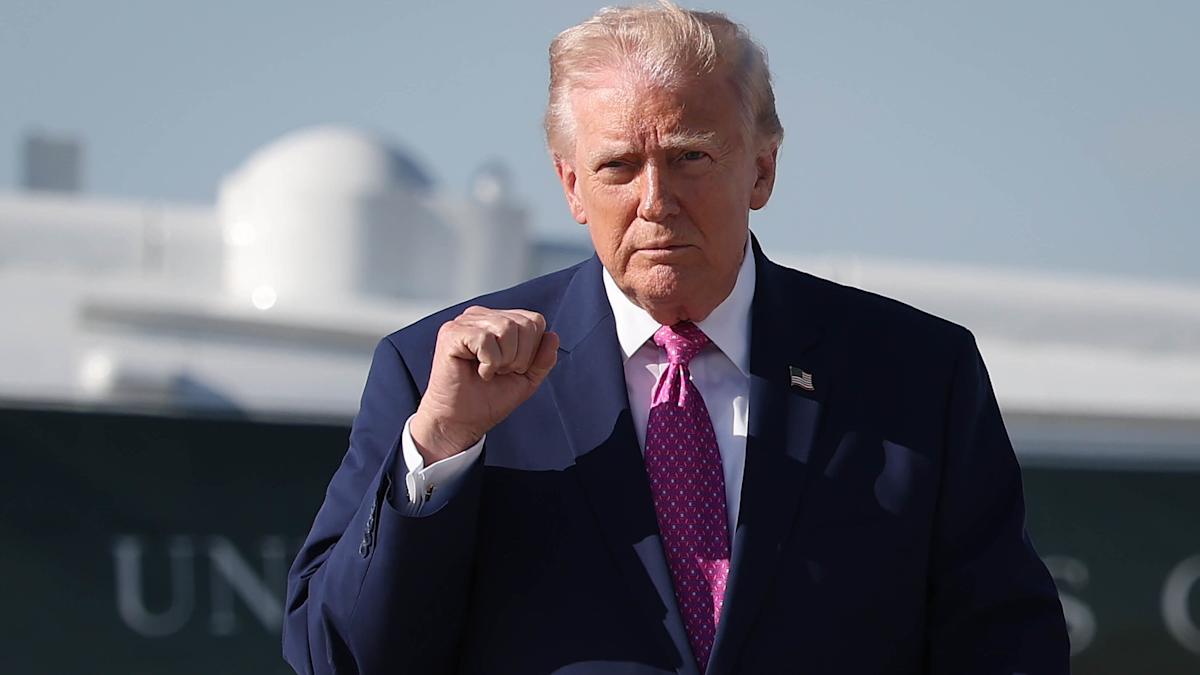
Trump Claims $92 Oil is 'Only High' as Prices Plummet
- Oil Price Fluctuation: Trump expressed surprise at oil being only $92 a barrel, which is 27% above pre-war levels, indicating market uncertainty about future price movements and potential volatility.
- Strait of Hormuz Open: Iran's foreign minister announced the Strait of Hormuz was 'completely open,' leading to a more than 9% drop in oil prices within hours, with WTI crude falling to $83.85 and Brent to $90.38, highlighting market sensitivity to supply restoration.
- Supply-Demand Tightness: Analysts warned that despite the Strait's reopening, oil markets are tightening, estimating around 13 million barrels per day of supply disruption, indicating that even with short-term price drops, long-term supply-demand imbalances remain a risk.
- Future Price Forecast: The EIA projected that even after the resumption of oil flows through Hormuz, prices would likely stay elevated due to the time required to sort out backed-up tanker routes and trade flows, reflecting the complexity of future oil price trajectories.
See More
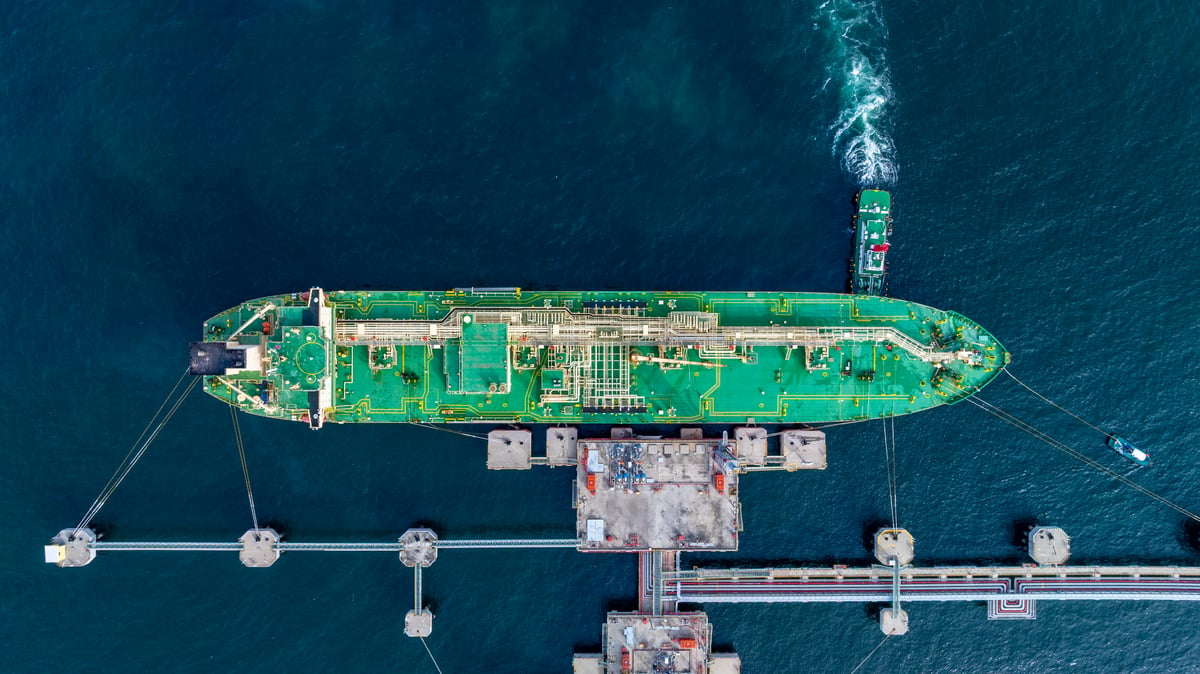
Global Helium Shortage Crisis Intensifies
- Helium Supply Disruption: QatarEnergy declared force majeure on March 2 at its Ras Laffan facility, which produces 30% to 38% of the world's helium, due to damage from Iranian drone strikes, with repairs expected to take three to five years, leading to a significant crisis in the semiconductor industry.
- Semiconductor Industry Risks: Helium is irreplaceable in semiconductor manufacturing, particularly during the etching process, and any disruption in the supply chain could result in decreased chip yields, with industry associations warning that the current supply crisis will exacerbate shortages and impact future production capabilities.
- Transport Bottlenecks: Approximately 200 specialized cryogenic shipping containers, valued at about $1 million each, are stranded in Qatar or in transit, and even if traffic through the Strait of Hormuz resumes, these containers will need to be repositioned and refilled before Asian chip foundries can receive new supplies.
- Market Reactions: Companies like Micron Technology are directly impacted due to their reliance on helium for DRAM and high-bandwidth memory chip production, with production slowdowns expected to worsen current shortages, while firms like ExxonMobil may benefit from soaring helium prices, which have risen from $500 to between $1,000 and $1,200.
See More
Global Markets Optimistic on US-Iran Conflict Resolution
- Energy Flow Disruption: The ongoing US-Iran conflict, now in its 45th day, has stalled energy flows through the Strait of Hormuz, impacting approximately 15 million barrels per day, which constitutes about 15% of total global liquids demand, posing a significant threat to industrial output and energy inflation in the Asia-Pacific region.
- Market Reaction: Brent crude prices initially surged to $120 per barrel but have recently retreated below $100, indicating that market participants are viewing the current supply gap as a short-term anomaly rather than a structural crisis, reflecting optimism for a diplomatic resolution.
- Logistical Challenges: Currently, no oil tankers are transiting the Strait of Hormuz, with over 750 vessels, including 138 laden oil tankers, stranded in the Arabian Gulf, and restarting these vital shipping lanes will require complex, non-punitive shipping protocols and revised insurance arrangements.
- Monitoring Recommendations: Bernstein warns that the market is underestimating the time-intensive logistical hurdles necessary to restore global supply equilibrium, and investors should closely monitor developments regarding international shipping insurance and transit agreements, as these will be critical indicators for when global energy markets can normalize.
See More
S&P 500 Hits Record High, Yet PE Ratio Declines
- PE Compression: Despite the S&P 500 reaching an all-time high, the price-to-earnings (PE) ratio has declined from above 23 in October to around 22 over the past six months, indicating cautious investor sentiment regarding future earnings expectations.
- Profit Drivers: The current decline in PE ratios is heavily reliant on the artificial intelligence infrastructure boom and war-related energy gains, both of which face sustainability challenges that could lead to market volatility.
- Diverging Investor Views: Some analysts argue that valuations for AI-linked companies, particularly data center suppliers, are finally becoming justified, with PEG ratios at their most attractive levels since 2013, while others caution that this growth may be temporary.
- Geopolitical Risks: The energy sector has seen profit forecasts rise due to the conflict in Iran, yet as demonstrated by recent volatility in the Strait of Hormuz, this sector remains highly sensitive to geopolitical developments, potentially impacting future earnings stability.
See More
Escalating Geopolitical Tensions in the Middle East
- Strait of Hormuz Closure: The IRGC's abrupt reversal of the Strait's reopening, just hours after Foreign Minister Abbas Araghchi's announcement, highlights significant internal rifts between Iran's government and military, posing major risks to energy transport.
- Escalation of Military Actions: IRGC gunboats reportedly fired on commercial vessels near the Omani coast, issuing radio warnings that effectively shut down unauthorized traffic, further escalating regional tensions and impacting global energy market stability.
- Intensifying Power Struggle: Following Supreme Leader Khamenei's death, Iran's internal power struggles have intensified, with the absence of centralized authority emboldening hard-liners to operate more autonomously under the
See More
Strait of Hormuz Energy Transit Restrictions Reimposed
- Hope for Transit Resumption Fades: Following Iranian Foreign Minister Abbas Araghchi's announcement of the Strait being 'completely open', several tankers attempted to transit but were intercepted by Iranian naval forces, indicating a sharp deterioration in the situation.
- Global Energy Supply Disrupted: The strait carries about one-fifth of global LNG supplies, and Iran's sudden reversal forced multiple LNG tankers loaded in Qatar to turn back or idle, severely impacting energy supply chains.
- Market Uncertainty Intensifies: U.S. President Trump reaffirmed that the naval blockade on Iranian ports would remain, which Iran viewed as a breach of the truce, further exacerbating market volatility and uncertainty.
- High-Risk Status Persists: Insurance providers remain cautious due to ongoing threats of attacks, mines, and interceptions, maintaining the 'high-risk' status of the strait and leaving global energy markets in a state of profound uncertainty.
See More
Trump Claims $92 Oil is 'Only High' as Prices Plummet
- Oil Price Fluctuation: Trump expressed surprise at oil being only $92 a barrel, which is 27% above pre-war levels, indicating market uncertainty about future price movements and potential volatility.
- Strait of Hormuz Open: Iran's foreign minister announced the Strait of Hormuz was 'completely open,' leading to a more than 9% drop in oil prices within hours, with WTI crude falling to $83.85 and Brent to $90.38, highlighting market sensitivity to supply restoration.
- Supply-Demand Tightness: Analysts warned that despite the Strait's reopening, oil markets are tightening, estimating around 13 million barrels per day of supply disruption, indicating that even with short-term price drops, long-term supply-demand imbalances remain a risk.
- Future Price Forecast: The EIA projected that even after the resumption of oil flows through Hormuz, prices would likely stay elevated due to the time required to sort out backed-up tanker routes and trade flows, reflecting the complexity of future oil price trajectories.
See More
Global Helium Shortage Crisis Intensifies
- Helium Supply Disruption: QatarEnergy declared force majeure on March 2 at its Ras Laffan facility, which produces 30% to 38% of the world's helium, due to damage from Iranian drone strikes, with repairs expected to take three to five years, leading to a significant crisis in the semiconductor industry.
- Semiconductor Industry Risks: Helium is irreplaceable in semiconductor manufacturing, particularly during the etching process, and any disruption in the supply chain could result in decreased chip yields, with industry associations warning that the current supply crisis will exacerbate shortages and impact future production capabilities.
- Transport Bottlenecks: Approximately 200 specialized cryogenic shipping containers, valued at about $1 million each, are stranded in Qatar or in transit, and even if traffic through the Strait of Hormuz resumes, these containers will need to be repositioned and refilled before Asian chip foundries can receive new supplies.
- Market Reactions: Companies like Micron Technology are directly impacted due to their reliance on helium for DRAM and high-bandwidth memory chip production, with production slowdowns expected to worsen current shortages, while firms like ExxonMobil may benefit from soaring helium prices, which have risen from $500 to between $1,000 and $1,200.
See More