Mercedes-Benz CEO Discusses Electrification Strategy
Written by Emily J. Thompson, Senior Investment Analyst
Updated: 4 days ago
0mins
Source: Yahoo Finance
- Global Market Strategy: Mercedes-Benz operates in 150 markets worldwide, focusing on key regions such as North America, Europe, and China, demonstrating the far-reaching impact of its global strategy.
- Electrification Commitment: Källenius emphasizes that despite the slower-than-expected pace of electrification, the company's decision is to continue investing in electric and performance vehicles to ensure technological leadership over the next decade.
- Dual Strategy: Mercedes-Benz will advance both electric and internal combustion engine models to meet varying market demands, avoiding missed opportunities due to slow market transitions and ensuring sustained business growth.
- Innovation Investment: The company is in a significant investment phase in its history, aiming to establish a leading position in innovation and technology by the end of this decade and into the next, ensuring it does not fall behind in the electrification race.
Trade with 70% Backtested Accuracy
Stop guessing "Should I Buy F?" and start using high-conviction signals backed by rigorous historical data.
Sign up today to access powerful investing tools and make smarter, data-driven decisions.
Analyst Views on F
Wall Street analysts forecast F stock price to rise
14 Analyst Rating
3 Buy
10 Hold
1 Sell
Hold
Current: 11.370

Low
11.00
Averages
13.65
High
16.00
Current: 11.370
Low
11.00
Averages
13.65
High
16.00
About F
Ford Motor Company is an automobile company. The Company develops and delivers Ford trucks, sport utility vehicles, commercial vans and cars, and Lincoln luxury vehicles, along with connected services. The Company’s segments include Ford Blue, Ford Model e, Ford Pro, and Ford Credit. The Ford Blue segment primarily includes the sale of Ford and Lincoln internal combustion engine (ICE) and hybrid vehicles, service parts, accessories, and digital services for retail customers. The Ford Model e segment primarily includes the sale of its electric vehicles, service parts, accessories, and digital services for retail customers. The Ford Pro segment primarily includes the sale of Ford and Lincoln vehicles, service parts, accessories, and services for commercial, government, and rental customers. The Ford Credit segment consists of the Ford Credit business on a consolidated basis, which is primarily vehicle-related financing and leasing activities. Its vehicle brands are Ford and Lincoln.
About the author

Emily J. Thompson
Emily J. Thompson, a Chartered Financial Analyst (CFA) with 12 years in investment research, graduated with honors from the Wharton School. Specializing in industrial and technology stocks, she provides in-depth analysis for Intellectia’s earnings and market brief reports.

2026 Economic Outlook and Uber Developments


- GDP Growth Slowdown: The GDP growth rate for Q1 2026 is only 0.7%, significantly lower than the previous estimate of 1.4%, indicating a sluggish economic recovery that may dampen investor confidence and negatively impact stock market performance.
- Rising Inflation Pressure: With inflation exceeding 3% in January, combined with slowing GDP growth, concerns about stagflation may arise, leading to reduced consumer spending and threatening corporate profitability.
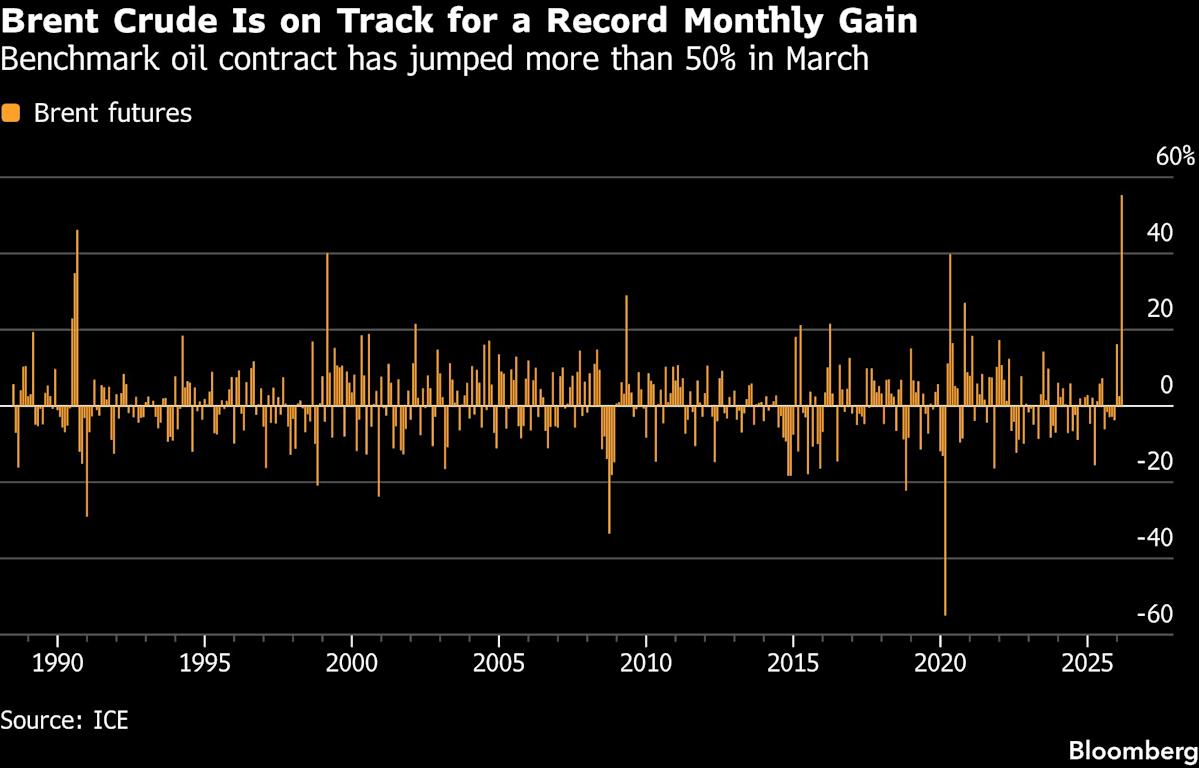
- Surge in Oil Prices: West Texas Intermediate crude oil prices have surged from $57 on January 2 to $93, even exceeding $100 at times, increasing consumer energy expenditure pressure and potentially suppressing spending in other areas.
- Uber's Autonomous Driving Partnerships: Uber has recently formed partnerships with several companies, including Waymo and Lucid, indicating its proactive positioning in the autonomous driving sector, which may lay the groundwork for future market share growth.
See More

2026 Economic Outlook and Oil Price Fluctuations
- GDP Growth Slowdown: The GDP growth rate for Q1 2026 is only 0.7%, significantly lower than the previous estimate of 1.4%, indicating economic stagnation that may heighten investor concerns about future economic prospects.
- High Inflation Pressure: With inflation exceeding 3% in January, combined with low growth, market fears of stagflation are rising, which could negatively impact consumer spending and business investment decisions, further dragging down economic recovery.
- Surging Oil Prices Impact: As of the recording date, West Texas Intermediate crude oil prices have reached $93 per barrel, a significant increase from $57 on January 2, which may force consumers to cut back on other expenditures due to rising energy costs, affecting overall economic activity.
- Geopolitical Risks: The rise in oil prices is primarily driven by geopolitical conflicts rather than demand growth, particularly due to uncertainties surrounding Iran, which could lead to a more pessimistic economic outlook, necessitating close monitoring of related developments.
See More
Classic Car Restoration Nightmare: Customer Struggles for Justice

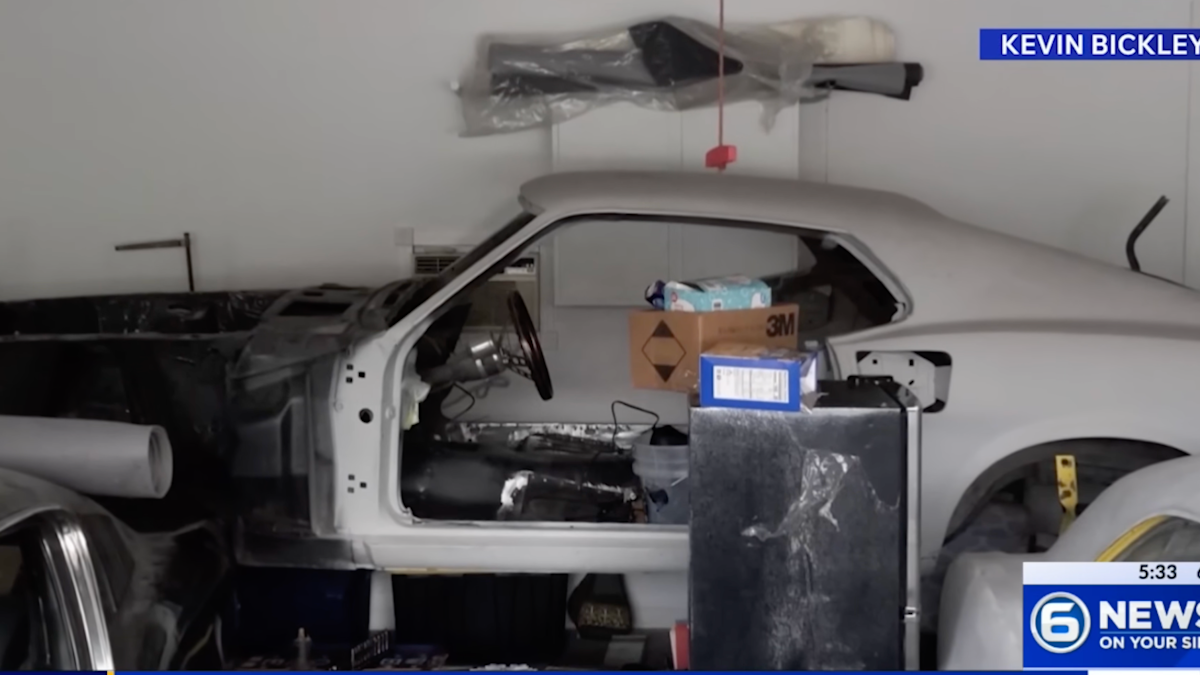
- Breach of Restoration Promise: Kevin Bickley entrusted his 1969 Ford Mustang Mach 1 to a shop in 2020 with a restoration promise by Easter 2021, but after five years and $24,312 spent, he received a stripped-down vehicle, highlighting a crisis of trust in the restoration industry.
- Frequent Legal Actions: Another customer, Jeff Ratliff, spent over $25,000 on his 1956 Ford F-100, and after ten months of inaction, he took legal action and won, reflecting the legal risks and difficulties consumers face in the restoration process.
- Increasing Market Risks: The U.S. classic car market was valued at approximately $12.6 billion in 2024 and is projected to approach $26 billion by 2032; however, the lack of oversight in the restoration industry poses higher risks for consumers, especially amid rising market demand.
- Uncertain Investment Returns: While classic cars still hold investment potential, Hagerty's data indicates that in 2024, high-end classic car values softened for the first time in 17 years compared to stock market returns, suggesting that the risks and rewards of investing in classic cars may not meet expectations, urging consumers to proceed with caution.
See More
Ford's Production Transformation and Its Potential Impacts

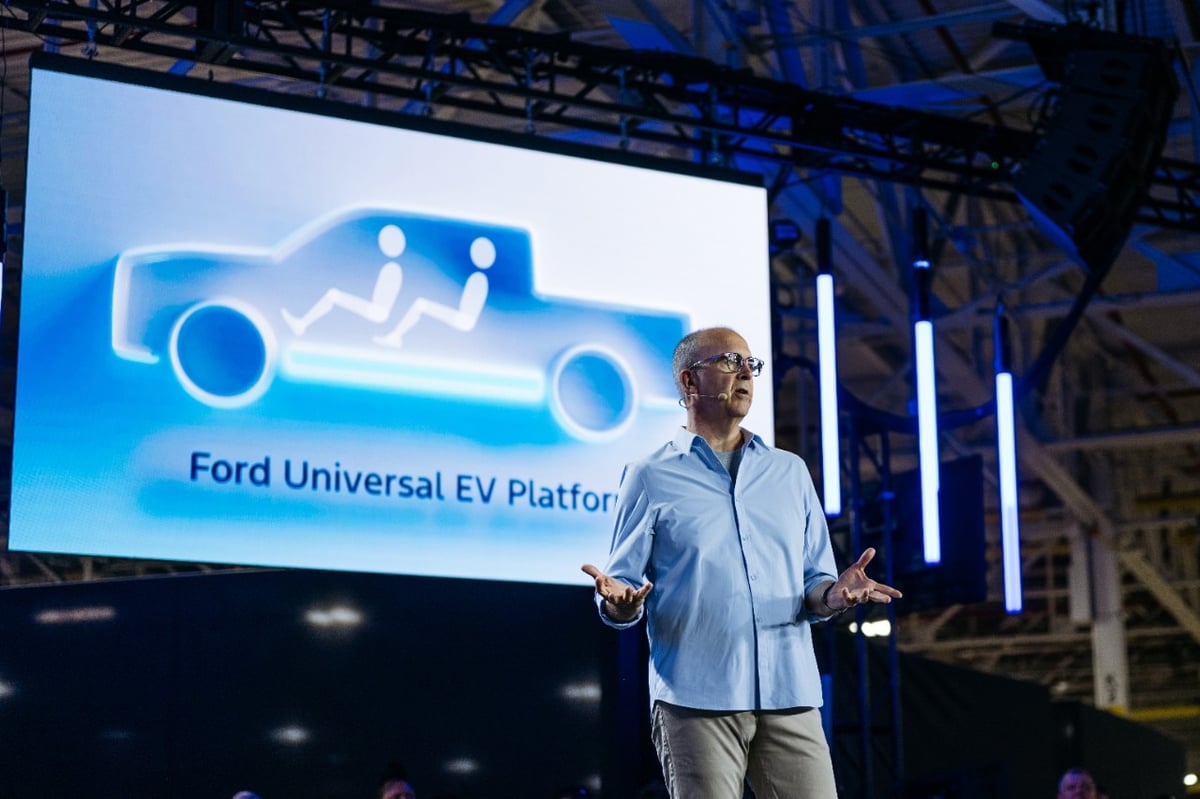
- Efficiency Improvement: Ford is implementing its Universal EV Production System, which allows for simultaneous assembly of three subcomponents, expected to shorten production times and enhance efficiency, thereby gaining an edge over Chinese competitors.
- Cost and Repair Challenges: The upcoming 2027 electric pickup will replace hundreds of smaller parts with two large aluminum castings, which may lower production costs but raises concerns about increased repair expenses, particularly for fleet orders.
- Market Competition Pressure: As Chinese automakers gradually enter the U.S. market, Ford must prepare in terms of pricing, manufacturing, and efficiency to avoid significant potential losses for investors, especially in the increasingly competitive electric vehicle sector.
- Long-term Investment Outlook: Ford's production transformation represents not only a technological innovation but also a crucial strategy for maintaining competitiveness in the future market, and if it can effectively avoid unintended negative consequences, it will yield positive returns for long-term investors.
See More

Ford's New Production Model and Its Potential Impact
- Efficiency Gains: Ford plans to enhance production speed and efficiency by adopting unicasting technology, replacing hundreds of smaller components with two large aluminum unicastings in its upcoming $30,000 midsize electric pickup in 2027, thereby strengthening its competitive edge in the EV market.
- Repair Cost Considerations: While early research indicates that larger castings may lower repair costs, Ford must carefully assess the potential for increased consumer repair bills if collision centers need to replace a single large piece instead of smaller components, posing a risk to its commercial fleet business.
- Competitive Market Pressure: As Chinese competitors gradually enter the U.S. market, Ford must prepare to compete on price, manufacturing, and efficiency to avoid devastating impacts on investors, particularly in the rapidly evolving electric vehicle sector.
- Strategic Transformation Significance: The advancements in Ford's Universal EV Production Platform and assembly tree signify a renewed innovation in production techniques, and if executed successfully, could help the company reclaim its leading position in the industry, boosting long-term investor confidence.
See More
Ford's Production Change: Potential Risks Ahead
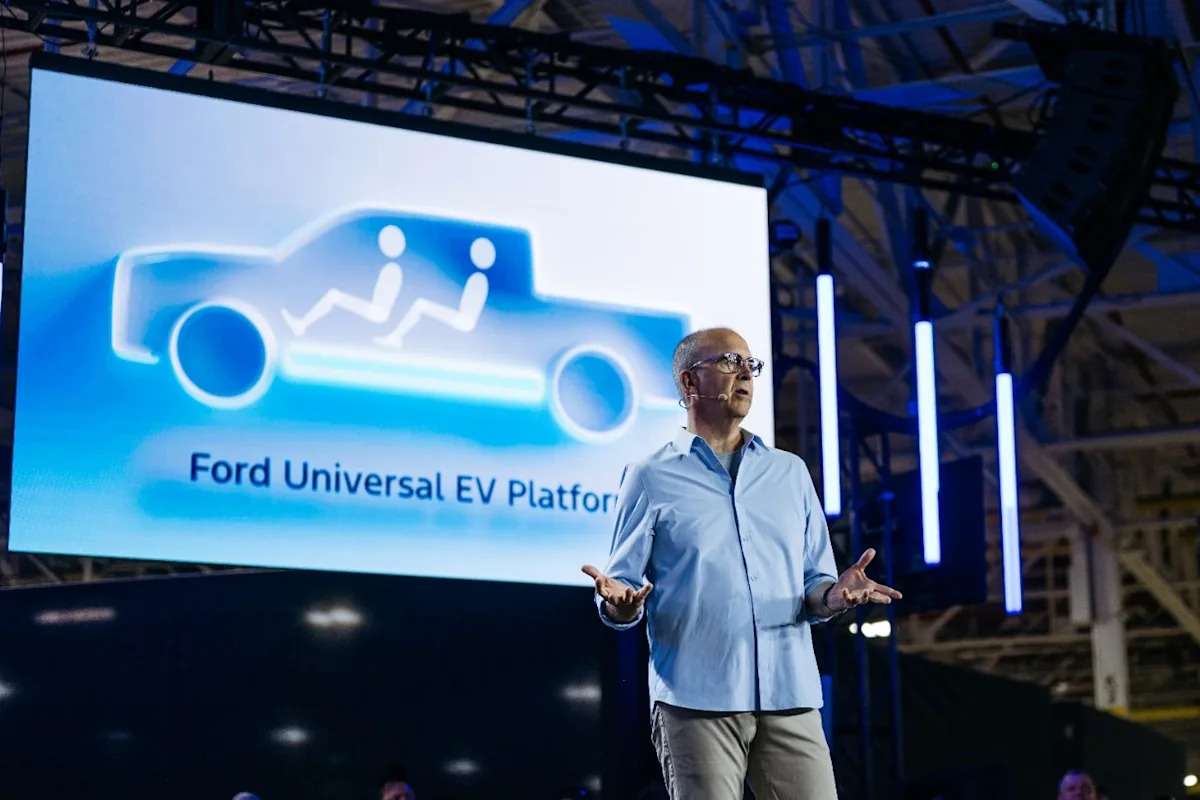
- Efficiency Improvement: Ford is implementing its Universal EV Production System, which allows for three simultaneous subassemblies, expected to reduce production time and enhance overall efficiency, thereby gaining an edge over Chinese competitors.
- Repair Cost Considerations: The upcoming 2027 electric pickup will replace hundreds of smaller components with two large aluminum castings, which may lower repair costs but could also lead to higher expenses for consumers when replacing large parts after accidents.
- Market Competition Pressure: As Chinese automakers gradually enter the U.S. market, Ford must prepare in terms of pricing, manufacturing, and efficiency to avoid significant potential losses for investors, particularly in its Ford Pro commercial business where order decisions are influenced by cost variables.
- Long-term Investment Impact: If Ford's production transformation is successfully executed, it could help maintain its competitive edge in the future market; however, failure to address potential repair issues could negatively impact its stock price and investor confidence.
See More
2026 Economic Outlook and Uber Developments
- GDP Growth Slowdown: The GDP growth rate for Q1 2026 is only 0.7%, significantly lower than the previous estimate of 1.4%, indicating a sluggish economic recovery that may dampen investor confidence and negatively impact stock market performance.
- Rising Inflation Pressure: With inflation exceeding 3% in January, combined with slowing GDP growth, concerns about stagflation may arise, leading to reduced consumer spending and threatening corporate profitability.
- Surge in Oil Prices: West Texas Intermediate crude oil prices have surged from $57 on January 2 to $93, even exceeding $100 at times, increasing consumer energy expenditure pressure and potentially suppressing spending in other areas.
- Uber's Autonomous Driving Partnerships: Uber has recently formed partnerships with several companies, including Waymo and Lucid, indicating its proactive positioning in the autonomous driving sector, which may lay the groundwork for future market share growth.
See More
2026 Economic Outlook and Oil Price Fluctuations
- GDP Growth Slowdown: The GDP growth rate for Q1 2026 is only 0.7%, significantly lower than the previous estimate of 1.4%, indicating economic stagnation that may heighten investor concerns about future economic prospects.
- High Inflation Pressure: With inflation exceeding 3% in January, combined with low growth, market fears of stagflation are rising, which could negatively impact consumer spending and business investment decisions, further dragging down economic recovery.
- Surging Oil Prices Impact: As of the recording date, West Texas Intermediate crude oil prices have reached $93 per barrel, a significant increase from $57 on January 2, which may force consumers to cut back on other expenditures due to rising energy costs, affecting overall economic activity.
- Geopolitical Risks: The rise in oil prices is primarily driven by geopolitical conflicts rather than demand growth, particularly due to uncertainties surrounding Iran, which could lead to a more pessimistic economic outlook, necessitating close monitoring of related developments.
See More
Classic Car Restoration Nightmare: Customer Struggles for Justice
- Breach of Restoration Promise: Kevin Bickley entrusted his 1969 Ford Mustang Mach 1 to a shop in 2020 with a restoration promise by Easter 2021, but after five years and $24,312 spent, he received a stripped-down vehicle, highlighting a crisis of trust in the restoration industry.
- Frequent Legal Actions: Another customer, Jeff Ratliff, spent over $25,000 on his 1956 Ford F-100, and after ten months of inaction, he took legal action and won, reflecting the legal risks and difficulties consumers face in the restoration process.
- Increasing Market Risks: The U.S. classic car market was valued at approximately $12.6 billion in 2024 and is projected to approach $26 billion by 2032; however, the lack of oversight in the restoration industry poses higher risks for consumers, especially amid rising market demand.
- Uncertain Investment Returns: While classic cars still hold investment potential, Hagerty's data indicates that in 2024, high-end classic car values softened for the first time in 17 years compared to stock market returns, suggesting that the risks and rewards of investing in classic cars may not meet expectations, urging consumers to proceed with caution.
See More
Ford's Production Transformation and Its Potential Impacts
- Efficiency Improvement: Ford is implementing its Universal EV Production System, which allows for simultaneous assembly of three subcomponents, expected to shorten production times and enhance efficiency, thereby gaining an edge over Chinese competitors.
- Cost and Repair Challenges: The upcoming 2027 electric pickup will replace hundreds of smaller parts with two large aluminum castings, which may lower production costs but raises concerns about increased repair expenses, particularly for fleet orders.
- Market Competition Pressure: As Chinese automakers gradually enter the U.S. market, Ford must prepare in terms of pricing, manufacturing, and efficiency to avoid significant potential losses for investors, especially in the increasingly competitive electric vehicle sector.
- Long-term Investment Outlook: Ford's production transformation represents not only a technological innovation but also a crucial strategy for maintaining competitiveness in the future market, and if it can effectively avoid unintended negative consequences, it will yield positive returns for long-term investors.
See More
Ford's New Production Model and Its Potential Impact
- Efficiency Gains: Ford plans to enhance production speed and efficiency by adopting unicasting technology, replacing hundreds of smaller components with two large aluminum unicastings in its upcoming $30,000 midsize electric pickup in 2027, thereby strengthening its competitive edge in the EV market.
- Repair Cost Considerations: While early research indicates that larger castings may lower repair costs, Ford must carefully assess the potential for increased consumer repair bills if collision centers need to replace a single large piece instead of smaller components, posing a risk to its commercial fleet business.
- Competitive Market Pressure: As Chinese competitors gradually enter the U.S. market, Ford must prepare to compete on price, manufacturing, and efficiency to avoid devastating impacts on investors, particularly in the rapidly evolving electric vehicle sector.
- Strategic Transformation Significance: The advancements in Ford's Universal EV Production Platform and assembly tree signify a renewed innovation in production techniques, and if executed successfully, could help the company reclaim its leading position in the industry, boosting long-term investor confidence.
See More
Ford's Production Change: Potential Risks Ahead
- Efficiency Improvement: Ford is implementing its Universal EV Production System, which allows for three simultaneous subassemblies, expected to reduce production time and enhance overall efficiency, thereby gaining an edge over Chinese competitors.
- Repair Cost Considerations: The upcoming 2027 electric pickup will replace hundreds of smaller components with two large aluminum castings, which may lower repair costs but could also lead to higher expenses for consumers when replacing large parts after accidents.
- Market Competition Pressure: As Chinese automakers gradually enter the U.S. market, Ford must prepare in terms of pricing, manufacturing, and efficiency to avoid significant potential losses for investors, particularly in its Ford Pro commercial business where order decisions are influenced by cost variables.
- Long-term Investment Impact: If Ford's production transformation is successfully executed, it could help maintain its competitive edge in the future market; however, failure to address potential repair issues could negatively impact its stock price and investor confidence.
See More