Korro Bio's Initial Trial Results Disappoint; Shares Reach Record Low

Stock Performance: Korro Bio, Inc. (NASDAQ: KRRO) experienced a significant decline in stock price, dropping 80% to $6.27, with a trading volume of 6.68 million shares compared to the average of 1.42 million.
Clinical Trial Update: The company reported that its KRRO-110 treatment for alpha-1 antitrypsin deficiency (AATD) produced functional M-AAT protein in patients, but did not meet the expected protein levels based on preclinical data.
Strategic Restructuring: Korro is implementing a workforce reduction of approximately 34% to focus on advancing its GalNAc-conjugated programs and extending its cash runway into the second half of 2027.
Analyst Downgrade: William Blair downgraded Korro's stock from Outperform to Market Perform, citing concerns over the competitiveness of KRRO-110 and the pause in collaboration with Novo Nordisk.
Trade with 70% Backtested Accuracy
Analyst Views on NVO

About NVO
About the author

Novo Nordisk's Etavopivat Trial Achieves Success
- Trial Success: Novo Nordisk's HIBISCUS Phase 3 trial demonstrated that etavopivat significantly reduced vaso-occlusive crises and improved hemoglobin response in 385 patients aged 12 and older over 52 weeks, achieving both co-primary endpoints and confirming the drug's efficacy.
- Safety Profile: The therapy exhibited a safety profile consistent with prior studies, indicating good tolerability, which enhances its potential for clinical application and may offer patients a safer treatment option for sickle cell disease.
- Regulatory Submission Plans: Novo Nordisk intends to submit a regulatory application for etavopivat in H2 2026, marking a critical step toward market entry, and if approved, it could provide new treatment options for sickle cell disease patients.
- Future Results Presentation: The company plans to present detailed trial results at an upcoming medical event, which could further drive interest and research into the drug, potentially attracting more investors and healthcare professionals to its innovative treatment approach.
Roche Reports 5% Sales Decline in Q1 Amid Currency Pressures
- Sales Performance Decline: Roche reported first-quarter sales of 14.7 billion Swiss francs ($18.7 billion), a 5% year-on-year decline, primarily impacted by the strength of the Swiss franc and competition from generics for older drugs, indicating pressure on the company's market position.
- Significant Currency Impact: While sales in Swiss francs decreased, there was a 6% increase in constant currency terms, highlighting the substantial effect of currency fluctuations, particularly as the Swiss franc appreciated against the U.S. dollar, leading to a 9% increase in dollar-denominated sales.
- Future Investment Strategy: CEO Thomas Schinecker stated that Roche will continue to invest in the U.S. market and plans to enhance its market position through acquisitions, demonstrating confidence in future growth despite pressures from expiring patents on older drugs.
- Weight Loss Market Positioning: Roche is actively positioning itself in the weight loss market, aiming to become a top-three player with its experimental drug CT-388, targeting a double-digit market share in the future, indicating a strategic focus on emerging markets.
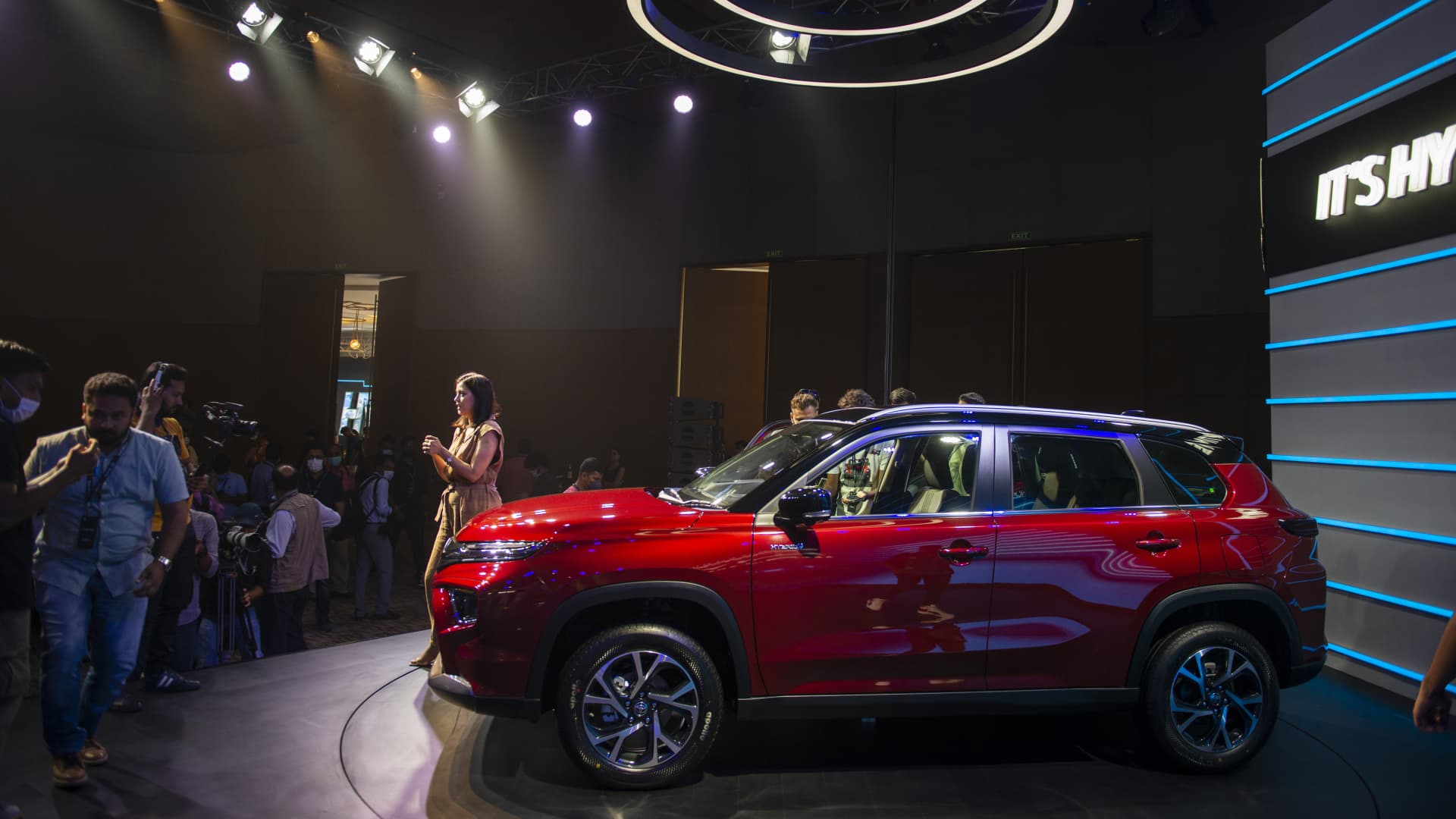
Rapid Growth of Hybrid Vehicle Market in India

- Surge in Hybrid Sales: According to a report by Care Ratings, hybrid vehicle sales in India reached 362,866 units in the financial year ending March 2026, up nearly fourfold from 98,010 units in 2020, indicating a strong consumer demand for better fuel efficiency, with hybrids expected to account for 10% of total car sales by FY2027.
- Limited EV Market Share: Despite the rising demand for electric vehicles, only 131,865 units are projected to be sold by March 2026, reflecting a consumer preference for hybrids due to concerns over inadequate charging infrastructure.
- Market Leaders: Toyota and Maruti Suzuki dominate the hybrid vehicle market in India, with Toyota selling 366,896 cars including 91,536 strong hybrids in FY2026, while Maruti sold 20,466 strong hybrids, further solidifying their market positions.
- Future Model Launches: Experts predict that more hybrid models will be launched in the next 12 months than in the past five years combined, driven by increasing consumer acceptance of hybrids that require no change in refueling habits, thereby propelling market growth.

Trump Administration Extends Medicare Coverage for Weight Loss Drugs
- Medicare Coverage Extension: The Trump administration has extended the short-term Medicare coverage for weight loss drugs until the end of 2027, responding to concerns from major health insurers about the long-term payment model, ensuring continued access to weight loss medications for patients.
- Direct Payment Mechanism: The new plan will have Medicare directly pay for weight loss medications instead of incorporating them into Medicare plans, alleviating the financial burden on health insurers and potentially increasing patient access and usage of these drugs, thus driving market growth.
- Data Collection Support: CMS indicated that this extension will facilitate data collection to support a more effective implementation of the long-term model, particularly in light of insufficient participation from health insurers, ensuring the feasibility and effectiveness of the policy.
- Insurer Participation Issues: CVS Health and UnitedHealth have expressed concerns regarding the long-term GLP-1 coverage model, with CVS explicitly opting out and UnitedHealth questioning its structure, highlighting the significance and complexity of insurer involvement in Medicare reforms.
Trump Extends Ceasefire with Iran Amid Market Volatility


- Ceasefire Extension: President Trump announced the extension of the ceasefire with Iran, originally set to expire today, until Tehran presents a 'unified proposal,' aiming to ease tensions in the Middle East, which could impact global oil prices.
- Boeing Earnings Beat: Boeing reported a smaller-than-expected loss per share in Q1 and exceeded revenue expectations, leading to a more than 3% rise in its stock price, indicating a gradual recovery in a challenging aviation market that may boost investor confidence.
- Fed Nominee Scrutiny: Kevin Warsh, Trump's nominee for Federal Reserve Chair, faced tough questions during his confirmation hearing regarding his independence and financial background, despite asserting he wouldn't lower interest rates solely at Trump's request, potentially affecting market expectations for Fed policy.
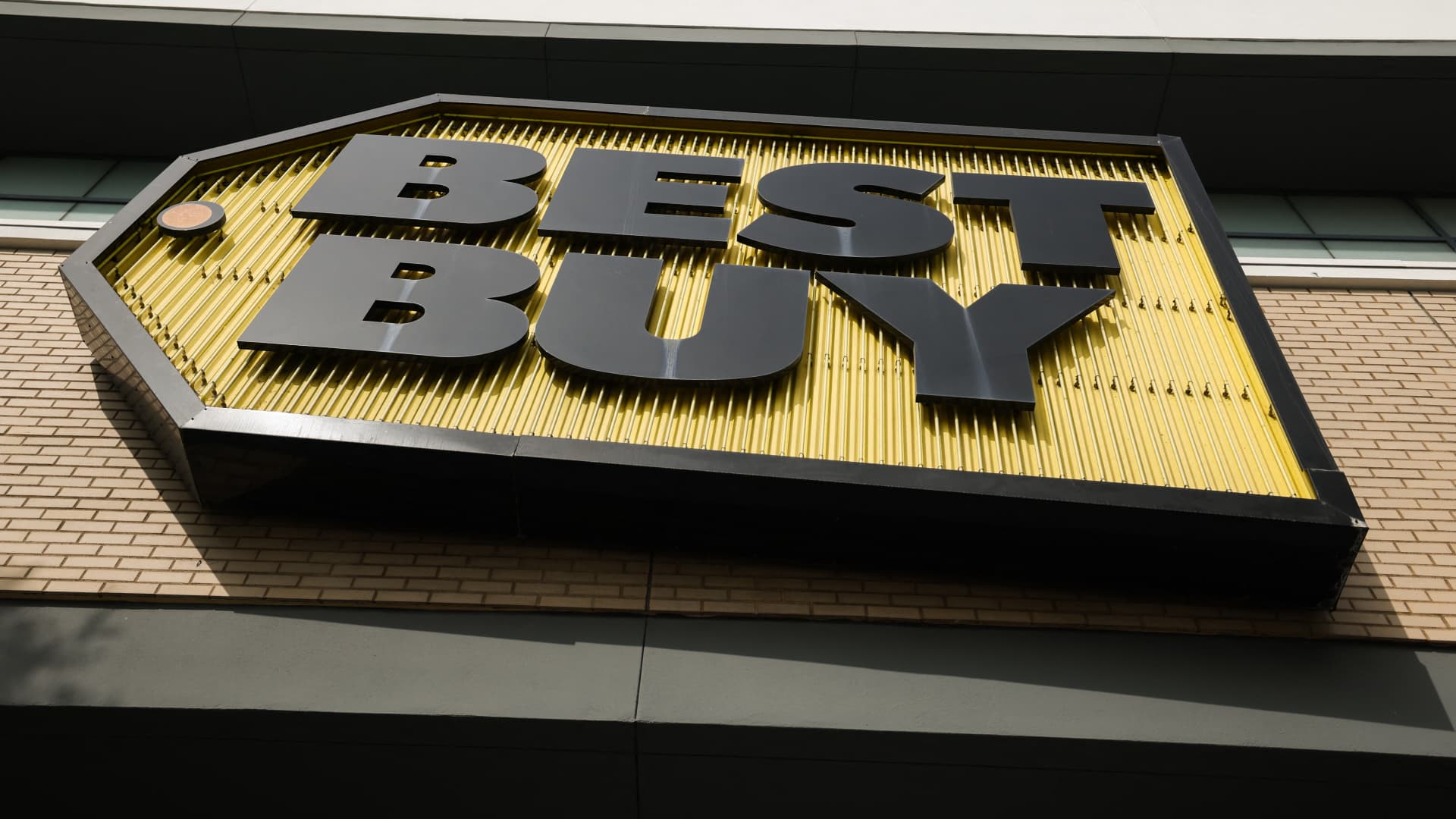
- Best Buy's New CEO: Best Buy announced that insider Jason Bonfig will succeed CEO Corie Barry on October 31, tasked with driving sales amid a lukewarm market while the company seeks to enhance its presence in the artificial intelligence product sector.
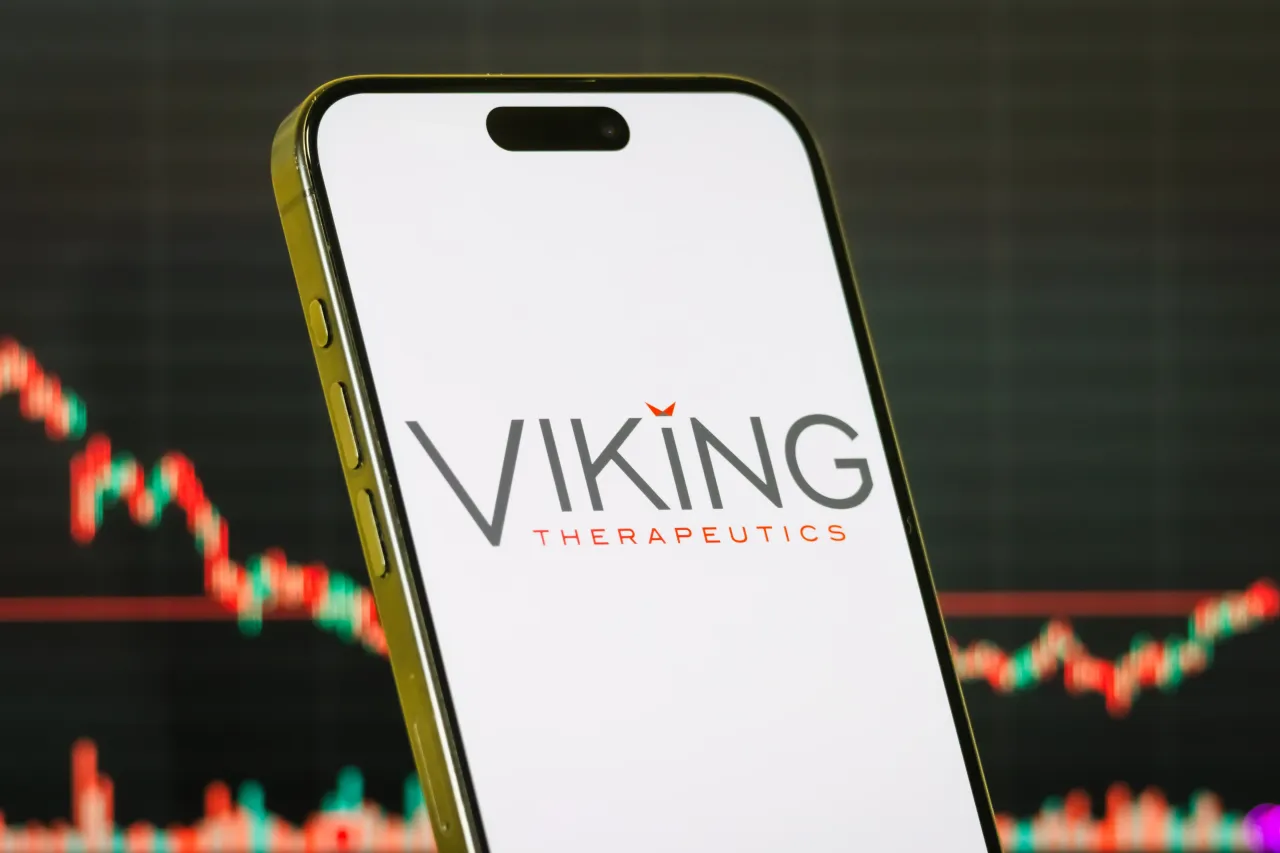
Viking Therapeutics Q1 Earnings Preview Highlights Losses and Market Potential
- Earnings Loss Forecast: Koyfin estimates a Q1 GAAP loss per share of $1.03 for Viking Therapeutics, widening from a $0.4 loss a year earlier, indicating ongoing losses during the clinical development phase with zero expected revenue as commercial sales have not yet commenced.
- Clinical Trial Progress: Investor focus remains on the Vanquish program, which completed enrollment for Vanquish-2 in March, evaluating a 78-week weight reduction treatment, reflecting strong demand for additional obesity treatment options as noted by CEO Brian Lian regarding rapid enrollment.
- Intensifying Market Competition: The obesity drug market is becoming increasingly competitive, with Viking's main rival Structure Therapeutics reporting over 16% weight loss from its oral GLP-1 candidate over ten months, while Amazon has launched an integrated GLP-1 treatment platform, intensifying competition in the sector.
- Analyst Optimism: Despite the anticipated losses, Koyfin projects a 174% upside for VKTX stock with a 12-month price target of $92.72, as coverage from 19 analysts mostly reflects a 'Strong Buy' consensus, indicating market confidence in its obesity drug development.
Novo Nordisk's Etavopivat Trial Achieves Success
- Trial Success: Novo Nordisk's HIBISCUS Phase 3 trial demonstrated that etavopivat significantly reduced vaso-occlusive crises and improved hemoglobin response in 385 patients aged 12 and older over 52 weeks, achieving both co-primary endpoints and confirming the drug's efficacy.
- Safety Profile: The therapy exhibited a safety profile consistent with prior studies, indicating good tolerability, which enhances its potential for clinical application and may offer patients a safer treatment option for sickle cell disease.
- Regulatory Submission Plans: Novo Nordisk intends to submit a regulatory application for etavopivat in H2 2026, marking a critical step toward market entry, and if approved, it could provide new treatment options for sickle cell disease patients.
- Future Results Presentation: The company plans to present detailed trial results at an upcoming medical event, which could further drive interest and research into the drug, potentially attracting more investors and healthcare professionals to its innovative treatment approach.
Roche Reports 5% Sales Decline in Q1 Amid Currency Pressures
- Sales Performance Decline: Roche reported first-quarter sales of 14.7 billion Swiss francs ($18.7 billion), a 5% year-on-year decline, primarily impacted by the strength of the Swiss franc and competition from generics for older drugs, indicating pressure on the company's market position.
- Significant Currency Impact: While sales in Swiss francs decreased, there was a 6% increase in constant currency terms, highlighting the substantial effect of currency fluctuations, particularly as the Swiss franc appreciated against the U.S. dollar, leading to a 9% increase in dollar-denominated sales.
- Future Investment Strategy: CEO Thomas Schinecker stated that Roche will continue to invest in the U.S. market and plans to enhance its market position through acquisitions, demonstrating confidence in future growth despite pressures from expiring patents on older drugs.
- Weight Loss Market Positioning: Roche is actively positioning itself in the weight loss market, aiming to become a top-three player with its experimental drug CT-388, targeting a double-digit market share in the future, indicating a strategic focus on emerging markets.
Rapid Growth of Hybrid Vehicle Market in India
- Surge in Hybrid Sales: According to a report by Care Ratings, hybrid vehicle sales in India reached 362,866 units in the financial year ending March 2026, up nearly fourfold from 98,010 units in 2020, indicating a strong consumer demand for better fuel efficiency, with hybrids expected to account for 10% of total car sales by FY2027.
- Limited EV Market Share: Despite the rising demand for electric vehicles, only 131,865 units are projected to be sold by March 2026, reflecting a consumer preference for hybrids due to concerns over inadequate charging infrastructure.
- Market Leaders: Toyota and Maruti Suzuki dominate the hybrid vehicle market in India, with Toyota selling 366,896 cars including 91,536 strong hybrids in FY2026, while Maruti sold 20,466 strong hybrids, further solidifying their market positions.
- Future Model Launches: Experts predict that more hybrid models will be launched in the next 12 months than in the past five years combined, driven by increasing consumer acceptance of hybrids that require no change in refueling habits, thereby propelling market growth.
Trump Administration Extends Medicare Coverage for Weight Loss Drugs
- Medicare Coverage Extension: The Trump administration has extended the short-term Medicare coverage for weight loss drugs until the end of 2027, responding to concerns from major health insurers about the long-term payment model, ensuring continued access to weight loss medications for patients.
- Direct Payment Mechanism: The new plan will have Medicare directly pay for weight loss medications instead of incorporating them into Medicare plans, alleviating the financial burden on health insurers and potentially increasing patient access and usage of these drugs, thus driving market growth.
- Data Collection Support: CMS indicated that this extension will facilitate data collection to support a more effective implementation of the long-term model, particularly in light of insufficient participation from health insurers, ensuring the feasibility and effectiveness of the policy.
- Insurer Participation Issues: CVS Health and UnitedHealth have expressed concerns regarding the long-term GLP-1 coverage model, with CVS explicitly opting out and UnitedHealth questioning its structure, highlighting the significance and complexity of insurer involvement in Medicare reforms.
Trump Extends Ceasefire with Iran Amid Market Volatility
- Ceasefire Extension: President Trump announced the extension of the ceasefire with Iran, originally set to expire today, until Tehran presents a 'unified proposal,' aiming to ease tensions in the Middle East, which could impact global oil prices.
- Boeing Earnings Beat: Boeing reported a smaller-than-expected loss per share in Q1 and exceeded revenue expectations, leading to a more than 3% rise in its stock price, indicating a gradual recovery in a challenging aviation market that may boost investor confidence.
- Fed Nominee Scrutiny: Kevin Warsh, Trump's nominee for Federal Reserve Chair, faced tough questions during his confirmation hearing regarding his independence and financial background, despite asserting he wouldn't lower interest rates solely at Trump's request, potentially affecting market expectations for Fed policy.
- Best Buy's New CEO: Best Buy announced that insider Jason Bonfig will succeed CEO Corie Barry on October 31, tasked with driving sales amid a lukewarm market while the company seeks to enhance its presence in the artificial intelligence product sector.
Viking Therapeutics Q1 Earnings Preview Highlights Losses and Market Potential
- Earnings Loss Forecast: Koyfin estimates a Q1 GAAP loss per share of $1.03 for Viking Therapeutics, widening from a $0.4 loss a year earlier, indicating ongoing losses during the clinical development phase with zero expected revenue as commercial sales have not yet commenced.
- Clinical Trial Progress: Investor focus remains on the Vanquish program, which completed enrollment for Vanquish-2 in March, evaluating a 78-week weight reduction treatment, reflecting strong demand for additional obesity treatment options as noted by CEO Brian Lian regarding rapid enrollment.
- Intensifying Market Competition: The obesity drug market is becoming increasingly competitive, with Viking's main rival Structure Therapeutics reporting over 16% weight loss from its oral GLP-1 candidate over ten months, while Amazon has launched an integrated GLP-1 treatment platform, intensifying competition in the sector.
- Analyst Optimism: Despite the anticipated losses, Koyfin projects a 174% upside for VKTX stock with a 12-month price target of $92.72, as coverage from 19 analysts mostly reflects a 'Strong Buy' consensus, indicating market confidence in its obesity drug development.