JPMorgan Cautiously Pushes Back on Fed Rate Cut Expectations
- Rate Policy Outlook: JPMorgan's chief strategist Oksana Aronov indicates that the slowing economic growth raises the bar for Fed rate hikes, suggesting that aggressive tightening is unlikely in 2026, reflecting a significant shift in market expectations for future rate changes.
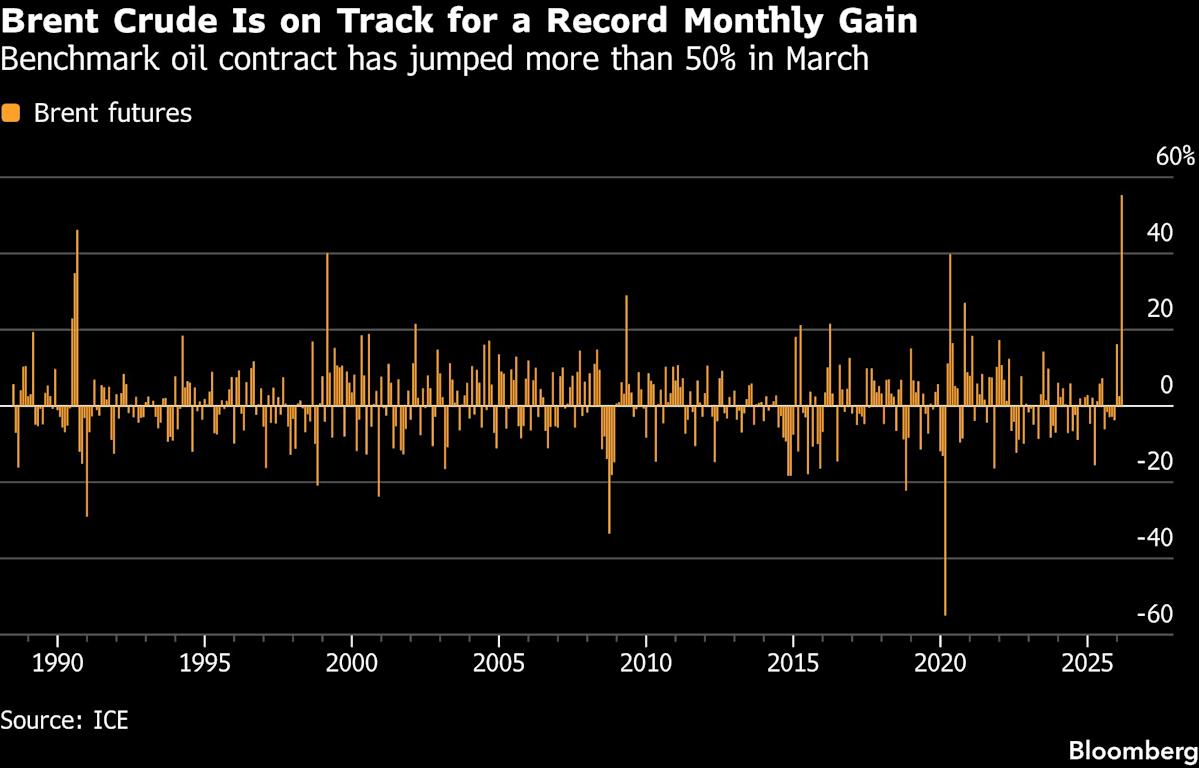
- Inflation Pressures Intensify: Rising oil prices have reignited inflation concerns, leading to a stark reversal in market sentiment from anticipated rate cuts to a 30% chance of a hike by 2026, highlighting the complexity and uncertainty of the economic landscape.
- Private Credit Risks: Aronov warns that prolonged loose financial conditions have led to emerging hidden risks in private credit, with default rates among U.S. corporate private-credit borrowers reaching a record 9.2% in 2025, indicating market fragility and potential systemic issues.
- Investor Response Strategies: Aronov advises investors to remain flexible and avoid panic in the current market, emphasizing the importance of diversification to mitigate risks associated with the high correlation between stocks and bonds, while also recommending maintaining a cash cushion for better positioning.
Trade with 70% Backtested Accuracy
Analyst Views on JPM

About JPM
About the author


J.P. Morgan to Transfer 14 ETFs to New Exchanges

- ETF Exchange Transfer: J.P. Morgan Asset Management announced the transfer of 14 ETFs from their current exchanges, including NASDAQ, NYSE Arca, and Cboe BZX, to new exchanges effective April 16, 2026, aiming to optimize trading liquidity and market reach.
- Market Leadership: As the largest issuer of active ETFs globally, managing $4.2 trillion in assets, J.P. Morgan demonstrates a strong commitment to innovative investment solutions and client returns, further solidifying its leadership position in the market.
- Diverse Client Base: The firm serves institutions, retail investors, and high-net-worth individuals across major markets worldwide, showcasing its extensive influence and client diversity in the investment management sector, which is expected to attract more investor interest in its ETF offerings.
- Investment Management Edge: J.P. Morgan provides global investment management across equities, fixed income, real estate, hedge funds, and private equity, and this exchange transfer is anticipated to enhance the market competitiveness and investment appeal of its ETFs going forward.

Vanguard ETFs Shine Amid Market Turbulence


- Safe Haven: The Vanguard Short-Term Inflation-Protected Securities ETF (VTIP) focuses on short-term U.S. Treasury bonds, delivering only a 3.15% return over the past decade, yet it protects capital during market downturns, ensuring investors' purchasing power remains intact against inflation.
- Consumer Staples ETF Outperformance: The Vanguard Consumer Staples ETF (VDC), holding 104 consumer staples stocks, only fell 4% during the 2022 bear market, significantly outperforming the S&P 500's 19% drop and the Nasdaq's 33%, demonstrating its resilience amid economic uncertainty.
- Attractiveness of High-Quality Dividend Stocks: The Vanguard Dividend Appreciation ETF (VIG) tracks the S&P U.S. Dividend Growers Index and currently holds 338 stocks; while it is not immune to market sell-offs, it has historically outperformed the S&P 500 during downturns, with an annual expense ratio of just 0.04%.
- Cost Efficiency Advantage: The Vanguard Consumer Staples ETF boasts an annual expense ratio of 0.09%, significantly lower than the average 0.73% for similar funds, making it a preferred choice for investors seeking cost-effective options during turbulent times.

Investment Havens Amid Market Turmoil
- Valuation Risks: The S&P 500's Shiller CAPE ratio is nearing its highest level since the dot-com bubble burst, indicating that market valuations are high, which necessitates caution from investors regarding potential market corrections.
- Inflation-Protected ETF: The Vanguard Short-Term Inflation-Protected Securities ETF (VTIP) focuses on short-term U.S. Treasury bonds, delivering only a 3.15% return over the past decade, yet effectively safeguards investors' purchasing power during market downturns, with an annual expense ratio of just 0.03%.
- Consumer Staples ETF Performance: The Vanguard Consumer Staples ETF (VDC) holds 104 consumer staples stocks and has historically outperformed the overall market during downturns, finishing 2022 down only 4%, significantly better than the S&P 500's 19% and Nasdaq's 33% declines.
- Dividend Growth ETF: The Vanguard Dividend Appreciation ETF (VIG) tracks the S&P U.S. Dividend Growers Index with 338 stocks, although it carries sell-off risks during market volatility, it has historically outperformed the S&P 500 and has a low annual expense ratio of 0.04%.

JPMorgan: Piper Sandler Lowers Target Price from $345 to $325

- Price Adjustment: J.P. Morgan has reduced its price target for Piper Sandler from $345 to $325.
- Market Impact: This adjustment reflects changes in market conditions and expectations for Piper Sandler's performance.

Financial Sector Sees Significant Decline This Year, Yet XLF Appears to Be a Strong Buy-Low Option


Financial Sector Performance: The financial sector has struggled in 2026, with significant losses exceeding 10% year-to-date, contrasting with expectations of growth during Trump's second term due to lower rates and relaxed regulations.
Investment Opportunities: Despite the downturn, experts suggest that the current struggles in the financial sector present a buy-low opportunity for investors, particularly in the Financial Select Sector SPDR Fund, which has seen a notable decline from its all-time high.
Regulatory Environment: Trump's administration is expected to continue dismantling financial regulations, which could further impact the sector, although recent judicial actions have limited unilateral changes by the White House.
Market Indicators: Technical indicators suggest potential for a rebound in the financial sector, with the Relative Strength Index (RSI) showing signs of improvement after previously dipping below 30, indicating that the sector may be oversold.
JPMorgan Cautiously Pushes Back on Fed Rate Cut Expectations
- Rate Policy Outlook: JPMorgan's chief strategist Oksana Aronov indicates that the slowing economic growth raises the bar for Fed rate hikes, suggesting that aggressive tightening is unlikely in 2026, reflecting a significant shift in market expectations for future rate changes.
- Inflation Pressures Intensify: Rising oil prices have reignited inflation concerns, leading to a stark reversal in market sentiment from anticipated rate cuts to a 30% chance of a hike by 2026, highlighting the complexity and uncertainty of the economic landscape.
- Private Credit Risks: Aronov warns that prolonged loose financial conditions have led to emerging hidden risks in private credit, with default rates among U.S. corporate private-credit borrowers reaching a record 9.2% in 2025, indicating market fragility and potential systemic issues.
- Investor Response Strategies: Aronov advises investors to remain flexible and avoid panic in the current market, emphasizing the importance of diversification to mitigate risks associated with the high correlation between stocks and bonds, while also recommending maintaining a cash cushion for better positioning.
J.P. Morgan to Transfer 14 ETFs to New Exchanges
- ETF Exchange Transfer: J.P. Morgan Asset Management announced the transfer of 14 ETFs from their current exchanges, including NASDAQ, NYSE Arca, and Cboe BZX, to new exchanges effective April 16, 2026, aiming to optimize trading liquidity and market reach.
- Market Leadership: As the largest issuer of active ETFs globally, managing $4.2 trillion in assets, J.P. Morgan demonstrates a strong commitment to innovative investment solutions and client returns, further solidifying its leadership position in the market.
- Diverse Client Base: The firm serves institutions, retail investors, and high-net-worth individuals across major markets worldwide, showcasing its extensive influence and client diversity in the investment management sector, which is expected to attract more investor interest in its ETF offerings.
- Investment Management Edge: J.P. Morgan provides global investment management across equities, fixed income, real estate, hedge funds, and private equity, and this exchange transfer is anticipated to enhance the market competitiveness and investment appeal of its ETFs going forward.
Vanguard ETFs Shine Amid Market Turbulence
- Safe Haven: The Vanguard Short-Term Inflation-Protected Securities ETF (VTIP) focuses on short-term U.S. Treasury bonds, delivering only a 3.15% return over the past decade, yet it protects capital during market downturns, ensuring investors' purchasing power remains intact against inflation.
- Consumer Staples ETF Outperformance: The Vanguard Consumer Staples ETF (VDC), holding 104 consumer staples stocks, only fell 4% during the 2022 bear market, significantly outperforming the S&P 500's 19% drop and the Nasdaq's 33%, demonstrating its resilience amid economic uncertainty.
- Attractiveness of High-Quality Dividend Stocks: The Vanguard Dividend Appreciation ETF (VIG) tracks the S&P U.S. Dividend Growers Index and currently holds 338 stocks; while it is not immune to market sell-offs, it has historically outperformed the S&P 500 during downturns, with an annual expense ratio of just 0.04%.
- Cost Efficiency Advantage: The Vanguard Consumer Staples ETF boasts an annual expense ratio of 0.09%, significantly lower than the average 0.73% for similar funds, making it a preferred choice for investors seeking cost-effective options during turbulent times.
Investment Havens Amid Market Turmoil
- Valuation Risks: The S&P 500's Shiller CAPE ratio is nearing its highest level since the dot-com bubble burst, indicating that market valuations are high, which necessitates caution from investors regarding potential market corrections.
- Inflation-Protected ETF: The Vanguard Short-Term Inflation-Protected Securities ETF (VTIP) focuses on short-term U.S. Treasury bonds, delivering only a 3.15% return over the past decade, yet effectively safeguards investors' purchasing power during market downturns, with an annual expense ratio of just 0.03%.
- Consumer Staples ETF Performance: The Vanguard Consumer Staples ETF (VDC) holds 104 consumer staples stocks and has historically outperformed the overall market during downturns, finishing 2022 down only 4%, significantly better than the S&P 500's 19% and Nasdaq's 33% declines.
- Dividend Growth ETF: The Vanguard Dividend Appreciation ETF (VIG) tracks the S&P U.S. Dividend Growers Index with 338 stocks, although it carries sell-off risks during market volatility, it has historically outperformed the S&P 500 and has a low annual expense ratio of 0.04%.
JPMorgan: Piper Sandler Lowers Target Price from $345 to $325
- Price Adjustment: J.P. Morgan has reduced its price target for Piper Sandler from $345 to $325.
- Market Impact: This adjustment reflects changes in market conditions and expectations for Piper Sandler's performance.
Financial Sector Sees Significant Decline This Year, Yet XLF Appears to Be a Strong Buy-Low Option
Financial Sector Performance: The financial sector has struggled in 2026, with significant losses exceeding 10% year-to-date, contrasting with expectations of growth during Trump's second term due to lower rates and relaxed regulations.
Investment Opportunities: Despite the downturn, experts suggest that the current struggles in the financial sector present a buy-low opportunity for investors, particularly in the Financial Select Sector SPDR Fund, which has seen a notable decline from its all-time high.
Regulatory Environment: Trump's administration is expected to continue dismantling financial regulations, which could further impact the sector, although recent judicial actions have limited unilateral changes by the White House.
Market Indicators: Technical indicators suggest potential for a rebound in the financial sector, with the Relative Strength Index (RSI) showing signs of improvement after previously dipping below 30, indicating that the sector may be oversold.
JPMorgan Cautiously Pushes Back on Fed Rate Cut Expectations
- Rate Policy Outlook: JPMorgan's chief strategist Oksana Aronov indicates that the slowing economic growth raises the bar for Fed rate hikes, suggesting that aggressive tightening is unlikely in 2026, reflecting a significant shift in market expectations for future rate changes.
- Inflation Pressures Intensify: Rising oil prices have reignited inflation concerns, leading to a stark reversal in market sentiment from anticipated rate cuts to a 30% chance of a hike by 2026, highlighting the complexity and uncertainty of the economic landscape.
- Private Credit Risks: Aronov warns that prolonged loose financial conditions have led to emerging hidden risks in private credit, with default rates among U.S. corporate private-credit borrowers reaching a record 9.2% in 2025, indicating market fragility and potential systemic issues.
- Investor Response Strategies: Aronov advises investors to remain flexible and avoid panic in the current market, emphasizing the importance of diversification to mitigate risks associated with the high correlation between stocks and bonds, while also recommending maintaining a cash cushion for better positioning.