Iran War Triggers Largest Oil Supply Disruption in History
Written by Emily J. Thompson, Senior Investment Analyst
Updated: 1 day ago
0mins
Source: CNBC
- Scale of Disruption: According to Rapidan Energy, the Iran war has caused a historic disruption of about 20% of global oil supply, surpassing the previous record of 10% during the Suez Crisis in 1956, highlighting the severity of the current situation.
- Price Surge Impact: With tanker traffic through the Strait of Hormuz at a standstill, crude prices have surged above $100 per barrel, and analysts indicate that the market will need to balance by destroying demand, potentially leading to an economic slowdown.
- Lack of Spare Capacity: Unlike past crises, the current conflict is marked by a lack of spare oil capacity globally, as Saudi Arabia and the UAE's capacity has been cut off due to the closure of Hormuz, resulting in a market without a meaningful cushion.
- Insufficient Strategic Reserves: The U.S. Strategic Petroleum Reserve currently holds 415 million barrels, which is only 58% of its total authorized capacity of 714 million barrels, and analysts warn that this reserve is inadequate to fully offset the supply bottleneck caused by the closure of Hormuz.
Trade with 70% Backtested Accuracy
Stop guessing "Should I Buy CVX?" and start using high-conviction signals backed by rigorous historical data.
Sign up today to access powerful investing tools and make smarter, data-driven decisions.
Analyst Views on CVX
Wall Street analysts forecast CVX stock price to fall
19 Analyst Rating
15 Buy
4 Hold
0 Sell
Strong Buy
Current: 189.440

Low
158.00
Averages
176.95
High
206.00
Current: 189.440
Low
158.00
Averages
176.95
High
206.00
About CVX
Chevron Corporation is an integrated energy company. The Company produces crude oil and natural gas; manufactures transportation fuels, lubricants, petrochemicals and additives; and develops technologies that enhance its business and industry. The Company’s segments include Upstream and Downstream. Upstream operations consist primarily of exploring for, developing, producing and transporting crude oil and natural gas; liquefaction, transportation and regasification associated with LNG; transporting crude oil by major international oil export pipelines; processing, transporting, storage and marketing of natural gas; carbon capture and storage; and a gas-to-liquids plant. Downstream operations consist primarily of the refining of crude oil into petroleum products; marketing crude oil, refined products, and lubricants; manufacturing and marketing of renewable fuels, and transporting of crude oil and refined products by pipeline, marine vessel, motor equipment and rail car.
About the author

Emily J. Thompson
Emily J. Thompson, a Chartered Financial Analyst (CFA) with 12 years in investment research, graduated with honors from the Wharton School. Specializing in industrial and technology stocks, she provides in-depth analysis for Intellectia’s earnings and market brief reports.
Venezuela Resumes Oil Exports Amid Geopolitical Tensions

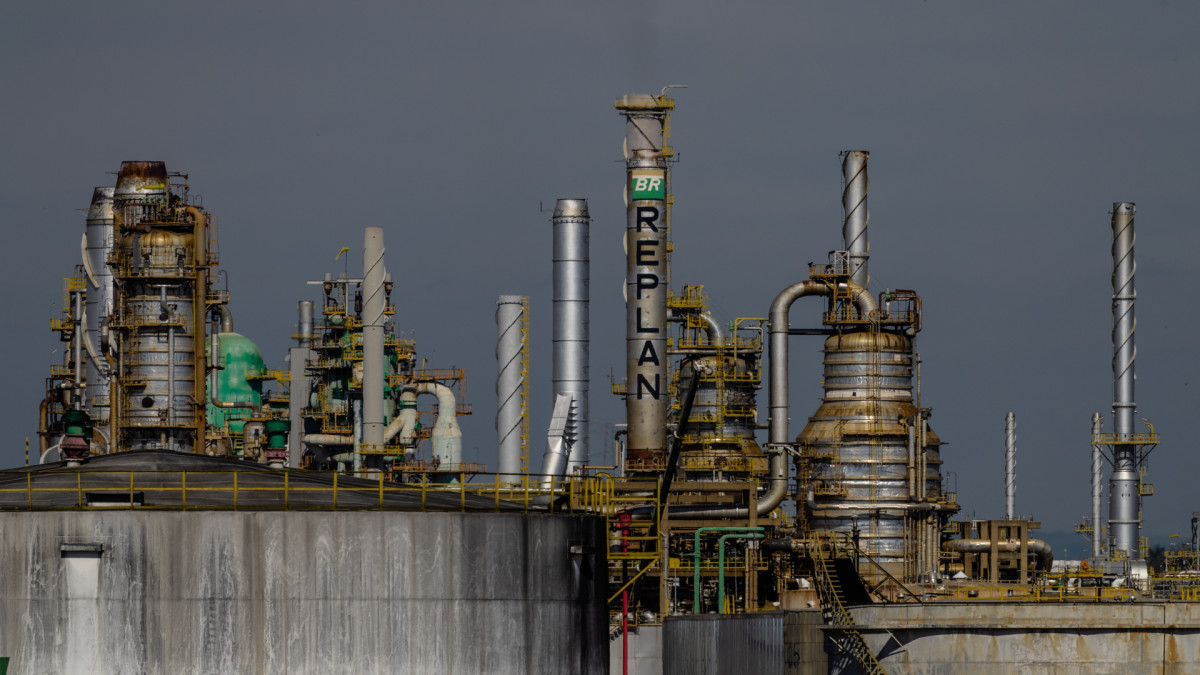
- Oil Export Resumption: Venezuela has resumed exports of diluted crude oil (DCO) for the first time in 15 months, with Chevron shipping 500,000 barrels to the U.S. Gulf Coast this month, a small volume but significant given the current geopolitical tensions.
- Shifting Market Demand: DCO is essential for specific refineries, and with the Iran conflict disrupting shipping through the Strait of Hormuz, Venezuela's oil exports have become a crucial alternative supply, ensuring stability in the U.S. market.
- Strategic Advantage Emerges: Venezuela's oil exports bypass the Strait of Hormuz entirely, mitigating current supply risks, with output expected to rise to 1.1 to 1.2 million barrels per day by year-end if sanctions are lifted, significantly impacting the global supply outlook.
- Policy Changes Drive Production: A shift in U.S. sanctions policy has allowed Chevron to operate under an indefinite license, and the new Hydrocarbon Law enhances foreign investment, boosting Venezuela's oil production capabilities.
See More
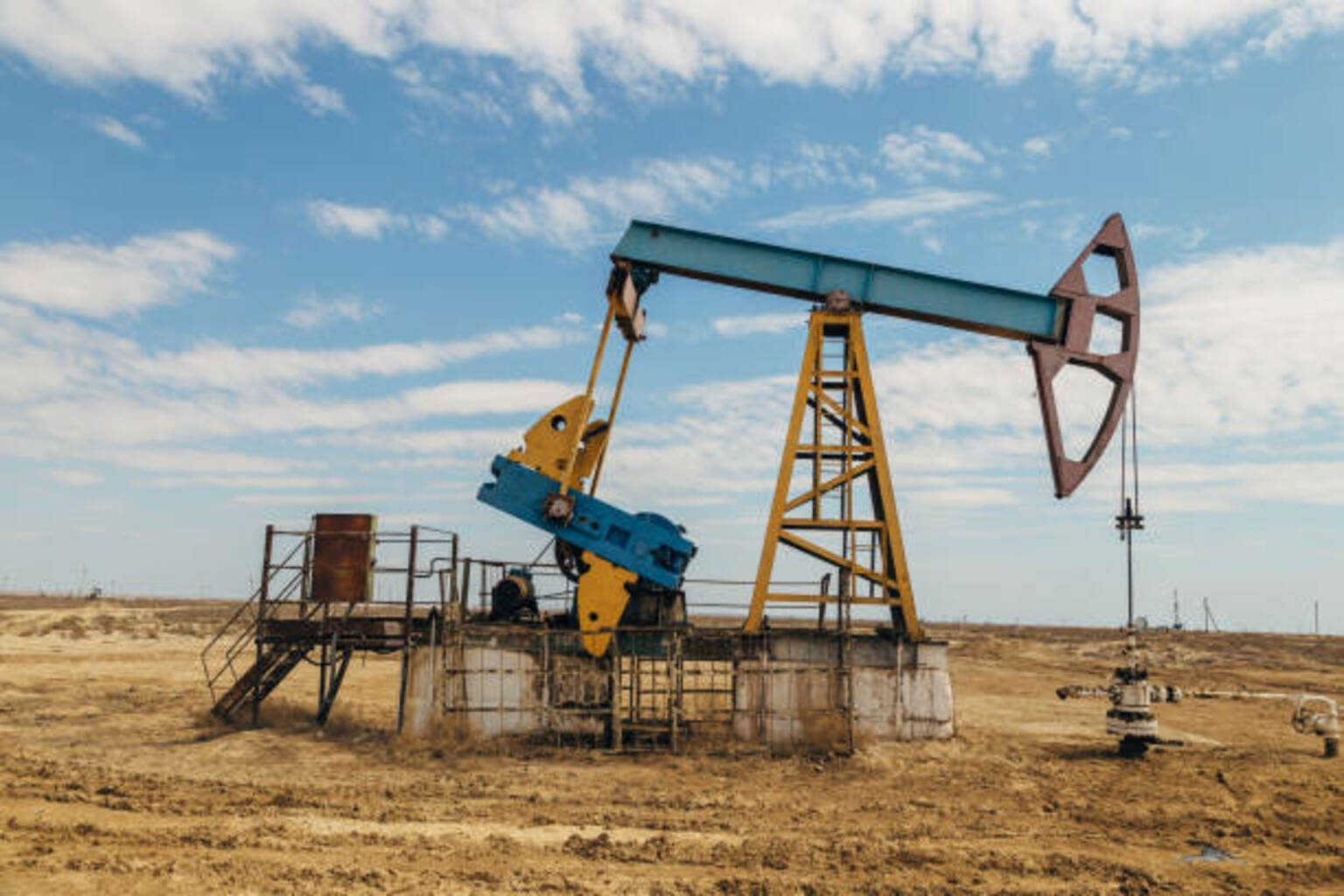
Chevron and Shell Near Major Oil Production Deals in Venezuela
- Production Agreement Nearing: Chevron has reached preliminary terms with Venezuela's energy authorities to expand its Petropiar project in the Orinoco Belt, which is expected to significantly enhance oil production capacity in the region and solidify Chevron's position in the global energy market.
- New Area Development Potential: The deal grants Chevron production rights in the Ayacucho 8 area, which has proven oil resources, likely leading to a substantial increase in extra-heavy oil production and exports, thereby driving revenue growth for the company.
- Tax Incentives Negotiation: Chevron aims to secure a reduced royalty rate and other tax and trade incentives under Venezuela's new legislation for oil and gas development, which will enhance its competitiveness in the region.
- Market Leadership Position: If the agreement is successfully implemented, Chevron could become the largest private producer in the Orinoco, which holds over 75% of Venezuela's total crude reserves, further strengthening its influence in the Latin American market.
See More

Major Indexes Close Near Break-Even Amid Crude Futures Decline

- Crude Futures Decline: On Tuesday, a sharp decline in crude futures led major indexes to close near break-even, reflecting the market's sensitivity to energy price fluctuations, which could impact investor confidence and future trading strategies.
- Market Stability: Despite the significant drop in oil prices, major indexes remained close to flat, indicating resilience in the market amid uncertainty, which may suggest that investors still have confidence in the underlying economic fundamentals.
- CPI Report Anticipation: The market is closely watching the upcoming Consumer Price Index (CPI) report, which is expected to have a significant impact on future monetary policy and market trends, prompting investors to monitor inflation data to adjust their strategies.
- Economic Outlook Uncertainty: Against the backdrop of oil price volatility and the impending CPI report, the market's view on the economic outlook has become more complex, potentially leading to increased trading volatility in the short term, requiring investors to navigate cautiously.
See More
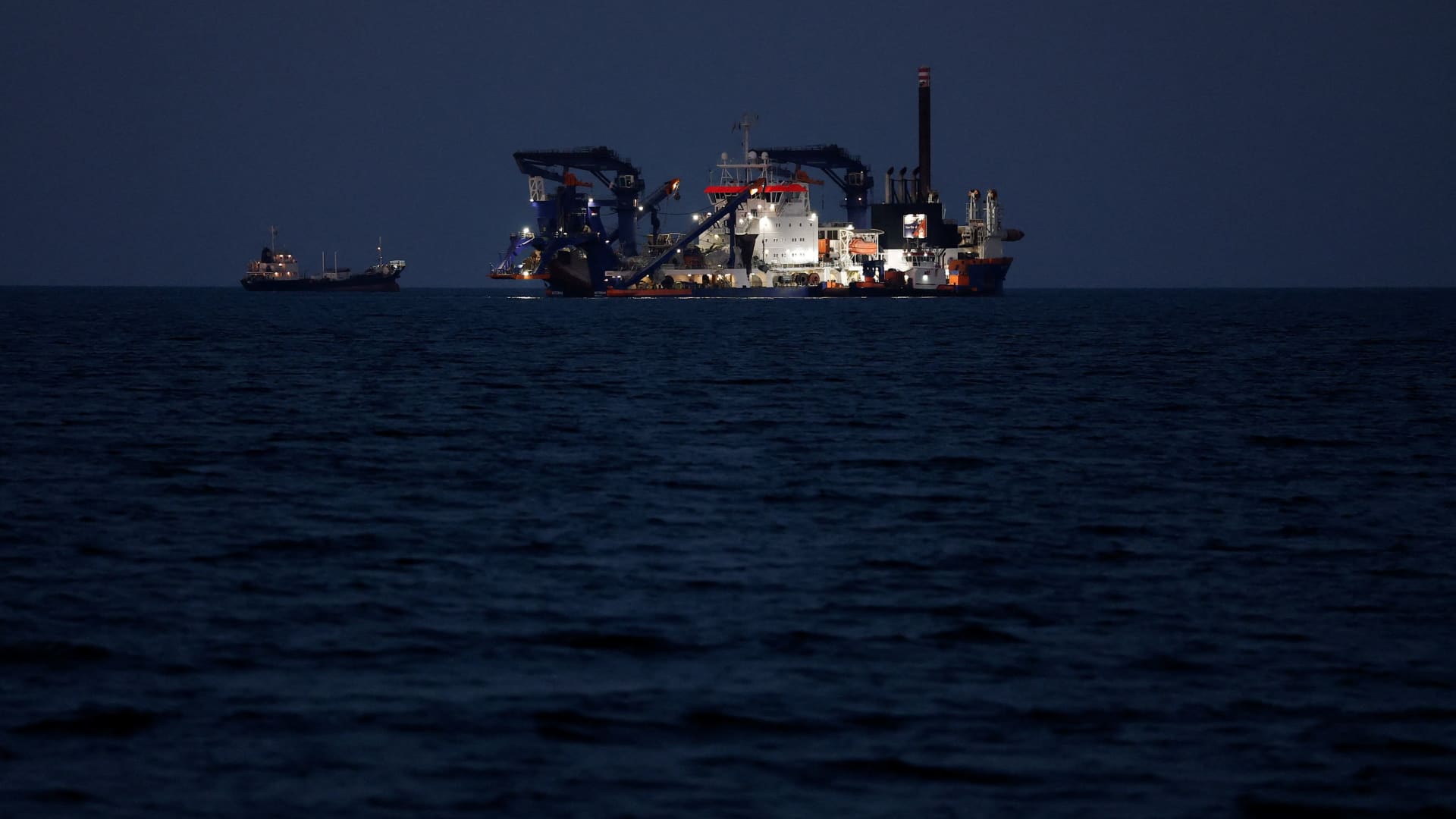
Investors Must Exercise Caution Amid Market Volatility

- Increased Market Volatility: Amid the backdrop of the Iran war, both stock and oil markets experienced sharp fluctuations, with the S&P 500 and Dow Jones Industrial Average both closing moderately lower, reflecting investor anxiety and market uncertainty.
- Investor Psychology Impact: CNBC's Jim Cramer cautioned that frequent buying and selling in the current market environment could lead to mistakes, advising investors to remain calm and avoid anxiety due to market swings.
- Oil Market Turmoil: Oil prices saw wild fluctuations during the trading day as traders anticipated a coordinated release of strategic petroleum reserves globally, but a statement from the U.S. Energy Secretary on social media further unsettled the market, causing oil prices to settle well off their session lows.
- Hedge Fund Pressure: Cramer noted that the current market uncertainty puts pressure on hedge fund managers, who must respond to client concerns, while individual investors can choose to do nothing, thus maintaining an advantage in this chaotic environment.
See More

Asia-Pacific Markets Set to Open Higher Amid Oil Price Fluctuations
- Market Opening Trends: Asia-Pacific markets are expected to open higher on Wednesday, with Australia's S&P/ASX 200 index rising 0.35% in early trading, indicating investor optimism.
- Japanese Stock Performance: Japan's Nikkei 225 index is poised to climb, with Chicago futures at 54,855, significantly up from the previous close of 54,248.39, reflecting market expectations for economic recovery.
- Hong Kong Market Dynamics: Hong Kong's Hang Seng index futures are at 25,936, slightly down from the last close of 25,959.9, indicating a cautious stance amid geopolitical risks.
- Oil Price Fluctuations Impact: After spiking to nearly $120 per barrel on Monday, oil prices have retreated, with U.S. crude up 3.24% to $86.15 per barrel, suggesting a easing of market fears regarding the Iran conflict.
See More
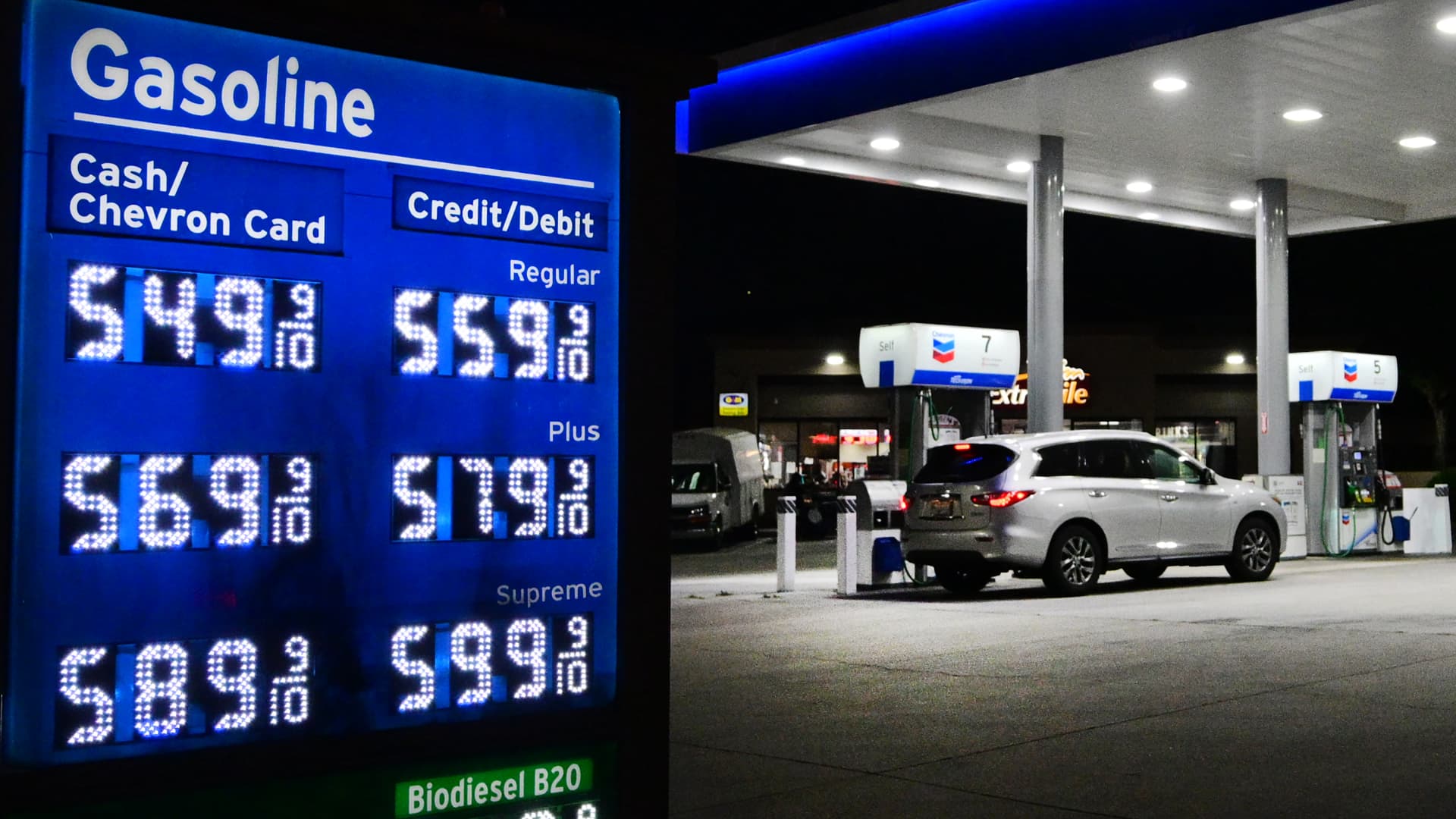
High Gas Prices and Iran War Impacting Elections

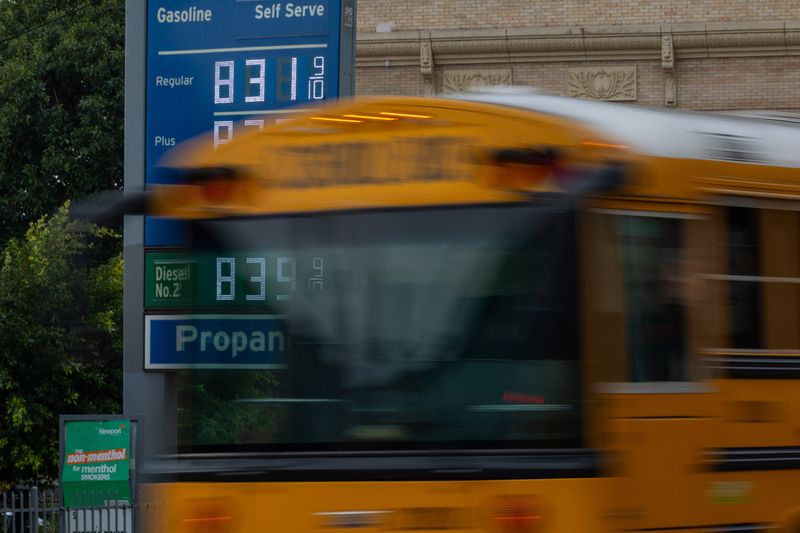
- Gas Price Surge: Gas prices in Los Angeles have risen over 60 cents in a month according to AAA, creating economic pressure on voters that could impact GOP performance in the upcoming elections.
- Political Dilemma: Republican House leaders are meeting in Miami to strategize legislative agendas amidst high gas prices, although they express support for President Trump's optimistic outlook on the conflict.
- Voter Concerns: Polls indicate that about 29% of Americans approve of the war in Iran, while a majority expect gas prices to continue rising, presenting a significant political challenge for Republicans.
- Energy Policy Debate: Representative Brett Guthrie emphasizes the need to explain the rationale behind the Iran war to help the public understand the strategic reasons for high gas prices, despite widespread voter dissatisfaction.
See More
Venezuela Resumes Oil Exports Amid Geopolitical Tensions
- Oil Export Resumption: Venezuela has resumed exports of diluted crude oil (DCO) for the first time in 15 months, with Chevron shipping 500,000 barrels to the U.S. Gulf Coast this month, a small volume but significant given the current geopolitical tensions.
- Shifting Market Demand: DCO is essential for specific refineries, and with the Iran conflict disrupting shipping through the Strait of Hormuz, Venezuela's oil exports have become a crucial alternative supply, ensuring stability in the U.S. market.
- Strategic Advantage Emerges: Venezuela's oil exports bypass the Strait of Hormuz entirely, mitigating current supply risks, with output expected to rise to 1.1 to 1.2 million barrels per day by year-end if sanctions are lifted, significantly impacting the global supply outlook.
- Policy Changes Drive Production: A shift in U.S. sanctions policy has allowed Chevron to operate under an indefinite license, and the new Hydrocarbon Law enhances foreign investment, boosting Venezuela's oil production capabilities.
See More
Chevron and Shell Near Major Oil Production Deals in Venezuela
- Production Agreement Nearing: Chevron has reached preliminary terms with Venezuela's energy authorities to expand its Petropiar project in the Orinoco Belt, which is expected to significantly enhance oil production capacity in the region and solidify Chevron's position in the global energy market.
- New Area Development Potential: The deal grants Chevron production rights in the Ayacucho 8 area, which has proven oil resources, likely leading to a substantial increase in extra-heavy oil production and exports, thereby driving revenue growth for the company.
- Tax Incentives Negotiation: Chevron aims to secure a reduced royalty rate and other tax and trade incentives under Venezuela's new legislation for oil and gas development, which will enhance its competitiveness in the region.
- Market Leadership Position: If the agreement is successfully implemented, Chevron could become the largest private producer in the Orinoco, which holds over 75% of Venezuela's total crude reserves, further strengthening its influence in the Latin American market.
See More
Major Indexes Close Near Break-Even Amid Crude Futures Decline
- Crude Futures Decline: On Tuesday, a sharp decline in crude futures led major indexes to close near break-even, reflecting the market's sensitivity to energy price fluctuations, which could impact investor confidence and future trading strategies.
- Market Stability: Despite the significant drop in oil prices, major indexes remained close to flat, indicating resilience in the market amid uncertainty, which may suggest that investors still have confidence in the underlying economic fundamentals.
- CPI Report Anticipation: The market is closely watching the upcoming Consumer Price Index (CPI) report, which is expected to have a significant impact on future monetary policy and market trends, prompting investors to monitor inflation data to adjust their strategies.
- Economic Outlook Uncertainty: Against the backdrop of oil price volatility and the impending CPI report, the market's view on the economic outlook has become more complex, potentially leading to increased trading volatility in the short term, requiring investors to navigate cautiously.
See More
Investors Must Exercise Caution Amid Market Volatility
- Increased Market Volatility: Amid the backdrop of the Iran war, both stock and oil markets experienced sharp fluctuations, with the S&P 500 and Dow Jones Industrial Average both closing moderately lower, reflecting investor anxiety and market uncertainty.
- Investor Psychology Impact: CNBC's Jim Cramer cautioned that frequent buying and selling in the current market environment could lead to mistakes, advising investors to remain calm and avoid anxiety due to market swings.
- Oil Market Turmoil: Oil prices saw wild fluctuations during the trading day as traders anticipated a coordinated release of strategic petroleum reserves globally, but a statement from the U.S. Energy Secretary on social media further unsettled the market, causing oil prices to settle well off their session lows.
- Hedge Fund Pressure: Cramer noted that the current market uncertainty puts pressure on hedge fund managers, who must respond to client concerns, while individual investors can choose to do nothing, thus maintaining an advantage in this chaotic environment.
See More
Asia-Pacific Markets Set to Open Higher Amid Oil Price Fluctuations
- Market Opening Trends: Asia-Pacific markets are expected to open higher on Wednesday, with Australia's S&P/ASX 200 index rising 0.35% in early trading, indicating investor optimism.
- Japanese Stock Performance: Japan's Nikkei 225 index is poised to climb, with Chicago futures at 54,855, significantly up from the previous close of 54,248.39, reflecting market expectations for economic recovery.
- Hong Kong Market Dynamics: Hong Kong's Hang Seng index futures are at 25,936, slightly down from the last close of 25,959.9, indicating a cautious stance amid geopolitical risks.
- Oil Price Fluctuations Impact: After spiking to nearly $120 per barrel on Monday, oil prices have retreated, with U.S. crude up 3.24% to $86.15 per barrel, suggesting a easing of market fears regarding the Iran conflict.
See More
High Gas Prices and Iran War Impacting Elections
- Gas Price Surge: Gas prices in Los Angeles have risen over 60 cents in a month according to AAA, creating economic pressure on voters that could impact GOP performance in the upcoming elections.
- Political Dilemma: Republican House leaders are meeting in Miami to strategize legislative agendas amidst high gas prices, although they express support for President Trump's optimistic outlook on the conflict.
- Voter Concerns: Polls indicate that about 29% of Americans approve of the war in Iran, while a majority expect gas prices to continue rising, presenting a significant political challenge for Republicans.
- Energy Policy Debate: Representative Brett Guthrie emphasizes the need to explain the rationale behind the Iran war to help the public understand the strategic reasons for high gas prices, despite widespread voter dissatisfaction.
See More