Iran War Intensifies Global Shortages of Tungsten and Other Commodities
Written by Emily J. Thompson, Senior Investment Analyst
Updated: 6 days ago
0mins

Source: CNBC
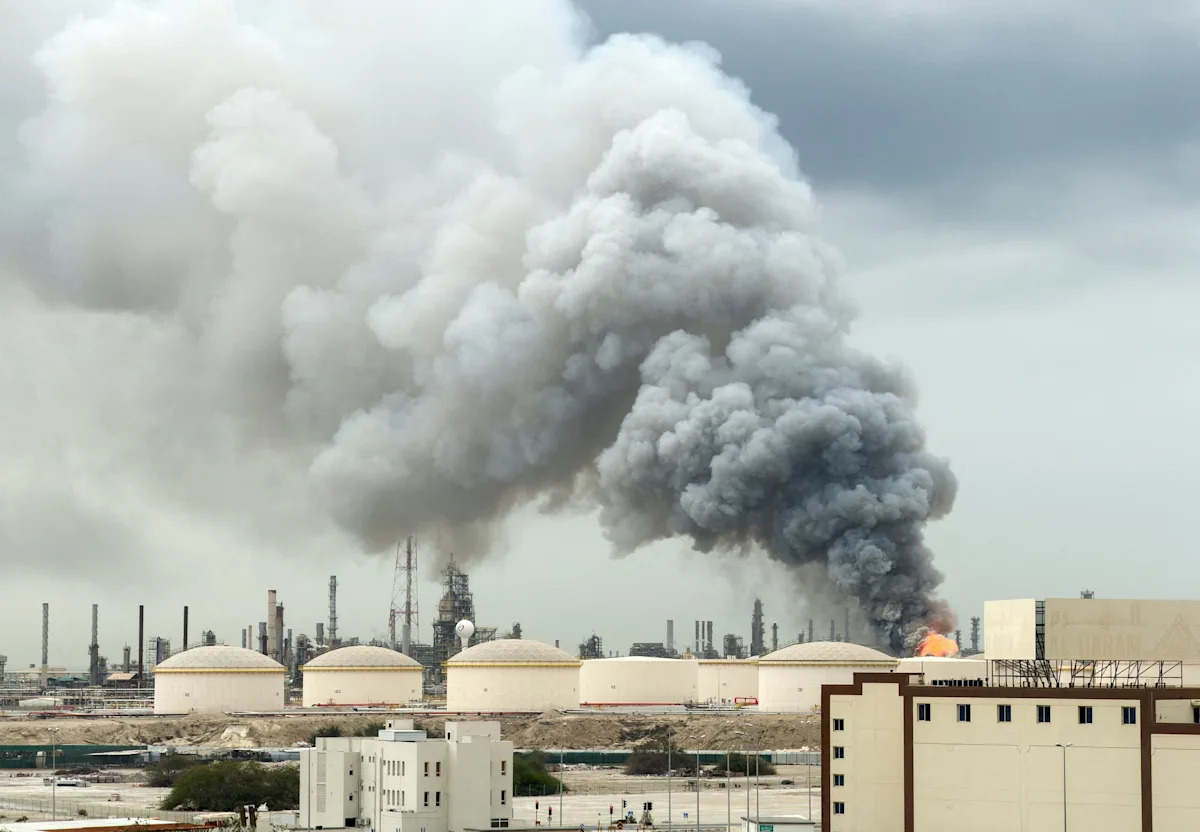
- Tungsten Price Surge: Tungsten prices exceeded $3,000 last week, marking over a 50% increase for the month, indicating strong demand in the defense sector despite significant inventory shortages due to the Iran war.
- Rising Sulfuric Acid Prices: Sulfuric acid prices in Africa have risen at least 30% since the onset of the war, while China's sulfur prices increased by approximately 13% from early March, reflecting ongoing demand pressures that could lead to severe supply shocks.
- Helium Supply Tightness: Helium prices have roughly doubled since the Iran war began, particularly after missile attacks on a key industrial center in Qatar, complicating the restoration of global helium supplies and exacerbating market tightness.
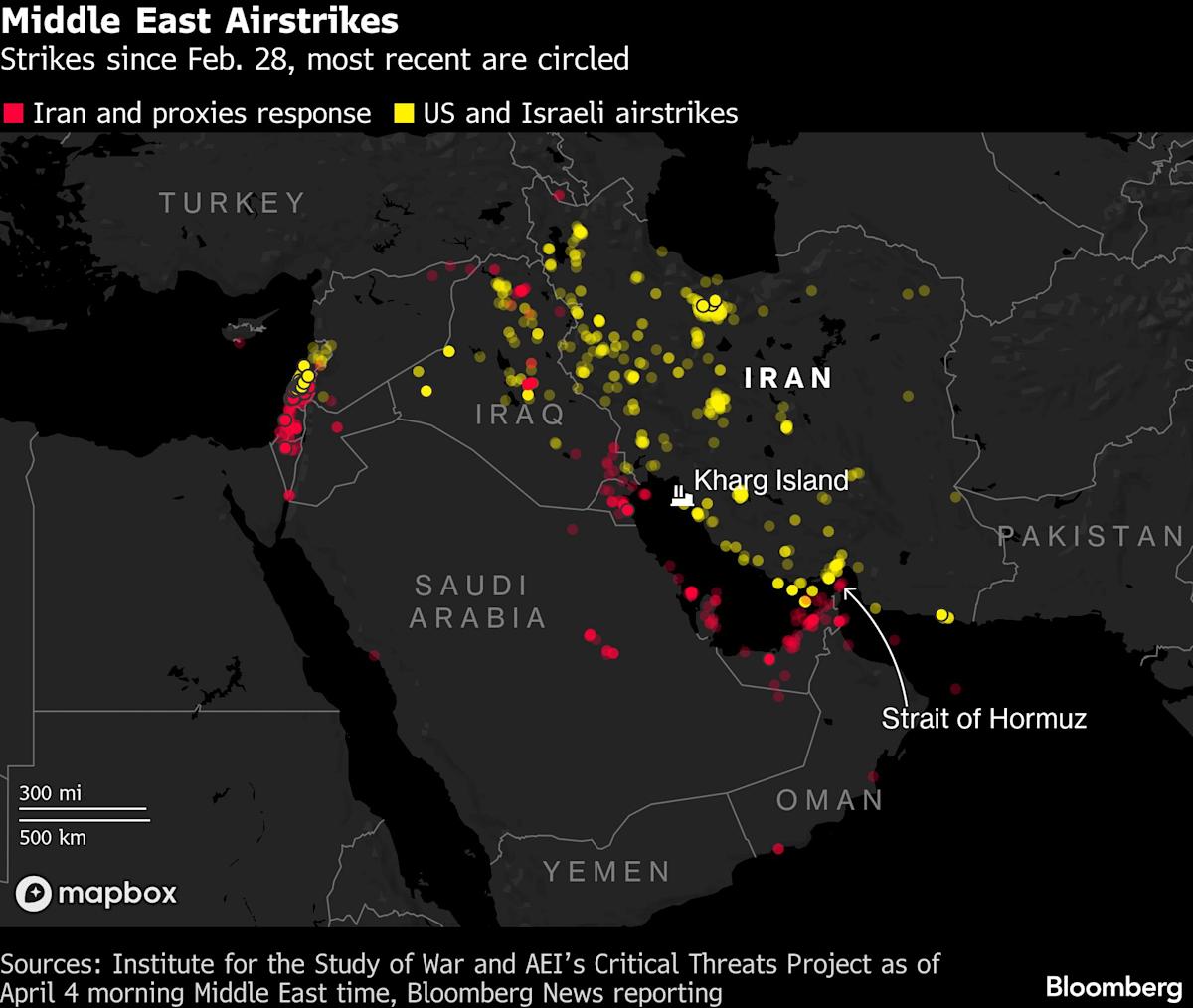
- Global Commodity Market Turmoil: The supply chain disruptions caused by the Iran war present new challenges for global markets, prompting companies to diversify their supply sources while China ramps up stockpiling plans, highlighting concerns over future supply uncertainties.
Trade with 70% Backtested Accuracy
Stop guessing "Should I Buy CAAS?" and start using high-conviction signals backed by rigorous historical data.
Sign up today to access powerful investing tools and make smarter, data-driven decisions.
Analyst Views on CAAS
About CAAS
China Automotive Systems Inc is a holding company principally engaged in the manufacture and sale of automotive systems and components. The Company’s main products include rack and pinion power steering, integral power steering, electronic power steering and manual steering, steering columns, steering oil pumps and steering hoses. The Company's major customers include FAW Group, Dongfeng Auto Group Co., Ltd, BYD Auto Co., Ltd, as well as Stellar Group and Ford Motor Company in North America. The Company primarily operates its businesses in the domestic and overseas markets.
About the author

Emily J. Thompson
Emily J. Thompson, a Chartered Financial Analyst (CFA) with 12 years in investment research, graduated with honors from the Wharton School. Specializing in industrial and technology stocks, she provides in-depth analysis for Intellectia’s earnings and market brief reports.
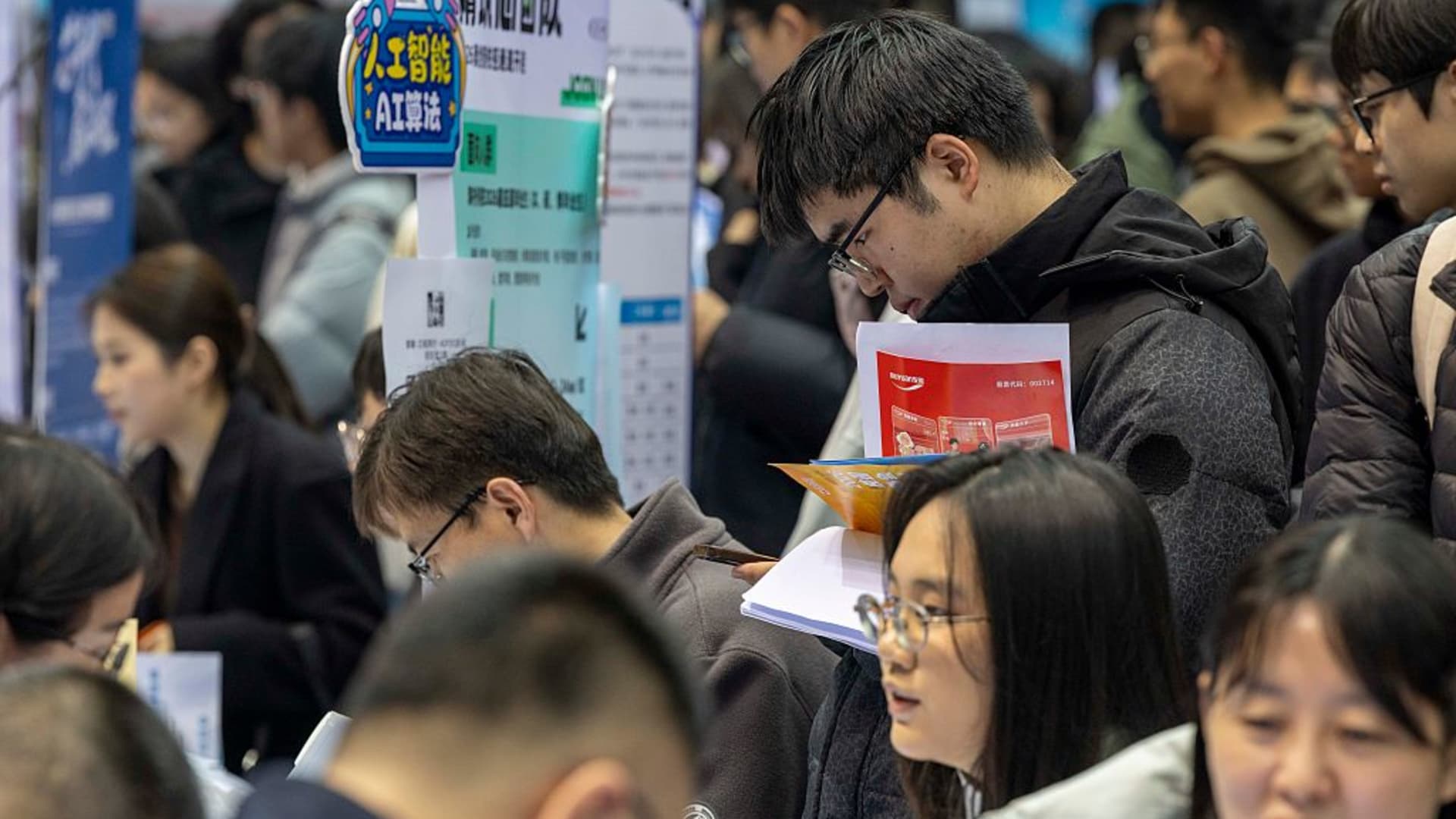
China's AI Job Market Remains Relatively Stable Amid U.S. Layoffs


- Job Market Status: While U.S. tech giants like Oracle undergo massive layoffs, China's AI job market remains relatively stable, supported by a national employment goal of around 5.5% urban unemployment, which limits local companies' layoffs.
- Salary Disparities: According to Zhilian, the average monthly salary for high-demand algorithm engineers is 20,035 yuan (about $2,900), which, while decent in China, is nearly ten times less than salaries in Silicon Valley, highlighting significant wage differences between the two markets.
- Cultural and Work Practices: Unlike the U.S. trend towards remote work, Chinese companies prefer in-office attendance, and engineers in China often handle a broader range of tasks, making them less susceptible to AI replacement, reflecting structural differences in the job markets.
- AI Impact and Policy: Despite Alibaba reporting a headcount drop of over 30% due to business adjustments, Tencent's employee count increased last year, indicating varied responses among Chinese firms to AI transitions, while policymakers must balance technological innovation support with youth unemployment control.
See More
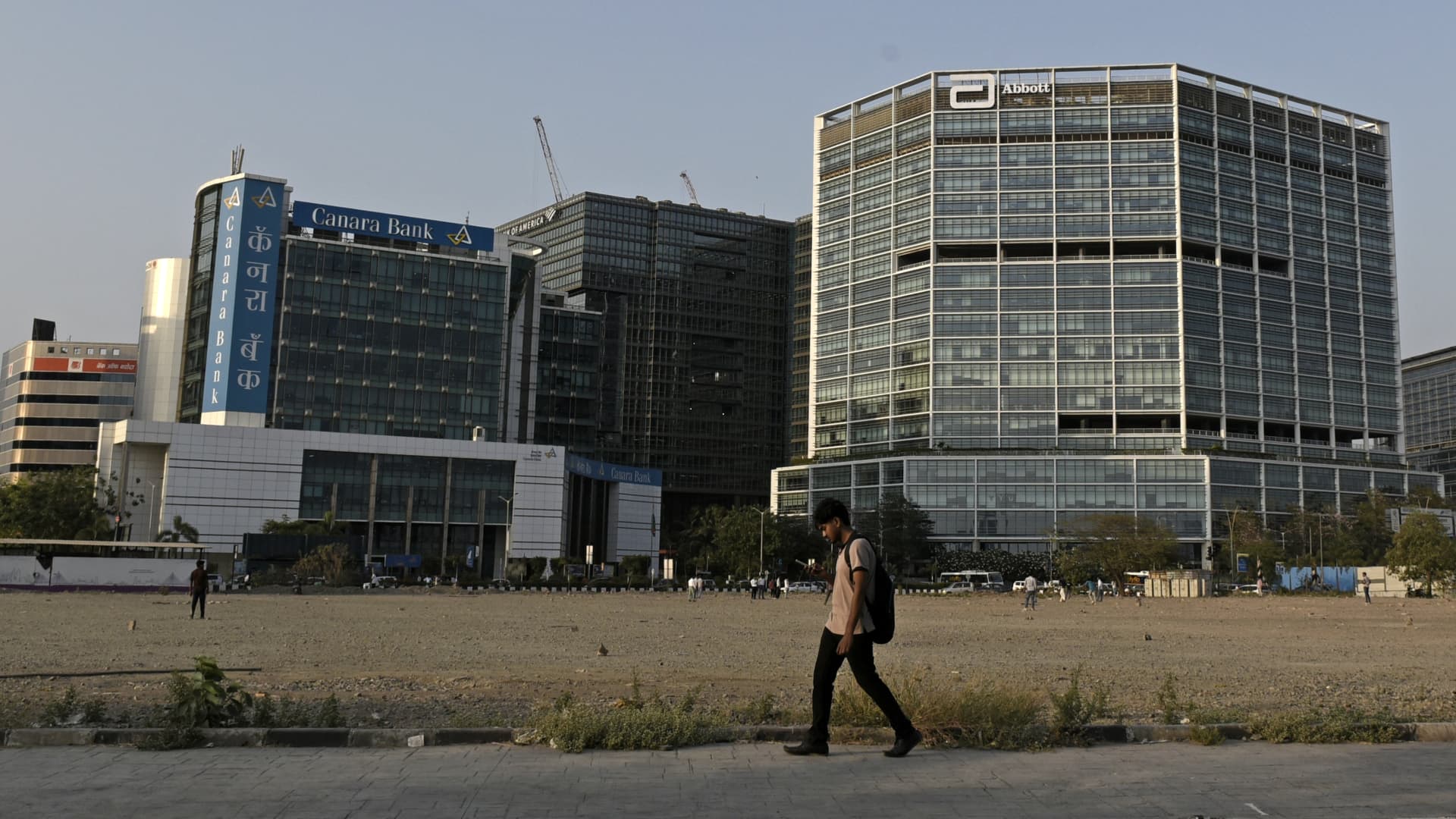
Indian Markets Rattle Amid Iran War Turmoil


- Foreign Capital Exodus: Amid the turmoil of the Iran war, Indian markets experienced a record foreign investor sell-off exceeding $12 billion in March, resulting in a more than 10% drop in the Nifty 50 index, highlighting significant concerns over future economic growth prospects.
- Diminished Growth Outlook: India's Chief Economic Advisor V. Anantha Nageswaran warned that rising energy costs and supply chain disruptions pose considerable downside risks to the forecasted 7.0%-7.4% growth for FY 2027, with expectations of a significant widening of the trade deficit exacerbating fiscal pressures.
- Government Intervention: In response to economic strains, the Indian government implemented two key measures, including limiting banks' currency-hedging positions and cutting excise duties on petrol and diesel by 10 rupees per liter, which will significantly impact tax revenues and potentially hinder government spending capabilities.
- Weak Job Market: While India's consumption narrative continues to attract foreign investment, the lack of white-collar job creation undermines this story, with reports indicating that only a small percentage of graduates secure stable employment within a year of graduation, posing a long-term challenge to economic growth.
See More
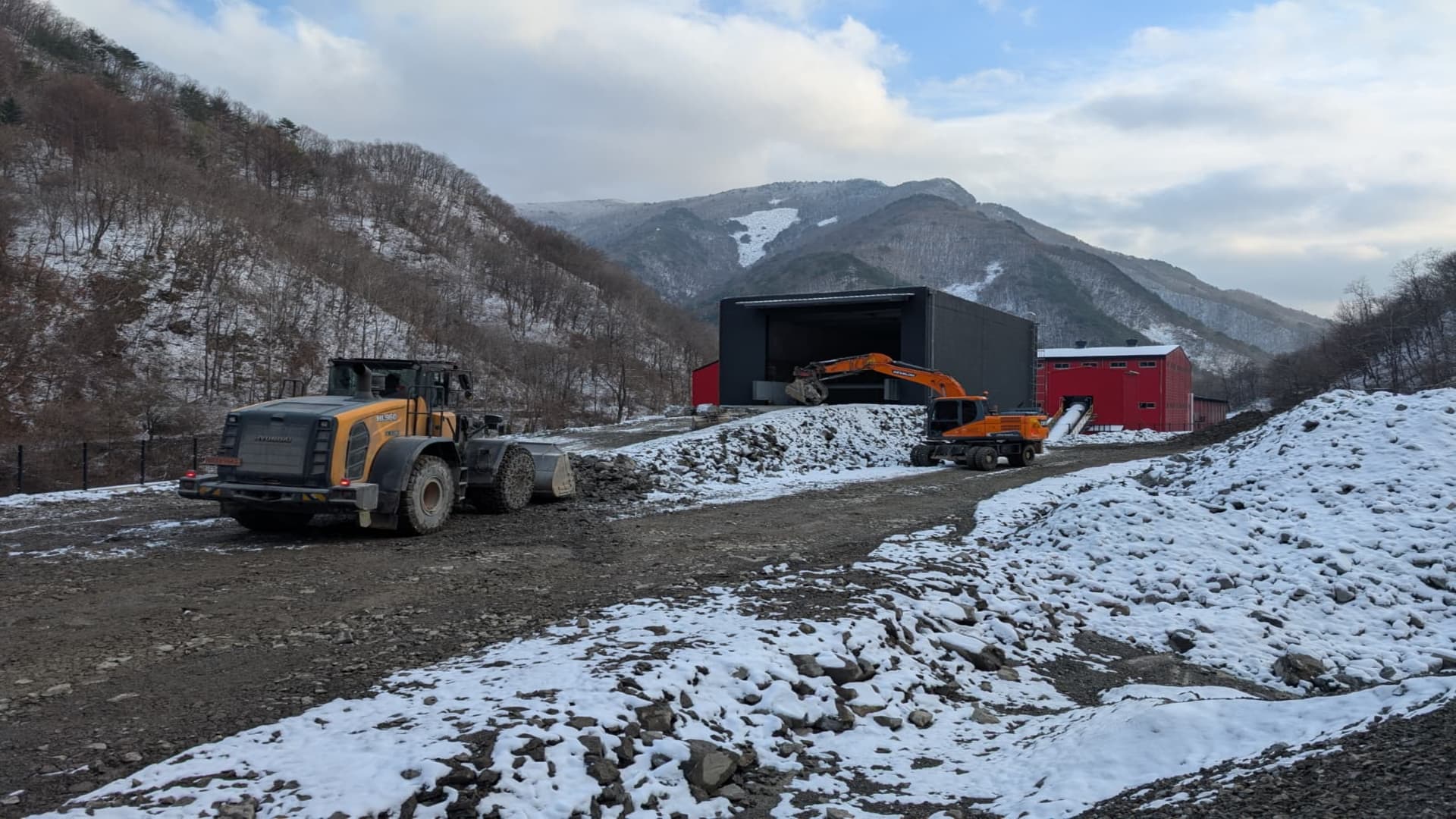
Iran War Intensifies Global Shortages of Tungsten and Other Commodities
- Tungsten Price Surge: Tungsten prices exceeded $3,000 last week, marking over a 50% increase for the month, indicating strong demand in the defense sector despite significant inventory shortages due to the Iran war.
- Rising Sulfuric Acid Prices: Sulfuric acid prices in Africa have risen at least 30% since the onset of the war, while China's sulfur prices increased by approximately 13% from early March, reflecting ongoing demand pressures that could lead to severe supply shocks.
- Helium Supply Tightness: Helium prices have roughly doubled since the Iran war began, particularly after missile attacks on a key industrial center in Qatar, complicating the restoration of global helium supplies and exacerbating market tightness.
- Global Commodity Market Turmoil: The supply chain disruptions caused by the Iran war present new challenges for global markets, prompting companies to diversify their supply sources while China ramps up stockpiling plans, highlighting concerns over future supply uncertainties.
See More
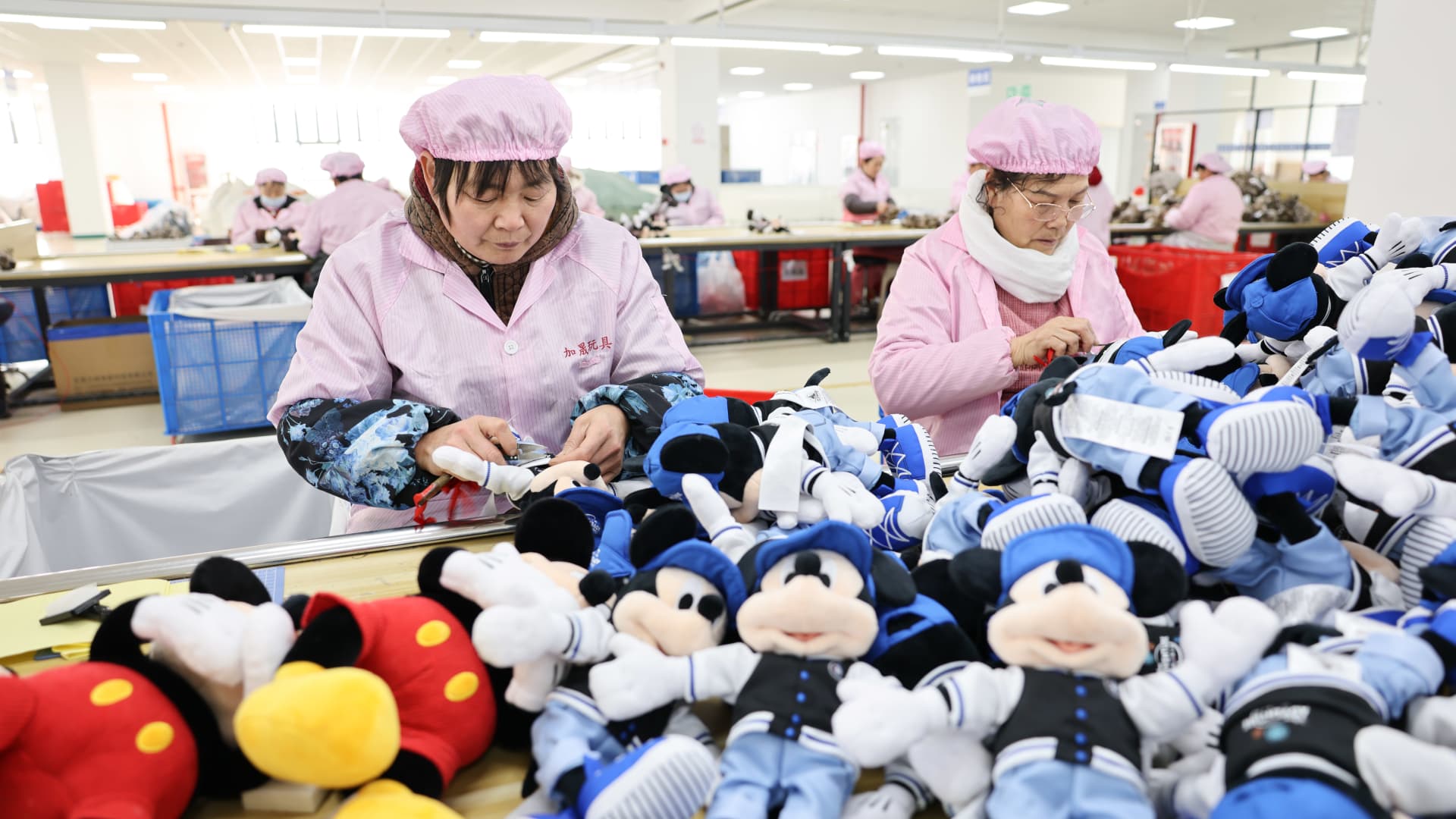
China's Manufacturing Activity Strongly Rebounds
- Manufacturing PMI Rise: China's Manufacturing Purchasing Managers' Index (PMI) rose to 50.4 in March, exceeding economists' expectations of 50.1, indicating a strong rebound in manufacturing activity and ending two months of decline, which could enhance investor confidence.
- Economic Expansion Signal: The increase in PMI not only indicates expansion in manufacturing but also reflects a recovery from contraction levels of 49.3 and 49.0 in January and February, respectively, suggesting positive signs of economic recovery that may boost investment sentiment.
- Significant Export Growth: In the first two months of this year, China's exports surged by 21.8% year-on-year, significantly beating expectations, driven by robust demand from Southeast Asia and Europe, which offset the slump in U.S. shipments, showcasing China's competitiveness in the global market.
- Market Expectation Shift: Although the upcoming private-sector PMI is expected to drop from February's 52.1 to 51.6 in March, the overall trend of manufacturing recovery may attract more investments, further driving economic growth.
See More

G7 Foreign Ministers Urge Diplomatic Solutions for Iran War
- Frequent Meetings: The G7 has convened at the ministerial level four times since the onset of the Iran war, yet the lack of actionable outcomes highlights the fatigue and ineffectiveness of member nations in addressing the crisis.
- Energy Market Volatility: Since the first virtual meeting on March 9, energy markets have experienced significant fluctuations, with oil prices witnessing some of the largest single-day increases since the Ukraine war began in 2022, indicating market uncertainty about future developments.
- Call for Diplomatic Solutions: EU foreign policy chief Kaja Kallas stressed the need for a diplomatic resolution to the Iran war, while Germany's foreign minister pointed out that a lack of communication complicates coordinated efforts, reflecting a pressing demand for peaceful solutions among nations.
- G7 Summit Controversy: The upcoming G7 leaders' summit in June has sparked controversy due to the exclusion of South Africa, which perceives this as a result of U.S. pressure, illustrating the internal divisions and external tensions facing the G7.
See More
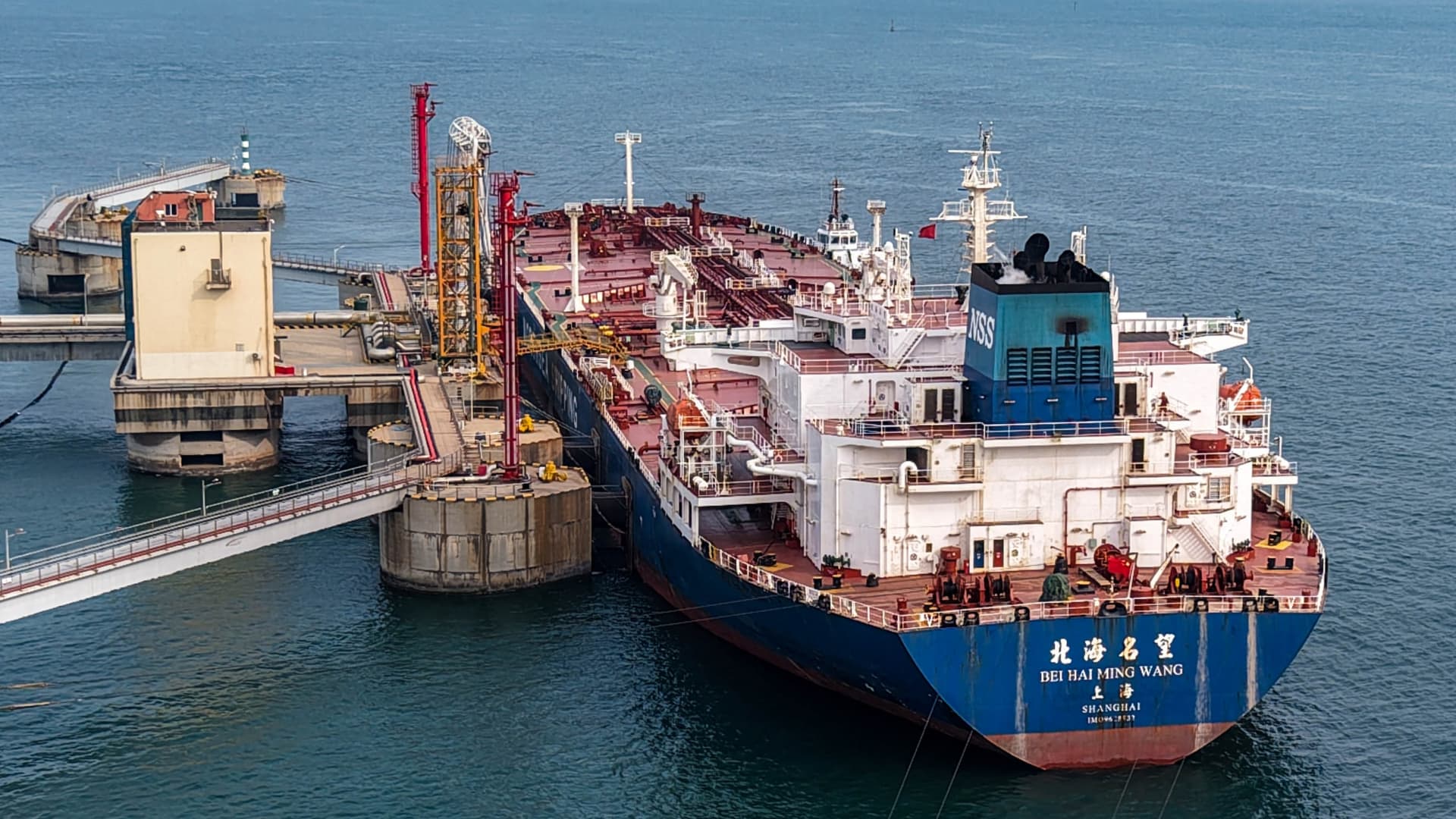
China's Industrial Profits Surge 15.2% Amid Economic Recovery

- Industrial Profit Recovery: According to the National Bureau of Statistics, China's industrial profits surged 15.2% year-on-year in January-February 2026, continuing the strong rebound from a 5.3% increase in December 2025, indicating significant improvement in corporate profitability amid government efforts to address industrial overcapacity and weak consumer demand.
- Annual Profit Growth: In 2025, China's industrial profits rose by 0.6% year-on-year, ending three consecutive years of decline, reflecting the effectiveness of government measures to curb aggressive price competition and boost exports, thereby enhancing corporate market confidence.
- Energy Price Adjustments: In response to disruptions in oil shipments from the Middle East, the Chinese government raised retail gasoline and diesel prices earlier this week, although the increase was moderated to about half of the normal level to cushion the impact on consumers, demonstrating a cautious approach amid global energy market volatility.
- Market Resilience: Despite soaring global oil prices, China's massive oil reserves and alternative energy sources are expected to mitigate the impact less than in other countries, indicating the resilience and adaptability of the Chinese economy in facing external shocks.
See More
China's AI Job Market Remains Relatively Stable Amid U.S. Layoffs
- Job Market Status: While U.S. tech giants like Oracle undergo massive layoffs, China's AI job market remains relatively stable, supported by a national employment goal of around 5.5% urban unemployment, which limits local companies' layoffs.
- Salary Disparities: According to Zhilian, the average monthly salary for high-demand algorithm engineers is 20,035 yuan (about $2,900), which, while decent in China, is nearly ten times less than salaries in Silicon Valley, highlighting significant wage differences between the two markets.
- Cultural and Work Practices: Unlike the U.S. trend towards remote work, Chinese companies prefer in-office attendance, and engineers in China often handle a broader range of tasks, making them less susceptible to AI replacement, reflecting structural differences in the job markets.
- AI Impact and Policy: Despite Alibaba reporting a headcount drop of over 30% due to business adjustments, Tencent's employee count increased last year, indicating varied responses among Chinese firms to AI transitions, while policymakers must balance technological innovation support with youth unemployment control.
See More
Indian Markets Rattle Amid Iran War Turmoil
- Foreign Capital Exodus: Amid the turmoil of the Iran war, Indian markets experienced a record foreign investor sell-off exceeding $12 billion in March, resulting in a more than 10% drop in the Nifty 50 index, highlighting significant concerns over future economic growth prospects.
- Diminished Growth Outlook: India's Chief Economic Advisor V. Anantha Nageswaran warned that rising energy costs and supply chain disruptions pose considerable downside risks to the forecasted 7.0%-7.4% growth for FY 2027, with expectations of a significant widening of the trade deficit exacerbating fiscal pressures.
- Government Intervention: In response to economic strains, the Indian government implemented two key measures, including limiting banks' currency-hedging positions and cutting excise duties on petrol and diesel by 10 rupees per liter, which will significantly impact tax revenues and potentially hinder government spending capabilities.
- Weak Job Market: While India's consumption narrative continues to attract foreign investment, the lack of white-collar job creation undermines this story, with reports indicating that only a small percentage of graduates secure stable employment within a year of graduation, posing a long-term challenge to economic growth.
See More
Iran War Intensifies Global Shortages of Tungsten and Other Commodities
- Tungsten Price Surge: Tungsten prices exceeded $3,000 last week, marking over a 50% increase for the month, indicating strong demand in the defense sector despite significant inventory shortages due to the Iran war.
- Rising Sulfuric Acid Prices: Sulfuric acid prices in Africa have risen at least 30% since the onset of the war, while China's sulfur prices increased by approximately 13% from early March, reflecting ongoing demand pressures that could lead to severe supply shocks.
- Helium Supply Tightness: Helium prices have roughly doubled since the Iran war began, particularly after missile attacks on a key industrial center in Qatar, complicating the restoration of global helium supplies and exacerbating market tightness.
- Global Commodity Market Turmoil: The supply chain disruptions caused by the Iran war present new challenges for global markets, prompting companies to diversify their supply sources while China ramps up stockpiling plans, highlighting concerns over future supply uncertainties.
See More
China's Manufacturing Activity Strongly Rebounds
- Manufacturing PMI Rise: China's Manufacturing Purchasing Managers' Index (PMI) rose to 50.4 in March, exceeding economists' expectations of 50.1, indicating a strong rebound in manufacturing activity and ending two months of decline, which could enhance investor confidence.
- Economic Expansion Signal: The increase in PMI not only indicates expansion in manufacturing but also reflects a recovery from contraction levels of 49.3 and 49.0 in January and February, respectively, suggesting positive signs of economic recovery that may boost investment sentiment.
- Significant Export Growth: In the first two months of this year, China's exports surged by 21.8% year-on-year, significantly beating expectations, driven by robust demand from Southeast Asia and Europe, which offset the slump in U.S. shipments, showcasing China's competitiveness in the global market.
- Market Expectation Shift: Although the upcoming private-sector PMI is expected to drop from February's 52.1 to 51.6 in March, the overall trend of manufacturing recovery may attract more investments, further driving economic growth.
See More
G7 Foreign Ministers Urge Diplomatic Solutions for Iran War
- Frequent Meetings: The G7 has convened at the ministerial level four times since the onset of the Iran war, yet the lack of actionable outcomes highlights the fatigue and ineffectiveness of member nations in addressing the crisis.
- Energy Market Volatility: Since the first virtual meeting on March 9, energy markets have experienced significant fluctuations, with oil prices witnessing some of the largest single-day increases since the Ukraine war began in 2022, indicating market uncertainty about future developments.
- Call for Diplomatic Solutions: EU foreign policy chief Kaja Kallas stressed the need for a diplomatic resolution to the Iran war, while Germany's foreign minister pointed out that a lack of communication complicates coordinated efforts, reflecting a pressing demand for peaceful solutions among nations.
- G7 Summit Controversy: The upcoming G7 leaders' summit in June has sparked controversy due to the exclusion of South Africa, which perceives this as a result of U.S. pressure, illustrating the internal divisions and external tensions facing the G7.
See More
China's Industrial Profits Surge 15.2% Amid Economic Recovery
- Industrial Profit Recovery: According to the National Bureau of Statistics, China's industrial profits surged 15.2% year-on-year in January-February 2026, continuing the strong rebound from a 5.3% increase in December 2025, indicating significant improvement in corporate profitability amid government efforts to address industrial overcapacity and weak consumer demand.
- Annual Profit Growth: In 2025, China's industrial profits rose by 0.6% year-on-year, ending three consecutive years of decline, reflecting the effectiveness of government measures to curb aggressive price competition and boost exports, thereby enhancing corporate market confidence.
- Energy Price Adjustments: In response to disruptions in oil shipments from the Middle East, the Chinese government raised retail gasoline and diesel prices earlier this week, although the increase was moderated to about half of the normal level to cushion the impact on consumers, demonstrating a cautious approach amid global energy market volatility.
- Market Resilience: Despite soaring global oil prices, China's massive oil reserves and alternative energy sources are expected to mitigate the impact less than in other countries, indicating the resilience and adaptability of the Chinese economy in facing external shocks.
See More