Intel Repurchases $14.2 Billion Stake in Fab 34 Facility
Written by Emily J. Thompson, Senior Investment Analyst
Updated: 4 days ago
0mins
Should l Buy INTC?
Source: Fool
- Stake Repurchase Strategy: Intel repurchased Apollo's 49% stake in the Fab 34 facility for $14.2 billion, restoring full ownership of this key manufacturing asset and enhancing its competitiveness in advanced chip manufacturing.
- Positive Market Reaction: This transaction drove Intel's stock price up 4.89% to $50.38, with trading volume reaching 116.1 million shares, 8.6% above the three-month average, reflecting investor confidence in the company's turnaround.
- Enhanced Capacity Control: By regaining full ownership of Fab 34, Intel can better meet the demands of AI and data centers, although the scale of this investment highlights the capital pressure required to compete in advanced chip manufacturing.
- Analyst Support Continues: Analysts have reiterated their support for Intel's turnaround, believing that ongoing AI and data center demand will drive utilization of its manufacturing network, with investors looking forward to upcoming quarterly results to confirm profitability improvements from increased demand.
Trade with 70% Backtested Accuracy
Stop guessing "Should I Buy INTC?" and start using high-conviction signals backed by rigorous historical data.
Sign up today to access powerful investing tools and make smarter, data-driven decisions.
Analyst Views on INTC
Wall Street analysts forecast INTC stock price to fall
29 Analyst Rating
5 Buy
19 Hold
5 Sell
Hold
Current: 50.380

Low
20.00
Averages
39.30
High
52.00
Current: 50.380
Low
20.00
Averages
39.30
High
52.00
About INTC
Intel Corporation is a global designer and manufacturer of semiconductor products. The Company operates through three segments: Intel Products, Intel Foundry, and All Other. Its Intel Products segment includes Client Computing Group (CCG), Data Center and AI (DCAI), Network and Edge (NEX). The CCG is bringing together the operating system, system architecture, hardware, and software application integration to enable PC experiences. DCAI delivers workload-optimized solutions to cloud service providers and enterprises, along with silicon devices for communications service providers, network and edge, and HPC customers. NEX helps networks and edge compute systems from fixed-function hardware to general-purpose compute, acceleration, and networking devices running cloud native software on programmable hardware. The Intel Foundry segment comprises technology development, manufacturing and foundry services. All Other segments include Altera, Mobileye, Other.
About the author

Emily J. Thompson
Emily J. Thompson, a Chartered Financial Analyst (CFA) with 12 years in investment research, graduated with honors from the Wharton School. Specializing in industrial and technology stocks, she provides in-depth analysis for Intellectia’s earnings and market brief reports.
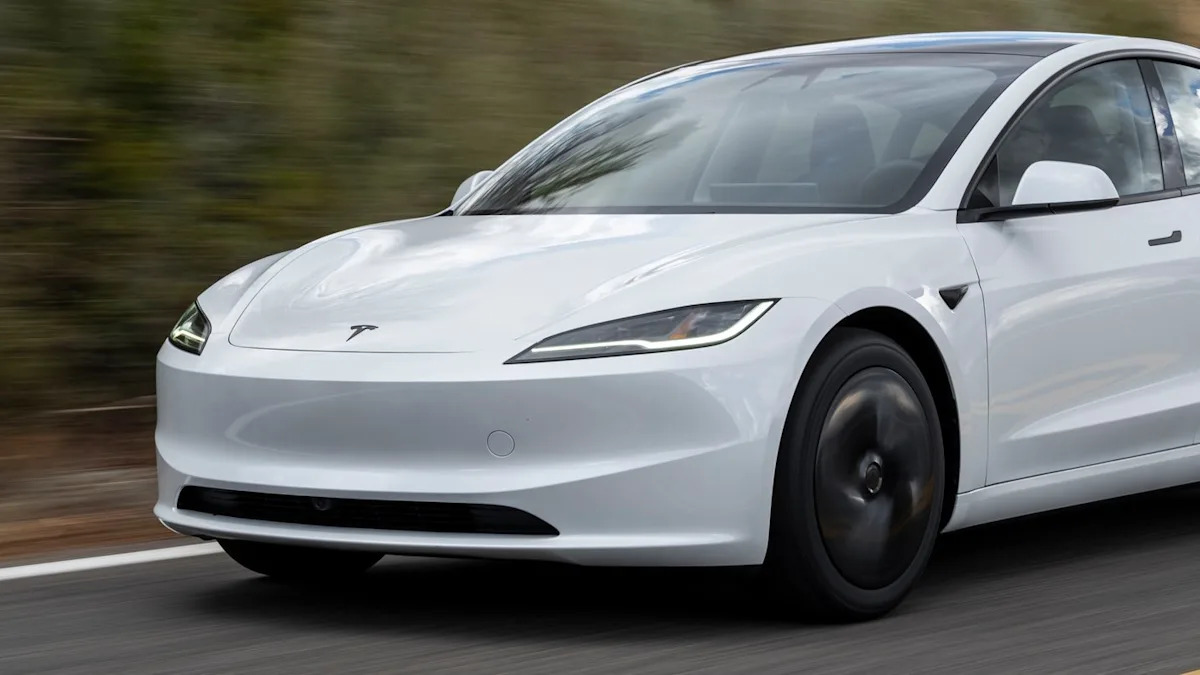
Tesla Faces Significant Valuation Pressure Amidst Declining Performance


- Core Business Decline: Tesla's electric vehicle business saw a volume decline in 2024 and 2025, with total revenue for 2025 at $94.8 billion, slightly below 2023's $96.8 billion, indicating severe impacts on profitability amid increasing competition.
- Operating Income Plummets: Tesla reported just $4.4 billion in GAAP operating income for 2025, halving from previous periods, reflecting a significant drop in margins due to intensified competition in the EV market, which has shaken investor confidence.
- Market Expectations Collapse: JPMorgan analysts noted that expectations for Tesla's financial and performance metrics have collapsed, with only a 9% revenue growth forecast for 2026 to $103.1 billion and a 17% growth for 2027, indicating a pessimistic outlook on future growth.
- Increased Stock Price Risks: Despite a 40% rise in Tesla's stock since the end of 2023, analysts warn of a potential 60% drop, reflecting the growing risks faced by Tesla amid high valuations and ongoing market pressures.
See More
AMD Outshines Intel in AI Supercycle Opportunities


- Significant Revenue Growth: AMD's fourth-quarter revenue surged 34% year-over-year to a record $10.3 billion, with data center revenue climbing 39% to $5.4 billion, demonstrating strong performance in the AI supercycle and solidifying its market position.
- Optimistic Future Outlook: AMD expects first-quarter 2026 revenue to be around $9.8 billion, representing a 32% year-over-year growth, indicating that the acceleration in the adoption of EPYC and Ryzen processors, along with the scaling of its data center AI business, will continue to drive growth.
- Strong Financial Health: By the end of 2025, AMD's cash and short-term investments reached $10.6 billion, up 106% year-over-year, while generating a record free cash flow of $2.1 billion, showcasing the company's robust financial condition and providing a solid foundation for future investments.
- Clear Competitive Advantage: While Intel shows improvements in some areas, its fourth-quarter revenue declined 4% year-over-year, and its overall growth rate lags significantly behind AMD, highlighting AMD's competitive edge in the AI chip market, making it a more attractive option for investors seeking lower risk.
See More

AMD's Data Center Business Sees Rapid Growth
- Significant Revenue Growth: AMD's fourth-quarter revenue rose 34% year-over-year to a record $10.3 billion, with data center revenue increasing 39% to $5.4 billion, demonstrating the company's strong performance amid surging AI compute demand.
- Optimistic Future Outlook: AMD expects first-quarter 2026 revenue to be around $9.8 billion, representing approximately 32% year-over-year growth, indicating continued strong adoption of its EPYC and Ryzen processors, further solidifying its leadership in the data center sector.
- Robust Financial Position: By the end of 2025, AMD's cash and short-term investments reached $10.6 billion, up 106% year-over-year, while net income stood at $4.3 billion, providing strong cash flow to support future investments and expansion.
- Clear Competitive Advantage: While Intel shows improvements in some areas, its data center and AI business grew only 9%, significantly lagging behind AMD, highlighting AMD's lower risk and higher return potential in the AI supercycle.
See More

Sandisk Stock Rises Following Analyst Upgrade

- Positive Market Reaction: Sandisk's stock rose over 3% on Monday, driven by a bullish analyst update on Seagate, while the S&P 500 only advanced 0.4%, indicating increased market confidence in the storage sector.
- Significant Price Target Increase: Morgan Stanley analyst Erik Woodring raised Seagate's price target by 24% to $582 per share, designating it as the top pick in the IT hardware segment, reflecting expectations of sustained demand growth for storage solutions.
- Surging Storage Demand: With artificial intelligence technologies increasing storage needs, industry shortages are projected to last until 2028, providing robust support for the growth of both Sandisk and Seagate's businesses.
- Investor Confidence Boosted: Although Sandisk was not included in The Motley Fool Stock Advisor's top investment picks, the positive outlook from analysts and market reactions suggest that investors remain optimistic about its future performance.
See More

Analyst Initiates Buy Rating on Sezzle Stock

- Stock Surge: Following analyst Ryan Tomasello's initiation of coverage with a 'buy' recommendation, Sezzle's stock surged nearly 8% on Monday, reflecting market optimism about its future performance.
- Price Target Set: Tomasello set a price target of $85 per share for Sezzle, which is nearly 24% higher than its most recent closing price, indicating strong confidence in its growth potential.
- Unique Market Positioning: Sezzle stands out in the popular 'buy now, pay later' space by integrating next-generation banking services with a mobile-focused shopping platform, showcasing its unique competitive advantage in the fintech sector.
- Promising Profitability Potential: The analyst believes that Sezzle is relatively inexpensive at current valuations, and its ability to integrate multiple related products and services will enhance customer stickiness and revenue streams, suggesting a positive outlook for future growth.
See More

Intel May Gain from Global Helium Supply Disruptions
- Helium Supply Advantage: Intel may gain a strategic edge from global helium supply disruptions linked to escalating tensions in the Middle East, as helium is crucial for semiconductor manufacturing, particularly for cooling chips and lithography.
- Reliance on U.S. Helium: Intel's dependence on U.S. helium allows it to avoid supply issues caused by geopolitical instability, making it a more reliable supplier compared to East Asian competitors that rely heavily on global supply chains.
- Signs of Business Improvement: Intel recently reported better-than-expected results for Q4 2025, indicating that its business is improving, while the company is also focused on keeping prices down and enhancing production efficiency.
- Market Watch on Supply Dynamics: Investors will closely monitor how long the helium supply issues persist and whether they lead to price increases and market share growth, which could further impact Intel's recovery trajectory.
See More
Tesla Faces Significant Valuation Pressure Amidst Declining Performance
- Core Business Decline: Tesla's electric vehicle business saw a volume decline in 2024 and 2025, with total revenue for 2025 at $94.8 billion, slightly below 2023's $96.8 billion, indicating severe impacts on profitability amid increasing competition.
- Operating Income Plummets: Tesla reported just $4.4 billion in GAAP operating income for 2025, halving from previous periods, reflecting a significant drop in margins due to intensified competition in the EV market, which has shaken investor confidence.
- Market Expectations Collapse: JPMorgan analysts noted that expectations for Tesla's financial and performance metrics have collapsed, with only a 9% revenue growth forecast for 2026 to $103.1 billion and a 17% growth for 2027, indicating a pessimistic outlook on future growth.
- Increased Stock Price Risks: Despite a 40% rise in Tesla's stock since the end of 2023, analysts warn of a potential 60% drop, reflecting the growing risks faced by Tesla amid high valuations and ongoing market pressures.
See More
AMD Outshines Intel in AI Supercycle Opportunities
- Significant Revenue Growth: AMD's fourth-quarter revenue surged 34% year-over-year to a record $10.3 billion, with data center revenue climbing 39% to $5.4 billion, demonstrating strong performance in the AI supercycle and solidifying its market position.
- Optimistic Future Outlook: AMD expects first-quarter 2026 revenue to be around $9.8 billion, representing a 32% year-over-year growth, indicating that the acceleration in the adoption of EPYC and Ryzen processors, along with the scaling of its data center AI business, will continue to drive growth.
- Strong Financial Health: By the end of 2025, AMD's cash and short-term investments reached $10.6 billion, up 106% year-over-year, while generating a record free cash flow of $2.1 billion, showcasing the company's robust financial condition and providing a solid foundation for future investments.
- Clear Competitive Advantage: While Intel shows improvements in some areas, its fourth-quarter revenue declined 4% year-over-year, and its overall growth rate lags significantly behind AMD, highlighting AMD's competitive edge in the AI chip market, making it a more attractive option for investors seeking lower risk.
See More
AMD's Data Center Business Sees Rapid Growth
- Significant Revenue Growth: AMD's fourth-quarter revenue rose 34% year-over-year to a record $10.3 billion, with data center revenue increasing 39% to $5.4 billion, demonstrating the company's strong performance amid surging AI compute demand.
- Optimistic Future Outlook: AMD expects first-quarter 2026 revenue to be around $9.8 billion, representing approximately 32% year-over-year growth, indicating continued strong adoption of its EPYC and Ryzen processors, further solidifying its leadership in the data center sector.
- Robust Financial Position: By the end of 2025, AMD's cash and short-term investments reached $10.6 billion, up 106% year-over-year, while net income stood at $4.3 billion, providing strong cash flow to support future investments and expansion.
- Clear Competitive Advantage: While Intel shows improvements in some areas, its data center and AI business grew only 9%, significantly lagging behind AMD, highlighting AMD's lower risk and higher return potential in the AI supercycle.
See More
Sandisk Stock Rises Following Analyst Upgrade
- Positive Market Reaction: Sandisk's stock rose over 3% on Monday, driven by a bullish analyst update on Seagate, while the S&P 500 only advanced 0.4%, indicating increased market confidence in the storage sector.
- Significant Price Target Increase: Morgan Stanley analyst Erik Woodring raised Seagate's price target by 24% to $582 per share, designating it as the top pick in the IT hardware segment, reflecting expectations of sustained demand growth for storage solutions.
- Surging Storage Demand: With artificial intelligence technologies increasing storage needs, industry shortages are projected to last until 2028, providing robust support for the growth of both Sandisk and Seagate's businesses.
- Investor Confidence Boosted: Although Sandisk was not included in The Motley Fool Stock Advisor's top investment picks, the positive outlook from analysts and market reactions suggest that investors remain optimistic about its future performance.
See More
Analyst Initiates Buy Rating on Sezzle Stock
- Stock Surge: Following analyst Ryan Tomasello's initiation of coverage with a 'buy' recommendation, Sezzle's stock surged nearly 8% on Monday, reflecting market optimism about its future performance.
- Price Target Set: Tomasello set a price target of $85 per share for Sezzle, which is nearly 24% higher than its most recent closing price, indicating strong confidence in its growth potential.
- Unique Market Positioning: Sezzle stands out in the popular 'buy now, pay later' space by integrating next-generation banking services with a mobile-focused shopping platform, showcasing its unique competitive advantage in the fintech sector.
- Promising Profitability Potential: The analyst believes that Sezzle is relatively inexpensive at current valuations, and its ability to integrate multiple related products and services will enhance customer stickiness and revenue streams, suggesting a positive outlook for future growth.
See More
Intel May Gain from Global Helium Supply Disruptions
- Helium Supply Advantage: Intel may gain a strategic edge from global helium supply disruptions linked to escalating tensions in the Middle East, as helium is crucial for semiconductor manufacturing, particularly for cooling chips and lithography.
- Reliance on U.S. Helium: Intel's dependence on U.S. helium allows it to avoid supply issues caused by geopolitical instability, making it a more reliable supplier compared to East Asian competitors that rely heavily on global supply chains.
- Signs of Business Improvement: Intel recently reported better-than-expected results for Q4 2025, indicating that its business is improving, while the company is also focused on keeping prices down and enhancing production efficiency.
- Market Watch on Supply Dynamics: Investors will closely monitor how long the helium supply issues persist and whether they lead to price increases and market share growth, which could further impact Intel's recovery trajectory.
See More