India and Canada Leaders Renew Ties with Trade Commitment
Written by Emily J. Thompson, Senior Investment Analyst
Updated: Mar 03 2026
0mins

Should l Buy LNG?
Source: CNBC
- Trade Goals Set: Prime Minister Modi and Prime Minister Carney pledged to expand bilateral trade to CAD 70 billion (approximately USD 51 billion) by 2030, which will aid economic recovery and enhance interdependence between the two nations.
- Nuclear Cooperation Agreement: The leaders welcomed a CAD 2.6 billion commercial pact between Cameco and India's Department of Atomic Energy, although the previous uranium supply agreement from 2015 was not fulfilled, indicating ongoing challenges in nuclear collaboration.
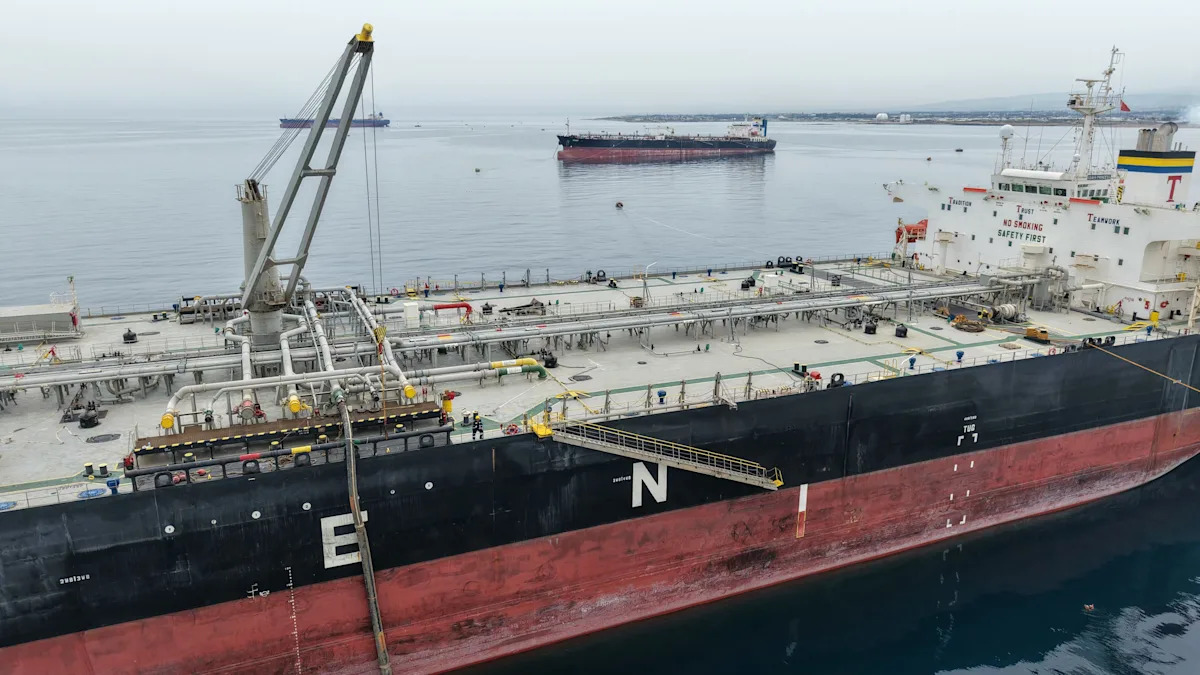
- LNG Supply Potential: Carney stated that Canada aims to become a key supplier of liquefied natural gas (LNG) to India, with plans to increase LNG production to 50 million tonnes by 2030, while India plans to double the share of LNG in its energy mix, showcasing strategic complementarity in energy.
- Signs of Improved Relations: Both leaders noted significant improvements in bilateral relations over the past year, with interactions exceeding the total of the last two decades, despite lingering historical tensions, indicating potential for cooperation based on political trust and commercial logic.
Trade with 70% Backtested Accuracy
Stop guessing "Should I Buy LNG?" and start using high-conviction signals backed by rigorous historical data.
Sign up today to access powerful investing tools and make smarter, data-driven decisions.
Analyst Views on LNG
Wall Street analysts forecast LNG stock price to rise
11 Analyst Rating
11 Buy
0 Hold
0 Sell
Strong Buy
Current: 262.740

Low
258.00
Averages
274.09
High
290.00
Current: 262.740
Low
258.00
Averages
274.09
High
290.00
About LNG
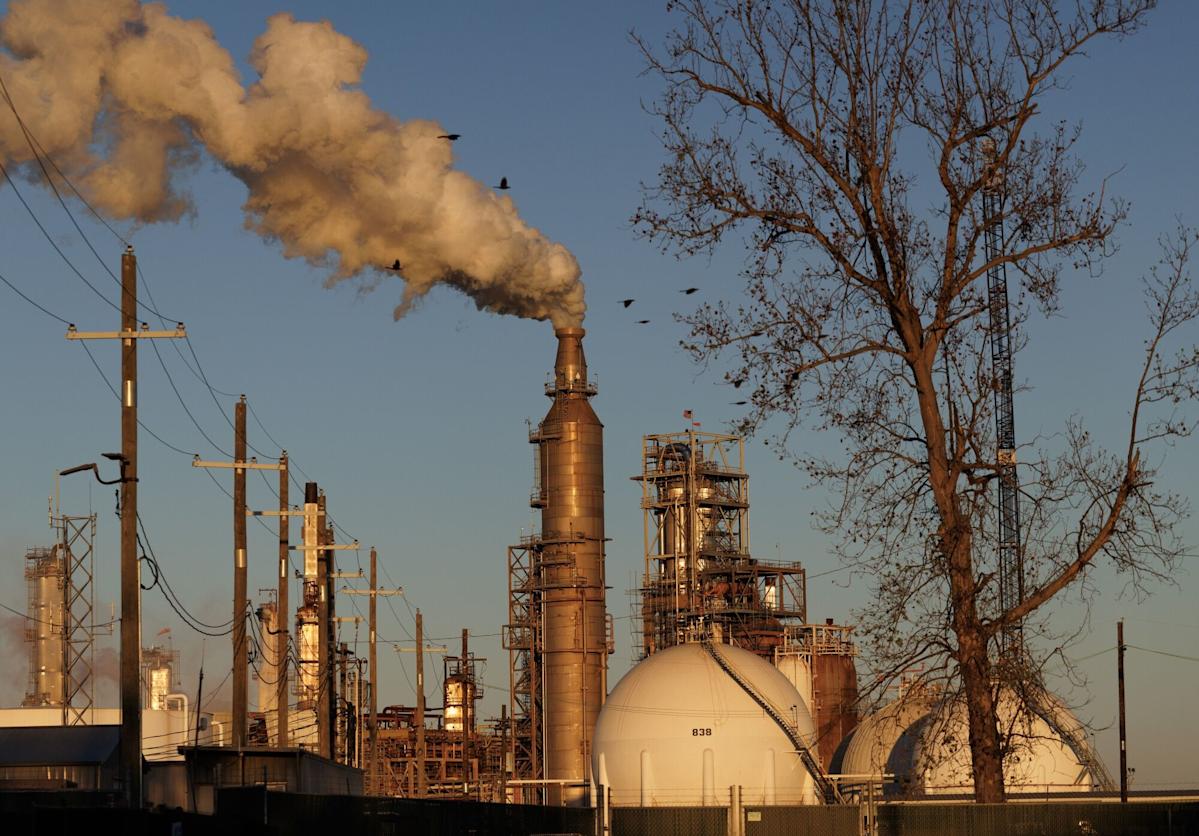
Cheniere Energy, Inc. is the producer and exporter of liquefied natural gas (LNG) in the United States. The Company provides clean and secure LNG to integrated energy companies, utilities, and energy trading companies worldwide. It operates two natural gas liquefaction and export facilities at Sabine Pass, Louisiana (Sabine Pass LNG Terminal) and near Corpus Christi, Texas (Corpus Christi LNG Terminal). Sabine Pass LNG Terminal, which has natural gas liquefaction facilities consisting of six operational trains, for a total production capacity of approximately 30 million tons per annum (mtpa) of LNG (the SPL Project). Corpus Christi LNG Terminal near Corpus Christi, Texas, consists of three trains for a total production capacity of approximately 15 mtpa of LNG, three LNG storage tanks and two marine berths. It also owns and operates a 94-mile natural gas supply pipeline that interconnects the Sabine Pass LNG Terminal with several large interstate and intrastate pipelines.
About the author

Emily J. Thompson
Emily J. Thompson, a Chartered Financial Analyst (CFA) with 12 years in investment research, graduated with honors from the Wharton School. Specializing in industrial and technology stocks, she provides in-depth analysis for Intellectia’s earnings and market brief reports.

Goldman Sachs Reports Strong Q1 Earnings


- Earnings Highlights: Goldman Sachs reported Q1 net revenues of $17.2 billion, a 14% year-over-year increase that surpassed Wall Street expectations, indicating strong market performance and likely attracting more investor interest.
- Earnings Per Share Beat: The earnings per share came in at $17.55, exceeding Wall Street's forecast of $16.49, which pushed the return on equity to 19.8%, reflecting improved operational efficiency within the firm.
- Asset Management Growth: The Asset and Wealth Management unit generated $4.08 billion in revenue this quarter, a 10% increase from last year, although slightly below market expectations, indicating growth in management fees due to an increase in total assets under management.
- Market Dynamics Analysis: While FICC revenue fell by 10%, equity revenue surged by 27%, demonstrating that Goldman Sachs' trading business is thriving in a volatile and bullish market environment, suggesting potential continued benefits from the resurgence of capital markets.
See More

Goldman Sachs Q1 2026 Financial Report Analysis
- Strong Financial Performance: Goldman Sachs reported net revenues of $17.2 billion for Q1 2026, a 14% year-over-year increase that exceeded Wall Street expectations, indicating robust performance in investment banking and likely driving stock price appreciation.
- Earnings Per Share Beat: The bank's earnings per share reached $17.55, surpassing the expected $16.49, which pushed the return on equity to 19.8%, demonstrating high operational efficiency and potentially attracting more investor interest.
- Asset Management Growth: Goldman’s Asset and Wealth Management unit generated $4.08 billion this quarter, a 10% increase from last year, although slightly below Wall Street targets, reflecting increased management fees due to asset growth.
- Market Volatility Impact: While FICC revenue fell by 10%, equity revenue surged by 27%, indicating that Goldman's equity trading business thrived amid market volatility and high trading volumes, potentially setting the stage for future profit growth.
See More

U.S. LNG Firms Decline Following Iran's Announcement of Open Strait of Hormuz for Commercial Shipping During Lebanon Ceasefire

U.S. Companies' Response: U.S. companies have reduced their operations following Iran's announcement regarding the Strait of Hormuz.
Strait of Hormuz Accessibility: Iran has declared that the Strait of Hormuz is open to all commercial shipping during the duration of the Lebanon ceasefire.
See More
Cheniere Energy Rated as Top Natural Gas Investment
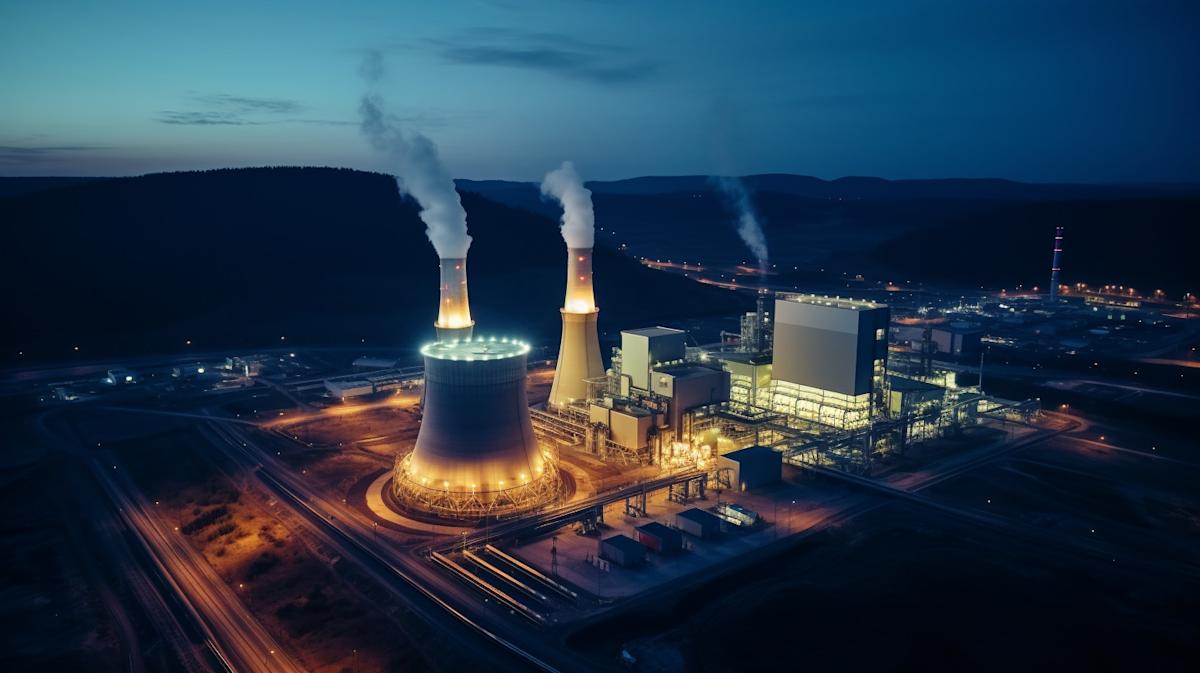
- Price Target Increase: Citigroup raised Cheniere Energy's price target from $280 to $330 while maintaining a Buy rating, indicating increased market confidence in its profitability, particularly amid global energy market volatility due to Middle East conflicts.
- Market Position: As the largest liquefied natural gas producer in the U.S., Cheniere operates major export terminals in Louisiana and Texas, strategically positioned to benefit from the growing importance of LNG as a flexible and scalable energy solution.
- Demand Growth: Cheniere stands to gain from rising global demand driven by energy security concerns and the rapid expansion of AI and data center infrastructure, with strong margins making it a high-quality investment opportunity with significant long-term upside potential.
- Investment Outlook: While LNG is seen as a promising investment, analysts suggest that certain AI stocks may offer greater upside potential and lower downside risk, urging investors to choose wisely for optimal returns.
See More

Cheniere Energy Announces Q1 2026 Earnings Release Schedule
- Earnings Release Schedule: Cheniere Energy plans to issue its Q1 2026 financial results on May 7, 2026, before market open, highlighting its ongoing growth potential in the LNG sector.
- Investor Conference Call: An investor and analyst conference call will be held at 11:00 AM ET on the same day, providing an in-depth analysis of financial results aimed at boosting investor confidence and enhancing market transparency.
- LNG Production Capacity: Cheniere boasts an LNG production capacity exceeding 53 million tonnes per annum, with an additional 8 million tonnes expected from ongoing projects, underscoring its leadership in the global energy market.
- Global Business Presence: With offices in major cities like London, Singapore, and Beijing, Cheniere demonstrates its commitment to meeting the growing global demand for natural gas and expanding its international market reach.
See More

Middle East Tensions Rise as Iran Launches Missiles


- Escalating Missile Attacks: Despite a two-week ceasefire agreement between the U.S. and Iran, Iran launched missiles towards Israel and several Gulf states on April 8, indicating heightened tensions and the potential for further military conflict.
- Pressure on Defense Systems: Gulf states' air defense systems are under significant strain, with the UAE and Kuwait reportedly depleting about 75% of their Patriot missile interceptor stocks, while Bahrain's inventory may be as low as 87%, potentially compromising future defense capabilities.
- Damage to Energy Infrastructure: Recent strikes have inflicted a 17% output loss at Qatar's Ras Laffan LNG plants, with recovery expected to take years, which not only impacts regional energy supplies but could also have ripple effects on global markets.
- Need for Long-term Security Solutions: UAE presidential adviser Anwar Gargash emphasized that the war must conclude with a long-term solution for Gulf security, warning that any ceasefire failing to achieve this could lead to a breakdown of trust and future conflicts.
See More
Goldman Sachs Reports Strong Q1 Earnings
- Earnings Highlights: Goldman Sachs reported Q1 net revenues of $17.2 billion, a 14% year-over-year increase that surpassed Wall Street expectations, indicating strong market performance and likely attracting more investor interest.
- Earnings Per Share Beat: The earnings per share came in at $17.55, exceeding Wall Street's forecast of $16.49, which pushed the return on equity to 19.8%, reflecting improved operational efficiency within the firm.
- Asset Management Growth: The Asset and Wealth Management unit generated $4.08 billion in revenue this quarter, a 10% increase from last year, although slightly below market expectations, indicating growth in management fees due to an increase in total assets under management.
- Market Dynamics Analysis: While FICC revenue fell by 10%, equity revenue surged by 27%, demonstrating that Goldman Sachs' trading business is thriving in a volatile and bullish market environment, suggesting potential continued benefits from the resurgence of capital markets.
See More
Goldman Sachs Q1 2026 Financial Report Analysis
- Strong Financial Performance: Goldman Sachs reported net revenues of $17.2 billion for Q1 2026, a 14% year-over-year increase that exceeded Wall Street expectations, indicating robust performance in investment banking and likely driving stock price appreciation.
- Earnings Per Share Beat: The bank's earnings per share reached $17.55, surpassing the expected $16.49, which pushed the return on equity to 19.8%, demonstrating high operational efficiency and potentially attracting more investor interest.
- Asset Management Growth: Goldman’s Asset and Wealth Management unit generated $4.08 billion this quarter, a 10% increase from last year, although slightly below Wall Street targets, reflecting increased management fees due to asset growth.
- Market Volatility Impact: While FICC revenue fell by 10%, equity revenue surged by 27%, indicating that Goldman's equity trading business thrived amid market volatility and high trading volumes, potentially setting the stage for future profit growth.
See More
U.S. LNG Firms Decline Following Iran's Announcement of Open Strait of Hormuz for Commercial Shipping During Lebanon Ceasefire
U.S. Companies' Response: U.S. companies have reduced their operations following Iran's announcement regarding the Strait of Hormuz.
Strait of Hormuz Accessibility: Iran has declared that the Strait of Hormuz is open to all commercial shipping during the duration of the Lebanon ceasefire.
See More
Cheniere Energy Rated as Top Natural Gas Investment
- Price Target Increase: Citigroup raised Cheniere Energy's price target from $280 to $330 while maintaining a Buy rating, indicating increased market confidence in its profitability, particularly amid global energy market volatility due to Middle East conflicts.
- Market Position: As the largest liquefied natural gas producer in the U.S., Cheniere operates major export terminals in Louisiana and Texas, strategically positioned to benefit from the growing importance of LNG as a flexible and scalable energy solution.
- Demand Growth: Cheniere stands to gain from rising global demand driven by energy security concerns and the rapid expansion of AI and data center infrastructure, with strong margins making it a high-quality investment opportunity with significant long-term upside potential.
- Investment Outlook: While LNG is seen as a promising investment, analysts suggest that certain AI stocks may offer greater upside potential and lower downside risk, urging investors to choose wisely for optimal returns.
See More
Cheniere Energy Announces Q1 2026 Earnings Release Schedule
- Earnings Release Schedule: Cheniere Energy plans to issue its Q1 2026 financial results on May 7, 2026, before market open, highlighting its ongoing growth potential in the LNG sector.
- Investor Conference Call: An investor and analyst conference call will be held at 11:00 AM ET on the same day, providing an in-depth analysis of financial results aimed at boosting investor confidence and enhancing market transparency.
- LNG Production Capacity: Cheniere boasts an LNG production capacity exceeding 53 million tonnes per annum, with an additional 8 million tonnes expected from ongoing projects, underscoring its leadership in the global energy market.
- Global Business Presence: With offices in major cities like London, Singapore, and Beijing, Cheniere demonstrates its commitment to meeting the growing global demand for natural gas and expanding its international market reach.
See More
Middle East Tensions Rise as Iran Launches Missiles
- Escalating Missile Attacks: Despite a two-week ceasefire agreement between the U.S. and Iran, Iran launched missiles towards Israel and several Gulf states on April 8, indicating heightened tensions and the potential for further military conflict.
- Pressure on Defense Systems: Gulf states' air defense systems are under significant strain, with the UAE and Kuwait reportedly depleting about 75% of their Patriot missile interceptor stocks, while Bahrain's inventory may be as low as 87%, potentially compromising future defense capabilities.
- Damage to Energy Infrastructure: Recent strikes have inflicted a 17% output loss at Qatar's Ras Laffan LNG plants, with recovery expected to take years, which not only impacts regional energy supplies but could also have ripple effects on global markets.
- Need for Long-term Security Solutions: UAE presidential adviser Anwar Gargash emphasized that the war must conclude with a long-term solution for Gulf security, warning that any ceasefire failing to achieve this could lead to a breakdown of trust and future conflicts.
See More