Increased Position in Excellent Business at Bargain Price
Written by Emily J. Thompson, Senior Investment Analyst
Updated: 2 hours ago
0mins
Should l Buy NFLX?
Source: Fool
- Position Increase: Based on the afternoon stock prices of March 27, 2026, I decided to double my position in this excellent business at a bargain price, demonstrating strong confidence in its future growth potential.
- Market Timing: This increase occurred during a period of market volatility, indicating my firm belief in the company's fundamentals and long-term investment strategy, aiming to capitalize on the current undervaluation opportunity.
- Investment Confidence: By increasing my holdings, I not only see the company's financial health as robust but also believe its competitive advantages in the industry will drive future stock price appreciation.
- Long-Term Outlook: This move reflects my optimistic expectations for the company's future development, which I anticipate will yield substantial returns for my investment portfolio, especially as the market recovers.
Trade with 70% Backtested Accuracy
Stop guessing "Should I Buy NFLX?" and start using high-conviction signals backed by rigorous historical data.
Sign up today to access powerful investing tools and make smarter, data-driven decisions.
Analyst Views on NFLX
Wall Street analysts forecast NFLX stock price to rise
38 Analyst Rating
27 Buy
10 Hold
1 Sell
Moderate Buy
Current: 93.320

Low
92.00
Averages
114.18
High
150.00
Current: 93.320
Low
92.00
Averages
114.18
High
150.00
About NFLX
Netflix, Inc. is a provider of entertainment services. The Company acquires, licenses and produces content, including original programming. It provides paid memberships in over 190 countries offering television (TV) series, films and games across a variety of genres and languages. It allows members to play, pause and resume watching as much as they want, anytime, anywhere, and can change their plans at any time. The Company offers members the ability to receive streaming content through a host of Internet-connected devices, including TVs, digital video players, TV set-top boxes and mobile devices. It is engaged in scaling its streaming service, such as introducing games and advertising on its service, as well as offering live programming. It is developing technology and utilizing third-party cloud computing, technology and other services. The Company is also engaged in scaling its own studio operations to produce original content.
About the author

Emily J. Thompson
Emily J. Thompson, a Chartered Financial Analyst (CFA) with 12 years in investment research, graduated with honors from the Wharton School. Specializing in industrial and technology stocks, she provides in-depth analysis for Intellectia’s earnings and market brief reports.
Netflix Raises Prices Again, Showcasing Pricing Power

- Price Increases: Netflix has quietly raised prices across all U.S. subscription plans, with the standard ad-free tier increasing from $17.99 to $19.99, demonstrating its strong pricing power and expected to drive further revenue growth.
- Strong Financial Performance: In Q4 2025, Netflix's revenue rose 17.6% year-over-year to approximately $12.1 billion, while earnings per share increased by 31% to $0.56, indicating healthy growth in memberships and advertising business.
- Operating Leverage Improvement: Netflix achieved a 29.5% operating margin in 2025, up from 26.7% in 2024, with management targeting a further increase to 31.5% in 2026, showcasing the company's advantage in controlling content costs.
- Cash Flow Growth: The company generated $9.5 billion in free cash flow in 2025, up from $6.9 billion in 2024, reflecting rapid expansion of its advertising segment and providing ample funding for future investments.
See More
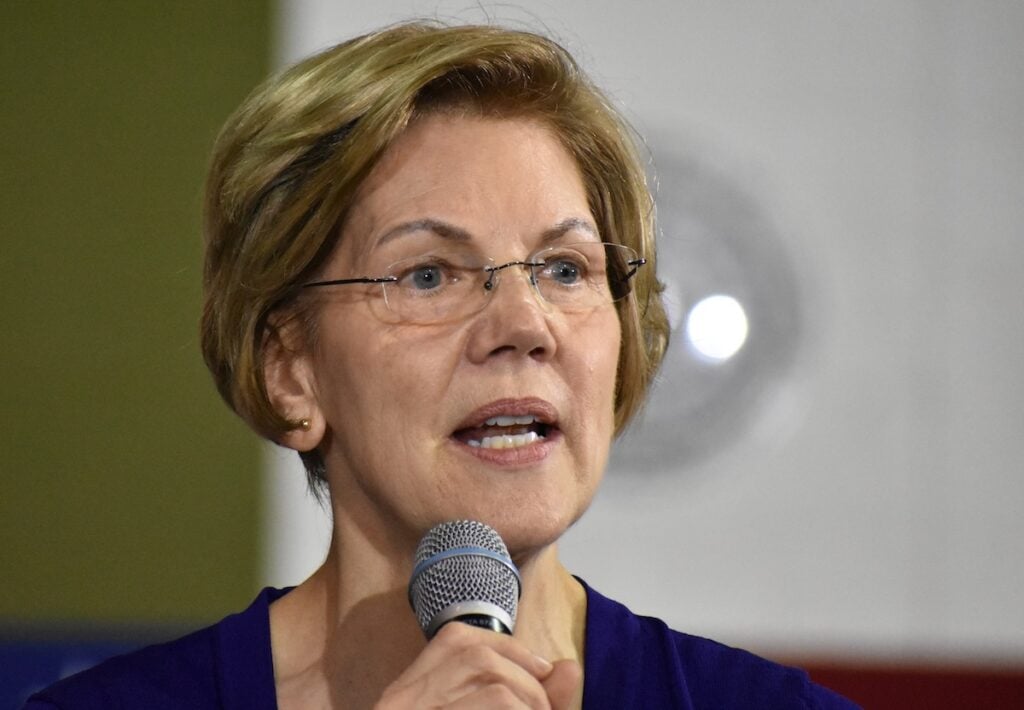
Warren Criticizes Netflix Price Hike After $2.8 Billion Payout
- Warren's Critique: Senator Elizabeth Warren criticized Netflix on social media for raising prices after receiving a $2.8 billion payout, arguing that this move is unfair to millions of customers and reflects the company's disregard for its user base.
- Price Increase Details: Netflix announced a minimum price increase of $1 across all subscription plans, with the ad-supported plan rising from $7.99 to $8.99, the standard plan increasing to $19.99, and additional user fees also going up, indicating ongoing pressure from content investment demands.
- Industry Trend: Netflix's price hike aligns with a broader trend in the streaming sector, as other companies like Spotify, Amazon, and Disney have also raised prices recently, highlighting increasing competition and rising cost pressures within the industry.
- M&A Context: The criticism comes in the wake of Netflix's failure to raise its $82.7 billion bid in a takeover attempt for Warner Bros., which resulted in Paramount paying a $2.8 billion breakup fee, adding weight to Warren's critique and underscoring contradictions in the company's financial decisions.
See More

Investors Eye Netflix and AI Technology Developments
- Investment Opportunity Analysis: The analyst team has released a report highlighting a company referred to as an 'Indispensable Monopoly,' whose technology is critical for Nvidia and Intel, potentially making it a key investment for the future.
- Historical Return Comparison: An investment of $1,000 in Netflix back in December 2004 would have grown to $503,861 today, showcasing the company's exceptional historical investment returns and attracting more investor interest.
- Market Performance Evaluation: Stock Advisor boasts an average return of 884%, significantly outperforming the S&P 500's 179%, indicating the team's strong stock-picking ability and potential for higher returns for investors.
- Investor Community Building: The Motley Fool is committed to building an investment community for individual investors, encouraging them to pay attention to the latest top 10 stock list to seize future investment opportunities.
See More

Increased Position in Excellent Business at Bargain Price
- Position Increase: Based on the afternoon stock prices of March 27, 2026, I decided to double my position in this excellent business at a bargain price, demonstrating strong confidence in its future growth potential.
- Market Timing: This increase occurred during a period of market volatility, indicating my firm belief in the company's fundamentals and long-term investment strategy, aiming to capitalize on the current undervaluation opportunity.
- Investment Confidence: By increasing my holdings, I not only see the company's financial health as robust but also believe its competitive advantages in the industry will drive future stock price appreciation.
- Long-Term Outlook: This move reflects my optimistic expectations for the company's future development, which I anticipate will yield substantial returns for my investment portfolio, especially as the market recovers.
See More

Three Companies Worth Holding Forever

- Carvana's Market Potential: Carvana has emerged from restructuring and improved profitability over the past three years, leveraging the fragmentation of over 43,000 used car dealerships in the U.S. to position itself as a more efficient competitor poised to thrive during upcoming industry consolidation, driving market share growth.
- Ferrari's Unique Advantages: Despite a 34% drop in stock price over the past six months, Ferrari's stock has nearly tripled the S&P 500 returns over the past decade, showcasing strong pricing power and resilience due to its exclusivity and loyal customer base, ensuring long-term investment returns.
- Nvidia's AI Dominance: Nvidia is set to achieve significant growth through 2030, driven by its dominance in the GPU market for global AI data centers, particularly as demand surges for autonomous and software-defined vehicles, establishing itself as a backbone of AI infrastructure expansion.
- Challenges of Long-Term Investing: While the strategy of buying and holding stocks seems straightforward, the rapid turnover of top businesses necessitates careful selection; however, with their unique competitive advantages, Ferrari, Nvidia, and Carvana demonstrate potential for long-term holding, warranting investor attention.
See More

Investment Opportunities in the Consolidating Auto Industry
- Carvana's Market Potential: After overcoming potential restructuring or bankruptcy scares, Carvana has transformed into a more efficient, vertically integrated, and profitable company, positioning itself favorably in the upcoming consolidation of the used car industry, where over 43,000 dealerships in the U.S. have a mere 2.3% market share.
- Ferrari's Competitive Edge: Despite a roughly 34% drop in Ferrari's stock over the past six months, it has nearly tripled the returns of the S&P 500 over the last decade, showcasing its strong competitive position and brand value in the luxury automotive market, with a unique sales strategy that excels during economic cycles.
- Nvidia's AI Dominance: Nvidia has become the backbone of AI infrastructure expansion by providing GPUs for global AI data centers, with substantial growth in demand expected through 2030, further solidifying its market position and profitability.
- Challenges of Long-Term Investment: While the strategy of holding quality stocks seems straightforward, the rapid market changes necessitate careful selection, with companies like Carvana, Ferrari, and Nvidia potentially thriving in the long run due to their unique competitive advantages.
See More
Netflix Raises Prices Again, Showcasing Pricing Power
- Price Increases: Netflix has quietly raised prices across all U.S. subscription plans, with the standard ad-free tier increasing from $17.99 to $19.99, demonstrating its strong pricing power and expected to drive further revenue growth.
- Strong Financial Performance: In Q4 2025, Netflix's revenue rose 17.6% year-over-year to approximately $12.1 billion, while earnings per share increased by 31% to $0.56, indicating healthy growth in memberships and advertising business.
- Operating Leverage Improvement: Netflix achieved a 29.5% operating margin in 2025, up from 26.7% in 2024, with management targeting a further increase to 31.5% in 2026, showcasing the company's advantage in controlling content costs.
- Cash Flow Growth: The company generated $9.5 billion in free cash flow in 2025, up from $6.9 billion in 2024, reflecting rapid expansion of its advertising segment and providing ample funding for future investments.
See More
Warren Criticizes Netflix Price Hike After $2.8 Billion Payout
- Warren's Critique: Senator Elizabeth Warren criticized Netflix on social media for raising prices after receiving a $2.8 billion payout, arguing that this move is unfair to millions of customers and reflects the company's disregard for its user base.
- Price Increase Details: Netflix announced a minimum price increase of $1 across all subscription plans, with the ad-supported plan rising from $7.99 to $8.99, the standard plan increasing to $19.99, and additional user fees also going up, indicating ongoing pressure from content investment demands.
- Industry Trend: Netflix's price hike aligns with a broader trend in the streaming sector, as other companies like Spotify, Amazon, and Disney have also raised prices recently, highlighting increasing competition and rising cost pressures within the industry.
- M&A Context: The criticism comes in the wake of Netflix's failure to raise its $82.7 billion bid in a takeover attempt for Warner Bros., which resulted in Paramount paying a $2.8 billion breakup fee, adding weight to Warren's critique and underscoring contradictions in the company's financial decisions.
See More
Investors Eye Netflix and AI Technology Developments
- Investment Opportunity Analysis: The analyst team has released a report highlighting a company referred to as an 'Indispensable Monopoly,' whose technology is critical for Nvidia and Intel, potentially making it a key investment for the future.
- Historical Return Comparison: An investment of $1,000 in Netflix back in December 2004 would have grown to $503,861 today, showcasing the company's exceptional historical investment returns and attracting more investor interest.
- Market Performance Evaluation: Stock Advisor boasts an average return of 884%, significantly outperforming the S&P 500's 179%, indicating the team's strong stock-picking ability and potential for higher returns for investors.
- Investor Community Building: The Motley Fool is committed to building an investment community for individual investors, encouraging them to pay attention to the latest top 10 stock list to seize future investment opportunities.
See More
Increased Position in Excellent Business at Bargain Price
- Position Increase: Based on the afternoon stock prices of March 27, 2026, I decided to double my position in this excellent business at a bargain price, demonstrating strong confidence in its future growth potential.
- Market Timing: This increase occurred during a period of market volatility, indicating my firm belief in the company's fundamentals and long-term investment strategy, aiming to capitalize on the current undervaluation opportunity.
- Investment Confidence: By increasing my holdings, I not only see the company's financial health as robust but also believe its competitive advantages in the industry will drive future stock price appreciation.
- Long-Term Outlook: This move reflects my optimistic expectations for the company's future development, which I anticipate will yield substantial returns for my investment portfolio, especially as the market recovers.
See More
Three Companies Worth Holding Forever
- Carvana's Market Potential: Carvana has emerged from restructuring and improved profitability over the past three years, leveraging the fragmentation of over 43,000 used car dealerships in the U.S. to position itself as a more efficient competitor poised to thrive during upcoming industry consolidation, driving market share growth.
- Ferrari's Unique Advantages: Despite a 34% drop in stock price over the past six months, Ferrari's stock has nearly tripled the S&P 500 returns over the past decade, showcasing strong pricing power and resilience due to its exclusivity and loyal customer base, ensuring long-term investment returns.
- Nvidia's AI Dominance: Nvidia is set to achieve significant growth through 2030, driven by its dominance in the GPU market for global AI data centers, particularly as demand surges for autonomous and software-defined vehicles, establishing itself as a backbone of AI infrastructure expansion.
- Challenges of Long-Term Investing: While the strategy of buying and holding stocks seems straightforward, the rapid turnover of top businesses necessitates careful selection; however, with their unique competitive advantages, Ferrari, Nvidia, and Carvana demonstrate potential for long-term holding, warranting investor attention.
See More
Investment Opportunities in the Consolidating Auto Industry
- Carvana's Market Potential: After overcoming potential restructuring or bankruptcy scares, Carvana has transformed into a more efficient, vertically integrated, and profitable company, positioning itself favorably in the upcoming consolidation of the used car industry, where over 43,000 dealerships in the U.S. have a mere 2.3% market share.
- Ferrari's Competitive Edge: Despite a roughly 34% drop in Ferrari's stock over the past six months, it has nearly tripled the returns of the S&P 500 over the last decade, showcasing its strong competitive position and brand value in the luxury automotive market, with a unique sales strategy that excels during economic cycles.
- Nvidia's AI Dominance: Nvidia has become the backbone of AI infrastructure expansion by providing GPUs for global AI data centers, with substantial growth in demand expected through 2030, further solidifying its market position and profitability.
- Challenges of Long-Term Investment: While the strategy of holding quality stocks seems straightforward, the rapid market changes necessitate careful selection, with companies like Carvana, Ferrari, and Nvidia potentially thriving in the long run due to their unique competitive advantages.
See More