Incorporating Private Assets in 401(k)s May Enhance Long-Term Returns: Examples of Successful Implementation
Potential Benefits of Private Assets: Recent studies suggest that incorporating private equity and private credit into 401(k) plans could enhance long-term returns, with Vanguard estimating a potential increase in retirement wealth by 7% to 22% with a 10% to 20% allocation to private assets.
Challenges of Accessibility and Performance: Despite the potential benefits, the accessibility of private assets for individual investors remains a concern, especially as many participants switch jobs and may not have access to the same private investments, which can lead to underperformance during market downturns.
Cautious Approach Recommended: Experts emphasize a measured approach to adding private assets to defined contribution plans, highlighting the importance of active management, transparency, and liquidity, while also ensuring that plan sponsors act in the best interest of participants.
Real-World Applications: Firms like JPMorgan and AllianceBernstein have successfully integrated private assets into their target-date funds, demonstrating improved risk-adjusted returns and providing participants with enhanced inflation sensitivity and income diversification.
Trade with 70% Backtested Accuracy
Analyst Views on AVD
About AVD
About the author


European Government Bond Yields Surge to Decade Highs


- Bond Yield Surge: Germany's 10-year bund yield rose by 6 basis points to 3.1228% on Friday, marking the highest level since 2011, indicating heightened market expectations for future rate hikes that could increase borrowing costs and impact corporate lending and investment decisions.
- French Bond Trends: The yield on French 10-year OATs also increased by 9 basis points, reaching its highest level since 2011, reflecting growing market concerns over rising inflation that may compel the government to adopt tighter fiscal measures.
- UK Gilt Rebound: The yield on UK 10-year gilts rose by 10 basis points to 5.07% on Friday, having increased by 83 basis points over the past month, signaling investor expectations of a resurgence in inflation that could lead the Bank of England to implement more aggressive monetary policies.
- Market Reaction Intensifies: Following ECB President Lagarde's hints at potential rate hikes, market sentiment has turned increasingly pessimistic, resulting in significant volatility in the bond market, prompting investors to remain vigilant about potential stagflation risks.
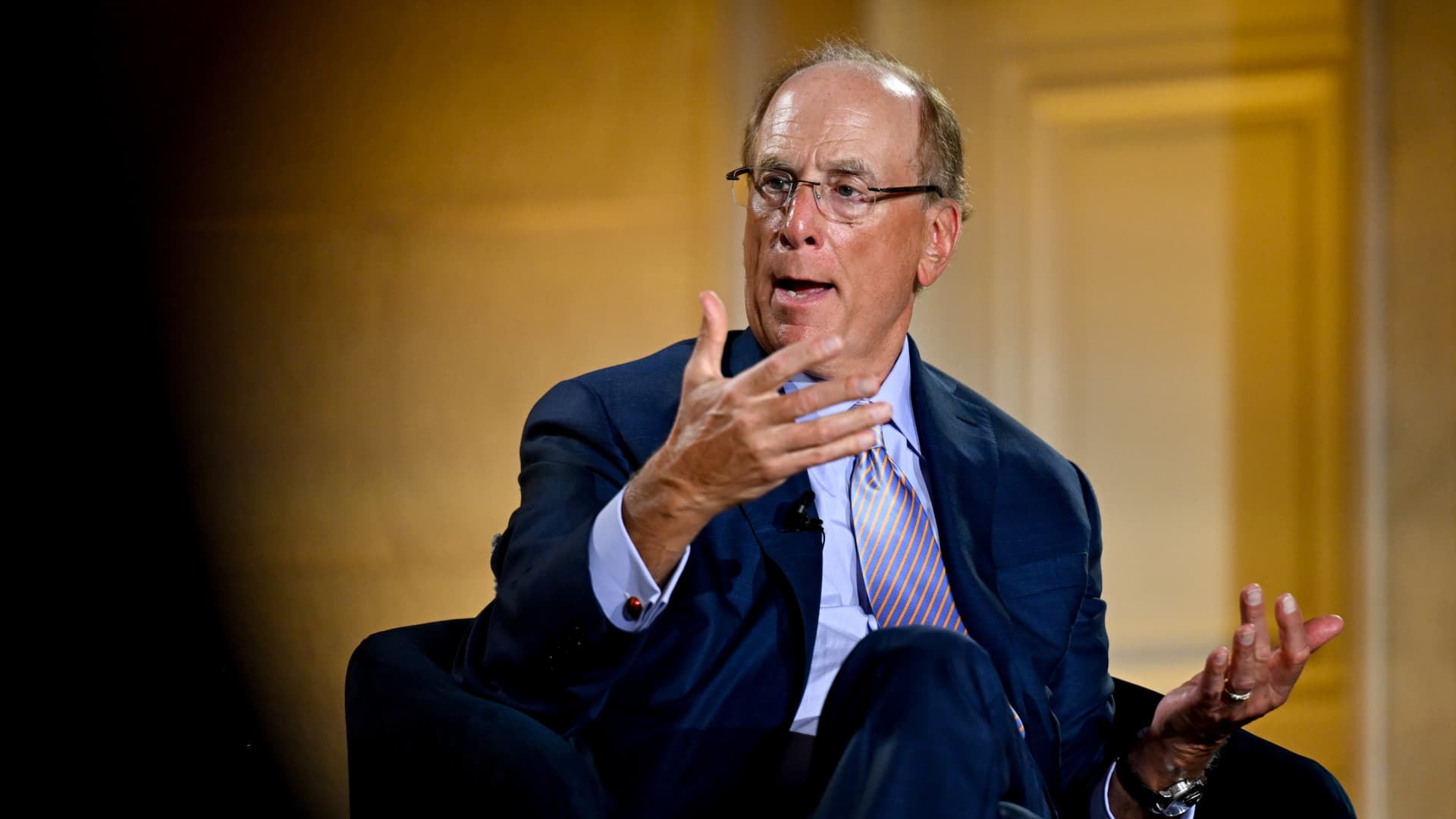
BlackRock CEO: Trump Accounts as Wealth-Building Tool for Children

- Wealth-Building Tool: BlackRock CEO Larry Fink stated that Trump accounts could serve as an effective early wealth-building tool for children in the U.S., and when paired with existing educational and retirement investment vehicles, they are expected to significantly enhance young people's economic participation.
- Policy Impact: Citing a 2023 research paper by the Aspen Institute, Fink noted that early wealth-building accounts increase the likelihood of earning advanced degrees, starting businesses, and owning homes, thereby promoting family wealth growth and social mobility.
- Account Structure: Trump accounts (530A accounts) provide a one-time $1,000 seed funding for children born between 2025 and 2028, with BlackRock and other large employers pledging to match this funding, which is expected to attract more families into wealth accumulation.
- Participation Opportunity: As of March 8, nearly 3.5 million families have filed to open Trump accounts, with over 800,000 qualifying for the $1,000 pilot contribution, indicating strong demand for this new policy and its potential market impact.

Federal Reserve's Rate Pause Attracts Short-Duration Asset Investments

- Attraction of Short-Term Assets: The Federal Reserve's decision to maintain the federal funds rate between 3.5% and 3.75% and the expectation of one rate cut this year keeps yields on short-term Treasuries and high-quality bonds at levels not seen in many years, drawing investor interest towards short-duration assets.
- Surge in Bond ETF Inflows: Ultra-short bond ETFs have seen $85 billion in inflows over the past 12 months, making them the leading category for new investments among fixed-income ETFs, indicating a strong market appetite for short-term debt instruments.
- Popularity of Bank Loans: Bank loans, also known as senior loans, have gained traction among retail investors due to their high yields and increased ETF issuance, with the T. Rowe Price Floating Rate ETF offering a 30-day SEC yield of 6.51%, showcasing their appeal.
- Stable Cash Asset Yields: Although the annual percentage rates for money market funds have fallen below 4%, they still provide relatively stable income, with the Crane 100 list showing an annualized seven-day yield of 3.47%, offering investors a safe income option.

American Vanguard Reports FY 2025 Earnings with Challenges Ahead
- Earnings Performance: American Vanguard reported a FY 2025 GAAP EPS of -$1.75 and revenue of $515.11 million, reflecting a 5.9% year-over-year decline, indicating ongoing challenges in the market that may affect investor confidence moving forward.
- Adjusted EBITDA: The company achieved an adjusted EBITDA of $39.2 million, slightly above last year's $39.1 million, suggesting that it can maintain profitability under tough market conditions, but sluggish growth may limit future expansion opportunities.
- Future Outlook: American Vanguard anticipates adjusted EBITDA in the range of $44 to $48 million for 2026, indicating growth expectations; however, overcoming current market challenges will be crucial to achieving these targets, reflecting a cautious approach to future business development.
- Market Environment: Despite efforts to improve operations, the overall market environment remains challenging, which could impact the company's long-term strategy and market share, prompting investors to closely monitor its response strategies.

American Vanguard Corp 2025 Earnings Report Analysis
- Sales Decline: Sales for 2025 reached $515 million, a 6% decrease year-over-year, primarily due to a 14% drop in international operations, reflecting the impact of elevated channel inventories in Mexico and drought conditions in Australia, which puts revenue pressure on the company.
- Adjusted EBITDA Growth: Adjusted EBITDA for 2025 was $39.2 million, slightly better than the previous year but below the target range of $40 million to $44 million, indicating the company's efforts in cost control and operational efficiency despite sluggish sales.
- Cost Savings Initiatives: The rationalization of the Los Angeles manufacturing facility and the relocation of headquarters are expected to save the company $4.5 million annually, enhancing financial flexibility and supporting future growth initiatives.
- New Product Revenue Expectations: The launch of new products is anticipated to contribute an additional $100 million in annual revenue over the medium term, primarily from new insecticides and herbicides, with a target to achieve this by 2030-2031, showcasing the company's strategic focus on product innovation.
American Vanguard to Report 2025 Financial Results
- Earnings Report Schedule: American Vanguard will release its full-year financial results for 2025 on March 16, 2026, after market close, which is expected to provide investors with critical financial data and future outlook, aiding market assessment of the company's performance.
- Conference Call Details: The company will host an earnings conference call on the same day at 4:30 PM ET/1:30 PM PT, led by CEO Dak Kaye and CFO David T. Johnson, anticipated to provide in-depth analysis of the financial results and address investor questions.
- Webcast and Archiving: The conference call will be webcast on the company's website, and if investors are unable to listen live, the call will be archived for one year, enhancing transparency and accessibility of information for stakeholders.
- Company Background: American Vanguard Corporation is a diversified specialty and agriculture products company with over 1,000 product registrations worldwide, focusing on crop protection and management, turf and ornamental management, and public health, showcasing its extensive influence in the industry.
European Government Bond Yields Surge to Decade Highs
- Bond Yield Surge: Germany's 10-year bund yield rose by 6 basis points to 3.1228% on Friday, marking the highest level since 2011, indicating heightened market expectations for future rate hikes that could increase borrowing costs and impact corporate lending and investment decisions.
- French Bond Trends: The yield on French 10-year OATs also increased by 9 basis points, reaching its highest level since 2011, reflecting growing market concerns over rising inflation that may compel the government to adopt tighter fiscal measures.
- UK Gilt Rebound: The yield on UK 10-year gilts rose by 10 basis points to 5.07% on Friday, having increased by 83 basis points over the past month, signaling investor expectations of a resurgence in inflation that could lead the Bank of England to implement more aggressive monetary policies.
- Market Reaction Intensifies: Following ECB President Lagarde's hints at potential rate hikes, market sentiment has turned increasingly pessimistic, resulting in significant volatility in the bond market, prompting investors to remain vigilant about potential stagflation risks.
BlackRock CEO: Trump Accounts as Wealth-Building Tool for Children
- Wealth-Building Tool: BlackRock CEO Larry Fink stated that Trump accounts could serve as an effective early wealth-building tool for children in the U.S., and when paired with existing educational and retirement investment vehicles, they are expected to significantly enhance young people's economic participation.
- Policy Impact: Citing a 2023 research paper by the Aspen Institute, Fink noted that early wealth-building accounts increase the likelihood of earning advanced degrees, starting businesses, and owning homes, thereby promoting family wealth growth and social mobility.
- Account Structure: Trump accounts (530A accounts) provide a one-time $1,000 seed funding for children born between 2025 and 2028, with BlackRock and other large employers pledging to match this funding, which is expected to attract more families into wealth accumulation.
- Participation Opportunity: As of March 8, nearly 3.5 million families have filed to open Trump accounts, with over 800,000 qualifying for the $1,000 pilot contribution, indicating strong demand for this new policy and its potential market impact.
Federal Reserve's Rate Pause Attracts Short-Duration Asset Investments
- Attraction of Short-Term Assets: The Federal Reserve's decision to maintain the federal funds rate between 3.5% and 3.75% and the expectation of one rate cut this year keeps yields on short-term Treasuries and high-quality bonds at levels not seen in many years, drawing investor interest towards short-duration assets.
- Surge in Bond ETF Inflows: Ultra-short bond ETFs have seen $85 billion in inflows over the past 12 months, making them the leading category for new investments among fixed-income ETFs, indicating a strong market appetite for short-term debt instruments.
- Popularity of Bank Loans: Bank loans, also known as senior loans, have gained traction among retail investors due to their high yields and increased ETF issuance, with the T. Rowe Price Floating Rate ETF offering a 30-day SEC yield of 6.51%, showcasing their appeal.
- Stable Cash Asset Yields: Although the annual percentage rates for money market funds have fallen below 4%, they still provide relatively stable income, with the Crane 100 list showing an annualized seven-day yield of 3.47%, offering investors a safe income option.
American Vanguard Reports FY 2025 Earnings with Challenges Ahead
- Earnings Performance: American Vanguard reported a FY 2025 GAAP EPS of -$1.75 and revenue of $515.11 million, reflecting a 5.9% year-over-year decline, indicating ongoing challenges in the market that may affect investor confidence moving forward.
- Adjusted EBITDA: The company achieved an adjusted EBITDA of $39.2 million, slightly above last year's $39.1 million, suggesting that it can maintain profitability under tough market conditions, but sluggish growth may limit future expansion opportunities.
- Future Outlook: American Vanguard anticipates adjusted EBITDA in the range of $44 to $48 million for 2026, indicating growth expectations; however, overcoming current market challenges will be crucial to achieving these targets, reflecting a cautious approach to future business development.
- Market Environment: Despite efforts to improve operations, the overall market environment remains challenging, which could impact the company's long-term strategy and market share, prompting investors to closely monitor its response strategies.
American Vanguard Corp 2025 Earnings Report Analysis
- Sales Decline: Sales for 2025 reached $515 million, a 6% decrease year-over-year, primarily due to a 14% drop in international operations, reflecting the impact of elevated channel inventories in Mexico and drought conditions in Australia, which puts revenue pressure on the company.
- Adjusted EBITDA Growth: Adjusted EBITDA for 2025 was $39.2 million, slightly better than the previous year but below the target range of $40 million to $44 million, indicating the company's efforts in cost control and operational efficiency despite sluggish sales.
- Cost Savings Initiatives: The rationalization of the Los Angeles manufacturing facility and the relocation of headquarters are expected to save the company $4.5 million annually, enhancing financial flexibility and supporting future growth initiatives.
- New Product Revenue Expectations: The launch of new products is anticipated to contribute an additional $100 million in annual revenue over the medium term, primarily from new insecticides and herbicides, with a target to achieve this by 2030-2031, showcasing the company's strategic focus on product innovation.
American Vanguard to Report 2025 Financial Results
- Earnings Report Schedule: American Vanguard will release its full-year financial results for 2025 on March 16, 2026, after market close, which is expected to provide investors with critical financial data and future outlook, aiding market assessment of the company's performance.
- Conference Call Details: The company will host an earnings conference call on the same day at 4:30 PM ET/1:30 PM PT, led by CEO Dak Kaye and CFO David T. Johnson, anticipated to provide in-depth analysis of the financial results and address investor questions.
- Webcast and Archiving: The conference call will be webcast on the company's website, and if investors are unable to listen live, the call will be archived for one year, enhancing transparency and accessibility of information for stakeholders.
- Company Background: American Vanguard Corporation is a diversified specialty and agriculture products company with over 1,000 product registrations worldwide, focusing on crop protection and management, turf and ornamental management, and public health, showcasing its extensive influence in the industry.