In the Face of the "SaaS Apocalypse," These 3 Companies Are Increasing Share Buybacks

Market Performance: The software sector has seen a significant decline, with the iShares Expanded Tech-Software Sector ETF down nearly 22% in 2026, while some companies are taking action to boost confidence through share buyback authorizations.
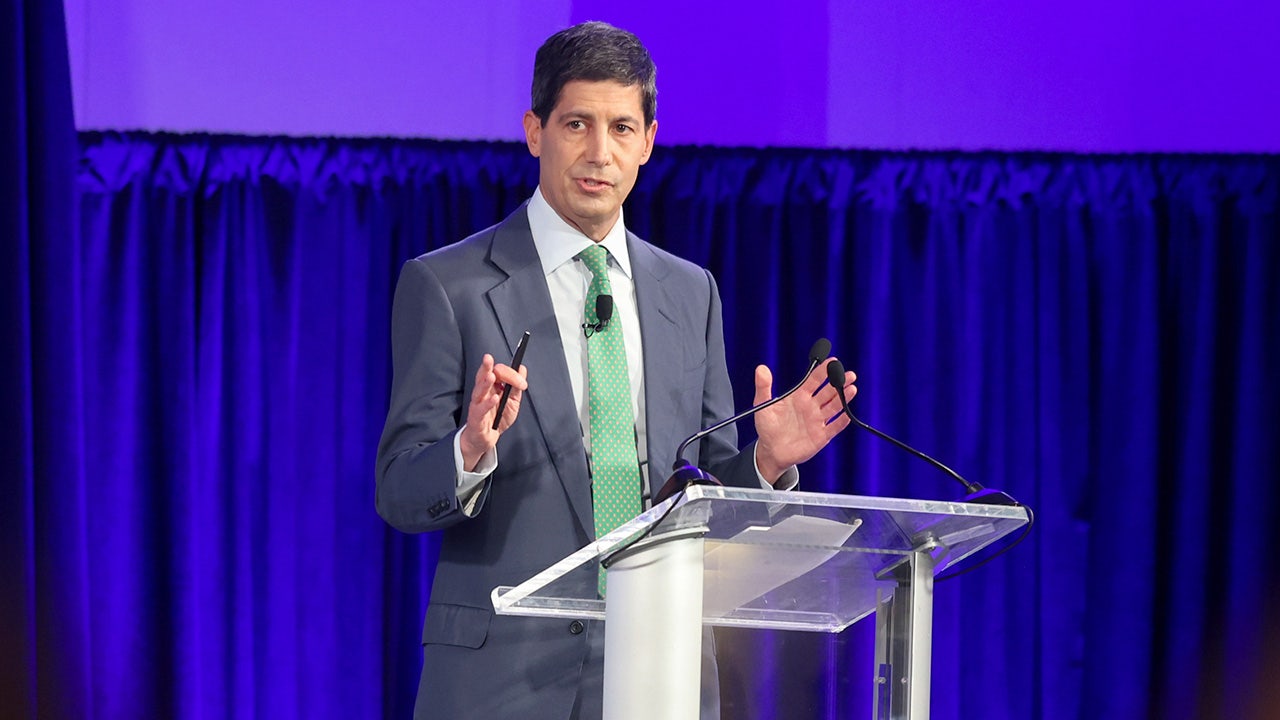
Company Highlights: Dynatrace has performed better than many software names, with shares down only about 14% in 2026, partly due to strong earnings reports that exceeded sales estimates and adjusted earnings per share.
Investor Sentiment: Despite some companies announcing substantial share buyback programs, investor confidence remains shaky, with concerns about the software industry's growth potential amid the rise of artificial intelligence tools.
Stock Recommendations: Analysts are suggesting that investors should be selective when considering investments in software stocks, as the market is facing challenges and the emergence of AI tools could disrupt traditional software development.
Trade with 70% Backtested Accuracy
Analyst Views on SHOP

About SHOP
About the author


Solana Potential Analysis: A Future Investment Winner Over the Next Decade


- Transaction Speed Advantage: Solana's L1 blockchain can process nearly 1,200 transactions per second, significantly surpassing Ethereum's 24 TPS, with a theoretical maximum speed of 65,000 TPS, greatly enhancing its appeal to developers and driving rapid ecosystem growth.
- Developer Ecosystem: By the end of 2025, Solana had 17,708 active developers, ranking second behind Ethereum, indicating strong performance in developer attraction that could lead to more innovations and applications emerging.
- Strategic Partnerships: Collaborations with Visa and Shopify, utilizing Solana's platform for stablecoin payments and e-commerce cryptocurrency transactions, have increased its market visibility, making it more appealing in a competitive landscape.
- New Product Launches: The introduction of blockchain-powered phones like Saga and Seeker, along with ETFs featuring staking capabilities, aims to attract more retail and institutional investors, further expanding its ecosystem and increasing market share.

Solana Price Plummets, Yet Developer Growth Potential Remains Strong

- Price Decline: Solana's price has plummeted over 70% from its all-time high of nearly $295 last January to approximately $85, presenting a potential buying opportunity for investors amidst market volatility.
- Developer Ecosystem: As of late 2025, Solana boasts 17,708 active developers, ranking second to Ethereum's 31,869, indicating a growing appeal of its ecosystem despite the current price drop.
- Technical Advantage: Solana's Layer 1 blockchain can process nearly 1,200 transactions per second, significantly outpacing Ethereum's 24 TPS, with a theoretical maximum of 65,000 TPS, enhancing its attractiveness for developers and future application development.
- Strategic Partnerships: Collaborations with Visa and Shopify bolster Solana's presence in stablecoin payments and e-commerce, increasing its market visibility and potentially attracting more investor interest in its growth prospects.

Three Growth Stocks to Buy and Hold Forever


- Alphabet's Diverse Business: As the parent company of Google, Alphabet not only relies on its search engine but also owns YouTube and a cloud computing service, achieving a market cap of $4.1 trillion in 2023, showcasing its strong competitive position across multiple sectors.
- Shopify's E-commerce Innovation: Shopify facilitated direct sales of $378.4 billion in goods and services in 2022, a 29% year-over-year increase, indicating its success in meeting consumer demand for brand storytelling, further solidifying its market position.
- TSMC's Market Dominance: Taiwan Semiconductor Manufacturing is the leading manufacturer of high-performance processing silicon, with a market cap of $1.9 trillion in 2023 and clients including Apple and Nvidia, underscoring its irreplaceable role in the semiconductor industry.
- Microchip Market Outlook: Despite a slowdown in AI business growth, the global microchip market is expected to grow at nearly 11% annually through 2034, with TSMC continuing to lead the industry due to its experience and technological advantages.

Alphabet's Diversified Strategy and Market Position
- Diversified Business Model: Alphabet, the parent company of Google, relies not only on its search engine, which accounts for over 50% of its total revenue, but also boasts a diverse portfolio including YouTube, cloud computing services, and the Android operating system, showcasing its strong market adaptability and innovation potential.
- E-commerce Platform Strength: Shopify excelled in the e-commerce sector with direct sales reaching $378.4 billion last year, a 29% year-over-year increase, by allowing brands to customize their e-commerce presence and meet consumer demand for authentic brand stories, thereby solidifying its market position.
- Semiconductor Industry Leader: Taiwan Semiconductor Manufacturing Company (TSMC) dominates the global high-performance processing silicon market, serving clients like Apple and Nvidia, with the global microchip market expected to grow at nearly 11% annually, indicating sustained long-term demand in the industry.
- Market Volatility and Investment Strategy: Despite significant short-term volatility in the stock market, with the S&P 500 experiencing a 9% pullback in March followed by a rebound of over 10%, investors are advised to focus on quality stocks and avoid frequent trading due to market fluctuations, aiming for long-term gains.

Shopify Among Top 10 Reddit Stocks Poised to Skyrocket
- Price Target Adjustment: Wells Fargo has lowered its price target for Shopify (SHOP) from $191 to $166, yet maintains an Overweight rating, indicating confidence in its long-term AI commerce potential and the gradual market acceptance of the Agentic commerce model.
- Revenue Growth Outlook: During the Q4 2025 earnings call, CFO Jeff Hoffmeister projected Q1 revenue growth to be in the low 30s year-over-year, demonstrating sustained support from core drivers and reflecting Shopify's robust performance in the e-commerce sector.
- Gross Margin Changes: Hoffmeister noted that gross profit dollars are expected to rise by over 20%, with year-over-year changes in gross margins indicating a continued shift between Merchant Solutions and Subscription Solutions, highlighting the company's balanced development across different business lines.
- Operating Expense Improvement: Q1 operating expenses are anticipated to be between 37% and 38% of revenue, marking a couple of percentage points improvement from Q1 2025, showcasing Shopify's proactive cost control efforts that further enhance its profitability.

Anthropic Adjusts Pricing to Address AI Demand Uncertainty

- Distorted Demand Signals: While AI demand appears explosive, CEO Dario Amodei of Anthropic highlights that data centers take 1-2 years to build, leading companies to commit billions without verified demand, risking customer loss or delayed revenues, which could impact financial stability.
- Pricing Model Shift: Anthropic is transitioning from flat-rate enterprise pricing to per-token billing, ensuring that revenue reflects actual usage, a strategy aimed at addressing the economic imbalance caused by changes in agentic AI usage patterns, thereby enhancing the company's competitive position in the market.
- Increasing Industry Pressure: As the AI industry gradually accepts per-token billing models, companies like OpenAI face similar transformation pressures, potentially leading their customers to reassess AI usage efficiency, which could affect future market performance and investor confidence.
- Investor Focus: Anthropic and OpenAI are expected to pursue IPOs this year, with investors likely to first scrutinize the authenticity of demand; Anthropic's per-token billing provides clearer data on customer value, while OpenAI may face greater challenges in proving the authenticity of its growth figures.
Solana Potential Analysis: A Future Investment Winner Over the Next Decade
- Transaction Speed Advantage: Solana's L1 blockchain can process nearly 1,200 transactions per second, significantly surpassing Ethereum's 24 TPS, with a theoretical maximum speed of 65,000 TPS, greatly enhancing its appeal to developers and driving rapid ecosystem growth.
- Developer Ecosystem: By the end of 2025, Solana had 17,708 active developers, ranking second behind Ethereum, indicating strong performance in developer attraction that could lead to more innovations and applications emerging.
- Strategic Partnerships: Collaborations with Visa and Shopify, utilizing Solana's platform for stablecoin payments and e-commerce cryptocurrency transactions, have increased its market visibility, making it more appealing in a competitive landscape.
- New Product Launches: The introduction of blockchain-powered phones like Saga and Seeker, along with ETFs featuring staking capabilities, aims to attract more retail and institutional investors, further expanding its ecosystem and increasing market share.
Solana Price Plummets, Yet Developer Growth Potential Remains Strong
- Price Decline: Solana's price has plummeted over 70% from its all-time high of nearly $295 last January to approximately $85, presenting a potential buying opportunity for investors amidst market volatility.
- Developer Ecosystem: As of late 2025, Solana boasts 17,708 active developers, ranking second to Ethereum's 31,869, indicating a growing appeal of its ecosystem despite the current price drop.
- Technical Advantage: Solana's Layer 1 blockchain can process nearly 1,200 transactions per second, significantly outpacing Ethereum's 24 TPS, with a theoretical maximum of 65,000 TPS, enhancing its attractiveness for developers and future application development.
- Strategic Partnerships: Collaborations with Visa and Shopify bolster Solana's presence in stablecoin payments and e-commerce, increasing its market visibility and potentially attracting more investor interest in its growth prospects.
Three Growth Stocks to Buy and Hold Forever
- Alphabet's Diverse Business: As the parent company of Google, Alphabet not only relies on its search engine but also owns YouTube and a cloud computing service, achieving a market cap of $4.1 trillion in 2023, showcasing its strong competitive position across multiple sectors.
- Shopify's E-commerce Innovation: Shopify facilitated direct sales of $378.4 billion in goods and services in 2022, a 29% year-over-year increase, indicating its success in meeting consumer demand for brand storytelling, further solidifying its market position.
- TSMC's Market Dominance: Taiwan Semiconductor Manufacturing is the leading manufacturer of high-performance processing silicon, with a market cap of $1.9 trillion in 2023 and clients including Apple and Nvidia, underscoring its irreplaceable role in the semiconductor industry.
- Microchip Market Outlook: Despite a slowdown in AI business growth, the global microchip market is expected to grow at nearly 11% annually through 2034, with TSMC continuing to lead the industry due to its experience and technological advantages.
Alphabet's Diversified Strategy and Market Position
- Diversified Business Model: Alphabet, the parent company of Google, relies not only on its search engine, which accounts for over 50% of its total revenue, but also boasts a diverse portfolio including YouTube, cloud computing services, and the Android operating system, showcasing its strong market adaptability and innovation potential.
- E-commerce Platform Strength: Shopify excelled in the e-commerce sector with direct sales reaching $378.4 billion last year, a 29% year-over-year increase, by allowing brands to customize their e-commerce presence and meet consumer demand for authentic brand stories, thereby solidifying its market position.
- Semiconductor Industry Leader: Taiwan Semiconductor Manufacturing Company (TSMC) dominates the global high-performance processing silicon market, serving clients like Apple and Nvidia, with the global microchip market expected to grow at nearly 11% annually, indicating sustained long-term demand in the industry.
- Market Volatility and Investment Strategy: Despite significant short-term volatility in the stock market, with the S&P 500 experiencing a 9% pullback in March followed by a rebound of over 10%, investors are advised to focus on quality stocks and avoid frequent trading due to market fluctuations, aiming for long-term gains.
Shopify Among Top 10 Reddit Stocks Poised to Skyrocket
- Price Target Adjustment: Wells Fargo has lowered its price target for Shopify (SHOP) from $191 to $166, yet maintains an Overweight rating, indicating confidence in its long-term AI commerce potential and the gradual market acceptance of the Agentic commerce model.
- Revenue Growth Outlook: During the Q4 2025 earnings call, CFO Jeff Hoffmeister projected Q1 revenue growth to be in the low 30s year-over-year, demonstrating sustained support from core drivers and reflecting Shopify's robust performance in the e-commerce sector.
- Gross Margin Changes: Hoffmeister noted that gross profit dollars are expected to rise by over 20%, with year-over-year changes in gross margins indicating a continued shift between Merchant Solutions and Subscription Solutions, highlighting the company's balanced development across different business lines.
- Operating Expense Improvement: Q1 operating expenses are anticipated to be between 37% and 38% of revenue, marking a couple of percentage points improvement from Q1 2025, showcasing Shopify's proactive cost control efforts that further enhance its profitability.
Anthropic Adjusts Pricing to Address AI Demand Uncertainty
- Distorted Demand Signals: While AI demand appears explosive, CEO Dario Amodei of Anthropic highlights that data centers take 1-2 years to build, leading companies to commit billions without verified demand, risking customer loss or delayed revenues, which could impact financial stability.
- Pricing Model Shift: Anthropic is transitioning from flat-rate enterprise pricing to per-token billing, ensuring that revenue reflects actual usage, a strategy aimed at addressing the economic imbalance caused by changes in agentic AI usage patterns, thereby enhancing the company's competitive position in the market.
- Increasing Industry Pressure: As the AI industry gradually accepts per-token billing models, companies like OpenAI face similar transformation pressures, potentially leading their customers to reassess AI usage efficiency, which could affect future market performance and investor confidence.
- Investor Focus: Anthropic and OpenAI are expected to pursue IPOs this year, with investors likely to first scrutinize the authenticity of demand; Anthropic's per-token billing provides clearer data on customer value, while OpenAI may face greater challenges in proving the authenticity of its growth figures.