Imperial Oil Reports Significant Drop in Q4 Net Income
- Net Income Plunge: Imperial Oil's Q4 net income fell to C$492 million or C$1.00 per share, down significantly from C$1.23 billion or C$2.37 per share in the prior year, indicating market pressures and declining profitability.
- Adjusted Earnings Decline: Excluding special items, adjusted earnings per share dropped to C$1.97 from C$2.37 a year ago, highlighting challenges in cost control and profitability.
- Revenue Decrease: Total revenues and other income for the quarter decreased to C$11.28 billion from C$12.61 billion last year, missing analysts' expectations of C$12.00 billion, reflecting weak market demand.
- Dividend Increase: The company declared a 20% increase in its quarterly dividend to C$0.87 per share, payable on April 1, 2026, demonstrating a commitment to shareholder returns despite declining profitability.
Trade with 70% Backtested Accuracy
Analyst Views on IMO

About IMO
About the author


Market Optimism Amidst Mixed Macro Data

- Market Optimism: President Trump's confidence in a potential end to the Iran war has buoyed market sentiment, although upcoming macro data may reveal slowing business activity and increasing price pressures, which could dampen investor confidence.
- Oil Price Volatility: Despite benchmark Brent crude nearing $100 per barrel, it remains 33% higher than late February levels, posing risks to global economies and corporate earnings, particularly in energy-importing nations.
- Earnings Outlook: As the Iran war marks its one-month milestone, first-quarter earnings expectations for global companies face challenges, especially in Europe, where airlines and retailers may struggle due to high oil prices and uncertainty.
- Central Bank Policy Adjustments: The People's Bank of China is expected to keep its benchmark interest rate unchanged on April 20, although external pressures may influence future monetary policy, particularly in emerging market countries.

Iran: No Agreement Reached for Next Round of Talks with the United States


Iran's Stance on Talks: Iran has not agreed to hold the next round of talks with the United States, as reported by Tasnim News Agency.
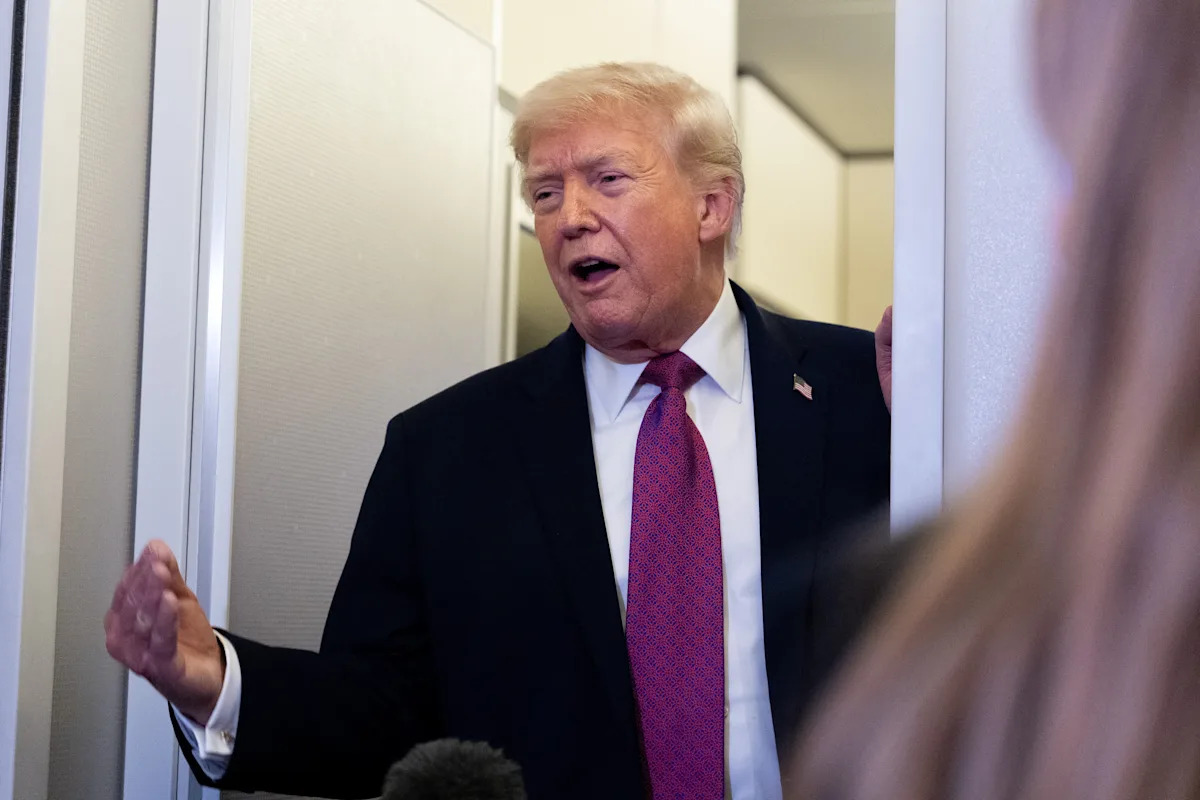
Trump's Expectations: Former U.S. President Trump mentioned that U.S.-Iran negotiation representatives may meet this weekend, anticipating a final agreement to end the war.
Timeline for Agreement: Trump expressed confidence that an agreement could be reached within one or two days.
Context of Negotiations: The discussions are part of ongoing efforts to resolve tensions between the U.S. and Iran.

IRAN STICKS TO HARDLINE POSITION—WAR WILL PERSIST, DISMISSES U.S. TIMELINE, RESPONDS COLDLY TO PROPOSAL, AND ASSERTS SOVEREIGNTY OVER THE STRAIT OF HORMUZ.


Iran's Stance on War: Iran maintains a hardline stance regarding ongoing conflicts, indicating that war will continue despite external pressures.
Rejection of U.S. Proposals: The Iranian government has rejected the U.S. timeline for negotiations and proposals related to regional security.
Response to U.S. Actions: Iran's leadership has issued a lukewarm response to U.S. proposals, signaling a lack of interest in compromise.
Demand for Sovereignty: Iran emphasizes its demand for sovereignty over the Strait of Hormuz, asserting its rights in the region amidst international tensions.
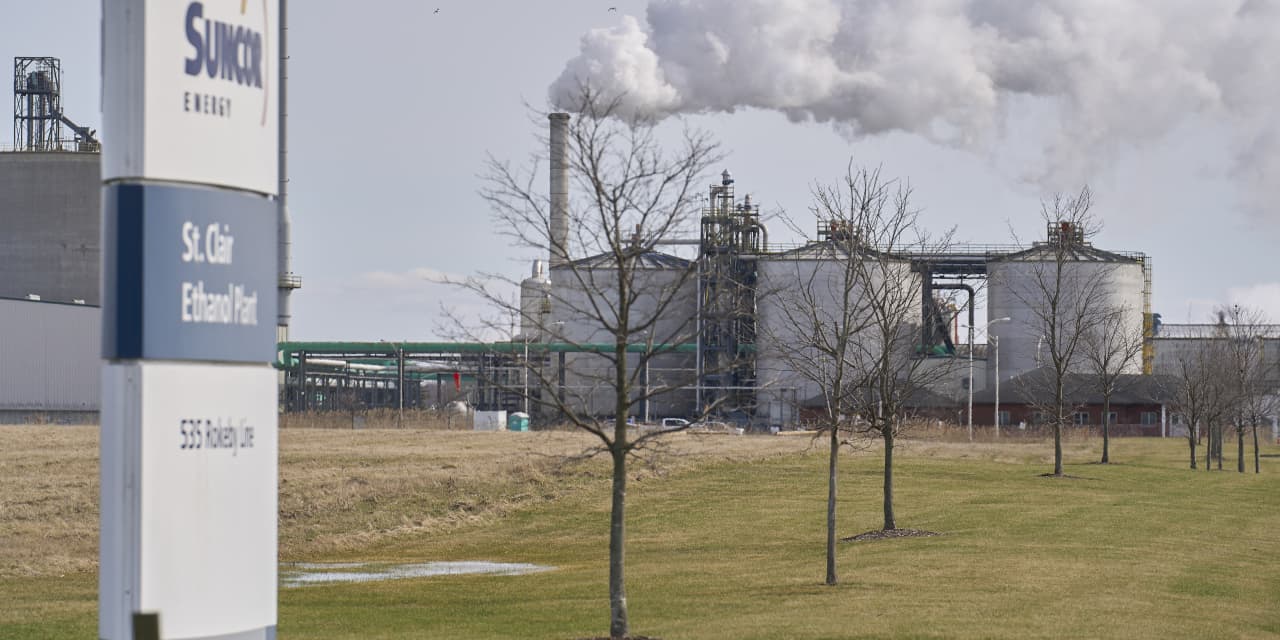
While the World Fears Oil Shortages, Canada Seizes the Moment.


Opportunity in Global Energy Markets: Canada is seizing an unexpected chance to increase its presence in global energy markets due to the ongoing war in Iran.
Impact of the War in Iran: The conflict has created a shift in energy dynamics, allowing Canada to potentially fill the gap left by Iranian energy exports.
Strategic Positioning: Canada aims to leverage this situation to enhance its energy exports and strengthen its economic position on the world stage.
Future Prospects: The developments in Iran may lead to long-term changes in energy supply chains, benefiting Canadian energy producers.
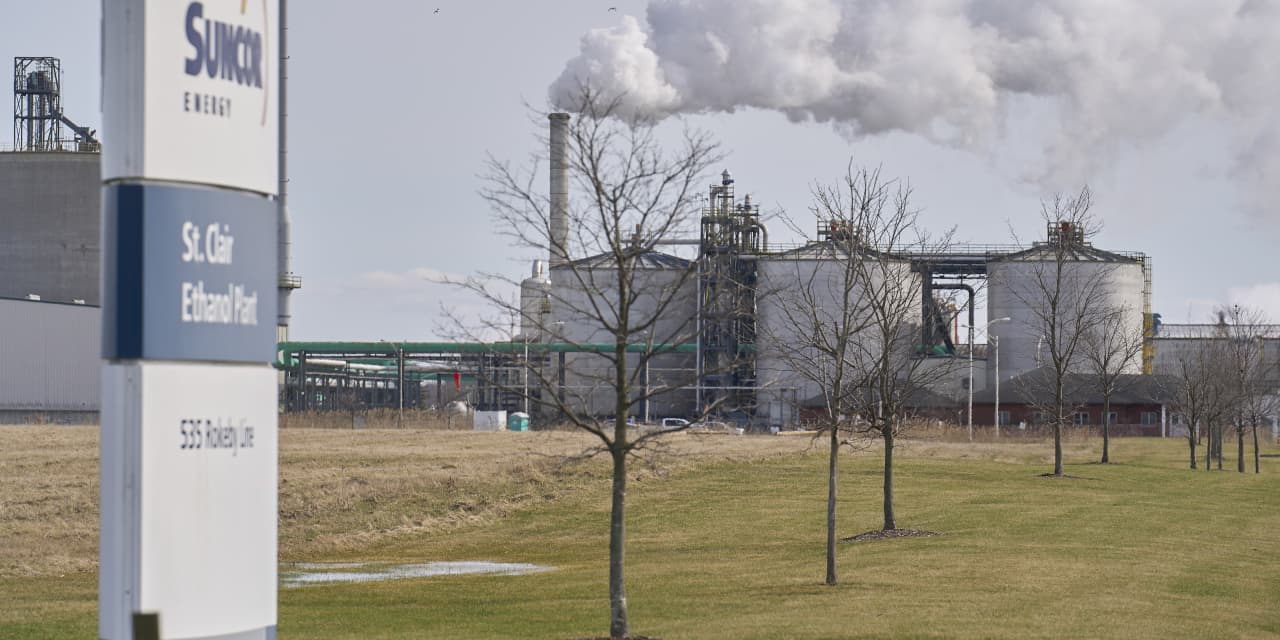
Canada Can Benefit from the Energy Shock: Suncor Stock and Three Other Success Stories.

Opportunity in Global Energy Markets: Canada is seizing an unexpected chance to increase its presence in global energy markets due to the ongoing war in Iran.
Impact of the War in Iran: The conflict has created a shift in energy dynamics, allowing Canada to potentially fill gaps left by other countries affected by the war.
PRESIDENT DONALD TRUMP DESCRIBES INITIAL U.S.-IRAN DISCUSSIONS AS "EXCELLENT," STATING TEHRAN SEEKS PEACE AND HAS COMMITTED TO AVOIDING NUCLEAR WEAPONS.

Trump's Remarks on Talks: President Donald Trump described the preliminary U.S.-Iran talks as "very, very good."
Iran's Stance on Peace: Iran, represented by Tehran, expressed a desire for peace and has agreed not to pursue nuclear weapons.
Market Optimism Amidst Mixed Macro Data
- Market Optimism: President Trump's confidence in a potential end to the Iran war has buoyed market sentiment, although upcoming macro data may reveal slowing business activity and increasing price pressures, which could dampen investor confidence.
- Oil Price Volatility: Despite benchmark Brent crude nearing $100 per barrel, it remains 33% higher than late February levels, posing risks to global economies and corporate earnings, particularly in energy-importing nations.
- Earnings Outlook: As the Iran war marks its one-month milestone, first-quarter earnings expectations for global companies face challenges, especially in Europe, where airlines and retailers may struggle due to high oil prices and uncertainty.
- Central Bank Policy Adjustments: The People's Bank of China is expected to keep its benchmark interest rate unchanged on April 20, although external pressures may influence future monetary policy, particularly in emerging market countries.
Iran: No Agreement Reached for Next Round of Talks with the United States
Iran's Stance on Talks: Iran has not agreed to hold the next round of talks with the United States, as reported by Tasnim News Agency.
Trump's Expectations: Former U.S. President Trump mentioned that U.S.-Iran negotiation representatives may meet this weekend, anticipating a final agreement to end the war.
Timeline for Agreement: Trump expressed confidence that an agreement could be reached within one or two days.
Context of Negotiations: The discussions are part of ongoing efforts to resolve tensions between the U.S. and Iran.
IRAN STICKS TO HARDLINE POSITION—WAR WILL PERSIST, DISMISSES U.S. TIMELINE, RESPONDS COLDLY TO PROPOSAL, AND ASSERTS SOVEREIGNTY OVER THE STRAIT OF HORMUZ.
Iran's Stance on War: Iran maintains a hardline stance regarding ongoing conflicts, indicating that war will continue despite external pressures.
Rejection of U.S. Proposals: The Iranian government has rejected the U.S. timeline for negotiations and proposals related to regional security.
Response to U.S. Actions: Iran's leadership has issued a lukewarm response to U.S. proposals, signaling a lack of interest in compromise.
Demand for Sovereignty: Iran emphasizes its demand for sovereignty over the Strait of Hormuz, asserting its rights in the region amidst international tensions.
While the World Fears Oil Shortages, Canada Seizes the Moment.
Opportunity in Global Energy Markets: Canada is seizing an unexpected chance to increase its presence in global energy markets due to the ongoing war in Iran.
Impact of the War in Iran: The conflict has created a shift in energy dynamics, allowing Canada to potentially fill the gap left by Iranian energy exports.
Strategic Positioning: Canada aims to leverage this situation to enhance its energy exports and strengthen its economic position on the world stage.
Future Prospects: The developments in Iran may lead to long-term changes in energy supply chains, benefiting Canadian energy producers.
Canada Can Benefit from the Energy Shock: Suncor Stock and Three Other Success Stories.
Opportunity in Global Energy Markets: Canada is seizing an unexpected chance to increase its presence in global energy markets due to the ongoing war in Iran.
Impact of the War in Iran: The conflict has created a shift in energy dynamics, allowing Canada to potentially fill gaps left by other countries affected by the war.
PRESIDENT DONALD TRUMP DESCRIBES INITIAL U.S.-IRAN DISCUSSIONS AS "EXCELLENT," STATING TEHRAN SEEKS PEACE AND HAS COMMITTED TO AVOIDING NUCLEAR WEAPONS.
Trump's Remarks on Talks: President Donald Trump described the preliminary U.S.-Iran talks as "very, very good."
Iran's Stance on Peace: Iran, represented by Tehran, expressed a desire for peace and has agreed not to pursue nuclear weapons.