Home Depot Shares Continue to Decline—Analysts Believe Potential for Growth Remains

Weak Housing Market Impact: The sluggish housing market and weak consumer sentiment have negatively affected Home Depot's sales, as homeowners are pulling back on large renovation projects, which are crucial for the company's revenue.
Resilience Amid Challenges: Despite these challenges, Home Depot has shown surprising resilience, with a strategy focused on professional contractors helping to drive growth and support a positive fiscal outlook for Q4 2025.
Stock Performance and Analyst Sentiment: Home Depot's stock has struggled recently, down about 13% from its 52-week high, but analysts remain bullish, with many raising their price targets following better-than-expected earnings.
Future Outlook: The company anticipates continued pressure on housing activity but expects to generate strong cash flow, with a focus on professional customers and investments in digital tools to enhance customer experience.
Trade with 70% Backtested Accuracy
Analyst Views on HD

About HD
About the author

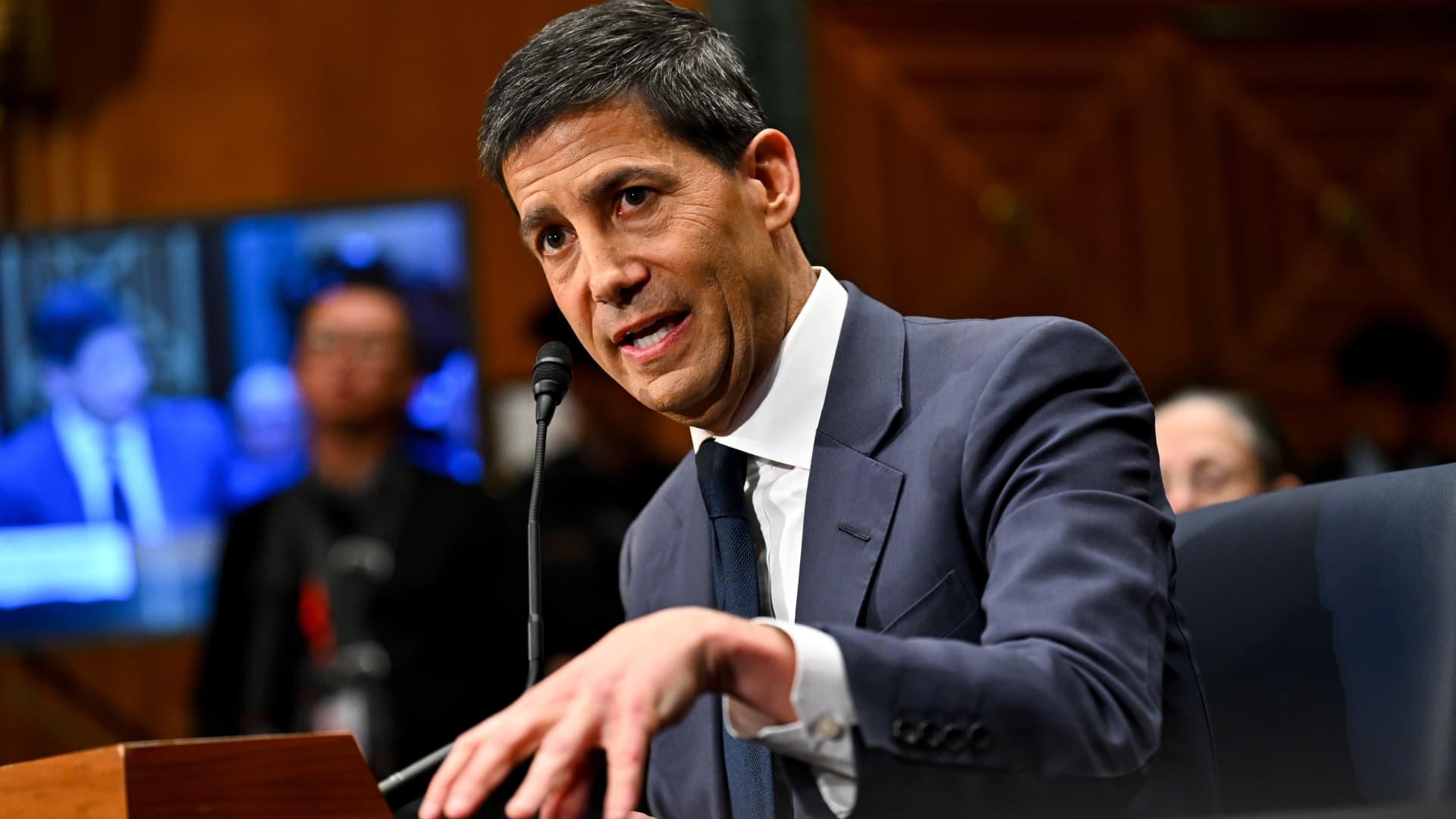
Trump's Fed Chair Nominee Sparks Controversy Over Independence
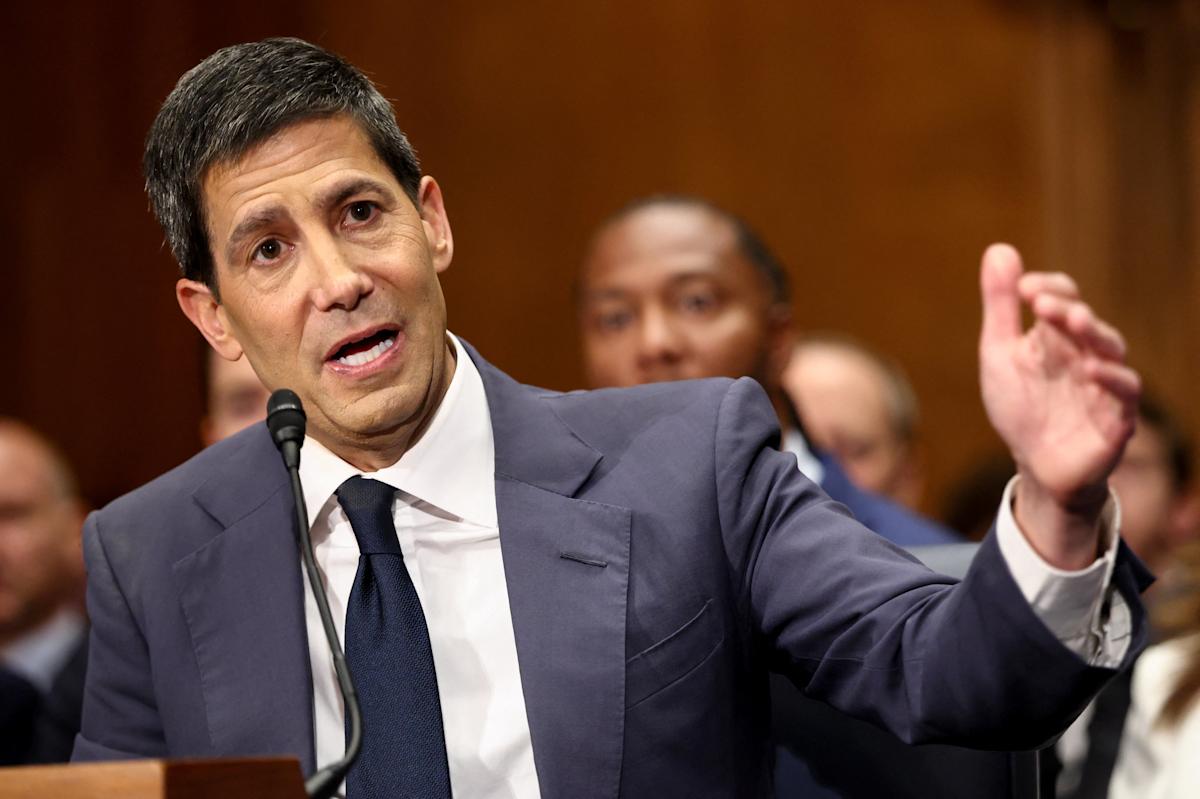
- Fed Independence Debate: Trump's nominee for Fed Chair, Kevin Warsh, emphasized during his hearing that despite the president's calls for rate cuts, he will uphold the Fed's independence to ensure policies remain free from political influence, thereby maintaining market confidence and financial stability.
- Economic Data and Rate Cut Expectations: The market remains cautious about whether Warsh will cut rates even if economic data does not support such action, with the CME FedWatch tool indicating nearly 70% odds of no rate cuts this year, reflecting heightened investor focus on future monetary policy.
- Labor Market and AI Impact: Warsh noted that while the labor market appears strong, the rise of artificial intelligence could weaken labor demand, making the necessity for rate cuts more pronounced within the Fed's dual mandate, which could significantly influence future policy decisions.
- Inflation Targets and Policy Framework: Warsh called for a change in how inflation is tracked, stressing the need to focus on underlying trends rather than one-off events, which could lead the Fed to adopt a different policy framework in response to evolving economic conditions and the impact of oil price fluctuations on inflation.
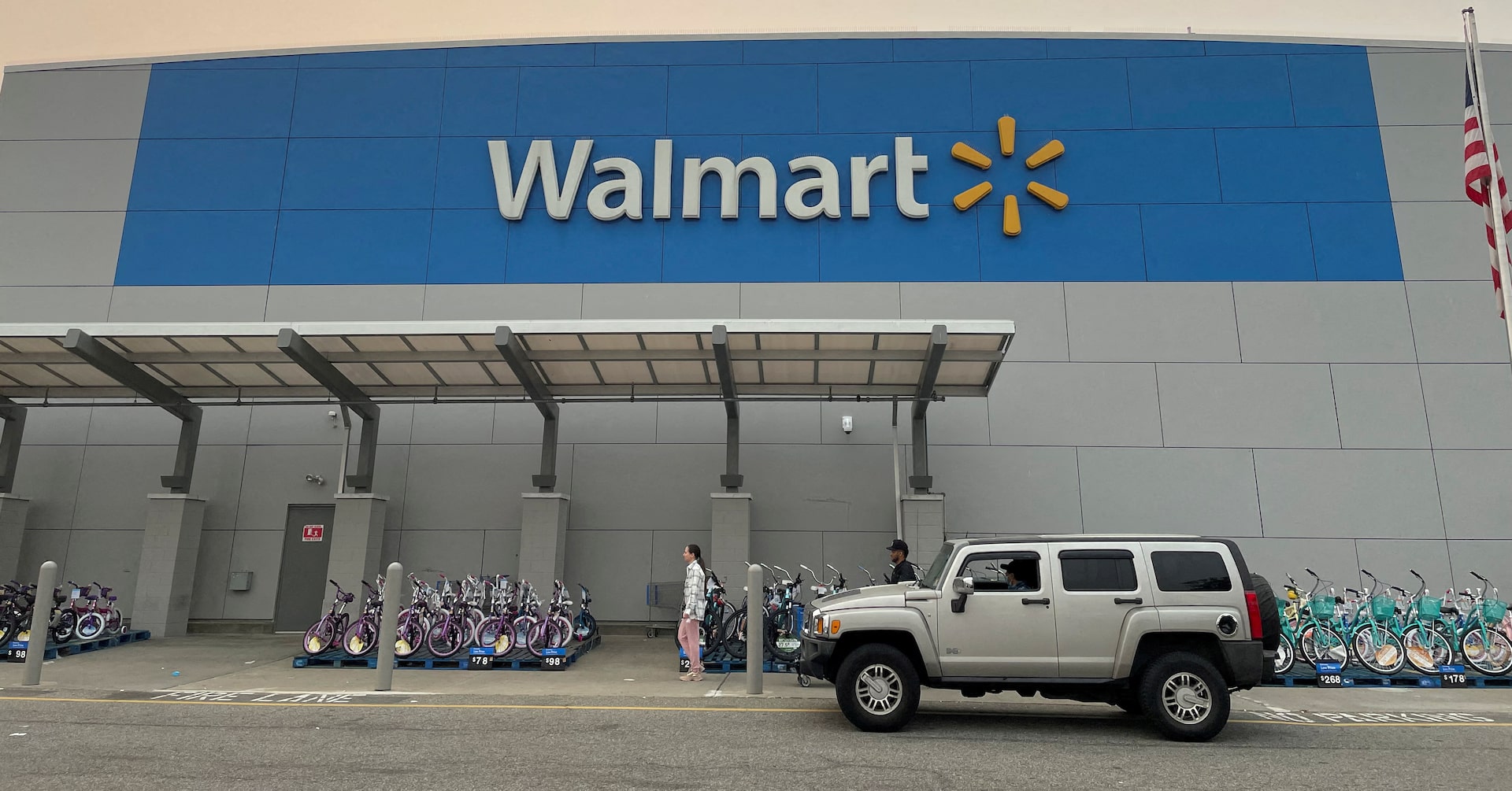
Major Refunds for U.S. Importers Following Supreme Court Ruling

- Massive Refunds: The Supreme Court's ruling mandates the federal government to refund approximately $166 billion in tariffs, which will significantly enhance the financial positions of blue-chip retailers heavily reliant on imports, potentially boosting their stock prices.
- Walmart's Major Benefit: Walmart is set to receive about $10.2 billion in refunds, a substantial amount that, while modest compared to its $713 billion revenue, will have a significant impact on its adjusted operating income of approximately $8.7 billion.
- Refunds for Other Retailers: Target is expected to receive $2.2 billion, Nike around $1 billion, and Kohl's and Home Depot are projected to get $550 million and $540 million respectively, providing these companies with a financial cushion for future growth.
- Legal Risks Ahead: While the refunds are positive news for retailers and their shareholders, the fact that many passed tariff costs onto consumers may lead to lawsuits, posing risks to their brand reputation and future profitability.

California's Antitrust Case Against Amazon Unveils New Evidence


- New Evidence in Antitrust Case: California's Attorney General released documents revealing internal communications between Amazon and major vendors, indicating alleged coercion to raise prices at rival retailers like Walmart and Target, thereby stifling competition and impacting consumer pricing.
- Price Manipulation Allegations: Amazon is accused of pressuring brands such as Levi Strauss and Hanes to inflate prices on competing platforms, resulting in higher costs for consumers across multiple sites and further entrenching its dominant market position.
- Legal Action Request: The Attorney General's office has requested the court to prohibit Amazon from continuing these alleged price-fixing practices and to appoint an independent monitor to ensure compliance, reflecting serious concerns over Amazon's market behavior.
- Market Share Impact: With Amazon controlling up to 50% of the U.S. e-commerce market, its pricing strategies are seen as a primary factor driving up prices for competitors, potentially leading to significant implications for future market dynamics and consumer choices.
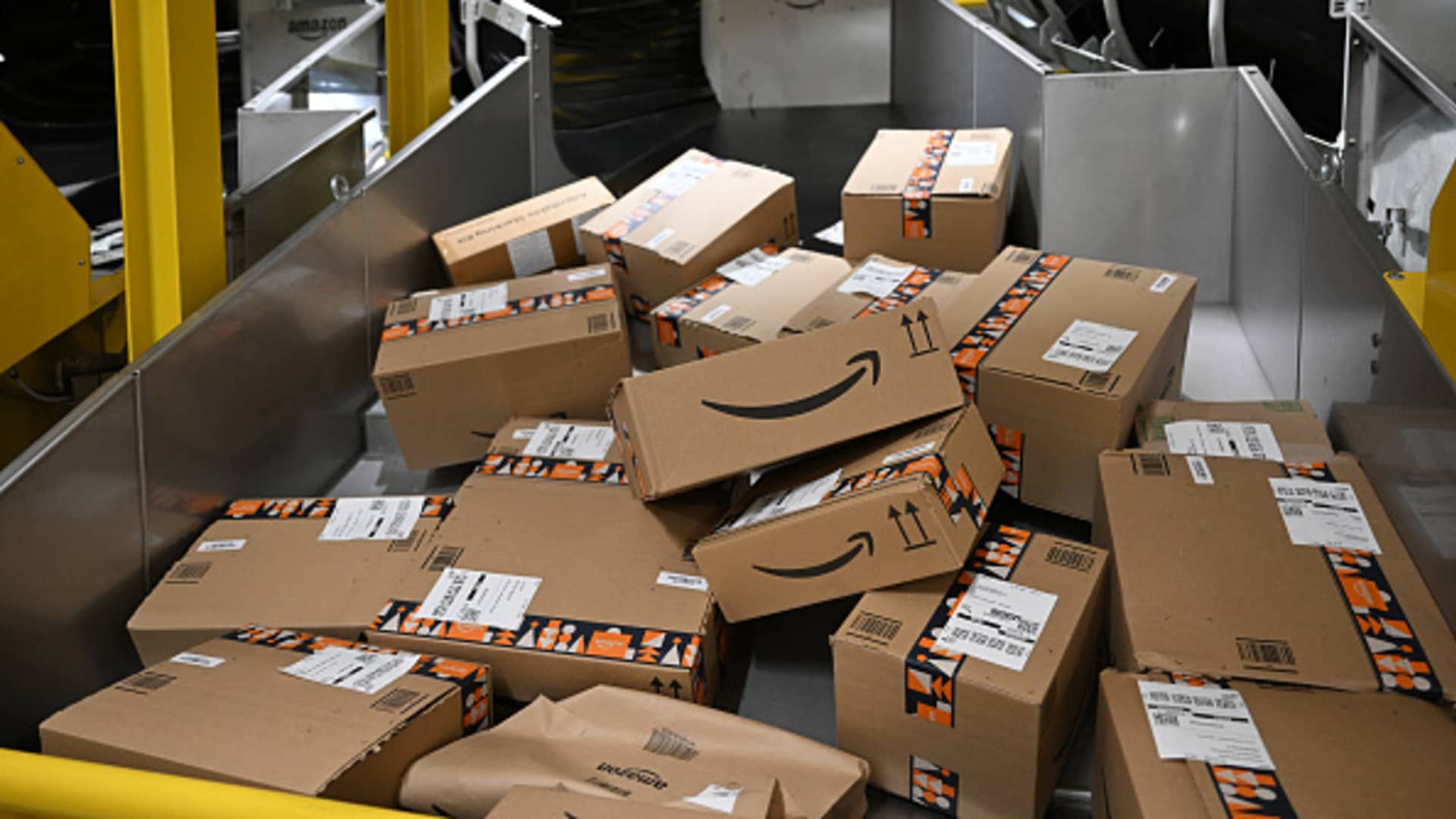
Amazon Accused of Price Fixing in Antitrust Case
- Price Fixing Allegations: California Attorney General accuses Amazon of pressuring major brands like Levi Strauss and Hanes to inflate prices on competing platforms, resulting in higher costs for consumers and highlighting Amazon's dominant position in the e-commerce market.
- Antitrust Lawsuit Developments: Newly unsealed documents reveal communications between Amazon and Hanes, where Hanes confirmed reaching out to Target and Walmart to raise prices, indicating Amazon's pressure tactics to maintain profit margins in a competitive landscape.
- Market Share Impact: With Amazon controlling approximately 50% of the U.S. e-commerce market, the Attorney General asserts that such practices not only harm competition but also lead to increased consumer prices, reflecting Amazon's stronghold in the industry.
- Expected Legal Consequences: The Attorney General has requested the court to prohibit Amazon from continuing these alleged price-fixing practices during the lawsuit and to appoint an independent monitor for compliance, with the case set to go to trial in 2027, potentially impacting Amazon's operational model significantly.
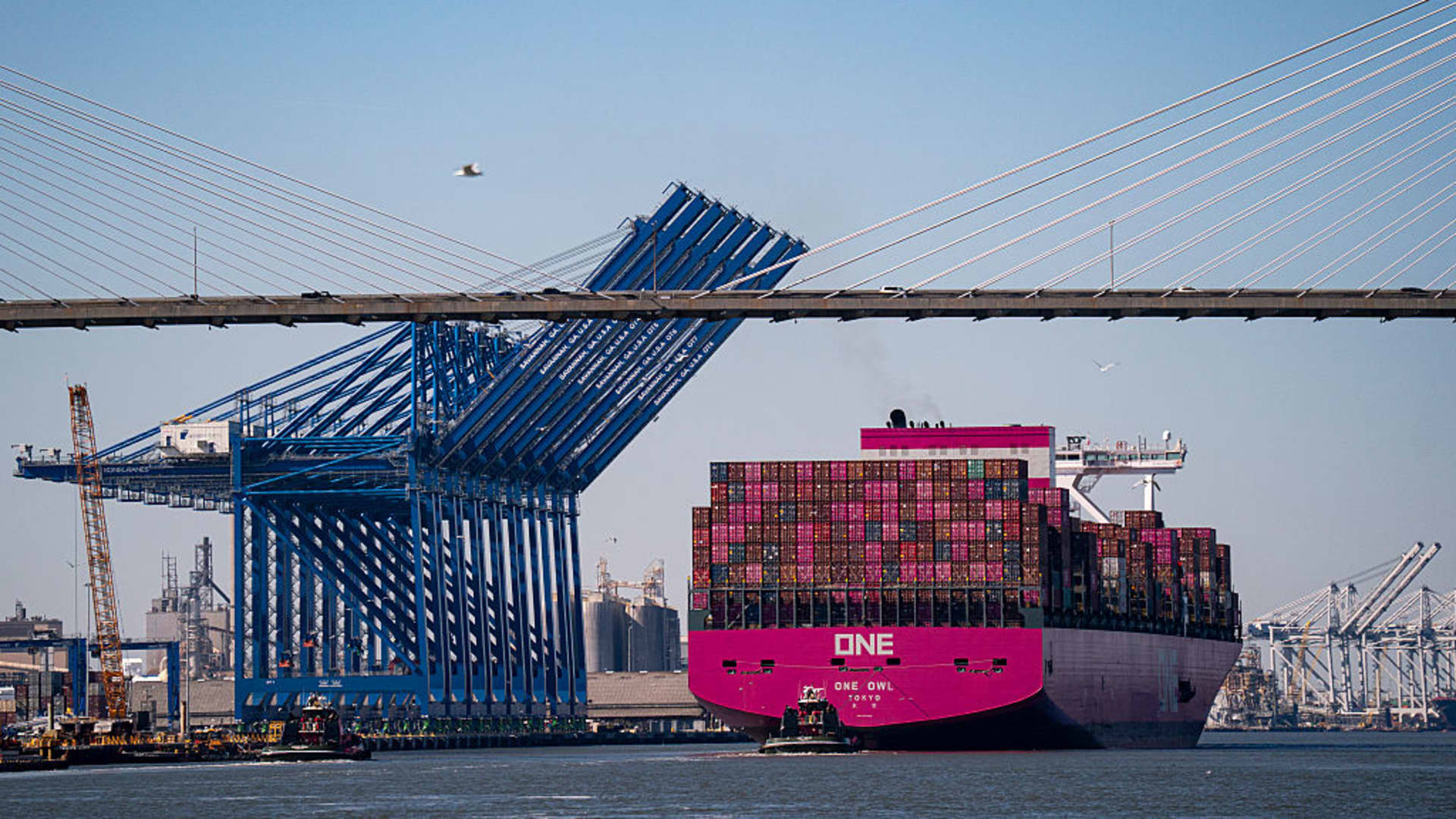
U.S. Importers Set to Claim $160 Billion in Tariff Refunds

- Total Tariff Refunds: U.S. importers, including Walmart and Target, are set to claim over $160 billion in tariff refunds following a Supreme Court ruling, although the refund process may encounter complex legal and bureaucratic hurdles.
- Claims Filing System Launch: The U.S. Customs and Border Protection will launch the CAPE claims filing portal on Monday, allowing importers to submit claims for refunds on tariffs imposed under the now-invalidated Trump administration authority, which is expected to streamline the refund process but still requires multiple validations.
- Retailer Refund Expectations: Analysts project Walmart will receive $10.2 billion in refunds, Target $2.2 billion, and Nike $1 billion, with these refunds potentially reflecting positively on future financial reports by improving profits and cash flow.
- Legal Risk Warning: While refunds could provide short-term financial benefits, trade lawyers caution that companies may face legal risks as many have passed tariff costs onto consumers, potentially leading to lawsuits from customers.

California Sues Amazon for Alleged Price Fixing
- Price Fixing Allegations: California Attorney General Rob Bonta alleges that Amazon colluded with merchants like Levi Strauss to pressure competitors such as Walmart and Home Depot to raise prices, indicating Amazon's manipulative behavior in the market.
- Lawsuit Details Unveiled: In a 3.5-year antitrust lawsuit, numerous instances of alleged price-fixing were disclosed, including interventions on khaki pants, fertilizers, and pet food prices, demonstrating Amazon's tactics to maintain its market dominance through price manipulation.
- Profit Recovery Demands: Bonta's lawsuit seeks not only to halt Amazon's alleged price-fixing but also to recover what he termed
Trump's Fed Chair Nominee Sparks Controversy Over Independence
- Fed Independence Debate: Trump's nominee for Fed Chair, Kevin Warsh, emphasized during his hearing that despite the president's calls for rate cuts, he will uphold the Fed's independence to ensure policies remain free from political influence, thereby maintaining market confidence and financial stability.
- Economic Data and Rate Cut Expectations: The market remains cautious about whether Warsh will cut rates even if economic data does not support such action, with the CME FedWatch tool indicating nearly 70% odds of no rate cuts this year, reflecting heightened investor focus on future monetary policy.
- Labor Market and AI Impact: Warsh noted that while the labor market appears strong, the rise of artificial intelligence could weaken labor demand, making the necessity for rate cuts more pronounced within the Fed's dual mandate, which could significantly influence future policy decisions.
- Inflation Targets and Policy Framework: Warsh called for a change in how inflation is tracked, stressing the need to focus on underlying trends rather than one-off events, which could lead the Fed to adopt a different policy framework in response to evolving economic conditions and the impact of oil price fluctuations on inflation.
Major Refunds for U.S. Importers Following Supreme Court Ruling
- Massive Refunds: The Supreme Court's ruling mandates the federal government to refund approximately $166 billion in tariffs, which will significantly enhance the financial positions of blue-chip retailers heavily reliant on imports, potentially boosting their stock prices.
- Walmart's Major Benefit: Walmart is set to receive about $10.2 billion in refunds, a substantial amount that, while modest compared to its $713 billion revenue, will have a significant impact on its adjusted operating income of approximately $8.7 billion.
- Refunds for Other Retailers: Target is expected to receive $2.2 billion, Nike around $1 billion, and Kohl's and Home Depot are projected to get $550 million and $540 million respectively, providing these companies with a financial cushion for future growth.
- Legal Risks Ahead: While the refunds are positive news for retailers and their shareholders, the fact that many passed tariff costs onto consumers may lead to lawsuits, posing risks to their brand reputation and future profitability.
California's Antitrust Case Against Amazon Unveils New Evidence
- New Evidence in Antitrust Case: California's Attorney General released documents revealing internal communications between Amazon and major vendors, indicating alleged coercion to raise prices at rival retailers like Walmart and Target, thereby stifling competition and impacting consumer pricing.
- Price Manipulation Allegations: Amazon is accused of pressuring brands such as Levi Strauss and Hanes to inflate prices on competing platforms, resulting in higher costs for consumers across multiple sites and further entrenching its dominant market position.
- Legal Action Request: The Attorney General's office has requested the court to prohibit Amazon from continuing these alleged price-fixing practices and to appoint an independent monitor to ensure compliance, reflecting serious concerns over Amazon's market behavior.
- Market Share Impact: With Amazon controlling up to 50% of the U.S. e-commerce market, its pricing strategies are seen as a primary factor driving up prices for competitors, potentially leading to significant implications for future market dynamics and consumer choices.
Amazon Accused of Price Fixing in Antitrust Case
- Price Fixing Allegations: California Attorney General accuses Amazon of pressuring major brands like Levi Strauss and Hanes to inflate prices on competing platforms, resulting in higher costs for consumers and highlighting Amazon's dominant position in the e-commerce market.
- Antitrust Lawsuit Developments: Newly unsealed documents reveal communications between Amazon and Hanes, where Hanes confirmed reaching out to Target and Walmart to raise prices, indicating Amazon's pressure tactics to maintain profit margins in a competitive landscape.
- Market Share Impact: With Amazon controlling approximately 50% of the U.S. e-commerce market, the Attorney General asserts that such practices not only harm competition but also lead to increased consumer prices, reflecting Amazon's stronghold in the industry.
- Expected Legal Consequences: The Attorney General has requested the court to prohibit Amazon from continuing these alleged price-fixing practices during the lawsuit and to appoint an independent monitor for compliance, with the case set to go to trial in 2027, potentially impacting Amazon's operational model significantly.
U.S. Importers Set to Claim $160 Billion in Tariff Refunds
- Total Tariff Refunds: U.S. importers, including Walmart and Target, are set to claim over $160 billion in tariff refunds following a Supreme Court ruling, although the refund process may encounter complex legal and bureaucratic hurdles.
- Claims Filing System Launch: The U.S. Customs and Border Protection will launch the CAPE claims filing portal on Monday, allowing importers to submit claims for refunds on tariffs imposed under the now-invalidated Trump administration authority, which is expected to streamline the refund process but still requires multiple validations.
- Retailer Refund Expectations: Analysts project Walmart will receive $10.2 billion in refunds, Target $2.2 billion, and Nike $1 billion, with these refunds potentially reflecting positively on future financial reports by improving profits and cash flow.
- Legal Risk Warning: While refunds could provide short-term financial benefits, trade lawyers caution that companies may face legal risks as many have passed tariff costs onto consumers, potentially leading to lawsuits from customers.
California Sues Amazon for Alleged Price Fixing
- Price Fixing Allegations: California Attorney General Rob Bonta alleges that Amazon colluded with merchants like Levi Strauss to pressure competitors such as Walmart and Home Depot to raise prices, indicating Amazon's manipulative behavior in the market.
- Lawsuit Details Unveiled: In a 3.5-year antitrust lawsuit, numerous instances of alleged price-fixing were disclosed, including interventions on khaki pants, fertilizers, and pet food prices, demonstrating Amazon's tactics to maintain its market dominance through price manipulation.
- Profit Recovery Demands: Bonta's lawsuit seeks not only to halt Amazon's alleged price-fixing but also to recover what he termed