Golub Capital BDC Shares Enter Oversold Territory
Written by Emily J. Thompson, Senior Investment Analyst
Updated: Feb 24 2026
0mins
Should l Buy GBDC?
Source: NASDAQ.COM
- Oversold Signal: Golub Capital BDC Inc (Ticker: GBDC) saw its RSI drop to 29.6 during Tuesday's trading, indicating that its stock price has entered oversold territory, with a current share price of $11.97, suggesting that the recent heavy selling may be exhausting.
- Market Comparison: Compared to the S&P 500 ETF (SPY) with an RSI of 48.9, GBDC's oversold condition may attract bullish investors looking for buying opportunities in anticipation of a rebound.
- Historical Performance: GBDC's 52-week low is $11.97 and its high is $15.85, with the last trade at $12.01, indicating that the stock price is hovering at a low level, potentially providing investors with an entry point.
- Investor Sentiment: Despite the current bearish market sentiment, the oversold signal may prompt investors to reassess their strategies and seek buying opportunities at lower prices, potentially driving future stock price rebounds.
Trade with 70% Backtested Accuracy
Stop guessing "Should I Buy GBDC?" and start using high-conviction signals backed by rigorous historical data.
Sign up today to access powerful investing tools and make smarter, data-driven decisions.
Analyst Views on GBDC
Wall Street analysts forecast GBDC stock price to rise
4 Analyst Rating
4 Buy
0 Hold
0 Sell
Strong Buy
Current: 12.260

Low
14.00
Averages
15.00
High
16.00
Current: 12.260
Low
14.00
Averages
15.00
High
16.00
About GBDC
Golub Capital BDC, Inc. is an externally managed, non-diversified closed-end management investment company. The Company's investment objective is to generate current income and capital appreciation by investing primarily in one stop and other senior secured loans of United States middle-market companies. It also selectively invests in second lien and subordinated (a loan that ranks senior only to a borrower’s equity securities and ranks junior to all of such borrower’s other indebtedness in priority of payment) loans of, and warrants and minority equity securities in, United States middle-market companies. It also invests in various sectors, which include software, healthcare providers and services, specialty retail, automobiles, diversified consumer services, insurance, healthcare technology, information technology (IT) services, commercial services and supplies, and others. The Company’s investment activities are managed by its investment adviser, GC Advisors LLC.
About the author

Emily J. Thompson
Emily J. Thompson, a Chartered Financial Analyst (CFA) with 12 years in investment research, graduated with honors from the Wharton School. Specializing in industrial and technology stocks, she provides in-depth analysis for Intellectia’s earnings and market brief reports.

Concerns Over Private Credit Market Risks Emerge


- Market Growth: According to Barclays, the private credit market ballooned to $1.8 trillion in the first half of 2025, up from approximately $250 billion during the financial crisis, indicating strong demand for financing among mid-sized businesses.
- High-Risk Alerts: The bankruptcies of First Brands and Tricolor prompted JPMorgan CEO Jamie Dimon to warn of potential systemic issues in private credit, highlighting vulnerabilities within the sector.
- Investor Structure Shift: Unlike the depositors during the 2008 crisis, the current investor base for private credit consists mainly of institutional investors such as pensions and sovereign wealth funds, which are more capable of locking up capital for extended periods, thereby reducing systemic risk.
- Normalizing Credit Conditions: While the private credit market faces increased stress, the majority of investments are in investment-grade loans, with only a small portion in high-yield loans, suggesting that the overall stability of the market remains relatively strong.
See More

Private Credit Markets Face Liquidity Test Amid Rising Defaults


- Liquidity Pressure Intensifies: Ares Management has capped investor redemptions in its $10.7 billion private credit fund at 5% after withdrawal requests surged to 11.6%, reflecting growing concerns over credit quality that could further undermine investor confidence in the sector.
- Default Rate Warning: Morgan Stanley warns that default rates in private credit direct lending could spike to 8%, significantly above the historical average of 2-2.5%, which would have a major impact on sectors heavily reliant on high leverage, particularly in software.
- Market Reset Signal: While rising default rates may cause pain for some funds, industry experts believe this could lead to better underwriting practices and more realistic valuations, ultimately freeing up capital for stronger businesses and promoting a healthy reset in the market.
- Concentrated Risk Areas: The software sector accounts for approximately 26% of direct lending, and as fears of AI disruption grow, attention has shifted to this area, with some smaller issuers experiencing default rates as high as 10.9%, highlighting the vulnerability of highly leveraged borrowers.
See More
KKR's Fund Downgraded to Junk by Moody's Amid Rising Bad Loans


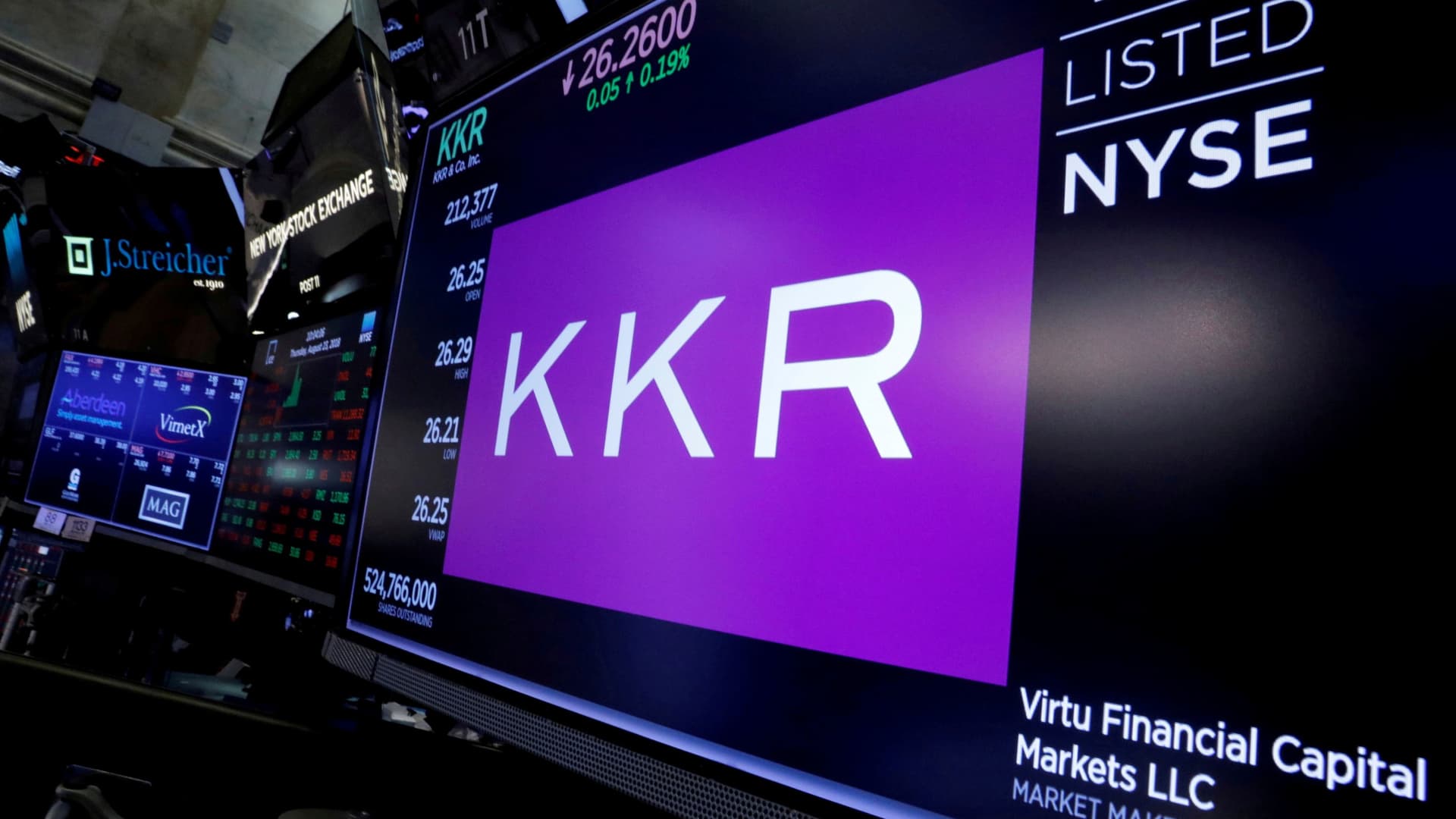
- Credit Rating Downgrade: Moody's downgraded FS KKR Capital Corp's debt rating from Baa3 to Ba1, indicating a shift to junk status, which reflects worsening asset quality and declining profitability, leading to erosion of net asset value relative to peers.
- Rising Bad Loans: By the end of 2025, the fund's non-accrual loans rose to 5.5%, one of the highest rates among rated business development companies, indicating increasing asset quality challenges that could impact future investment returns.
- Investor Withdrawal Surge: Amid concerns over impending credit losses, retail investors are rushing to withdraw funds, creating liquidity pressures for the fund that may further increase borrowing costs and affect future returns.
- Poor Financial Performance: FS KKR reported a net loss of $114 million in Q4 2025, with only $11 million in net income for the entire year, highlighting a significant decline in profitability that could undermine its competitive position in the market.
See More

Market Stagnation and Liquidity Risks Intensify, Warns DoubleLine CEO

- Market Stagnation: DoubleLine Capital CEO Jeffrey Gundlach highlighted that the current market is in a trendless holding pattern, with almost no assets delivering significant returns over the past nine months, indicating a lack of investor confidence.
- Liquidity Risk Intensification: Gundlach warned that stresses in the private credit market are deepening, particularly as investors rush for liquidity, with redemption requests far exceeding 5%, which could lead to more profound market turmoil.
- Historical Comparison: He compared the current market environment to the period leading up to the 2008 financial crisis, noting that asset prices appear overvalued and early signs of strain are being dismissed as isolated incidents, suggesting greater risks ahead.
- Investor Vigilance: Gundlach emphasized that retail investors will demand more in future liquidity windows, indicating increasing scrutiny on liquidity management in asset classes that have rapidly grown during low interest rate periods.
See More
Apollo Limits Withdrawals in Private Credit Fund Amid Investor Stress

- Surge in Redemption Requests: Apollo's flagship private credit fund received redemption requests amounting to 11.2% of outstanding shares, significantly exceeding the 5% quarterly cap, indicating heightened investor concerns that could impact fund liquidity and investor confidence.
- Withdrawal Cap Implementation: Despite facing redemption pressures, Apollo decided to limit this quarter's withdrawals to approximately 45% of requests, expecting to return about $730 million to investors, a move that reflects the company's commitment to long-term value creation while potentially affecting short-term liquidity.
- Net Asset Value Fluctuation: As of February 28, the fund's net asset value per share declined by 1.2%, yet outperformed the U.S. Leveraged Loan Index, which fell by 2.2% during the same period, demonstrating relative resilience in market volatility that may attract long-term investors.
- Competitive Industry Pressure: Unlike rivals such as Blackstone, Apollo opted to maintain the 5% redemption cap, even as others relaxed their limits to meet investor demands, a strategy that may impact its market share in the short term but underscores its cautious approach to capital management.
See More

Private Credit Market Faces Challenges Amid Concerns
- Market Pressure Analysis: While there are pockets of weakness in the private credit market, financial advisor Crystal Cox asserts that the warnings of a widespread crisis are overstated, indicating that current pressures stem more from market maturation than systemic risks, suggesting investors should remain cautious but not panic.
- Portfolio Recommendations: Cox advises individual investors to limit their exposure to private credit to about 5% of their overall portfolio, allowing them to enjoy higher returns while mitigating concentrated credit and liquidity risks, reflecting a strong emphasis on risk management.
- Rising Default Rate Expectations: Research from Morgan Stanley predicts that default rates in direct lending will rise from 5.6% to 8%, primarily driven by the impact of artificial intelligence on the software sector, indicating that risks are intensifying in certain areas and investors need to stay alert to industry dynamics.
- Liquidity Issues: Due to high redemption requests, some semi-liquid funds are facing challenges, and while overall private credit still offers higher yields than public debt markets, the yield gap has halved, demonstrating how changing market conditions are affecting investors.
See More
Concerns Over Private Credit Market Risks Emerge
- Market Growth: According to Barclays, the private credit market ballooned to $1.8 trillion in the first half of 2025, up from approximately $250 billion during the financial crisis, indicating strong demand for financing among mid-sized businesses.
- High-Risk Alerts: The bankruptcies of First Brands and Tricolor prompted JPMorgan CEO Jamie Dimon to warn of potential systemic issues in private credit, highlighting vulnerabilities within the sector.
- Investor Structure Shift: Unlike the depositors during the 2008 crisis, the current investor base for private credit consists mainly of institutional investors such as pensions and sovereign wealth funds, which are more capable of locking up capital for extended periods, thereby reducing systemic risk.
- Normalizing Credit Conditions: While the private credit market faces increased stress, the majority of investments are in investment-grade loans, with only a small portion in high-yield loans, suggesting that the overall stability of the market remains relatively strong.
See More
Private Credit Markets Face Liquidity Test Amid Rising Defaults
- Liquidity Pressure Intensifies: Ares Management has capped investor redemptions in its $10.7 billion private credit fund at 5% after withdrawal requests surged to 11.6%, reflecting growing concerns over credit quality that could further undermine investor confidence in the sector.
- Default Rate Warning: Morgan Stanley warns that default rates in private credit direct lending could spike to 8%, significantly above the historical average of 2-2.5%, which would have a major impact on sectors heavily reliant on high leverage, particularly in software.
- Market Reset Signal: While rising default rates may cause pain for some funds, industry experts believe this could lead to better underwriting practices and more realistic valuations, ultimately freeing up capital for stronger businesses and promoting a healthy reset in the market.
- Concentrated Risk Areas: The software sector accounts for approximately 26% of direct lending, and as fears of AI disruption grow, attention has shifted to this area, with some smaller issuers experiencing default rates as high as 10.9%, highlighting the vulnerability of highly leveraged borrowers.
See More
KKR's Fund Downgraded to Junk by Moody's Amid Rising Bad Loans
- Credit Rating Downgrade: Moody's downgraded FS KKR Capital Corp's debt rating from Baa3 to Ba1, indicating a shift to junk status, which reflects worsening asset quality and declining profitability, leading to erosion of net asset value relative to peers.
- Rising Bad Loans: By the end of 2025, the fund's non-accrual loans rose to 5.5%, one of the highest rates among rated business development companies, indicating increasing asset quality challenges that could impact future investment returns.
- Investor Withdrawal Surge: Amid concerns over impending credit losses, retail investors are rushing to withdraw funds, creating liquidity pressures for the fund that may further increase borrowing costs and affect future returns.
- Poor Financial Performance: FS KKR reported a net loss of $114 million in Q4 2025, with only $11 million in net income for the entire year, highlighting a significant decline in profitability that could undermine its competitive position in the market.
See More
Market Stagnation and Liquidity Risks Intensify, Warns DoubleLine CEO
- Market Stagnation: DoubleLine Capital CEO Jeffrey Gundlach highlighted that the current market is in a trendless holding pattern, with almost no assets delivering significant returns over the past nine months, indicating a lack of investor confidence.
- Liquidity Risk Intensification: Gundlach warned that stresses in the private credit market are deepening, particularly as investors rush for liquidity, with redemption requests far exceeding 5%, which could lead to more profound market turmoil.
- Historical Comparison: He compared the current market environment to the period leading up to the 2008 financial crisis, noting that asset prices appear overvalued and early signs of strain are being dismissed as isolated incidents, suggesting greater risks ahead.
- Investor Vigilance: Gundlach emphasized that retail investors will demand more in future liquidity windows, indicating increasing scrutiny on liquidity management in asset classes that have rapidly grown during low interest rate periods.
See More
Apollo Limits Withdrawals in Private Credit Fund Amid Investor Stress
- Surge in Redemption Requests: Apollo's flagship private credit fund received redemption requests amounting to 11.2% of outstanding shares, significantly exceeding the 5% quarterly cap, indicating heightened investor concerns that could impact fund liquidity and investor confidence.
- Withdrawal Cap Implementation: Despite facing redemption pressures, Apollo decided to limit this quarter's withdrawals to approximately 45% of requests, expecting to return about $730 million to investors, a move that reflects the company's commitment to long-term value creation while potentially affecting short-term liquidity.
- Net Asset Value Fluctuation: As of February 28, the fund's net asset value per share declined by 1.2%, yet outperformed the U.S. Leveraged Loan Index, which fell by 2.2% during the same period, demonstrating relative resilience in market volatility that may attract long-term investors.
- Competitive Industry Pressure: Unlike rivals such as Blackstone, Apollo opted to maintain the 5% redemption cap, even as others relaxed their limits to meet investor demands, a strategy that may impact its market share in the short term but underscores its cautious approach to capital management.
See More
Private Credit Market Faces Challenges Amid Concerns
- Market Pressure Analysis: While there are pockets of weakness in the private credit market, financial advisor Crystal Cox asserts that the warnings of a widespread crisis are overstated, indicating that current pressures stem more from market maturation than systemic risks, suggesting investors should remain cautious but not panic.
- Portfolio Recommendations: Cox advises individual investors to limit their exposure to private credit to about 5% of their overall portfolio, allowing them to enjoy higher returns while mitigating concentrated credit and liquidity risks, reflecting a strong emphasis on risk management.
- Rising Default Rate Expectations: Research from Morgan Stanley predicts that default rates in direct lending will rise from 5.6% to 8%, primarily driven by the impact of artificial intelligence on the software sector, indicating that risks are intensifying in certain areas and investors need to stay alert to industry dynamics.
- Liquidity Issues: Due to high redemption requests, some semi-liquid funds are facing challenges, and while overall private credit still offers higher yields than public debt markets, the yield gap has halved, demonstrating how changing market conditions are affecting investors.
See More