Ford Recalls Lincoln Models Over Software Issues
- Recall Scope: Ford Motor Company is recalling certain 2022-2025 Lincoln Navigator, 2024-2025 Lincoln Nautilus, and 2025 Lincoln Aviator and Explorer vehicles due to software issues that may lead to the loss of rearview camera images and some advanced driver assistance features.
- Issue Description: In a filing with the NHTSA, Ford acknowledged that the Image Processing Module A may unexpectedly reset, resulting in the loss of rearview camera images and advanced driver assistance features such as pre-collision assist, lane-keeping assist, and blind-spot monitoring, although the company is not aware of any related accidents or injuries.
- Solution: The remedy involves updating the Image Processing Module A software either through a dealer or an over-the-air update at no cost to the owners, with notification letters expected to be mailed on March 30.
- Market Reaction: Ford's shares edged up 0.2% in premarket trading on Tuesday after a 2.1% gain on Monday, indicating a relatively mild market reaction to the recall news, which may reflect investor confidence in Ford's overall business stability.
Trade with 70% Backtested Accuracy
Analyst Views on F

About F
About the author

Economist Claims Recessions Are Unpredictable
- Difficulty in Forecasting Recessions: Former White House economist Tyler Goodspeed asserts in his new book that recessions are often caused by unforeseen shocks, which are difficult to hedge against, highlighting the limitations of traditional forecasting tools.
- Impact of Energy Prices: Goodspeed emphasizes that the surge in energy prices during the 2008 financial crisis significantly contributed to the recession's depth, despite the absence of obvious external shocks like wars or embargoes, revealing the vulnerability of the energy market.
- Historical Lessons: He notes that contractionary fiscal and monetary policies during recessions often exacerbate economic difficulties, underscoring the importance of cautious policy measures to avoid further harm during economic downturns.
- Trend of Economic Expansion: Despite the inevitability of recessions, Goodspeed believes that the long-term trend indicates longer-lasting economic expansions, suggesting that we are becoming more adept at absorbing shocks that historically led to recessions.

Google Introduces AI-Powered Features for Electric Vehicles, Offering Intelligent Battery Predictions and Charging Locations


Personalized Guidance for EV Drivers: Google has introduced a feature that allows drivers to input their vehicle details and current charge levels to receive tailored guidance, enhancing navigation for electric vehicle (EV) users across the U.S. and supporting over 15 automotive brands.
Integration of Advanced Battery Forecasting: The new system integrates advanced battery forecasting and charging recommendations directly into in-car navigation systems, aiming to make long-distance travel more predictable for EV drivers.
Real-Time Data Utilization: The feature leverages real-time conditions and vehicle-specific data to provide updated arrival estimates and charging locations, addressing common concerns about battery range during longer journeys.
Expansion of EV Navigation Tools: This update is part of a broader trend among automakers to enhance EV offerings, with Google’s navigation tools expected to support more than 350 electric vehicle models, improving trip planning accuracy compared to traditional navigation systems.
2026 Economic Outlook and Uber Developments


- GDP Growth Slowdown: The GDP growth rate for Q1 2026 is only 0.7%, significantly lower than the previous estimate of 1.4%, indicating a sluggish economic recovery that may dampen investor confidence and negatively impact stock market performance.
- Rising Inflation Pressure: With inflation exceeding 3% in January, combined with slowing GDP growth, concerns about stagflation may arise, leading to reduced consumer spending and threatening corporate profitability.
- Surge in Oil Prices: West Texas Intermediate crude oil prices have surged from $57 on January 2 to $93, even exceeding $100 at times, increasing consumer energy expenditure pressure and potentially suppressing spending in other areas.
- Uber's Autonomous Driving Partnerships: Uber has recently formed partnerships with several companies, including Waymo and Lucid, indicating its proactive positioning in the autonomous driving sector, which may lay the groundwork for future market share growth.

2026 Economic Outlook and Oil Price Fluctuations
- GDP Growth Slowdown: The GDP growth rate for Q1 2026 is only 0.7%, significantly lower than the previous estimate of 1.4%, indicating economic stagnation that may heighten investor concerns about future economic prospects.
- High Inflation Pressure: With inflation exceeding 3% in January, combined with low growth, market fears of stagflation are rising, which could negatively impact consumer spending and business investment decisions, further dragging down economic recovery.
- Surging Oil Prices Impact: As of the recording date, West Texas Intermediate crude oil prices have reached $93 per barrel, a significant increase from $57 on January 2, which may force consumers to cut back on other expenditures due to rising energy costs, affecting overall economic activity.
- Geopolitical Risks: The rise in oil prices is primarily driven by geopolitical conflicts rather than demand growth, particularly due to uncertainties surrounding Iran, which could lead to a more pessimistic economic outlook, necessitating close monitoring of related developments.
Classic Car Restoration Nightmare: Customer Struggles for Justice
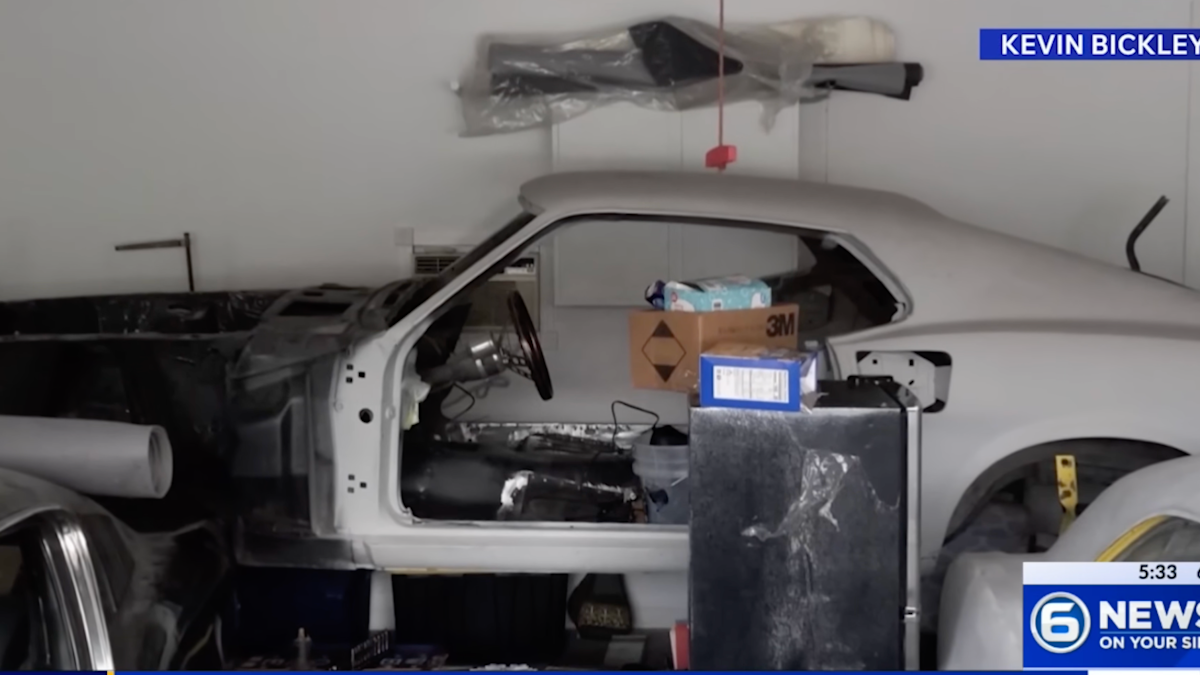
- Breach of Restoration Promise: Kevin Bickley entrusted his 1969 Ford Mustang Mach 1 to a shop in 2020 with a restoration promise by Easter 2021, but after five years and $24,312 spent, he received a stripped-down vehicle, highlighting a crisis of trust in the restoration industry.
- Frequent Legal Actions: Another customer, Jeff Ratliff, spent over $25,000 on his 1956 Ford F-100, and after ten months of inaction, he took legal action and won, reflecting the legal risks and difficulties consumers face in the restoration process.
- Increasing Market Risks: The U.S. classic car market was valued at approximately $12.6 billion in 2024 and is projected to approach $26 billion by 2032; however, the lack of oversight in the restoration industry poses higher risks for consumers, especially amid rising market demand.
- Uncertain Investment Returns: While classic cars still hold investment potential, Hagerty's data indicates that in 2024, high-end classic car values softened for the first time in 17 years compared to stock market returns, suggesting that the risks and rewards of investing in classic cars may not meet expectations, urging consumers to proceed with caution.
Ford's Production Transformation and Its Potential Impacts

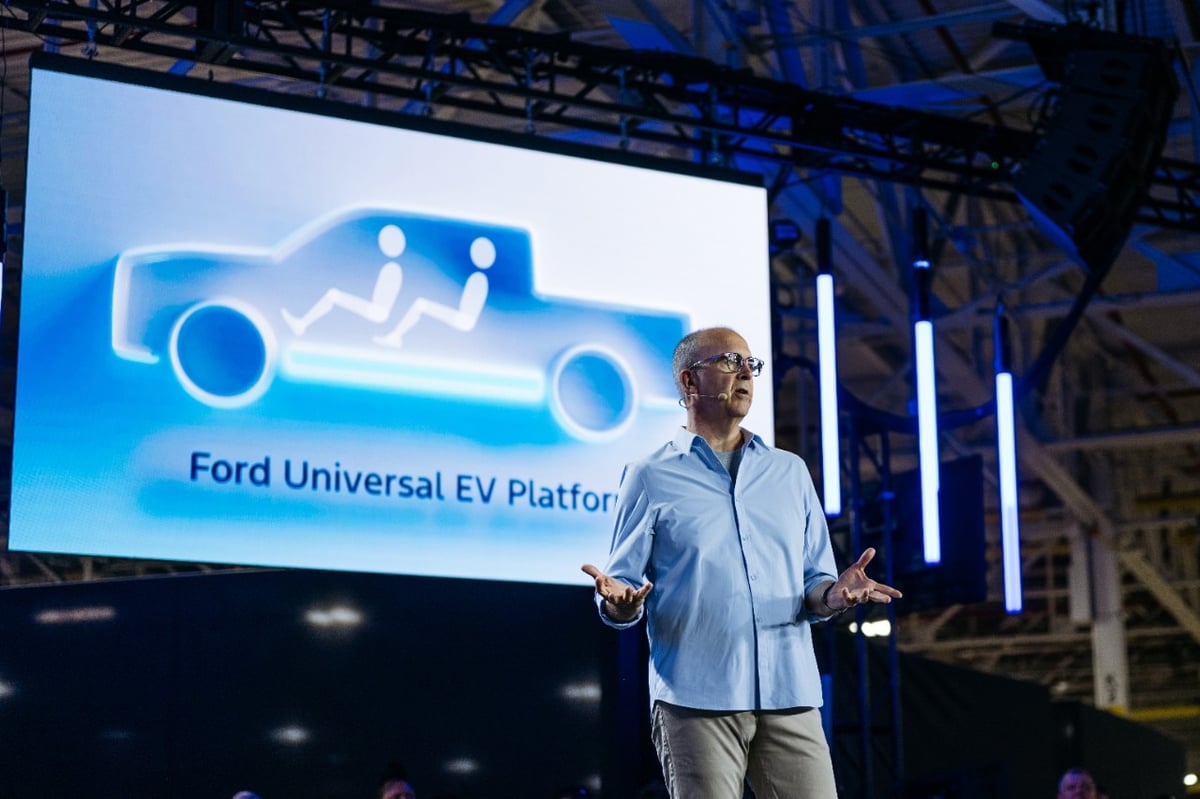
- Efficiency Improvement: Ford is implementing its Universal EV Production System, which allows for simultaneous assembly of three subcomponents, expected to shorten production times and enhance efficiency, thereby gaining an edge over Chinese competitors.
- Cost and Repair Challenges: The upcoming 2027 electric pickup will replace hundreds of smaller parts with two large aluminum castings, which may lower production costs but raises concerns about increased repair expenses, particularly for fleet orders.
- Market Competition Pressure: As Chinese automakers gradually enter the U.S. market, Ford must prepare in terms of pricing, manufacturing, and efficiency to avoid significant potential losses for investors, especially in the increasingly competitive electric vehicle sector.
- Long-term Investment Outlook: Ford's production transformation represents not only a technological innovation but also a crucial strategy for maintaining competitiveness in the future market, and if it can effectively avoid unintended negative consequences, it will yield positive returns for long-term investors.
Economist Claims Recessions Are Unpredictable
- Difficulty in Forecasting Recessions: Former White House economist Tyler Goodspeed asserts in his new book that recessions are often caused by unforeseen shocks, which are difficult to hedge against, highlighting the limitations of traditional forecasting tools.
- Impact of Energy Prices: Goodspeed emphasizes that the surge in energy prices during the 2008 financial crisis significantly contributed to the recession's depth, despite the absence of obvious external shocks like wars or embargoes, revealing the vulnerability of the energy market.
- Historical Lessons: He notes that contractionary fiscal and monetary policies during recessions often exacerbate economic difficulties, underscoring the importance of cautious policy measures to avoid further harm during economic downturns.
- Trend of Economic Expansion: Despite the inevitability of recessions, Goodspeed believes that the long-term trend indicates longer-lasting economic expansions, suggesting that we are becoming more adept at absorbing shocks that historically led to recessions.
Google Introduces AI-Powered Features for Electric Vehicles, Offering Intelligent Battery Predictions and Charging Locations
Personalized Guidance for EV Drivers: Google has introduced a feature that allows drivers to input their vehicle details and current charge levels to receive tailored guidance, enhancing navigation for electric vehicle (EV) users across the U.S. and supporting over 15 automotive brands.
Integration of Advanced Battery Forecasting: The new system integrates advanced battery forecasting and charging recommendations directly into in-car navigation systems, aiming to make long-distance travel more predictable for EV drivers.
Real-Time Data Utilization: The feature leverages real-time conditions and vehicle-specific data to provide updated arrival estimates and charging locations, addressing common concerns about battery range during longer journeys.
Expansion of EV Navigation Tools: This update is part of a broader trend among automakers to enhance EV offerings, with Google’s navigation tools expected to support more than 350 electric vehicle models, improving trip planning accuracy compared to traditional navigation systems.
2026 Economic Outlook and Uber Developments
- GDP Growth Slowdown: The GDP growth rate for Q1 2026 is only 0.7%, significantly lower than the previous estimate of 1.4%, indicating a sluggish economic recovery that may dampen investor confidence and negatively impact stock market performance.
- Rising Inflation Pressure: With inflation exceeding 3% in January, combined with slowing GDP growth, concerns about stagflation may arise, leading to reduced consumer spending and threatening corporate profitability.
- Surge in Oil Prices: West Texas Intermediate crude oil prices have surged from $57 on January 2 to $93, even exceeding $100 at times, increasing consumer energy expenditure pressure and potentially suppressing spending in other areas.
- Uber's Autonomous Driving Partnerships: Uber has recently formed partnerships with several companies, including Waymo and Lucid, indicating its proactive positioning in the autonomous driving sector, which may lay the groundwork for future market share growth.
2026 Economic Outlook and Oil Price Fluctuations
- GDP Growth Slowdown: The GDP growth rate for Q1 2026 is only 0.7%, significantly lower than the previous estimate of 1.4%, indicating economic stagnation that may heighten investor concerns about future economic prospects.
- High Inflation Pressure: With inflation exceeding 3% in January, combined with low growth, market fears of stagflation are rising, which could negatively impact consumer spending and business investment decisions, further dragging down economic recovery.
- Surging Oil Prices Impact: As of the recording date, West Texas Intermediate crude oil prices have reached $93 per barrel, a significant increase from $57 on January 2, which may force consumers to cut back on other expenditures due to rising energy costs, affecting overall economic activity.
- Geopolitical Risks: The rise in oil prices is primarily driven by geopolitical conflicts rather than demand growth, particularly due to uncertainties surrounding Iran, which could lead to a more pessimistic economic outlook, necessitating close monitoring of related developments.
Classic Car Restoration Nightmare: Customer Struggles for Justice
- Breach of Restoration Promise: Kevin Bickley entrusted his 1969 Ford Mustang Mach 1 to a shop in 2020 with a restoration promise by Easter 2021, but after five years and $24,312 spent, he received a stripped-down vehicle, highlighting a crisis of trust in the restoration industry.
- Frequent Legal Actions: Another customer, Jeff Ratliff, spent over $25,000 on his 1956 Ford F-100, and after ten months of inaction, he took legal action and won, reflecting the legal risks and difficulties consumers face in the restoration process.
- Increasing Market Risks: The U.S. classic car market was valued at approximately $12.6 billion in 2024 and is projected to approach $26 billion by 2032; however, the lack of oversight in the restoration industry poses higher risks for consumers, especially amid rising market demand.
- Uncertain Investment Returns: While classic cars still hold investment potential, Hagerty's data indicates that in 2024, high-end classic car values softened for the first time in 17 years compared to stock market returns, suggesting that the risks and rewards of investing in classic cars may not meet expectations, urging consumers to proceed with caution.
Ford's Production Transformation and Its Potential Impacts
- Efficiency Improvement: Ford is implementing its Universal EV Production System, which allows for simultaneous assembly of three subcomponents, expected to shorten production times and enhance efficiency, thereby gaining an edge over Chinese competitors.
- Cost and Repair Challenges: The upcoming 2027 electric pickup will replace hundreds of smaller parts with two large aluminum castings, which may lower production costs but raises concerns about increased repair expenses, particularly for fleet orders.
- Market Competition Pressure: As Chinese automakers gradually enter the U.S. market, Ford must prepare in terms of pricing, manufacturing, and efficiency to avoid significant potential losses for investors, especially in the increasingly competitive electric vehicle sector.
- Long-term Investment Outlook: Ford's production transformation represents not only a technological innovation but also a crucial strategy for maintaining competitiveness in the future market, and if it can effectively avoid unintended negative consequences, it will yield positive returns for long-term investors.