Ford Motor Company to Release Q1 Earnings
Written by Emily J. Thompson, Senior Investment Analyst
Updated: 4 days ago
0mins
Should l Buy F?
Source: Newsfilter
- Earnings Release Date: Ford Motor Company is set to release its Q1 earnings on April 29, with analysts expecting earnings per share (EPS) to reach 19 cents, an increase from 14 cents last year, indicating an improvement in the company's profitability.
- Analyst Expectations: Analysts predict a 35.7% growth in EPS, reflecting a gradual recovery in Ford's competitive position in the market, which could enhance investor confidence and attract more capital inflows.
- Stock Price Movement: Despite the positive earnings outlook, Ford's stock fell by 0.7% on Tuesday, suggesting a cautious market sentiment regarding future performance, prompting investors to closely monitor the upcoming earnings report for insights into the company's results.
- Market Reaction: The earnings report will be a focal point for the market, and if actual results exceed expectations, it could trigger a rebound in the stock price; conversely, disappointing results may exacerbate market anxiety.
Trade with 70% Backtested Accuracy
Stop guessing "Should I Buy F?" and start using high-conviction signals backed by rigorous historical data.
Sign up today to access powerful investing tools and make smarter, data-driven decisions.
Analyst Views on F
Wall Street analysts forecast F stock price to rise
14 Analyst Rating
3 Buy
10 Hold
1 Sell
Hold
Current: 12.080

Low
11.00
Averages
13.65
High
16.00
Current: 12.080
Low
11.00
Averages
13.65
High
16.00
About F
Ford Motor Company is an automobile company. The Company develops and delivers Ford trucks, sport utility vehicles, commercial vans and cars, and Lincoln luxury vehicles, along with connected services. The Company’s segments include Ford Blue, Ford Model e, Ford Pro, and Ford Credit. The Ford Blue segment primarily includes the sale of Ford and Lincoln internal combustion engine (ICE) and hybrid vehicles, service parts, accessories, and digital services for retail customers. The Ford Model e segment primarily includes the sale of its electric vehicles, service parts, accessories, and digital services for retail customers. The Ford Pro segment primarily includes the sale of Ford and Lincoln vehicles, service parts, accessories, and services for commercial, government, and rental customers. The Ford Credit segment consists of the Ford Credit business on a consolidated basis, which is primarily vehicle-related financing and leasing activities. Its vehicle brands are Ford and Lincoln.
About the author

Emily J. Thompson
Emily J. Thompson, a Chartered Financial Analyst (CFA) with 12 years in investment research, graduated with honors from the Wharton School. Specializing in industrial and technology stocks, she provides in-depth analysis for Intellectia’s earnings and market brief reports.
Ford Reaffirms Commitment to American Values Ahead of 250th Anniversary

- Employee Pricing Initiative: In recognition of America's 250th anniversary, Ford is launching an employee pricing initiative allowing customers to pay the same price as Ford employees, potentially saving buyers hundreds to thousands of dollars, thereby enhancing customer loyalty and boosting sales.
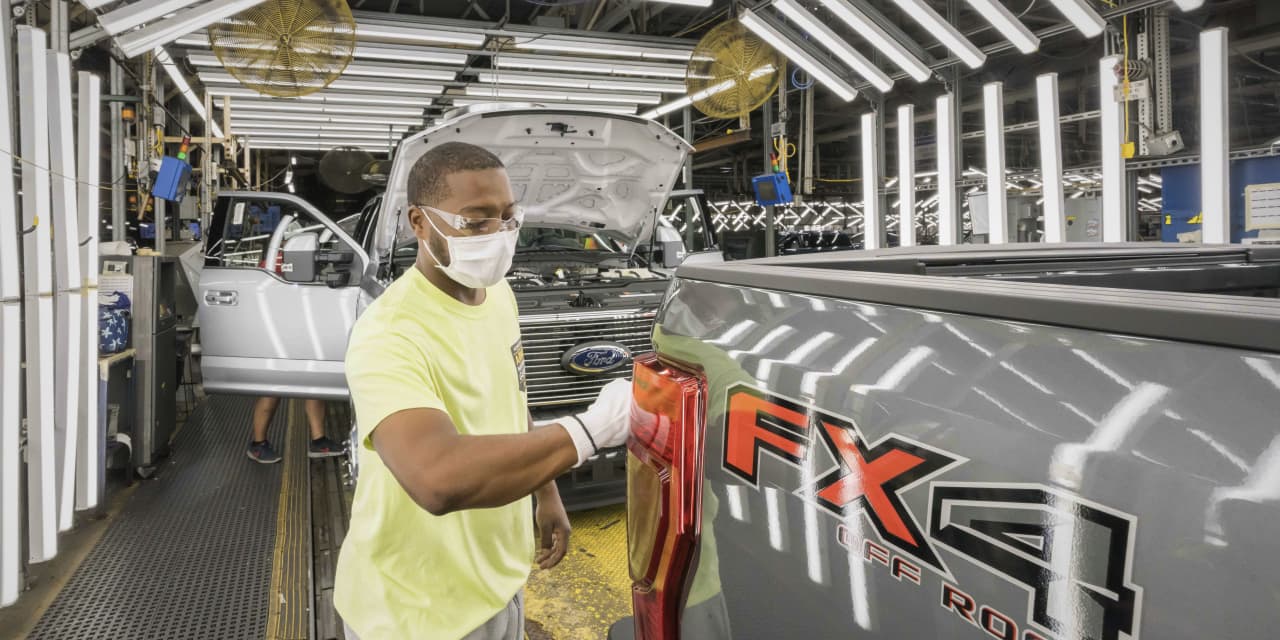
- Manufacturing Investment: Ford employs more hourly workers and assembles more vehicles in the U.S. than any other automaker, demonstrating a deep commitment to American manufacturing and local communities, which solidifies its market leadership.
- Community Support Activities: This summer, Ford will collaborate with 250 dealers to support local nonprofits by providing essential resources such as blood drives and food collections, showcasing its commitment to community engagement and enhancing brand image.
- Innovation and Growth Strategy: Ford's Ford+ plan integrates existing strengths with new capabilities, focusing on innovations in electric vehicles and digital experiences, which is expected to drive future growth and value creation, further strengthening its competitive position in the global market.
See More
Middle East Conflict Raises Auto Industry Costs

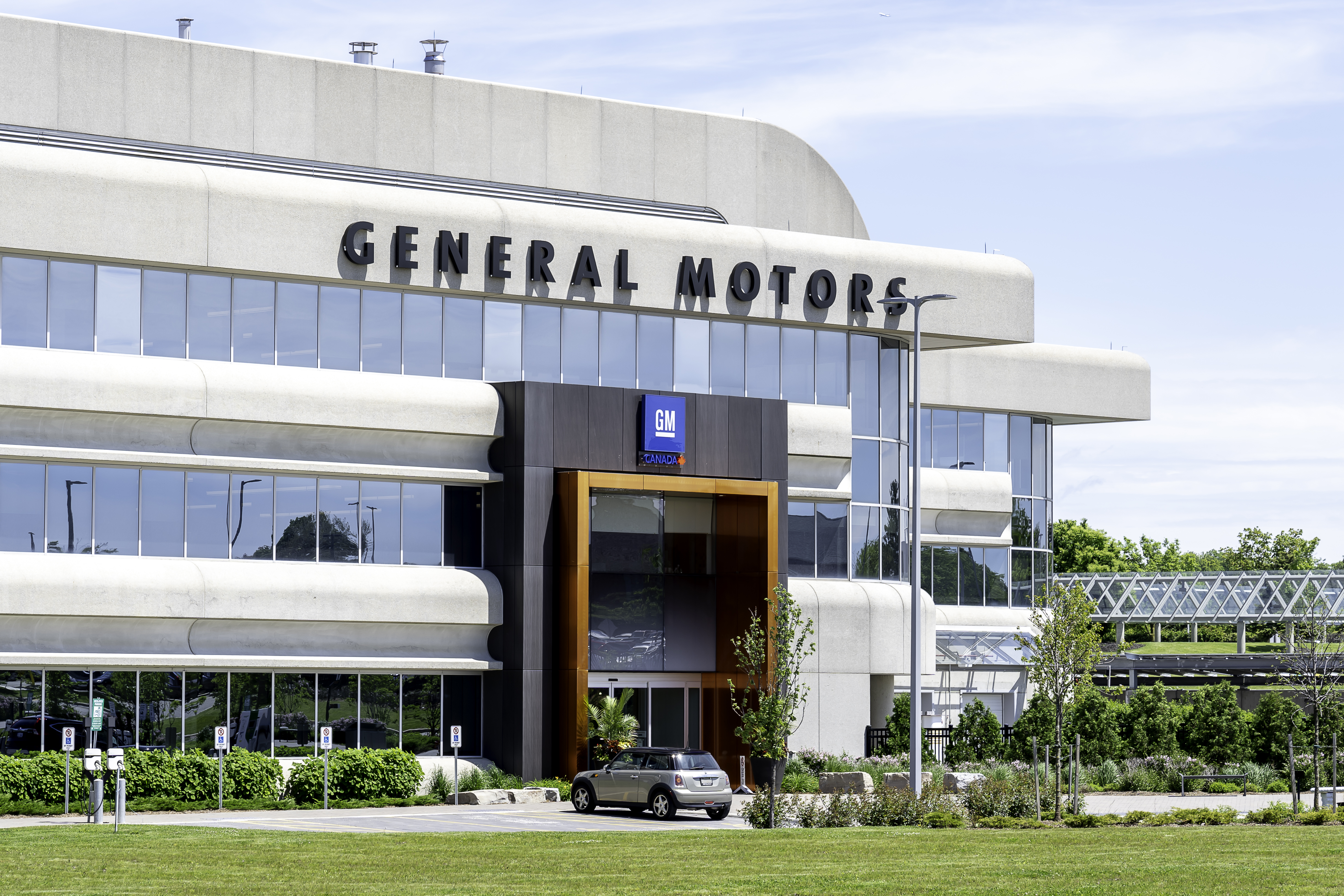
- Increased Cost Pressure: Detroit's major automakers anticipate that rising commodity prices linked to the Middle East conflict could add approximately $5 billion to industry costs in 2023, intensifying pressure on already thin profit margins and forcing companies to implement stricter cost controls.
- Profit Forecast Downgrade: General Motors has warned that inflation related to commodities, freight, and memory chips could reduce its annual adjusted operating profit by as much as $2 billion, exceeding its previous estimate of $1.5 billion, highlighting the severe challenges facing the industry.
- Aluminum Price Surge: Aluminum prices have surged sharply on the London Metal Exchange since the onset of the war, potentially adding hundreds or even thousands of dollars to vehicle production costs, particularly as Ford grapples with aluminum shortages and has turned to imported metal, further escalating expenses.
- Consumer Price Sensitivity: Despite elevated vehicle prices post-pandemic, consumers are increasingly sensitive to further price hikes, and analysts caution that if inflation persists, automakers may have little choice but to raise sticker prices across the industry to maintain profitability.
See More

Companies with Strong Cash Flow but Hidden Risks

- Visteon Financial Risks: Visteon holds a net cash position of $385 million, representing 12.9% of its market cap, yet its revenue has declined by 1.7% over the past two years due to customer purchase delays, indicating a fragile business model with uncertain growth prospects.
- Declining Profitability: With a gross margin of only 12.1%, Visteon faces high input costs that necessitate increased sales volumes to compensate, and its earnings per share have contracted by 28.9% annually over the last two years, creating pressure on investor returns.
- Shopify Market Potential: Shopify boasts a net cash position of $5.59 billion, accounting for 3.5% of its market cap, with billing growth averaging 30.7%, indicating a robust pipeline of contracts, and expected revenue growth of 27.4% next year will further enhance its market share.
- Graham Corporation Growth Momentum: Graham has a net cash position of $16.18 million, or 1.5% of its market cap, with impressive annual revenue growth of 15% over the past two years, consistently increasing earnings per share, and a 15.4 percentage point rise in free cash flow margin over the last five years, bolstering its capacity for investments and share buybacks.
See More

Ford Recalls 179,698 Vehicles Due to Safety Issue
- Recall Scale: Ford is recalling 179,698 vehicles in the U.S., specifically certain 2024-2026 Ranger and Bronco models, due to a loose bolt in the front seat frame that poses a safety risk by potentially failing to properly restrain occupants during a crash.
- Safety Concern: The National Highway Traffic Safety Administration (NHTSA) has indicated that a dislodged seat bolt may prevent effective occupant restraint in the event of a collision, thereby increasing the risk of injury, which has compelled Ford to initiate this urgent recall to ensure consumer safety.
- Repair Actions: Dealers will inspect the affected vehicles and replace pivot links and bolts as necessary, with all repair costs covered by Ford, ensuring that vehicle owners incur no additional expenses, which is likely to enhance customer satisfaction.
- Regulatory Compliance: This recall aligns with NHTSA's regulatory requirements, and by proactively addressing the recall, Ford demonstrates its commitment to consumer safety while also helping to maintain its brand image and market trust.
See More

Apple Beats Earnings Estimates, Shares Rise Over 3%

- Apple's Strong Performance: Apple exceeded earnings expectations in its latest report, with both revenue and profit growth driving shares up over 3% in after-hours trading, despite iPhone sales falling short, indicating strong demand for its services segment.
- Energy Stocks Surge: Following the outbreak of the Iran war, Chevron and Exxon Mobil saw their shares rise by 9.3% and 9.1%, respectively, reflecting market confidence in the energy sector amid heightened global energy tensions.
- Berkshire Hathaway's Decline: Berkshire Hathaway's A shares have dropped over 5% year-to-date and 11% over the year, raising concerns among investors about its long-term growth prospects, with the current share price at $711,900.
- Weakness in Auto Sector: Major automakers have experienced significant stock declines over the past three months, with Toyota, Ford, and General Motors down 15%, 13%, and 8.5%, respectively, reflecting a pessimistic outlook for recovery in the automotive industry.
See More
U.S. Stocks Rise, Nasdaq Hits All-Time High


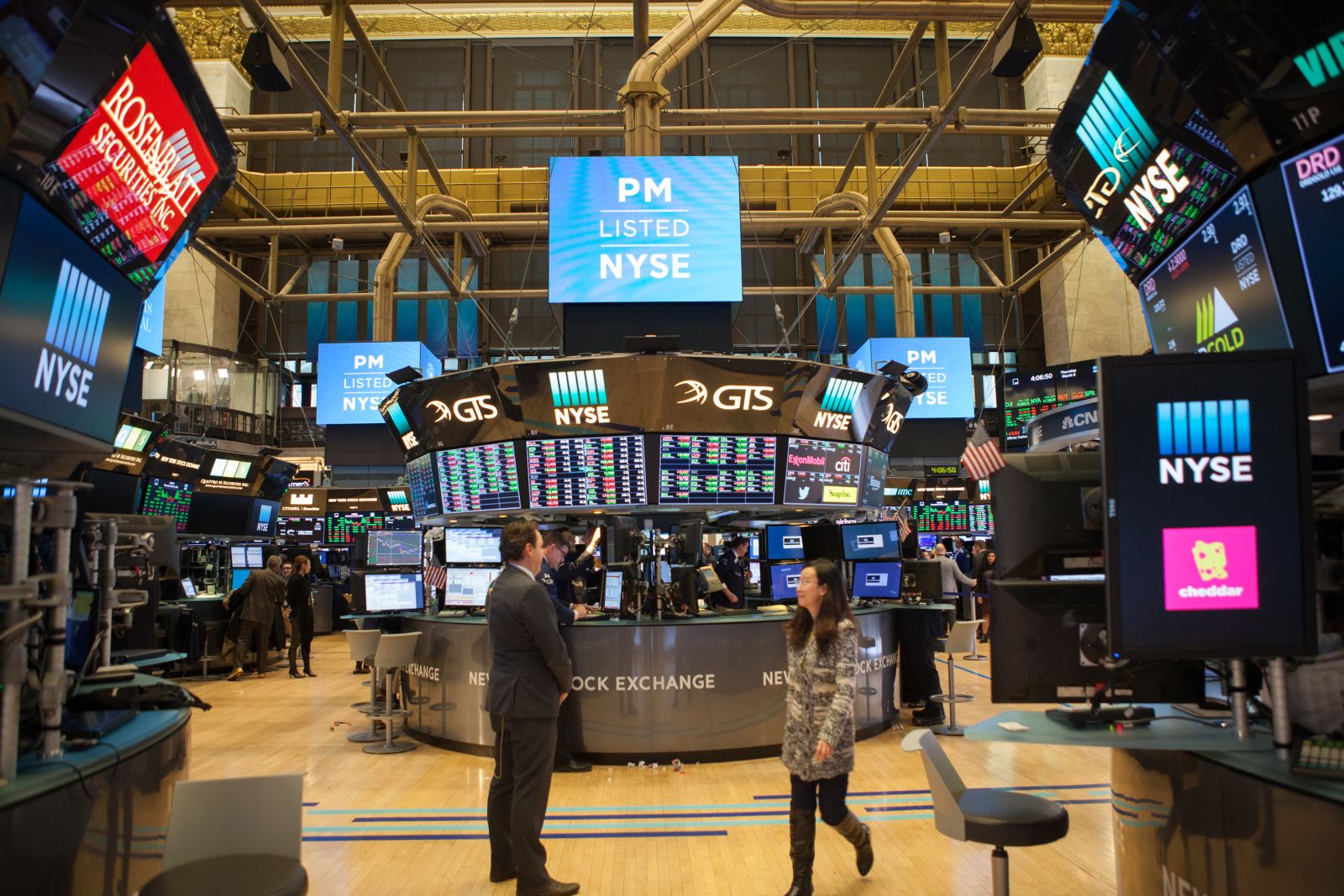
- Nasdaq Milestone: The Nasdaq 100 Index reached an all-time high, buoyed by better-than-expected earnings from Alphabet and Qualcomm, with Alphabet reporting Q1 revenue of $94.57 billion, surpassing the consensus of $91.57 billion, thus driving overall market gains.
- Strong Labor Market: U.S. initial jobless claims fell to 189,000, a 57-year low, indicating a robust labor market that exceeded expectations of 212,000, further bolstering market confidence in economic recovery.
- Declining Inflation Expectations: WTI crude oil prices dropped over 1%, leading to lower inflation expectations and bond yields, with the 10-year T-note yield down 4 basis points to 4.39%, providing support for the stock market.
- Global Economic Impact: The blockade of the Strait of Hormuz due to escalating tensions with Iran could exacerbate the global energy crisis, with Goldman Sachs estimating a reduction of nearly 500 million barrels from global crude stockpiles, potentially reaching a billion barrels by June, affecting market supply-demand dynamics.
See More
Ford Reaffirms Commitment to American Values Ahead of 250th Anniversary
- Employee Pricing Initiative: In recognition of America's 250th anniversary, Ford is launching an employee pricing initiative allowing customers to pay the same price as Ford employees, potentially saving buyers hundreds to thousands of dollars, thereby enhancing customer loyalty and boosting sales.
- Manufacturing Investment: Ford employs more hourly workers and assembles more vehicles in the U.S. than any other automaker, demonstrating a deep commitment to American manufacturing and local communities, which solidifies its market leadership.
- Community Support Activities: This summer, Ford will collaborate with 250 dealers to support local nonprofits by providing essential resources such as blood drives and food collections, showcasing its commitment to community engagement and enhancing brand image.
- Innovation and Growth Strategy: Ford's Ford+ plan integrates existing strengths with new capabilities, focusing on innovations in electric vehicles and digital experiences, which is expected to drive future growth and value creation, further strengthening its competitive position in the global market.
See More
Middle East Conflict Raises Auto Industry Costs
- Increased Cost Pressure: Detroit's major automakers anticipate that rising commodity prices linked to the Middle East conflict could add approximately $5 billion to industry costs in 2023, intensifying pressure on already thin profit margins and forcing companies to implement stricter cost controls.
- Profit Forecast Downgrade: General Motors has warned that inflation related to commodities, freight, and memory chips could reduce its annual adjusted operating profit by as much as $2 billion, exceeding its previous estimate of $1.5 billion, highlighting the severe challenges facing the industry.
- Aluminum Price Surge: Aluminum prices have surged sharply on the London Metal Exchange since the onset of the war, potentially adding hundreds or even thousands of dollars to vehicle production costs, particularly as Ford grapples with aluminum shortages and has turned to imported metal, further escalating expenses.
- Consumer Price Sensitivity: Despite elevated vehicle prices post-pandemic, consumers are increasingly sensitive to further price hikes, and analysts caution that if inflation persists, automakers may have little choice but to raise sticker prices across the industry to maintain profitability.
See More
Companies with Strong Cash Flow but Hidden Risks
- Visteon Financial Risks: Visteon holds a net cash position of $385 million, representing 12.9% of its market cap, yet its revenue has declined by 1.7% over the past two years due to customer purchase delays, indicating a fragile business model with uncertain growth prospects.
- Declining Profitability: With a gross margin of only 12.1%, Visteon faces high input costs that necessitate increased sales volumes to compensate, and its earnings per share have contracted by 28.9% annually over the last two years, creating pressure on investor returns.
- Shopify Market Potential: Shopify boasts a net cash position of $5.59 billion, accounting for 3.5% of its market cap, with billing growth averaging 30.7%, indicating a robust pipeline of contracts, and expected revenue growth of 27.4% next year will further enhance its market share.
- Graham Corporation Growth Momentum: Graham has a net cash position of $16.18 million, or 1.5% of its market cap, with impressive annual revenue growth of 15% over the past two years, consistently increasing earnings per share, and a 15.4 percentage point rise in free cash flow margin over the last five years, bolstering its capacity for investments and share buybacks.
See More
Ford Recalls 179,698 Vehicles Due to Safety Issue
- Recall Scale: Ford is recalling 179,698 vehicles in the U.S., specifically certain 2024-2026 Ranger and Bronco models, due to a loose bolt in the front seat frame that poses a safety risk by potentially failing to properly restrain occupants during a crash.
- Safety Concern: The National Highway Traffic Safety Administration (NHTSA) has indicated that a dislodged seat bolt may prevent effective occupant restraint in the event of a collision, thereby increasing the risk of injury, which has compelled Ford to initiate this urgent recall to ensure consumer safety.
- Repair Actions: Dealers will inspect the affected vehicles and replace pivot links and bolts as necessary, with all repair costs covered by Ford, ensuring that vehicle owners incur no additional expenses, which is likely to enhance customer satisfaction.
- Regulatory Compliance: This recall aligns with NHTSA's regulatory requirements, and by proactively addressing the recall, Ford demonstrates its commitment to consumer safety while also helping to maintain its brand image and market trust.
See More
Apple Beats Earnings Estimates, Shares Rise Over 3%
- Apple's Strong Performance: Apple exceeded earnings expectations in its latest report, with both revenue and profit growth driving shares up over 3% in after-hours trading, despite iPhone sales falling short, indicating strong demand for its services segment.
- Energy Stocks Surge: Following the outbreak of the Iran war, Chevron and Exxon Mobil saw their shares rise by 9.3% and 9.1%, respectively, reflecting market confidence in the energy sector amid heightened global energy tensions.
- Berkshire Hathaway's Decline: Berkshire Hathaway's A shares have dropped over 5% year-to-date and 11% over the year, raising concerns among investors about its long-term growth prospects, with the current share price at $711,900.
- Weakness in Auto Sector: Major automakers have experienced significant stock declines over the past three months, with Toyota, Ford, and General Motors down 15%, 13%, and 8.5%, respectively, reflecting a pessimistic outlook for recovery in the automotive industry.
See More
U.S. Stocks Rise, Nasdaq Hits All-Time High
- Nasdaq Milestone: The Nasdaq 100 Index reached an all-time high, buoyed by better-than-expected earnings from Alphabet and Qualcomm, with Alphabet reporting Q1 revenue of $94.57 billion, surpassing the consensus of $91.57 billion, thus driving overall market gains.
- Strong Labor Market: U.S. initial jobless claims fell to 189,000, a 57-year low, indicating a robust labor market that exceeded expectations of 212,000, further bolstering market confidence in economic recovery.
- Declining Inflation Expectations: WTI crude oil prices dropped over 1%, leading to lower inflation expectations and bond yields, with the 10-year T-note yield down 4 basis points to 4.39%, providing support for the stock market.
- Global Economic Impact: The blockade of the Strait of Hormuz due to escalating tensions with Iran could exacerbate the global energy crisis, with Goldman Sachs estimating a reduction of nearly 500 million barrels from global crude stockpiles, potentially reaching a billion barrels by June, affecting market supply-demand dynamics.
See More