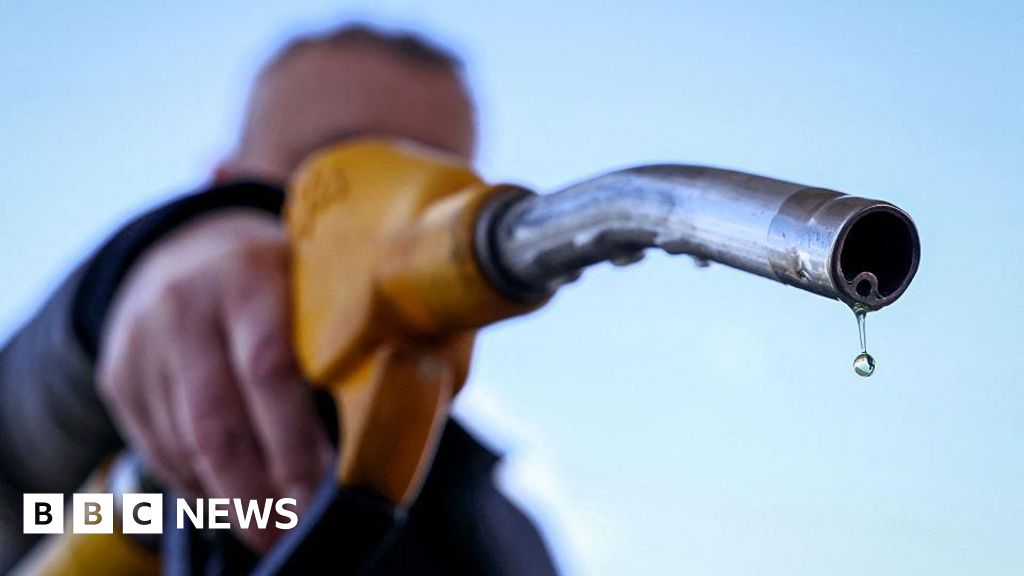
Exxon Mobil Rises 0.7%, ConocoPhillips Increases 1.1%, Devon Energy Gains 2.1%
Written by Emily J. Thompson, Senior Investment Analyst
Updated: 20 hours ago
0mins



Source: moomoo
Exxon Mobil Performance: Exxon Mobil's stock has increased by 0.7%.
ConocoPhillips Performance: ConocoPhillips saw a rise of 1.1% in its stock value.
Devon Energy Performance: Devon Energy's stock experienced a growth of 2.1%.
Overall Market Trends: The energy sector shows positive trends with notable increases in stock prices for major companies.
Trade with 70% Backtested Accuracy
Stop guessing "Should I Buy OXY?" and start using high-conviction signals backed by rigorous historical data.
Sign up today to access powerful investing tools and make smarter, data-driven decisions.
Analyst Views on OXY
Wall Street analysts forecast OXY stock price to fall
16 Analyst Rating
4 Buy
9 Hold
3 Sell
Hold
Current: 54.190

Low
38.00
Averages
47.27
High
64.00
Current: 54.190
Low
38.00
Averages
47.27
High
64.00
About OXY
Occidental Petroleum Corporation is an international energy company with assets primarily in the United States, the Middle East and North Africa. The Company is an oil and gas producer in the United States, including a producer in the Permian and DJ basins, and the offshore Gulf of Mexico. It operates through three segments: oil and gas, chemical and midstream and marketing. The oil and gas segment explores for, develops, and produces oil (which includes condensate), natural gas liquids (NGL) and natural gas. The chemical segment primarily manufactures and markets basic chemicals and vinyls. The midstream and marketing segment purchases, markets, gathers, processes, transports, and stores oil (which includes condensate), NGL, natural gas, carbon dioxide (CO2) and power. The midstream and marketing segment provides flow assurance and maximizes the value of its oil and gas. It also optimizes its transportation and storage capacity and invests in entities that conduct similar activities.
About the author

Emily J. Thompson
Emily J. Thompson, a Chartered Financial Analyst (CFA) with 12 years in investment research, graduated with honors from the Wharton School. Specializing in industrial and technology stocks, she provides in-depth analysis for Intellectia’s earnings and market brief reports.

U.S. Treasury Yields Decline as Oil Prices Plummet


- Treasury Yield Changes: U.S. Treasury yields fell as the 10-year yield dropped nearly 2 basis points to 4.117%, the 30-year bond yield decreased to 4.734%, and the 2-year note yield declined by almost 3 basis points to 3.563%, reflecting market uncertainty about future economic conditions.
- Oil Price Fluctuations: President Trump warned that Iran would face 'TWENTY TIMES HARDER' consequences if it attempted to halt shipments through the Strait of Hormuz, causing market panic and leading to a temporary 10% drop in oil prices.
- G7 Emergency Meeting: G7 energy ministers are set to meet virtually to discuss a potential release of emergency oil reserves to address supply disruptions caused by the Iran conflict, with previous finance ministers' discussions deemed 'positive' despite no concrete decisions made.
- Role of IEA: The International Energy Agency's Executive Director participated in the G7 finance ministers' meeting to discuss the global economic outlook and the intensifying Middle East conflict, noting that IEA member countries hold over 1.2 billion barrels of public emergency oil stocks that could be released to alleviate supply pressures.
See More

Energy Midstream Stocks Offer Stable Income


- Energy Transition Potential: Energy Transfer (ET) currently boasts a 7.1% dividend yield and plans to increase distributions by 3% to 5% moving forward, leveraging its extensive midstream operations and stable fee-based business to provide long-term passive income for investors.
- Consistent Growth Performance: Enterprise Products Partners (EPD) has increased its distribution for 27 consecutive years, with a current yield of 5.9%, and is projected to achieve double-digit growth in adjusted EBITDA and cash flow by 2027, demonstrating its reliability and resilience in uncertain markets.
- High Yield Appeal: Western Midstream (WES) offers an 8.6% yield, ranking among the highest in the midstream sector, and while facing some short-term challenges, it expects a 3% increase in distributions in 2026 and maintains financial stability through a restructured fixed-fee agreement with Occidental.
- Strategic Diversification: Western Midstream is actively expanding its footprint in the produced water business through acquisitions like Aris Water Solutions and the Pathfinder Pipeline project, and despite the transition period, it is still poised for adjusted EBITDA growth, enhancing its competitive position in the market.
See More

Berkshire Hathaway's Cash Reserves Analysis

- Cash Reserve Status: Berkshire Hathaway ended 2025 with a cash reserve of $373.3 billion, down from $381.6 billion in Q3, yet still demonstrating strong financial strength, indicating the company's resilience amid market fluctuations.
- Stock Trading Dynamics: The company has been a net seller for the 13th consecutive quarter, primarily raising funds through sales of Apple and Bank of America stocks, reflecting its ongoing focus on these core holdings and risk management strategies.
- Buyback Strategy Adjustment: Although the company has not repurchased shares for six straight quarters, it began buying back stock earlier this month, indicating a reassessment of current stock prices, particularly as the price-to-book ratio has decreased from 1.8 to 1.4.
- CEO Strategic Outlook: New CEO Abel emphasized patience in managing the cash reserves in his annual letter, stating the need for disciplined investment timing while also highlighting the importance of risk management beyond its large insurance operations.
See More

Berkshire Ends 2025 with Record Cash Reserves
- Cash Reserve Status: Berkshire ended 2025 with a cash reserve of $373.3 billion, down from $381.6 billion in Q3, yet still demonstrating strong financial strength that allows for flexibility in future investment opportunities.
- Stock Trading Strategy: The company has been a net seller for the 13th consecutive quarter, primarily raising funds through sales of Apple and Bank of America stocks, indicating a cautious approach to these holdings, while Apple remains its largest investment, reflecting stability in its long-term investment strategy.
- Stock Buyback Decision: Berkshire has not repurchased any shares for six consecutive quarters, although it has recently begun to reconsider its buyback strategy, indicating a more cautious approach to assessing the intrinsic value of its stock, especially with the current P/B ratio at 1.4.
- Impact of Management Changes: New CEO Abel emphasizes the importance of patience and risk management, and while investors express frustration over the company's inaction, he believes that maintaining discipline and a prudent investment strategy is wise in a rapidly evolving technological landscape.
See More

Oil Prices Surge and Plunge Amid U.S.-Iran Tensions

- Oil Price Volatility: Oil prices surged about 20% on Monday due to ongoing U.S.-Israeli tensions with Iran, but plummeted 10% on Tuesday after President Trump warned of severe repercussions for Iran, indicating market fears of prolonged energy supply disruptions.
- Brent Crude Prices: International Brent crude fell nearly 11% to $88.36 per barrel by Monday evening, while U.S. crude dropped to $85.17 per barrel, reflecting the market's sensitive response to geopolitical risks.
- Strait of Hormuz Significance: The Strait of Hormuz is a vital transit route for global energy markets, with approximately 13 million barrels passing through in 2025, accounting for about 31% of global seaborne oil flows, making its security crucial for oil prices.
- Market Optimism: Despite the volatility, the market remains optimistic following Trump's comments that the conflict will end soon and oil prices will drop, with analysts suggesting that such verbal interventions could influence market expectations.
See More
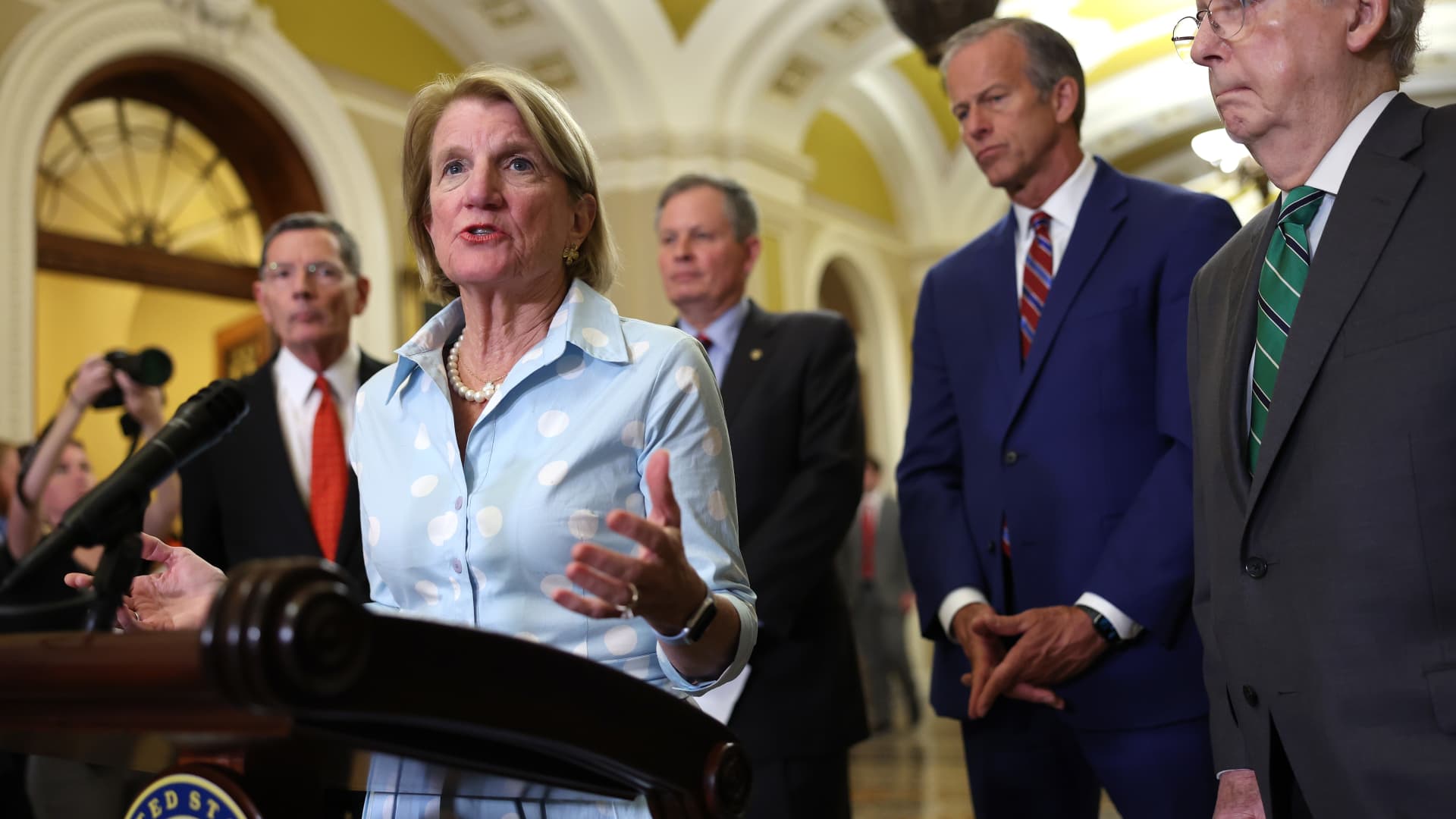
U.S. Congress Revives Energy Permitting Reform Discussions

- Bipartisan Cooperation Resumes: Senate Environment and Public Works Committee Chair Shelley Moore Capito and ranking Democrat Sheldon Whitehouse are meeting again to discuss energy permitting reform, indicating a willingness for bipartisan collaboration on energy infrastructure development.
- Frequent Negotiations: Sources indicate that both parties will be communicating frequently this week, although no specific meeting times have been set, suggesting that the reform process is gaining momentum with committee staff actively negotiating.
- Increased Political Pressure: With energy prices soaring, lawmakers are under significant political pressure to reach a permitting reform agreement this year to lower energy costs and meet the rising demand for energy, particularly from power-hungry data centers.
- Complex Legislative Background: Despite the House passing the SPEED Act last year to streamline permitting, negotiations in the Senate are ongoing, and any final agreement may involve changes to longstanding environmental laws to expedite approvals for both renewable and traditional energy projects.
See More
U.S. Treasury Yields Decline as Oil Prices Plummet
- Treasury Yield Changes: U.S. Treasury yields fell as the 10-year yield dropped nearly 2 basis points to 4.117%, the 30-year bond yield decreased to 4.734%, and the 2-year note yield declined by almost 3 basis points to 3.563%, reflecting market uncertainty about future economic conditions.
- Oil Price Fluctuations: President Trump warned that Iran would face 'TWENTY TIMES HARDER' consequences if it attempted to halt shipments through the Strait of Hormuz, causing market panic and leading to a temporary 10% drop in oil prices.
- G7 Emergency Meeting: G7 energy ministers are set to meet virtually to discuss a potential release of emergency oil reserves to address supply disruptions caused by the Iran conflict, with previous finance ministers' discussions deemed 'positive' despite no concrete decisions made.
- Role of IEA: The International Energy Agency's Executive Director participated in the G7 finance ministers' meeting to discuss the global economic outlook and the intensifying Middle East conflict, noting that IEA member countries hold over 1.2 billion barrels of public emergency oil stocks that could be released to alleviate supply pressures.
See More
Energy Midstream Stocks Offer Stable Income
- Energy Transition Potential: Energy Transfer (ET) currently boasts a 7.1% dividend yield and plans to increase distributions by 3% to 5% moving forward, leveraging its extensive midstream operations and stable fee-based business to provide long-term passive income for investors.
- Consistent Growth Performance: Enterprise Products Partners (EPD) has increased its distribution for 27 consecutive years, with a current yield of 5.9%, and is projected to achieve double-digit growth in adjusted EBITDA and cash flow by 2027, demonstrating its reliability and resilience in uncertain markets.
- High Yield Appeal: Western Midstream (WES) offers an 8.6% yield, ranking among the highest in the midstream sector, and while facing some short-term challenges, it expects a 3% increase in distributions in 2026 and maintains financial stability through a restructured fixed-fee agreement with Occidental.
- Strategic Diversification: Western Midstream is actively expanding its footprint in the produced water business through acquisitions like Aris Water Solutions and the Pathfinder Pipeline project, and despite the transition period, it is still poised for adjusted EBITDA growth, enhancing its competitive position in the market.
See More
Berkshire Hathaway's Cash Reserves Analysis
- Cash Reserve Status: Berkshire Hathaway ended 2025 with a cash reserve of $373.3 billion, down from $381.6 billion in Q3, yet still demonstrating strong financial strength, indicating the company's resilience amid market fluctuations.
- Stock Trading Dynamics: The company has been a net seller for the 13th consecutive quarter, primarily raising funds through sales of Apple and Bank of America stocks, reflecting its ongoing focus on these core holdings and risk management strategies.
- Buyback Strategy Adjustment: Although the company has not repurchased shares for six straight quarters, it began buying back stock earlier this month, indicating a reassessment of current stock prices, particularly as the price-to-book ratio has decreased from 1.8 to 1.4.
- CEO Strategic Outlook: New CEO Abel emphasized patience in managing the cash reserves in his annual letter, stating the need for disciplined investment timing while also highlighting the importance of risk management beyond its large insurance operations.
See More
Berkshire Ends 2025 with Record Cash Reserves
- Cash Reserve Status: Berkshire ended 2025 with a cash reserve of $373.3 billion, down from $381.6 billion in Q3, yet still demonstrating strong financial strength that allows for flexibility in future investment opportunities.
- Stock Trading Strategy: The company has been a net seller for the 13th consecutive quarter, primarily raising funds through sales of Apple and Bank of America stocks, indicating a cautious approach to these holdings, while Apple remains its largest investment, reflecting stability in its long-term investment strategy.
- Stock Buyback Decision: Berkshire has not repurchased any shares for six consecutive quarters, although it has recently begun to reconsider its buyback strategy, indicating a more cautious approach to assessing the intrinsic value of its stock, especially with the current P/B ratio at 1.4.
- Impact of Management Changes: New CEO Abel emphasizes the importance of patience and risk management, and while investors express frustration over the company's inaction, he believes that maintaining discipline and a prudent investment strategy is wise in a rapidly evolving technological landscape.
See More
Oil Prices Surge and Plunge Amid U.S.-Iran Tensions
- Oil Price Volatility: Oil prices surged about 20% on Monday due to ongoing U.S.-Israeli tensions with Iran, but plummeted 10% on Tuesday after President Trump warned of severe repercussions for Iran, indicating market fears of prolonged energy supply disruptions.
- Brent Crude Prices: International Brent crude fell nearly 11% to $88.36 per barrel by Monday evening, while U.S. crude dropped to $85.17 per barrel, reflecting the market's sensitive response to geopolitical risks.
- Strait of Hormuz Significance: The Strait of Hormuz is a vital transit route for global energy markets, with approximately 13 million barrels passing through in 2025, accounting for about 31% of global seaborne oil flows, making its security crucial for oil prices.
- Market Optimism: Despite the volatility, the market remains optimistic following Trump's comments that the conflict will end soon and oil prices will drop, with analysts suggesting that such verbal interventions could influence market expectations.
See More
U.S. Congress Revives Energy Permitting Reform Discussions
- Bipartisan Cooperation Resumes: Senate Environment and Public Works Committee Chair Shelley Moore Capito and ranking Democrat Sheldon Whitehouse are meeting again to discuss energy permitting reform, indicating a willingness for bipartisan collaboration on energy infrastructure development.
- Frequent Negotiations: Sources indicate that both parties will be communicating frequently this week, although no specific meeting times have been set, suggesting that the reform process is gaining momentum with committee staff actively negotiating.
- Increased Political Pressure: With energy prices soaring, lawmakers are under significant political pressure to reach a permitting reform agreement this year to lower energy costs and meet the rising demand for energy, particularly from power-hungry data centers.
- Complex Legislative Background: Despite the House passing the SPEED Act last year to streamline permitting, negotiations in the Senate are ongoing, and any final agreement may involve changes to longstanding environmental laws to expedite approvals for both renewable and traditional energy projects.
See More