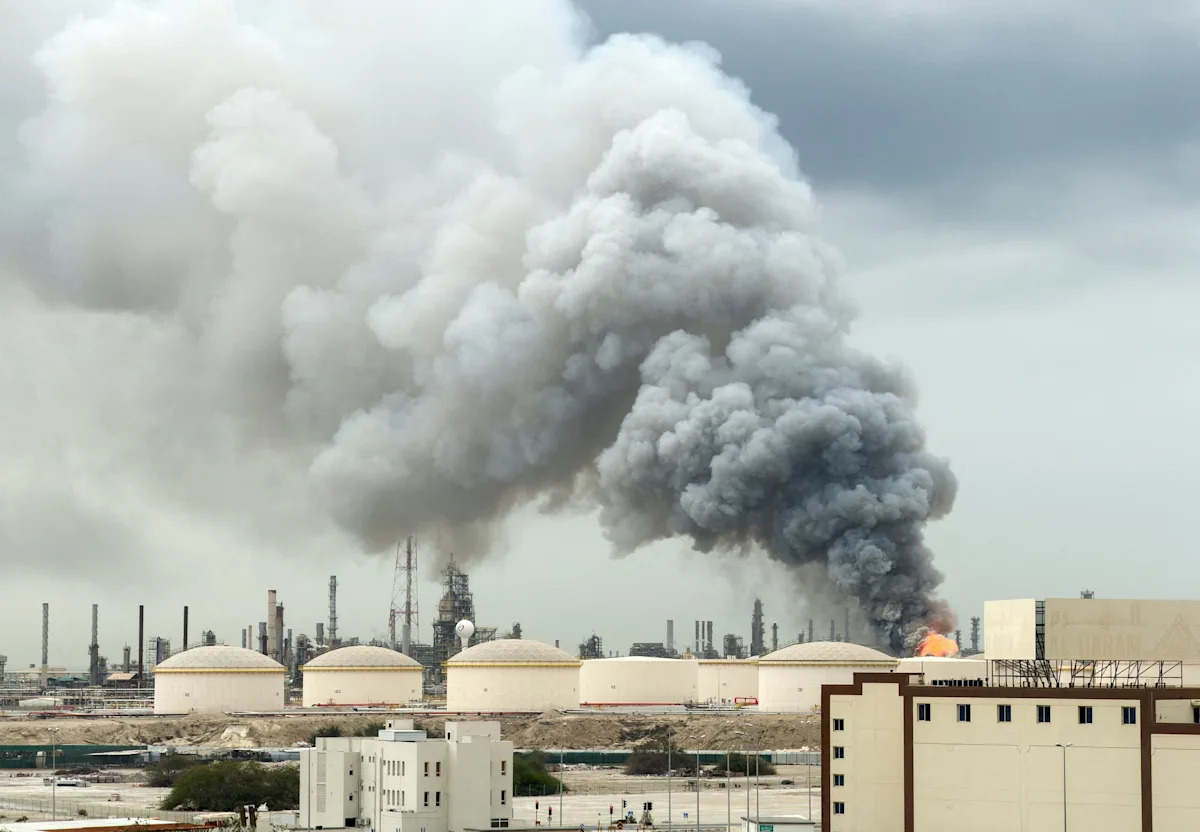
Exxon Mobil Plans Overhauls at Texas Refinery
Written by Emily J. Thompson, Senior Investment Analyst
Updated: 1 day ago
0mins
Should l Buy XOM?
Source: seekingalpha
- Major Overhaul Plans: Exxon Mobil is set to conduct significant overhauls at its 612,000 bbl/day Beaumont refinery in Texas, planning to shut down a 60,000 bbl/day coker in May for maintenance that will extend into June, indicating the company's commitment to maintaining production efficiency through equipment upkeep.
- Gasoline Production Shutdown: Additionally, the company plans to close a 120,000 bbl/day fluid catalytic cracker (FCC) in December, along with two hydrotreaters, with maintenance lasting into January, which could impact short-term gasoline supply and subsequently affect market prices.
- Refinery Capacity Impact: The Beaumont refinery ranks as the third largest in the U.S., with its FCCU accounting for 3.3% of the Gulf Coast's FCCU capacity and the coker capacity representing 7.4%, meaning this overhaul will significantly impact overall refining capacity and could lead to regional supply tightness.
- Market Reaction Expectations: With the announcement of the overhaul plans, the market may express concerns regarding Exxon Mobil's short-term production capabilities, although in the long run, maintenance and upgrades are expected to enhance refining efficiency and profitability.
Trade with 70% Backtested Accuracy
Stop guessing "Should I Buy XOM?" and start using high-conviction signals backed by rigorous historical data.
Sign up today to access powerful investing tools and make smarter, data-driven decisions.
Analyst Views on XOM
Wall Street analysts forecast XOM stock price to fall
19 Analyst Rating
12 Buy
7 Hold
0 Sell
Moderate Buy
Current: 156.220

Low
114.00
Averages
132.17
High
158.00
Current: 156.220
Low
114.00
Averages
132.17
High
158.00
About XOM
Exxon Mobil Corporation is an energy provider and chemical manufacturer. The Company’s principal business involves exploration for, and production of, crude oil and natural gas; the manufacture, trade, transport and sale of crude oil, natural gas, petroleum products, petrochemicals and a wide variety of specialty products; and pursuit of lower-emission and other new business opportunities, including carbon capture and storage, hydrogen, lower-emission fuels, Proxxima systems, carbon materials, and lithium. Its Upstream segment explores for and produces crude oil and natural gas. The Energy Products, Chemical Products, and Specialty Products segments manufacture and sell petroleum products and petrochemicals. Energy Products segment includes fuels, aromatics, and catalysts and licensing. Chemical Products segment consists of olefins, polyolefins, and intermediates. Specialty Products segment includes finished lubricants, basestocks and waxes, synthetics, and elastomers and resins.
About the author

Emily J. Thompson
Emily J. Thompson, a Chartered Financial Analyst (CFA) with 12 years in investment research, graduated with honors from the Wharton School. Specializing in industrial and technology stocks, she provides in-depth analysis for Intellectia’s earnings and market brief reports.

ExxonMobil: Investment Opportunities in Energy Cycles

- Energy Price Volatility: The geopolitical conflict in the Middle East is driving oil and gas prices higher, yet such market fluctuations are common in the energy sector, prompting investors to be cautious when selecting oil stocks to mitigate future price declines.
- Strong Financial Foundation: ExxonMobil boasts a debt-to-equity ratio of approximately 0.19, significantly lower than its peers, demonstrating immense financial flexibility that allows it to support its business and dividends during downturns in oil prices.
- Long-Term Investment Value: With 43 consecutive years of dividend increases, ExxonMobil showcases its success and reliability in a volatile industry, attracting long-term investors who value its ability to withstand falling energy prices.
- Investment Opportunities in Downturns: During industry downturns, ExxonMobil can leverage its robust financial position to invest in undervalued energy assets or companies, transforming industry challenges into potential investment opportunities for shareholders.
See More
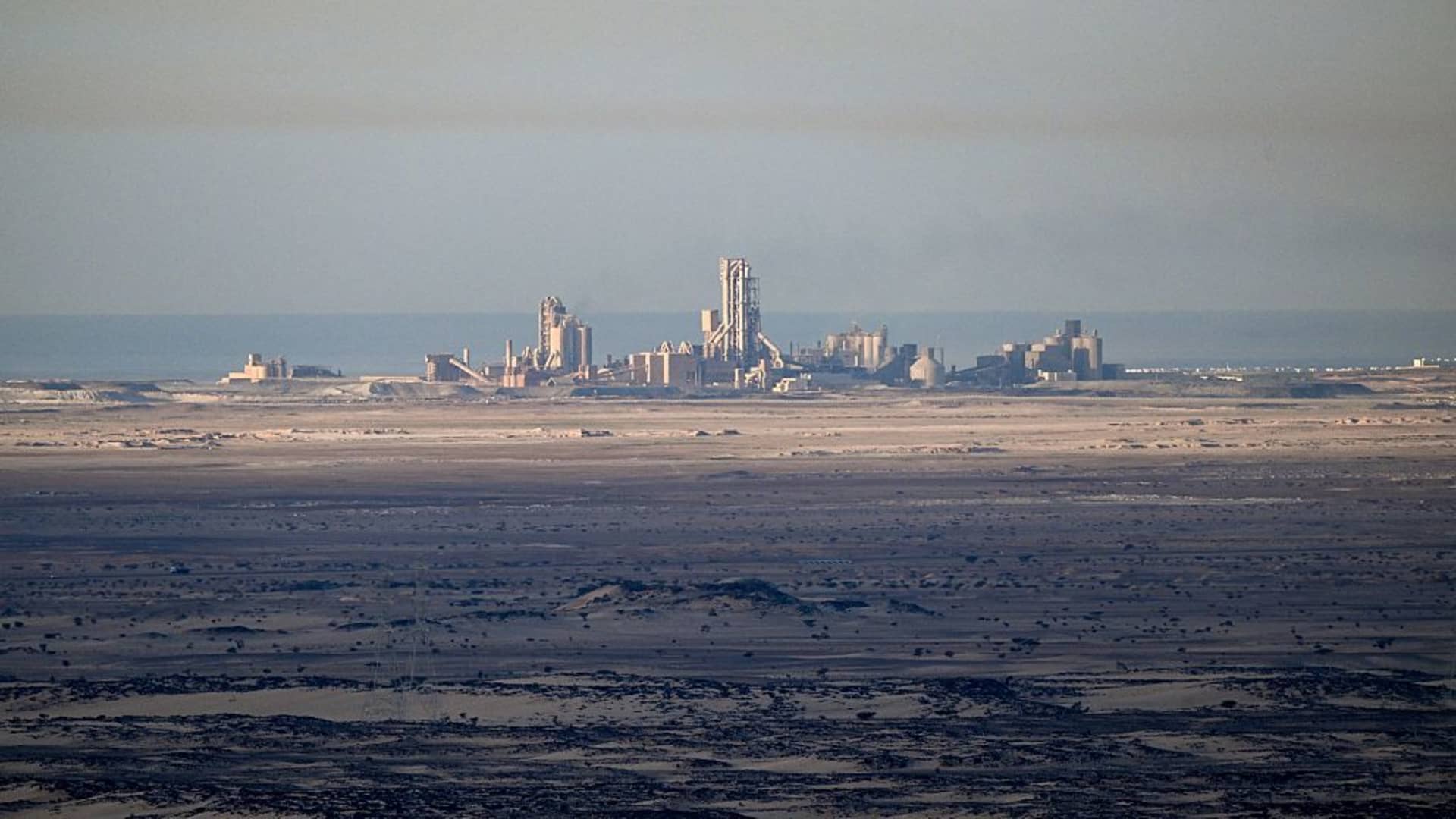
Fragile U.S.-Iran Ceasefire Tested Amid Oil Price Volatility


- Oil Price Fluctuations: Iran's attack on Saudi Arabia's Red Sea pipeline has cut throughput by 700,000 barrels per day, causing oil prices to hover below $100 per barrel, which exacerbates uncertainty in global markets.
- Ceasefire Negotiations Tension: U.S. and Iranian negotiators are set to meet in Pakistan, and despite heated rhetoric, there remains a willingness to maintain the ceasefire, which could impact future energy supply and price stability.
- Global Economic Impact: China's factory-gate prices have risen for the first time in over three years, indicating the war's disruption of global energy markets, potentially leading to increased inflationary pressures for the Federal Reserve.
- Political Landscape Attention: The British Prime Minister expressed frustration over energy price volatility, highlighting the influence of international politics on domestic economies, which underscores the far-reaching effects of global political dynamics on markets.
See More

Closure of Strait of Hormuz Triggers Global Energy Crisis
- Market Reaction: Oil prices surged above $100 per barrel due to the closure of the Strait of Hormuz, reflecting market concerns over tight energy supplies that could lead to a global economic slowdown.
- Transport Restrictions: The CEO of Abu Dhabi National Oil Co. confirmed that the Strait of Hormuz is not open to shipping, with traffic being restricted, which will further exacerbate international oil price volatility and impact the global energy supply chain.
- Geopolitical Tensions: Iran's plan to charge shipping companies cryptocurrency tolls for passage through the Strait could provoke strong international backlash, increasing the risk of regional conflict.
- Emergency Measures Escalate: Japan is reportedly considering releasing about 20 days' worth of oil reserves as early as May to address the global supply crisis, demonstrating the urgency and strategic responses of governments facing energy shortages.
See More
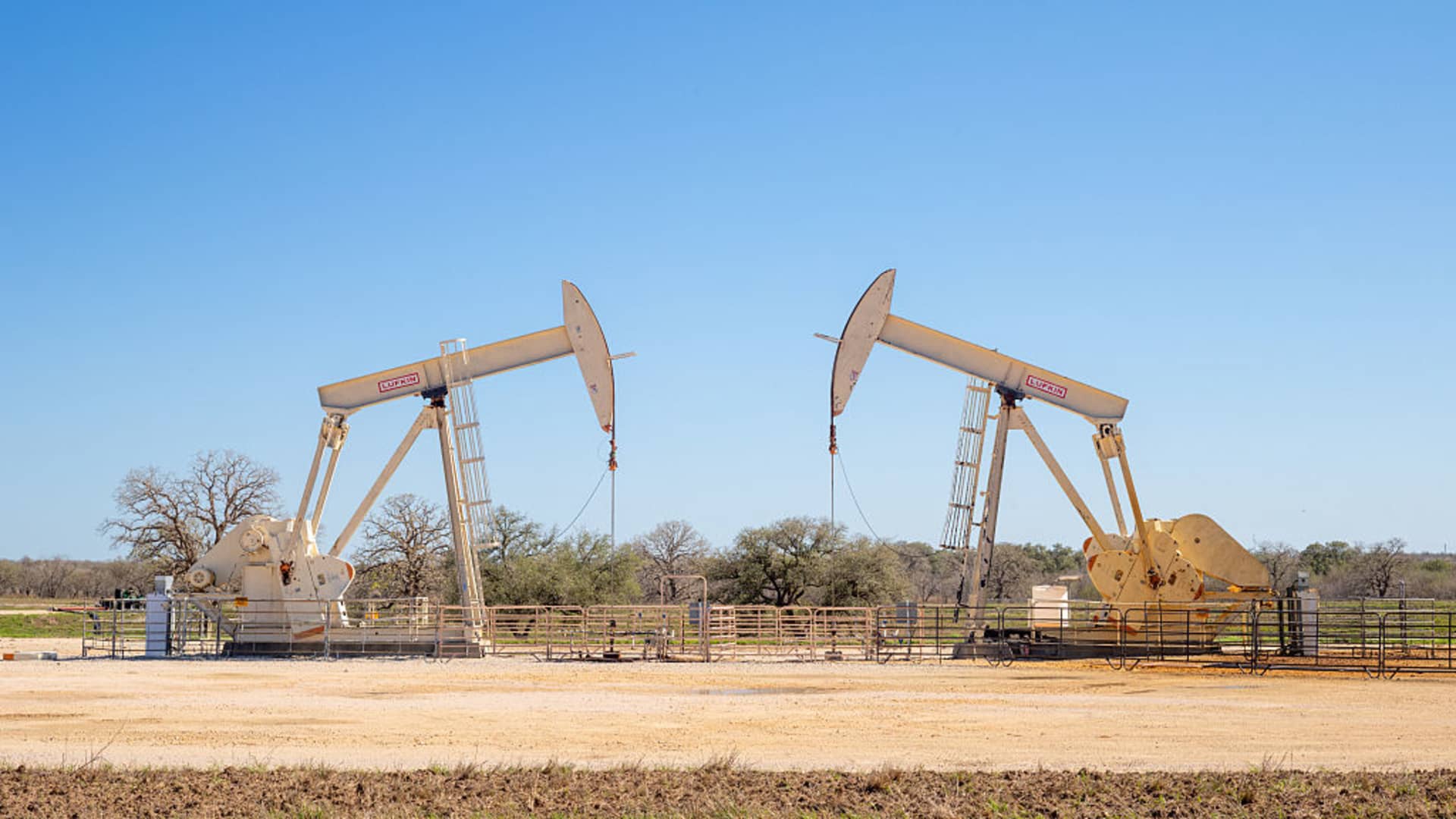
Middle East Conflict Threatens Global Economy


- Escalating Middle East Tensions: The war initiated by the U.S. and Israel against Iran has spread throughout the Middle East, threatening global economic stability, particularly impacting Lebanon and Gulf energy exporters.
- Strait of Hormuz Closure: Despite a fragile two-week ceasefire between the U.S. and Iran, traffic through the Strait of Hormuz remains largely restricted, affecting global energy supply and contributing to rising oil prices.
- Oil Price Fluctuations: As of 8:41 p.m. ET, West Texas Intermediate (WTI) rose by 0.69% to $98.55 per barrel, while Brent crude increased by 0.91% to $95.92 per barrel, reflecting market sensitivity to the Middle East situation.
- Japan's Oil Reserve Release Plan: Japan plans to release 20 days' worth of oil reserves starting in May, with current reserves sufficient for 230 days, aiming to alleviate energy supply pressures caused by the Middle East conflict.
See More
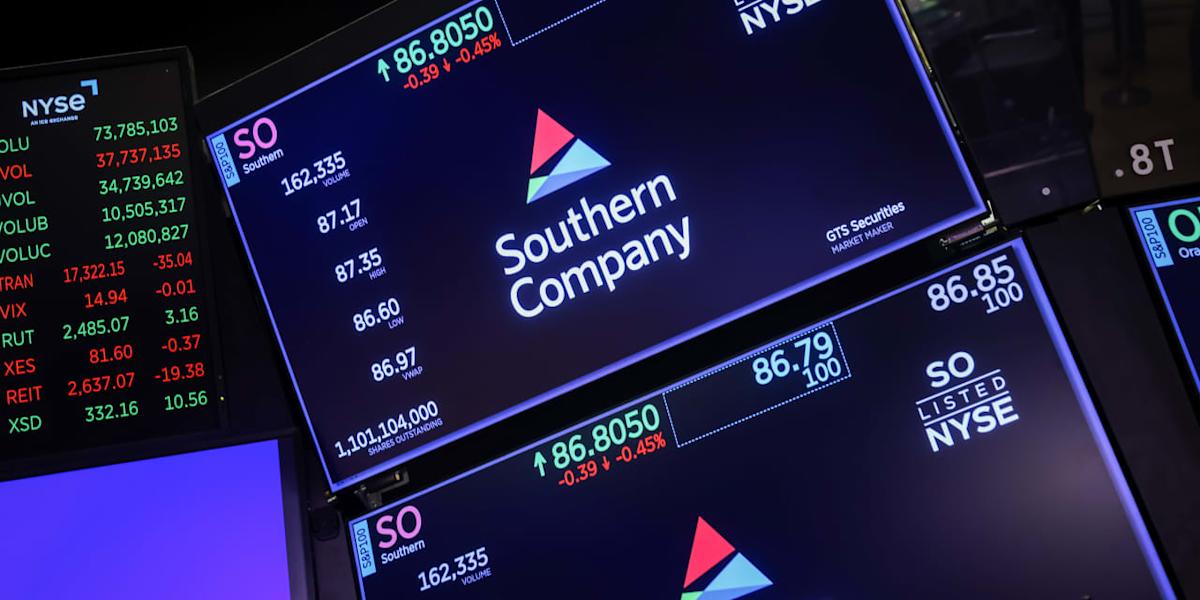
Southern Co. Approaches Dividend Aristocrats Eligibility


- Dividend Aristocrats Eligibility: Southern Co. is nearing eligibility for the Dividend Aristocrats index, indicating its stability and reliability in consistent dividend payments, which attracts income-focused investors.
- Steady Earnings Growth: The company has achieved steady earnings growth, which is expected to enhance its market appeal, especially as demand for stable income rises in the current economic climate.
- Attractive Yield: With a current dividend yield of 3%, Southern Co. stands out in the low-interest-rate environment, potentially drawing more income-oriented investors looking for reliable returns.
- Potential Returns: As the company approaches Dividend Aristocrats status, it is anticipated to drive its stock price higher, providing substantial returns for investors and further solidifying its leadership position in the utility sector.
See More

Retail Investors Cut ETF Holdings Amid Market Rally Concerns

- Shift in Retail Behavior: Retail investors opted to cut risk during Wednesday's market rebound, with ETF outflows reaching their highest levels in a year, indicating a significant departure from the previous 'buying the dip' strategy, which could impact future market stability.
- Market Rally Overview: The Dow Jones Industrial Average surged over 1,300 points, up 2.9%, marking its best single-day performance since April 2025; however, the negative retail flows suggest underlying market confidence may be fragile.
- Sector Flow Analysis: Negative flows were observed across nearly all sectors, with heavy selling in energy and industrial stocks like Exxon Mobil, Chevron, and Occidental Petroleum, reflecting declining confidence among retail investors in these areas.
- Tech Stocks Resilience: Despite the overall market downturn, retail investors showed modest buying interest in large-cap technology stocks such as Tesla, Nvidia, Microsoft, and Meta Platforms, indicating a relative confidence in the tech sector.
See More
ExxonMobil: Investment Opportunities in Energy Cycles
- Energy Price Volatility: The geopolitical conflict in the Middle East is driving oil and gas prices higher, yet such market fluctuations are common in the energy sector, prompting investors to be cautious when selecting oil stocks to mitigate future price declines.
- Strong Financial Foundation: ExxonMobil boasts a debt-to-equity ratio of approximately 0.19, significantly lower than its peers, demonstrating immense financial flexibility that allows it to support its business and dividends during downturns in oil prices.
- Long-Term Investment Value: With 43 consecutive years of dividend increases, ExxonMobil showcases its success and reliability in a volatile industry, attracting long-term investors who value its ability to withstand falling energy prices.
- Investment Opportunities in Downturns: During industry downturns, ExxonMobil can leverage its robust financial position to invest in undervalued energy assets or companies, transforming industry challenges into potential investment opportunities for shareholders.
See More
Fragile U.S.-Iran Ceasefire Tested Amid Oil Price Volatility
- Oil Price Fluctuations: Iran's attack on Saudi Arabia's Red Sea pipeline has cut throughput by 700,000 barrels per day, causing oil prices to hover below $100 per barrel, which exacerbates uncertainty in global markets.
- Ceasefire Negotiations Tension: U.S. and Iranian negotiators are set to meet in Pakistan, and despite heated rhetoric, there remains a willingness to maintain the ceasefire, which could impact future energy supply and price stability.
- Global Economic Impact: China's factory-gate prices have risen for the first time in over three years, indicating the war's disruption of global energy markets, potentially leading to increased inflationary pressures for the Federal Reserve.
- Political Landscape Attention: The British Prime Minister expressed frustration over energy price volatility, highlighting the influence of international politics on domestic economies, which underscores the far-reaching effects of global political dynamics on markets.
See More
Closure of Strait of Hormuz Triggers Global Energy Crisis
- Market Reaction: Oil prices surged above $100 per barrel due to the closure of the Strait of Hormuz, reflecting market concerns over tight energy supplies that could lead to a global economic slowdown.
- Transport Restrictions: The CEO of Abu Dhabi National Oil Co. confirmed that the Strait of Hormuz is not open to shipping, with traffic being restricted, which will further exacerbate international oil price volatility and impact the global energy supply chain.
- Geopolitical Tensions: Iran's plan to charge shipping companies cryptocurrency tolls for passage through the Strait could provoke strong international backlash, increasing the risk of regional conflict.
- Emergency Measures Escalate: Japan is reportedly considering releasing about 20 days' worth of oil reserves as early as May to address the global supply crisis, demonstrating the urgency and strategic responses of governments facing energy shortages.
See More
Middle East Conflict Threatens Global Economy
- Escalating Middle East Tensions: The war initiated by the U.S. and Israel against Iran has spread throughout the Middle East, threatening global economic stability, particularly impacting Lebanon and Gulf energy exporters.
- Strait of Hormuz Closure: Despite a fragile two-week ceasefire between the U.S. and Iran, traffic through the Strait of Hormuz remains largely restricted, affecting global energy supply and contributing to rising oil prices.
- Oil Price Fluctuations: As of 8:41 p.m. ET, West Texas Intermediate (WTI) rose by 0.69% to $98.55 per barrel, while Brent crude increased by 0.91% to $95.92 per barrel, reflecting market sensitivity to the Middle East situation.
- Japan's Oil Reserve Release Plan: Japan plans to release 20 days' worth of oil reserves starting in May, with current reserves sufficient for 230 days, aiming to alleviate energy supply pressures caused by the Middle East conflict.
See More
Southern Co. Approaches Dividend Aristocrats Eligibility
- Dividend Aristocrats Eligibility: Southern Co. is nearing eligibility for the Dividend Aristocrats index, indicating its stability and reliability in consistent dividend payments, which attracts income-focused investors.
- Steady Earnings Growth: The company has achieved steady earnings growth, which is expected to enhance its market appeal, especially as demand for stable income rises in the current economic climate.
- Attractive Yield: With a current dividend yield of 3%, Southern Co. stands out in the low-interest-rate environment, potentially drawing more income-oriented investors looking for reliable returns.
- Potential Returns: As the company approaches Dividend Aristocrats status, it is anticipated to drive its stock price higher, providing substantial returns for investors and further solidifying its leadership position in the utility sector.
See More
Retail Investors Cut ETF Holdings Amid Market Rally Concerns
- Shift in Retail Behavior: Retail investors opted to cut risk during Wednesday's market rebound, with ETF outflows reaching their highest levels in a year, indicating a significant departure from the previous 'buying the dip' strategy, which could impact future market stability.
- Market Rally Overview: The Dow Jones Industrial Average surged over 1,300 points, up 2.9%, marking its best single-day performance since April 2025; however, the negative retail flows suggest underlying market confidence may be fragile.
- Sector Flow Analysis: Negative flows were observed across nearly all sectors, with heavy selling in energy and industrial stocks like Exxon Mobil, Chevron, and Occidental Petroleum, reflecting declining confidence among retail investors in these areas.
- Tech Stocks Resilience: Despite the overall market downturn, retail investors showed modest buying interest in large-cap technology stocks such as Tesla, Nvidia, Microsoft, and Meta Platforms, indicating a relative confidence in the tech sector.
See More