Eastman Chemical Q4 Revenue Misses Estimates, Shares Drop
Written by Emily J. Thompson, Senior Investment Analyst
Updated: Jan 29 2026
0mins
Should l Buy EMN?
Source: seekingalpha
- Revenue Decline: Eastman Chemical reported fourth-quarter revenue of $1.97 billion, down from the previous year and below analysts' expectations of $2.02 billion, resulting in a 2.2% drop in after-hours trading due to lower volumes across multiple end markets.
- Earnings Performance: Although adjusted earnings per share were $0.75, exceeding the consensus estimate of $0.72, net income was still impacted by overall revenue decline, highlighting the challenges the company faces in the current economic environment.
- Market Pressures: Sales fell across all major segments, particularly in chemical intermediates and fibers, primarily due to customer inventory destocking and competitive pressures in global commodity markets, exacerbating the decline in performance.
- Future Outlook: Eastman anticipates earnings improvement in 2026 driven by deeper cost reductions and higher utilization rates, although the company refrained from providing a full-year adjusted earnings forecast due to macroeconomic uncertainties.
Trade with 70% Backtested Accuracy
Stop guessing "Should I Buy EMN?" and start using high-conviction signals backed by rigorous historical data.
Sign up today to access powerful investing tools and make smarter, data-driven decisions.
Analyst Views on EMN
Wall Street analysts forecast EMN stock price to rise
11 Analyst Rating
6 Buy
5 Hold
0 Sell
Moderate Buy
Current: 73.350

Low
70.00
Averages
74.40
High
80.00
Current: 73.350
Low
70.00
Averages
74.40
High
80.00
About EMN
Eastman Chemical Company is a global specialty materials company that produces a range of products found in items people use every day. Its segments include Advanced Materials (AM), Additives & Functional Products (AFP), Chemical Intermediates (CI), and Fibers. The AM segment produces and markets polymers, films, and plastics with differentiated performance properties for value-added end-uses in transportation; durables and electronics; building and construction; medical and pharma, and consumables end-markets. AFP segment manufactures materials for products in food, feed, and agriculture; transportation; water treatment and energy; personal care and wellness; building and construction; consumables, and durables and electronics end-markets. The CI segment sells intermediates for end-markets, such as industrial chemicals and processing, building and construction, health and wellness, and food and feed. Its Fibers segment manufactures and sells acetate tow and triacetin plasticizers.
About the author

Emily J. Thompson
Emily J. Thompson, a Chartered Financial Analyst (CFA) with 12 years in investment research, graduated with honors from the Wharton School. Specializing in industrial and technology stocks, she provides in-depth analysis for Intellectia’s earnings and market brief reports.

Analysis of NDIV ETF's Dual Income Strategy

- Dual Income Sources: The NDIV ETF targets over 10% annualized total income by combining high-dividend energy and natural resource stocks with covered call options, appealing to investors seeking commodity exposure without sacrificing yield.
- Distribution History Volatility: Monthly distributions ranged from $0.11 to $0.17 in 2024 and 2025, while February and March 2026 saw spikes to $0.27 and $0.30, reflecting income fluctuations directly tied to energy market volatility.
- Commodity Volatility Dependency: NDIV's income is contingent on market volatility; while the covered call strategy enhances income during high volatility, it also introduces uncertainty regarding dividends from holdings like Petrobras and LyondellBasell.
- Price Performance and Yield: NDIV shares have appreciated approximately 34% year-to-date and about 44% over the past year, indicating that investors have captured significant capital gains alongside income, with a current dividend yield near 5%.
See More

Latest Rating Changes on Wall Street


- Infleqtion Coverage Initiation: Citigroup initiates coverage of quantum computing firm Infleqtion with a Buy/High Risk rating and a $20 price target, highlighting its uniqueness in the quantum computing sector, which may attract investor interest.
- SAP Downgrade: Piper Sandler downgrades SAP from Overweight to Neutral, citing challenges in the macroeconomic environment and anticipating lower valuation multiples as the software industry transitions from SaaS to AI.
- Positive Catalysts for Alphabet: Citigroup adds a 90-day Catalyst Watch on Alphabet, expecting upcoming product updates during events like Google Cloud Next and YouTube Brandcast to drive stock price appreciation.
- Biogen Upgrade: Piper Sandler upgrades Biogen from Neutral to Overweight, raising the price target from $177 to $214, reflecting confidence in its growth potential moving forward.
See More
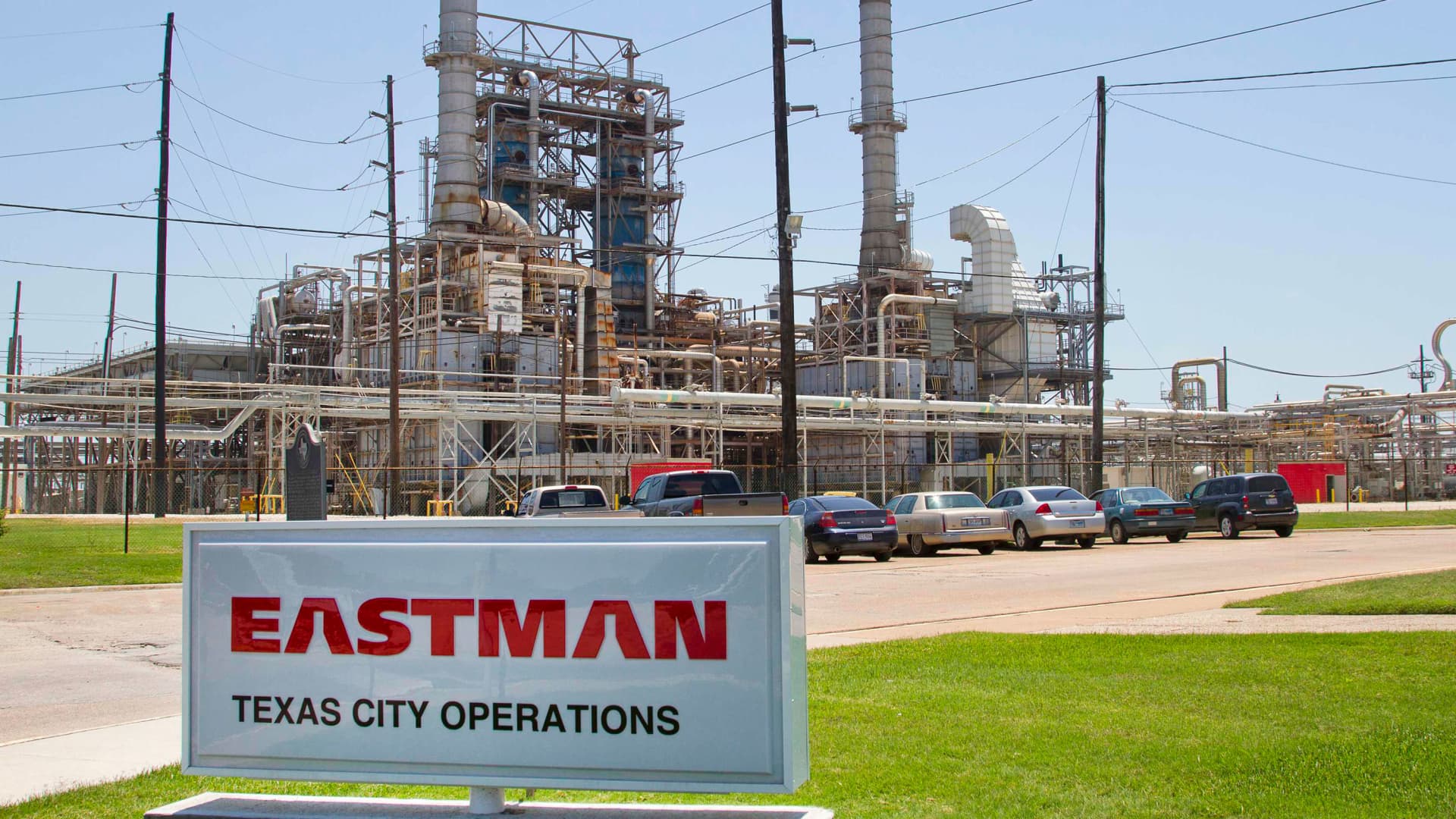
JPMorgan Upgrades Eastman Chemical Amid Commodity Price Surge

- Stock Volatility: Eastman Chemical's shares have fallen 2% since the onset of the U.S.-Iran war, which JPMorgan finds surprising given the potential margin upside as commodity prices rise.
- Rating Upgrade: JPMorgan upgraded Eastman Chemical's stock from neutral to overweight, raising its price target to $80, indicating an 8% potential gain from Monday's close, reflecting optimism about the company's future performance.
- Chemical Price Surge: Analyst Jeffrey Zekauskas noted that prices for key chemicals, ethylene and propylene, have surged due to the Middle East conflict, with Eastman producing 1.1 billion pounds of ethylene and 500 million pounds of propylene annually, positioning the company to benefit significantly.
- Future Earnings Outlook: Despite facing higher input costs, Zekauskas estimates that Eastman will realize net benefits of about $282 million by 2026 from higher product prices, translating to approximately $1.60 per share, indicating strong future profitability potential.
See More

Eastman Chemical Q1 2026 Financial Results Release
- Earnings Release Timing: Eastman Chemical will release its financial results for Q1 2026 on April 30 at 4:15 p.m. Eastern Time, ensuring timely access to financial information for investors through its website and SEC filings.
- Live Webcast Arrangement: The company plans to host a live webcast and teleconference on May 1 at 8:00 a.m. Eastern Time, providing an interactive platform to enhance investor engagement and promote transparency.
- Pre-Registration Convenience: To streamline the connection process for the teleconference, Eastman Chemical offers a pre-registration link, allowing participants to receive unique dial-in information via email, aimed at simplifying the participation process and enhancing user experience.
- Replay Services: Following the earnings release, Eastman Chemical will provide a replay of the webcast and downloadable MP3 format, ensuring that investors who cannot participate live can access key information, further enhancing information accessibility.
See More

Putnam PanAgora ESG ETF Sees Major Unit Outflow

- Unit Outflow Situation: The Putnam PanAgora ESG International Equity ETF experienced an outflow of 125,000 units this week, representing a 35.7% decline compared to the previous week, indicating a significant drop in investor confidence that could impact future inflows and market performance.
- Market Performance Volatility: In morning trading, ASML Holding's stock fell approximately 2.2%, while Barclays rose about 0.4%, reflecting varied market reactions to different stocks, which may affect the overall performance of the ETF and the stability of its portfolio.
- Investor Sentiment Shift: The significant outflow may lead investors to question the effectiveness of ESG investment strategies, prompting fund management to reassess their investment approaches to restore investor confidence.
- Industry Impact Assessment: This outflow could have a ripple effect across the ESG investment sector, prompting other fund managers to focus on liquidity management and investor relations to address challenges posed by market fluctuations.
See More

Rising Petrochemical Prices Have Widespread Impact

- Plastic Price Surge: Stanislav Krykun, CEO of DST-Pack, reports a 15% price increase from Chinese plastic suppliers due to rising raw material costs and market uncertainty, which is expected to lead to higher packaging costs that will ultimately affect consumer prices.
- Holiday Product Cost Reevaluation: Krykun notes that with increasing orders for the 2026 Christmas season, costs for packaging projects have been recalculated, particularly as the rising prices of molded plastic trays will directly impact clients' production budgets.
- Petrochemical Supply Shock: Atsi Sheth, chief credit officer at Moody's, highlights that the petrochemical industry is facing a supply shock, with oversupply and insufficient demand leading to downgrades for producers, which is expected to exacerbate consumer price inflation, particularly affecting lower-income groups.
- Long-Term Market Uncertainty: Peter Swartz, chief science officer at supply chain analytics firm Altana, states that the market is pricing in uncertainty, and long-term price increases are expected to become the norm, prompting businesses to invest in diversification to tackle future challenges.
See More
Analysis of NDIV ETF's Dual Income Strategy
- Dual Income Sources: The NDIV ETF targets over 10% annualized total income by combining high-dividend energy and natural resource stocks with covered call options, appealing to investors seeking commodity exposure without sacrificing yield.
- Distribution History Volatility: Monthly distributions ranged from $0.11 to $0.17 in 2024 and 2025, while February and March 2026 saw spikes to $0.27 and $0.30, reflecting income fluctuations directly tied to energy market volatility.
- Commodity Volatility Dependency: NDIV's income is contingent on market volatility; while the covered call strategy enhances income during high volatility, it also introduces uncertainty regarding dividends from holdings like Petrobras and LyondellBasell.
- Price Performance and Yield: NDIV shares have appreciated approximately 34% year-to-date and about 44% over the past year, indicating that investors have captured significant capital gains alongside income, with a current dividend yield near 5%.
See More
Latest Rating Changes on Wall Street
- Infleqtion Coverage Initiation: Citigroup initiates coverage of quantum computing firm Infleqtion with a Buy/High Risk rating and a $20 price target, highlighting its uniqueness in the quantum computing sector, which may attract investor interest.
- SAP Downgrade: Piper Sandler downgrades SAP from Overweight to Neutral, citing challenges in the macroeconomic environment and anticipating lower valuation multiples as the software industry transitions from SaaS to AI.
- Positive Catalysts for Alphabet: Citigroup adds a 90-day Catalyst Watch on Alphabet, expecting upcoming product updates during events like Google Cloud Next and YouTube Brandcast to drive stock price appreciation.
- Biogen Upgrade: Piper Sandler upgrades Biogen from Neutral to Overweight, raising the price target from $177 to $214, reflecting confidence in its growth potential moving forward.
See More
JPMorgan Upgrades Eastman Chemical Amid Commodity Price Surge
- Stock Volatility: Eastman Chemical's shares have fallen 2% since the onset of the U.S.-Iran war, which JPMorgan finds surprising given the potential margin upside as commodity prices rise.
- Rating Upgrade: JPMorgan upgraded Eastman Chemical's stock from neutral to overweight, raising its price target to $80, indicating an 8% potential gain from Monday's close, reflecting optimism about the company's future performance.
- Chemical Price Surge: Analyst Jeffrey Zekauskas noted that prices for key chemicals, ethylene and propylene, have surged due to the Middle East conflict, with Eastman producing 1.1 billion pounds of ethylene and 500 million pounds of propylene annually, positioning the company to benefit significantly.
- Future Earnings Outlook: Despite facing higher input costs, Zekauskas estimates that Eastman will realize net benefits of about $282 million by 2026 from higher product prices, translating to approximately $1.60 per share, indicating strong future profitability potential.
See More
Eastman Chemical Q1 2026 Financial Results Release
- Earnings Release Timing: Eastman Chemical will release its financial results for Q1 2026 on April 30 at 4:15 p.m. Eastern Time, ensuring timely access to financial information for investors through its website and SEC filings.
- Live Webcast Arrangement: The company plans to host a live webcast and teleconference on May 1 at 8:00 a.m. Eastern Time, providing an interactive platform to enhance investor engagement and promote transparency.
- Pre-Registration Convenience: To streamline the connection process for the teleconference, Eastman Chemical offers a pre-registration link, allowing participants to receive unique dial-in information via email, aimed at simplifying the participation process and enhancing user experience.
- Replay Services: Following the earnings release, Eastman Chemical will provide a replay of the webcast and downloadable MP3 format, ensuring that investors who cannot participate live can access key information, further enhancing information accessibility.
See More
Putnam PanAgora ESG ETF Sees Major Unit Outflow
- Unit Outflow Situation: The Putnam PanAgora ESG International Equity ETF experienced an outflow of 125,000 units this week, representing a 35.7% decline compared to the previous week, indicating a significant drop in investor confidence that could impact future inflows and market performance.
- Market Performance Volatility: In morning trading, ASML Holding's stock fell approximately 2.2%, while Barclays rose about 0.4%, reflecting varied market reactions to different stocks, which may affect the overall performance of the ETF and the stability of its portfolio.
- Investor Sentiment Shift: The significant outflow may lead investors to question the effectiveness of ESG investment strategies, prompting fund management to reassess their investment approaches to restore investor confidence.
- Industry Impact Assessment: This outflow could have a ripple effect across the ESG investment sector, prompting other fund managers to focus on liquidity management and investor relations to address challenges posed by market fluctuations.
See More
Rising Petrochemical Prices Have Widespread Impact
- Plastic Price Surge: Stanislav Krykun, CEO of DST-Pack, reports a 15% price increase from Chinese plastic suppliers due to rising raw material costs and market uncertainty, which is expected to lead to higher packaging costs that will ultimately affect consumer prices.
- Holiday Product Cost Reevaluation: Krykun notes that with increasing orders for the 2026 Christmas season, costs for packaging projects have been recalculated, particularly as the rising prices of molded plastic trays will directly impact clients' production budgets.
- Petrochemical Supply Shock: Atsi Sheth, chief credit officer at Moody's, highlights that the petrochemical industry is facing a supply shock, with oversupply and insufficient demand leading to downgrades for producers, which is expected to exacerbate consumer price inflation, particularly affecting lower-income groups.
- Long-Term Market Uncertainty: Peter Swartz, chief science officer at supply chain analytics firm Altana, states that the market is pricing in uncertainty, and long-term price increases are expected to become the norm, prompting businesses to invest in diversification to tackle future challenges.
See More