Earnings Report Ahead of Market Opening for August 28, 2025: TD, CM, DG, BURL, HRL, BBY, DKS, OLLI, BBWI, VSCO, LUCK, BBW


Earnings Reports Overview: Several companies, including Toronto Dominion Bank, Canadian Imperial Bank of Commerce, and Dollar General Corporation, are set to report their earnings on August 28, 2025, with varying forecasts from analysts.
Toronto Dominion Bank (TD): Expected earnings per share (EPS) is $1.46, a decrease of 2.67% from last year, with a Price to Earnings (P/E) ratio of 13.04, indicating higher growth potential than industry competitors.
Canadian Imperial Bank of Commerce (CM): Forecasted EPS is $1.43, reflecting a 1.42% increase year-over-year, and has consistently beaten expectations in the past year, with a P/E ratio of 12.47.
Dollar General Corporation (DG): Anticipated EPS is $1.56, showing an 8.24% decline compared to last year, while its P/E ratio stands at 19.15, lower than the industry average of 28.10.
Trade with 70% Backtested Accuracy
Analyst Views on DG

About DG
About the author


Nebius Signs $27 Billion AI Deal with Meta Platforms


- Major Partnership Agreement: Nebius has signed a $27 billion AI infrastructure deal with Meta Platforms, ensuring that Meta secures sufficient computing power over the next five years to support its AI model development, showcasing Nebius's strong competitive position in the AI cloud computing sector.
- Market Validation: The deal's value exceeds Nebius's previous company valuation, marking a significant recognition of its status as an emerging cloud provider and proving the viability of its business model, which attracts increased investor interest.
- Technological Investment: Nebius will provide Meta with $12 billion worth of computing capacity using Nvidia's latest Vera Rubin chips, a technological choice that will significantly enhance Meta's competitiveness in the AI space, ensuring it stays ahead in technological advancements.
- Strategic Expansion: This agreement not only deepens the collaboration between Nebius and Meta but also complements other significant investments from Nvidia and Microsoft, further solidifying Nebius's critical role in the global AI infrastructure market.

Nebius Signs Major AI Deal with Meta Platforms
- AI Infrastructure Partnership: Dutch company Nebius has signed a significant AI infrastructure deal worth up to $27 billion with Meta Platforms, ensuring Meta has sufficient computing power for its AI model development over the next five years, highlighting Meta's ambitions in the AI space.
- Market Validation: The contract's value exceeds Nebius's valuation from the previous day, solidifying its position as an emerging cloud service provider and demonstrating the viability of its business model, attracting more investor interest.
- Technological Investment: Meta will utilize Nvidia's latest Vera Rubin chips, expected to provide $12 billion worth of computing capacity starting in 2027, which not only enhances Meta's technological capabilities but also presents significant revenue growth potential for Nebius.
- Retail Performance Highlights: Dollar Tree reported $5.5 billion in revenue for Q4 2025, a 9% year-over-year increase, successfully attracting more consumers by introducing higher-priced items (such as $3, $5, and $7), demonstrating its resilience during economic uncertainty.
Dollar General Reduces Product Assortment to Enhance Efficiency

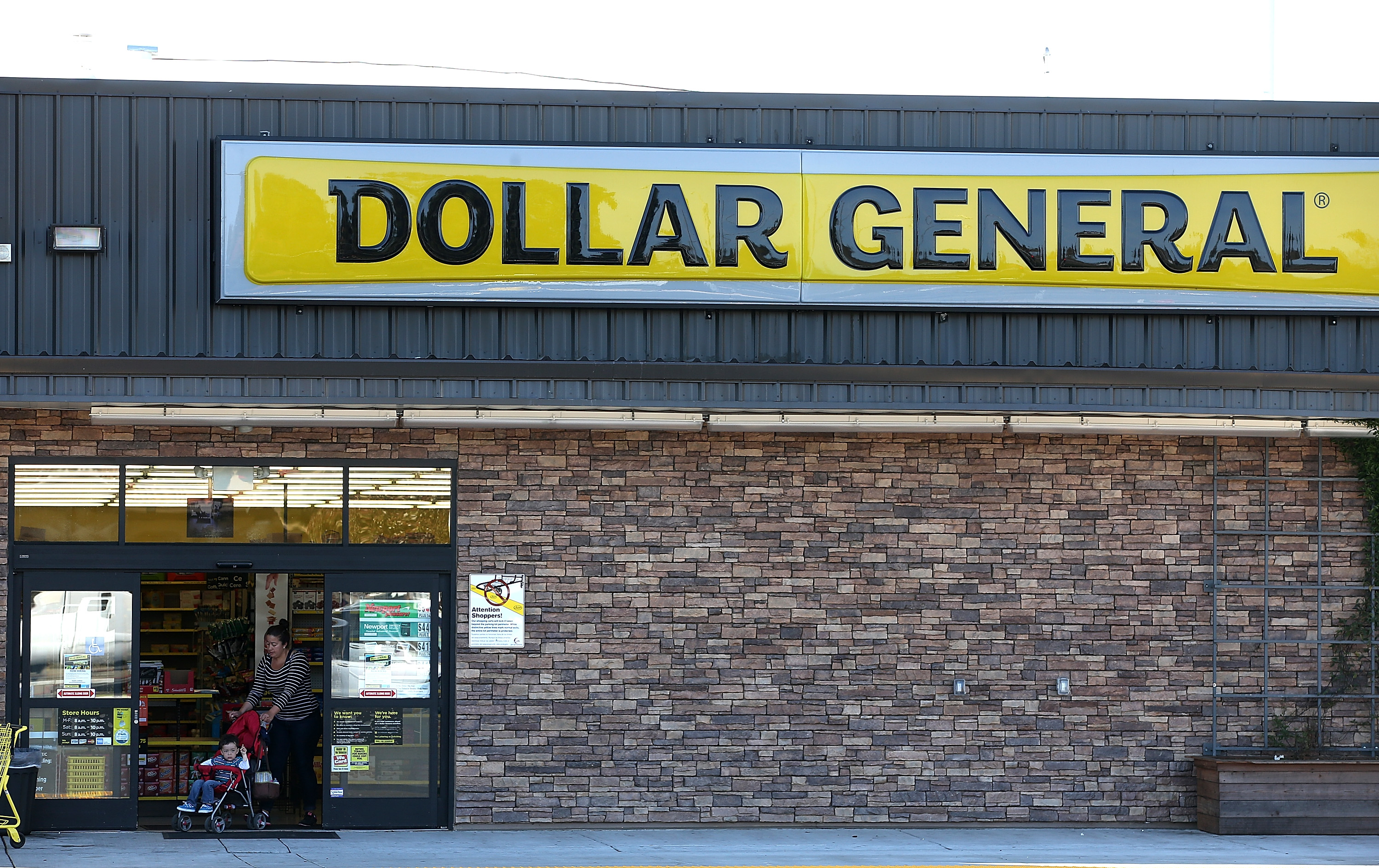
- SKU Reduction Strategy: Dollar General has eliminated over 1,500 SKUs in recent years, aiming to enhance in-stock levels by focusing on faster-selling items, thereby improving supply chain efficiency and in-store conditions.
- Future Plans: COO Emily Taylor indicated that the SKU reduction initiative will extend into 2026, suggesting a commitment to further streamline operations and improve margins, reflecting the company's strategic focus on optimizing its product mix.
- Market Reaction: Despite the SKU reduction strategy, Dollar General's shares fell 0.8% in late morning trading to $118.32, indicating market caution regarding the long-term effectiveness of its strategic initiatives.
- Business Impact: By reducing SKUs, Dollar General not only enhances inventory management but may also strengthen its market position in a competitive retail landscape, particularly amid weak consumer spending trends.

Teachers' Union Calls for Target Boycott

- Boycott Initiated: The American Federation of Teachers (AFT) passed a resolution urging its 1.8 million members to boycott Target for back-to-school shopping due to the company's inadequate response to federal immigration enforcement in Minneapolis, potentially increasing pressure on Target during a critical sales season.
- Sales Decline Trend: Target has experienced declining annual sales for three consecutive years; despite new CEO Michael Fiddelkelaid outlining an ambitious plan with an expected 2% net sales growth this fiscal year, the boycott could hinder efforts to regain customer trust.
- Community Response: While Target is working to rebuild relationships with the Black community and has ended the “Target Fast” boycott, the AFT's call for a boycott may still negatively impact its brand image, particularly among educators.
- Strategic Adjustments: Fiddelke emphasized that Target is implementing price cuts and plans to open its 2,000th store, and despite facing boycott challenges and sales pressures, the company remains committed to enhancing connections and trust with its customers.

Investors Might Be Overreacting to Dollar General's New CEO; Stock Remains a Good Investment.


- Market Reaction: The market reacted negatively to the announcement of Dollar General's new CEO.
- Future Outlook: Despite the initial skepticism, the company is on a positive trajectory, and its shares are currently undervalued.

US Stocks Decline Amid Ongoing Iran Conflict


- Market Performance: On Tuesday, the S&P 500 Index fell by 0.37%, the Dow Jones Industrial Average decreased by 0.18%, and the Nasdaq 100 Index dropped by 0.77%, reflecting investor concerns over the ongoing conflict in Iran and a general decline in market sentiment.
- Oil Price Fluctuations: WTI crude oil prices surged over 4%, reaching elevated levels due to Iran's missile and drone strikes on Israel and US bases, raising fears about energy supply disruptions that could impact global economic recovery.
- Economic Data: Despite market pressures, Q4 nonfarm productivity remained at 1.8%, while unit labor costs were revised up to 4.4%, exceeding expectations, indicating resilience in the economic fundamentals that may provide some support to the stock market.
- International Tensions: Reports of Saudi Arabia and the UAE aligning with the Iran conflict have heightened market anxiety, as investors are closely monitoring the potential for increased US military deployment, which could escalate tensions and affect global market stability.
Nebius Signs $27 Billion AI Deal with Meta Platforms
- Major Partnership Agreement: Nebius has signed a $27 billion AI infrastructure deal with Meta Platforms, ensuring that Meta secures sufficient computing power over the next five years to support its AI model development, showcasing Nebius's strong competitive position in the AI cloud computing sector.
- Market Validation: The deal's value exceeds Nebius's previous company valuation, marking a significant recognition of its status as an emerging cloud provider and proving the viability of its business model, which attracts increased investor interest.
- Technological Investment: Nebius will provide Meta with $12 billion worth of computing capacity using Nvidia's latest Vera Rubin chips, a technological choice that will significantly enhance Meta's competitiveness in the AI space, ensuring it stays ahead in technological advancements.
- Strategic Expansion: This agreement not only deepens the collaboration between Nebius and Meta but also complements other significant investments from Nvidia and Microsoft, further solidifying Nebius's critical role in the global AI infrastructure market.
Nebius Signs Major AI Deal with Meta Platforms
- AI Infrastructure Partnership: Dutch company Nebius has signed a significant AI infrastructure deal worth up to $27 billion with Meta Platforms, ensuring Meta has sufficient computing power for its AI model development over the next five years, highlighting Meta's ambitions in the AI space.
- Market Validation: The contract's value exceeds Nebius's valuation from the previous day, solidifying its position as an emerging cloud service provider and demonstrating the viability of its business model, attracting more investor interest.
- Technological Investment: Meta will utilize Nvidia's latest Vera Rubin chips, expected to provide $12 billion worth of computing capacity starting in 2027, which not only enhances Meta's technological capabilities but also presents significant revenue growth potential for Nebius.
- Retail Performance Highlights: Dollar Tree reported $5.5 billion in revenue for Q4 2025, a 9% year-over-year increase, successfully attracting more consumers by introducing higher-priced items (such as $3, $5, and $7), demonstrating its resilience during economic uncertainty.
Dollar General Reduces Product Assortment to Enhance Efficiency
- SKU Reduction Strategy: Dollar General has eliminated over 1,500 SKUs in recent years, aiming to enhance in-stock levels by focusing on faster-selling items, thereby improving supply chain efficiency and in-store conditions.
- Future Plans: COO Emily Taylor indicated that the SKU reduction initiative will extend into 2026, suggesting a commitment to further streamline operations and improve margins, reflecting the company's strategic focus on optimizing its product mix.
- Market Reaction: Despite the SKU reduction strategy, Dollar General's shares fell 0.8% in late morning trading to $118.32, indicating market caution regarding the long-term effectiveness of its strategic initiatives.
- Business Impact: By reducing SKUs, Dollar General not only enhances inventory management but may also strengthen its market position in a competitive retail landscape, particularly amid weak consumer spending trends.
Teachers' Union Calls for Target Boycott
- Boycott Initiated: The American Federation of Teachers (AFT) passed a resolution urging its 1.8 million members to boycott Target for back-to-school shopping due to the company's inadequate response to federal immigration enforcement in Minneapolis, potentially increasing pressure on Target during a critical sales season.
- Sales Decline Trend: Target has experienced declining annual sales for three consecutive years; despite new CEO Michael Fiddelkelaid outlining an ambitious plan with an expected 2% net sales growth this fiscal year, the boycott could hinder efforts to regain customer trust.
- Community Response: While Target is working to rebuild relationships with the Black community and has ended the “Target Fast” boycott, the AFT's call for a boycott may still negatively impact its brand image, particularly among educators.
- Strategic Adjustments: Fiddelke emphasized that Target is implementing price cuts and plans to open its 2,000th store, and despite facing boycott challenges and sales pressures, the company remains committed to enhancing connections and trust with its customers.
Investors Might Be Overreacting to Dollar General's New CEO; Stock Remains a Good Investment.
- Market Reaction: The market reacted negatively to the announcement of Dollar General's new CEO.
- Future Outlook: Despite the initial skepticism, the company is on a positive trajectory, and its shares are currently undervalued.
US Stocks Decline Amid Ongoing Iran Conflict
- Market Performance: On Tuesday, the S&P 500 Index fell by 0.37%, the Dow Jones Industrial Average decreased by 0.18%, and the Nasdaq 100 Index dropped by 0.77%, reflecting investor concerns over the ongoing conflict in Iran and a general decline in market sentiment.
- Oil Price Fluctuations: WTI crude oil prices surged over 4%, reaching elevated levels due to Iran's missile and drone strikes on Israel and US bases, raising fears about energy supply disruptions that could impact global economic recovery.
- Economic Data: Despite market pressures, Q4 nonfarm productivity remained at 1.8%, while unit labor costs were revised up to 4.4%, exceeding expectations, indicating resilience in the economic fundamentals that may provide some support to the stock market.
- International Tensions: Reports of Saudi Arabia and the UAE aligning with the Iran conflict have heightened market anxiety, as investors are closely monitoring the potential for increased US military deployment, which could escalate tensions and affect global market stability.