Druckenmiller Reduces Stakes in Pharma and Semiconductor Stocks
Written by Emily J. Thompson, Senior Investment Analyst
Updated: 6 days ago
0mins

Should l Buy TSM?
Source: NASDAQ.COM
- Pharmaceutical Stake Reduction: Druckenmiller cut his stake in Teva Pharmaceuticals by 10,719,065 shares, a 65% reduction, reflecting a profit-taking strategy after significant stock appreciation, indicating a cautious outlook on the pharmaceutical sector's future.
- Semiconductor Stake Cut: He also reduced his position in Taiwan Semiconductor by 222,000 shares, a 29% decrease, likely due to concerns over the stock's overheated performance amid the AI revolution, showcasing his sensitivity to market fluctuations.
- ETF Investment Increase: Druckenmiller purchased 5,495,600 shares of the State Street Financial Select Sector SPDR ETF, making it the fund's second-largest holding, signaling optimism about the U.S. economic recovery, particularly as rising interest rates could enhance financial sector profitability.
- Portfolio Dynamics: With an average holding period of 7.5 months for securities in his portfolio, Druckenmiller demonstrates a flexible investment strategy and rapid responsiveness to market changes, suggesting a keen awareness of future market trends.
Trade with 70% Backtested Accuracy
Stop guessing "Should I Buy TSM?" and start using high-conviction signals backed by rigorous historical data.
Sign up today to access powerful investing tools and make smarter, data-driven decisions.
Analyst Views on TSM
Wall Street analysts forecast TSM stock price to fall
8 Analyst Rating
7 Buy
1 Hold
0 Sell
Strong Buy
Current: 348.700

Low
63.24
Averages
313.46
High
390.00
Current: 348.700
Low
63.24
Averages
313.46
High
390.00
About TSM
Taiwan Semiconductor Manufacturing Co Ltd is a Taiwan-based integrated circuit foundry service provider. The Company is primarily engaged in integrated circuit manufacturing services. It offers advanced process technologies, specialised process solutions, advanced photomask and silicon stacking, and packaging-related technologies, while supporting a comprehensive design ecosystem. The Company's products serve diverse electronic sectors including artificial intelligence, high-performance computing, wired and wireless communications, automotive and industrial equipment, personal computing, information applications, consumer electronics, smart internet of things, and wearable devices.
About the author

Emily J. Thompson
Emily J. Thompson, a Chartered Financial Analyst (CFA) with 12 years in investment research, graduated with honors from the Wharton School. Specializing in industrial and technology stocks, she provides in-depth analysis for Intellectia’s earnings and market brief reports.

TSMC Reports 30% Revenue Growth for Jan-Feb 2026

- Significant Revenue Growth: TSMC reported combined revenue of NT$718.91 billion for January-February 2026, reflecting a robust 30% year-over-year increase, driven by sustained global investment in AI technologies, reinforcing its leadership in the semiconductor industry.
- February Revenue Fluctuation: February revenue stood at NT$317.66 billion, down 20.8% from January, yet still up 22.2% year-over-year, indicating strong demand for high-performance chips and the company's strategic adjustments to navigate market volatility.
- Dividend and Investment Plans: TSMC approved a quarterly dividend of NT$6.0 per share in February and allocated $45 billion for fab construction and capacity upgrades in advanced front-end and specialty technologies, demonstrating confidence in future growth and commitment to ongoing investments.
- Monitoring Geopolitical Risks: TSMC stated that it does not expect significant impacts from the U.S.-Israel-Iran conflict, while closely monitoring the situation to ensure supply chain stability and market competitiveness, showcasing its adaptability in a complex international environment.
See More
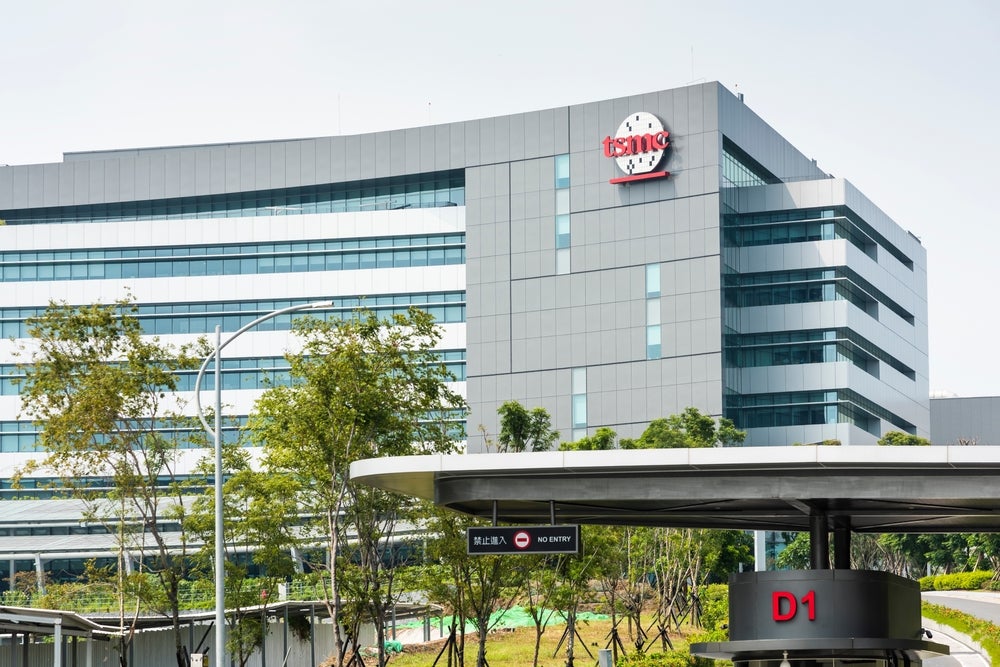
TSMC Expands Workforce Amid Global Chip Demand
- Hiring Initiative: TSMC plans to hire approximately 8,000 employees this year, offering an average annual salary of 2.2 million New Taiwan dollars (about $69,449), demonstrating the company's confidence in future market demand amid global chip shortages.
- Diverse Talent Acquisition: The recruitment drive targets multiple fields including electrical engineering, materials science, mechanical engineering, business management, and accounting, while also focusing on specialists in AI, big data, and digital transformation technologies to enhance its technical capabilities.
- Political Controversy: TSMC's investments in the U.S. have sparked debate in Taiwan, with some politicians arguing that this could weaken Taiwan's semiconductor industry, although analysts suggest that Taiwan's global chip dominance remains intact, highlighting political reactions amid economic anxieties.
- Stock Performance: TSMC shares fell 1.02% to $335.43 in premarket trading on Monday, reflecting market concerns over the semiconductor sector despite the company's strong fundamentals and expansion plans.
See More

Surge in AI Infrastructure Investment for 2026


- Market Investment Trend: In 2026, the five largest hyperscalers are expected to invest $700 billion in AI infrastructure, which will benefit several companies in the semiconductor industry, particularly those linked to AI technologies.
- Nvidia's Market Leadership: Nvidia (NVDA) reported a 73% year-over-year growth in its recent Q4 results, demonstrating strong demand for its graphics processing units (GPUs), which solidifies its dominant position in the AI infrastructure space.
- AMD's Growth Potential: While trailing Nvidia in the GPU market, Advanced Micro Devices (AMD) has carved out a niche in the inference market and secured large GPU commitments from OpenAI and Meta, with data center CPU demand expected to surge due to the rise of agentic AI.
- TSMC's Technological Edge: Taiwan Semiconductor Manufacturing (TSM) benefits from skyrocketing demand for GPUs, AI ASICs, and CPUs, and its technological superiority in chip manufacturing and packaging has led to a near-monopoly position, setting the stage for robust growth in the coming years.
See More

Hims & Hers Shares Rise, BioNTech Crashes Amid Leadership Changes


- Hims & Hers Stock Surge: Shares of Hims & Hers rose 3% after Bank of America upgraded the stock from underperform to neutral, indicating market optimism about its potential to sell Novo's Ozempic and Wegovy drugs on its platform.
- BioNTech Shares Plummet: BioNTech's stock crashed over 20% following the announcement of its co-founders' departure to establish an independent company, alongside a reported fourth-quarter net loss of €305 million, highlighting deteriorating financial conditions.
- SolarEdge Stock Rises: Following Bank of America's upgrade to neutral, SolarEdge shares surged nearly 10%, reflecting increased market confidence in its improved margin trajectory, revenue stability, and liquidity.
- United Natural Foods Lowers Guidance: The grocery distributor reported second-quarter revenue of $7.95 billion, missing the $8.11 billion expected, and lowered its full-year revenue guidance to $31 billion to $31.4 billion, indicating ongoing market challenges.
See More

TSMC Shares Decline Despite Robust Revenue Increase Amid Investor Concerns Over Energy Risks


- Revenue Report: TSMC reported a net revenue of 317.66 billion New Taiwan dollars ($9.98 billion) for February.
- Year-over-Year Growth: This figure represents a 22% increase compared to the same month last year.
- Month-over-Month Decline: However, it shows a 21% decrease from January's revenue.
- Financial Performance Context: The revenue fluctuations highlight the volatility in the semiconductor market.
See More

Kohl's Q4 Revenue Misses Expectations, Casey's Revenue Declines


- Kohl's Earnings Miss: Kohl's reported Q4 revenue of $4.97 billion, falling short of LSEG's $5.03 billion estimate, leading to a 9% drop in stock price, although earnings per share of $1.07 exceeded expectations of 85 cents, indicating relative profitability strength.
- Casey's Revenue Decline: Casey's General Stores reported Q3 revenue of $3.92 billion, missing FactSet's $4.04 billion consensus, resulting in a 2.6% stock price drop, despite exceeding earnings expectations, reflecting market concerns over sales growth.
- TSMC Sales Growth: Taiwan Semiconductor reported a 30% increase in sales over the first two months of the year, with shares rising about 1% in premarket trading, reflecting market optimism about its sustained growth potential despite a complex overall market environment.
- Vail Resorts Underperformance: Vail Resorts reported earnings of $5.87 per share on $1.08 billion in revenue, both below analyst expectations of $6.10 and $1.11 billion, leading to a 1.1% stock decline, while the company lowered guidance due to challenging weather conditions, highlighting operational challenges.
See More
TSMC Reports 30% Revenue Growth for Jan-Feb 2026
- Significant Revenue Growth: TSMC reported combined revenue of NT$718.91 billion for January-February 2026, reflecting a robust 30% year-over-year increase, driven by sustained global investment in AI technologies, reinforcing its leadership in the semiconductor industry.
- February Revenue Fluctuation: February revenue stood at NT$317.66 billion, down 20.8% from January, yet still up 22.2% year-over-year, indicating strong demand for high-performance chips and the company's strategic adjustments to navigate market volatility.
- Dividend and Investment Plans: TSMC approved a quarterly dividend of NT$6.0 per share in February and allocated $45 billion for fab construction and capacity upgrades in advanced front-end and specialty technologies, demonstrating confidence in future growth and commitment to ongoing investments.
- Monitoring Geopolitical Risks: TSMC stated that it does not expect significant impacts from the U.S.-Israel-Iran conflict, while closely monitoring the situation to ensure supply chain stability and market competitiveness, showcasing its adaptability in a complex international environment.
See More
TSMC Expands Workforce Amid Global Chip Demand
- Hiring Initiative: TSMC plans to hire approximately 8,000 employees this year, offering an average annual salary of 2.2 million New Taiwan dollars (about $69,449), demonstrating the company's confidence in future market demand amid global chip shortages.
- Diverse Talent Acquisition: The recruitment drive targets multiple fields including electrical engineering, materials science, mechanical engineering, business management, and accounting, while also focusing on specialists in AI, big data, and digital transformation technologies to enhance its technical capabilities.
- Political Controversy: TSMC's investments in the U.S. have sparked debate in Taiwan, with some politicians arguing that this could weaken Taiwan's semiconductor industry, although analysts suggest that Taiwan's global chip dominance remains intact, highlighting political reactions amid economic anxieties.
- Stock Performance: TSMC shares fell 1.02% to $335.43 in premarket trading on Monday, reflecting market concerns over the semiconductor sector despite the company's strong fundamentals and expansion plans.
See More
Surge in AI Infrastructure Investment for 2026
- Market Investment Trend: In 2026, the five largest hyperscalers are expected to invest $700 billion in AI infrastructure, which will benefit several companies in the semiconductor industry, particularly those linked to AI technologies.
- Nvidia's Market Leadership: Nvidia (NVDA) reported a 73% year-over-year growth in its recent Q4 results, demonstrating strong demand for its graphics processing units (GPUs), which solidifies its dominant position in the AI infrastructure space.
- AMD's Growth Potential: While trailing Nvidia in the GPU market, Advanced Micro Devices (AMD) has carved out a niche in the inference market and secured large GPU commitments from OpenAI and Meta, with data center CPU demand expected to surge due to the rise of agentic AI.
- TSMC's Technological Edge: Taiwan Semiconductor Manufacturing (TSM) benefits from skyrocketing demand for GPUs, AI ASICs, and CPUs, and its technological superiority in chip manufacturing and packaging has led to a near-monopoly position, setting the stage for robust growth in the coming years.
See More
Hims & Hers Shares Rise, BioNTech Crashes Amid Leadership Changes
- Hims & Hers Stock Surge: Shares of Hims & Hers rose 3% after Bank of America upgraded the stock from underperform to neutral, indicating market optimism about its potential to sell Novo's Ozempic and Wegovy drugs on its platform.
- BioNTech Shares Plummet: BioNTech's stock crashed over 20% following the announcement of its co-founders' departure to establish an independent company, alongside a reported fourth-quarter net loss of €305 million, highlighting deteriorating financial conditions.
- SolarEdge Stock Rises: Following Bank of America's upgrade to neutral, SolarEdge shares surged nearly 10%, reflecting increased market confidence in its improved margin trajectory, revenue stability, and liquidity.
- United Natural Foods Lowers Guidance: The grocery distributor reported second-quarter revenue of $7.95 billion, missing the $8.11 billion expected, and lowered its full-year revenue guidance to $31 billion to $31.4 billion, indicating ongoing market challenges.
See More
TSMC Shares Decline Despite Robust Revenue Increase Amid Investor Concerns Over Energy Risks
- Revenue Report: TSMC reported a net revenue of 317.66 billion New Taiwan dollars ($9.98 billion) for February.
- Year-over-Year Growth: This figure represents a 22% increase compared to the same month last year.
- Month-over-Month Decline: However, it shows a 21% decrease from January's revenue.
- Financial Performance Context: The revenue fluctuations highlight the volatility in the semiconductor market.
See More
Kohl's Q4 Revenue Misses Expectations, Casey's Revenue Declines
- Kohl's Earnings Miss: Kohl's reported Q4 revenue of $4.97 billion, falling short of LSEG's $5.03 billion estimate, leading to a 9% drop in stock price, although earnings per share of $1.07 exceeded expectations of 85 cents, indicating relative profitability strength.
- Casey's Revenue Decline: Casey's General Stores reported Q3 revenue of $3.92 billion, missing FactSet's $4.04 billion consensus, resulting in a 2.6% stock price drop, despite exceeding earnings expectations, reflecting market concerns over sales growth.
- TSMC Sales Growth: Taiwan Semiconductor reported a 30% increase in sales over the first two months of the year, with shares rising about 1% in premarket trading, reflecting market optimism about its sustained growth potential despite a complex overall market environment.
- Vail Resorts Underperformance: Vail Resorts reported earnings of $5.87 per share on $1.08 billion in revenue, both below analyst expectations of $6.10 and $1.11 billion, leading to a 1.1% stock decline, while the company lowered guidance due to challenging weather conditions, highlighting operational challenges.
See More