Dollar General Appoints New CEO Effective January 2027
Written by Emily J. Thompson, Senior Investment Analyst
Updated: 5 days ago
0mins
Should l Buy DG?
Source: seekingalpha
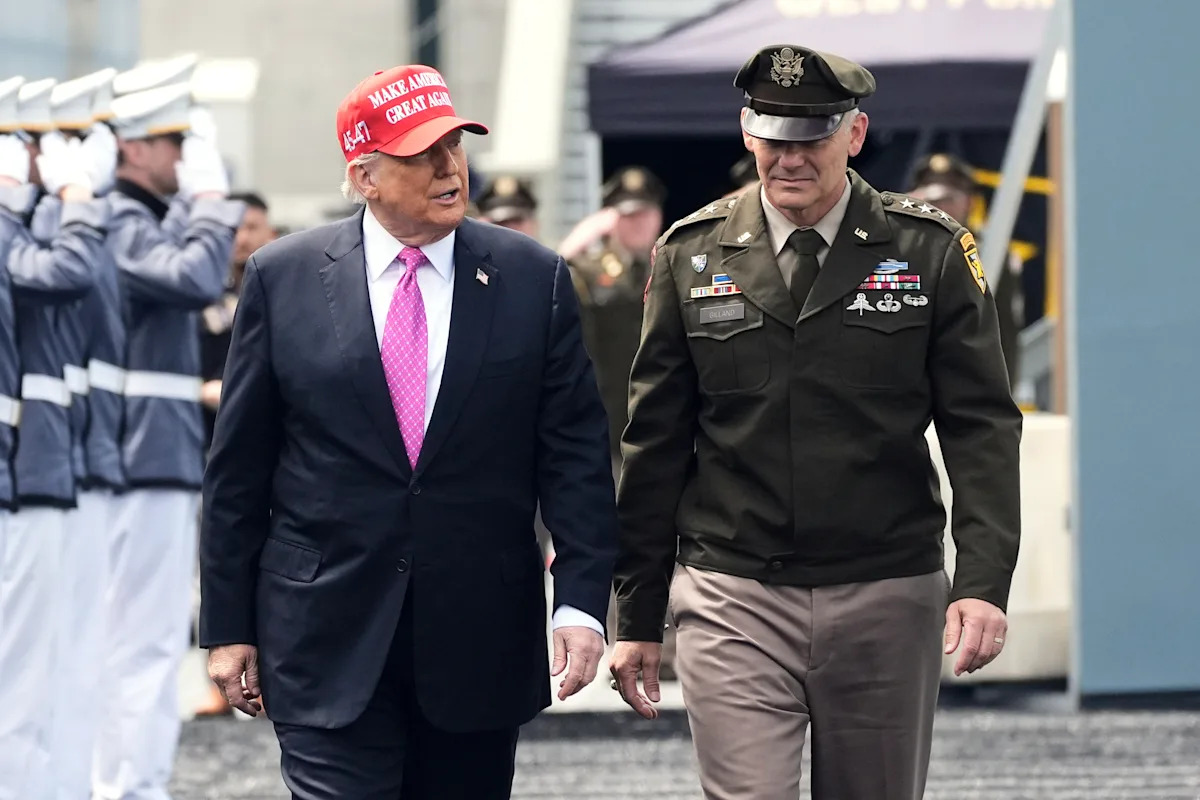
- Leadership Transition: Dollar General has appointed Jerry W. Fleeman Jr. as CEO effective January 1, 2027, succeeding Todd Vasos, who will remain in his role until the transition and then serve as a senior advisor until April 2, 2027, indicating the company's commitment to leadership stability.
- Experienced Successor: Fleeman brings over 35 years of grocery retail experience, most recently as CEO of Ahold Delhaize USA, and this appointment is expected to infuse Dollar General with new strategic insights and enhance its competitive edge in the market.
- Positive Stock Reaction: Following the announcement, Dollar General's shares rose 1.5% in premarket trading, reflecting market confidence in the new leadership and potentially driving future performance improvements for the company.
- Board Changes: Fleeman is expected to be appointed to the board of directors at the time of his CEO transition, ensuring close collaboration between the leadership and the board to advance the company's long-term strategic objectives.
Trade with 70% Backtested Accuracy
Stop guessing "Should I Buy DG?" and start using high-conviction signals backed by rigorous historical data.
Sign up today to access powerful investing tools and make smarter, data-driven decisions.
Analyst Views on DG
Wall Street analysts forecast DG stock price to rise
16 Analyst Rating
9 Buy
7 Hold
0 Sell
Moderate Buy
Current: 119.230

Low
125.00
Averages
147.00
High
170.00
Current: 119.230
Low
125.00
Averages
147.00
High
170.00
About DG
Dollar General Corporation is a discount retailer. The Company offers merchandise, including consumable items, seasonal items, home products and apparel. Its merchandise includes brands from manufacturers, as well as its own private brand selections with prices at discounts to brands. Its consumables category includes paper and cleaning products, packaged food, perishables, snacks, health and beauty, pet, and tobacco products. Its seasonal products include holiday items, toys, batteries, small electronics, greeting cards, stationery, prepaid phones and accessories, gardening supplies, hardware, automotive and home office supplies. Its home products include kitchen supplies, cookware, small appliances, light bulbs, storage containers, frames, candles, craft supplies and kitchen, bed and bath soft goods. The Company’s apparel products include basic items for infants, toddlers, girls, boys, women and men, as well as socks, underwear, disposable diapers, shoes and accessories.
About the author

Emily J. Thompson
Emily J. Thompson, a Chartered Financial Analyst (CFA) with 12 years in investment research, graduated with honors from the Wharton School. Specializing in industrial and technology stocks, she provides in-depth analysis for Intellectia’s earnings and market brief reports.
Dollar General Reduces Product Assortment to Enhance Efficiency

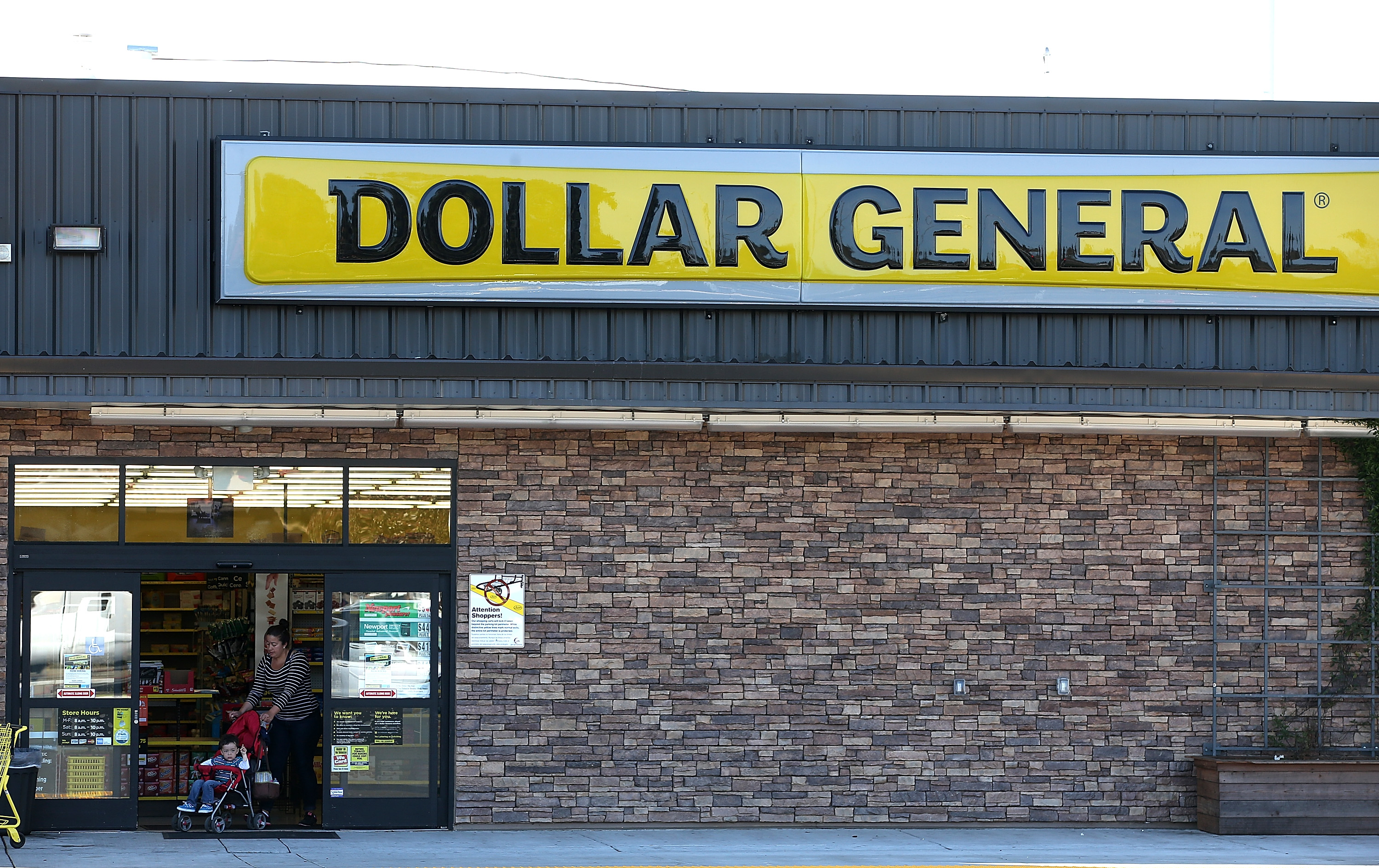
- SKU Reduction Strategy: Dollar General has eliminated over 1,500 SKUs in recent years, aiming to enhance in-stock levels by focusing on faster-selling items, thereby improving supply chain efficiency and in-store conditions.
- Future Plans: COO Emily Taylor indicated that the SKU reduction initiative will extend into 2026, suggesting a commitment to further streamline operations and improve margins, reflecting the company's strategic focus on optimizing its product mix.
- Market Reaction: Despite the SKU reduction strategy, Dollar General's shares fell 0.8% in late morning trading to $118.32, indicating market caution regarding the long-term effectiveness of its strategic initiatives.
- Business Impact: By reducing SKUs, Dollar General not only enhances inventory management but may also strengthen its market position in a competitive retail landscape, particularly amid weak consumer spending trends.
See More

Teachers' Union Calls for Target Boycott


- Boycott Initiated: The American Federation of Teachers (AFT) passed a resolution urging its 1.8 million members to boycott Target for back-to-school shopping due to the company's inadequate response to federal immigration enforcement in Minneapolis, potentially increasing pressure on Target during a critical sales season.
- Sales Decline Trend: Target has experienced declining annual sales for three consecutive years; despite new CEO Michael Fiddelkelaid outlining an ambitious plan with an expected 2% net sales growth this fiscal year, the boycott could hinder efforts to regain customer trust.
- Community Response: While Target is working to rebuild relationships with the Black community and has ended the “Target Fast” boycott, the AFT's call for a boycott may still negatively impact its brand image, particularly among educators.
- Strategic Adjustments: Fiddelke emphasized that Target is implementing price cuts and plans to open its 2,000th store, and despite facing boycott challenges and sales pressures, the company remains committed to enhancing connections and trust with its customers.
See More
Investors Might Be Overreacting to Dollar General's New CEO; Stock Remains a Good Investment.


- Market Reaction: The market reacted negatively to the announcement of Dollar General's new CEO.
- Future Outlook: Despite the initial skepticism, the company is on a positive trajectory, and its shares are currently undervalued.
See More

US Stocks Decline Amid Ongoing Iran Conflict


- Market Performance: On Tuesday, the S&P 500 Index fell by 0.37%, the Dow Jones Industrial Average decreased by 0.18%, and the Nasdaq 100 Index dropped by 0.77%, reflecting investor concerns over the ongoing conflict in Iran and a general decline in market sentiment.
- Oil Price Fluctuations: WTI crude oil prices surged over 4%, reaching elevated levels due to Iran's missile and drone strikes on Israel and US bases, raising fears about energy supply disruptions that could impact global economic recovery.
- Economic Data: Despite market pressures, Q4 nonfarm productivity remained at 1.8%, while unit labor costs were revised up to 4.4%, exceeding expectations, indicating resilience in the economic fundamentals that may provide some support to the stock market.
- International Tensions: Reports of Saudi Arabia and the UAE aligning with the Iran conflict have heightened market anxiety, as investors are closely monitoring the potential for increased US military deployment, which could escalate tensions and affect global market stability.
See More
US Stocks Decline Amid Ongoing Iran Conflict

- Market Movement: The S&P 500 Index is down 0.16%, while the Dow Jones Industrial Average is up 0.13%, and the Nasdaq 100 Index has decreased by 0.50%, reflecting investor concerns over the ongoing Iran conflict, which is dampening market sentiment.
- Rising Energy Prices: WTI crude oil prices have surged over 4% due to Iran's missile strikes on Israel and US bases, which not only limits stock market declines but also raises inflation expectations, potentially influencing future monetary policy decisions.
- Economic Data Performance: The US Q4 nonfarm productivity remained unchanged at 1.8%, while unit labor costs were revised up to 4.4% from 2.8%, exceeding market expectations, indicating economic resilience that may support the stock market.
- International Tensions Impact: Saudi Arabia and the UAE have taken steps toward joining the Iran war, potentially escalating the conflict, which increases market concerns about future geopolitical risks and drives investors towards safer assets.
See More

US Stocks Decline Amid Ongoing Iran Conflict

- Market Decline: The S&P 500 Index fell by 0.80%, the Dow Jones Industrial Average by 0.83%, and the Nasdaq 100 by 0.98%, reflecting investor concerns over the ongoing Iran conflict, which may dampen market sentiment and affect short-term investment decisions.
- Rising Oil Prices: WTI crude oil prices surged over 4% due to Iran's missile strikes on Israel and US bases, exacerbating global supply chain tensions and potentially raising inflation expectations in the coming months, which could influence the Fed's monetary policy.
- Mixed Economic Data: Q4 nonfarm productivity remained unchanged at 1.8%, but unit labor costs were revised up to 4.4% from 2.8%, exceeding market expectations, indicating rising labor costs that may pressure corporate profits and subsequently impact stock market performance.
- International Tensions: Saudi Arabia and the UAE have taken steps toward joining the Iran war, potentially escalating the conflict, and the high uncertainty surrounding future developments will continue to affect investor confidence and market volatility.
See More
Dollar General Reduces Product Assortment to Enhance Efficiency
- SKU Reduction Strategy: Dollar General has eliminated over 1,500 SKUs in recent years, aiming to enhance in-stock levels by focusing on faster-selling items, thereby improving supply chain efficiency and in-store conditions.
- Future Plans: COO Emily Taylor indicated that the SKU reduction initiative will extend into 2026, suggesting a commitment to further streamline operations and improve margins, reflecting the company's strategic focus on optimizing its product mix.
- Market Reaction: Despite the SKU reduction strategy, Dollar General's shares fell 0.8% in late morning trading to $118.32, indicating market caution regarding the long-term effectiveness of its strategic initiatives.
- Business Impact: By reducing SKUs, Dollar General not only enhances inventory management but may also strengthen its market position in a competitive retail landscape, particularly amid weak consumer spending trends.
See More
Teachers' Union Calls for Target Boycott
- Boycott Initiated: The American Federation of Teachers (AFT) passed a resolution urging its 1.8 million members to boycott Target for back-to-school shopping due to the company's inadequate response to federal immigration enforcement in Minneapolis, potentially increasing pressure on Target during a critical sales season.
- Sales Decline Trend: Target has experienced declining annual sales for three consecutive years; despite new CEO Michael Fiddelkelaid outlining an ambitious plan with an expected 2% net sales growth this fiscal year, the boycott could hinder efforts to regain customer trust.
- Community Response: While Target is working to rebuild relationships with the Black community and has ended the “Target Fast” boycott, the AFT's call for a boycott may still negatively impact its brand image, particularly among educators.
- Strategic Adjustments: Fiddelke emphasized that Target is implementing price cuts and plans to open its 2,000th store, and despite facing boycott challenges and sales pressures, the company remains committed to enhancing connections and trust with its customers.
See More
Investors Might Be Overreacting to Dollar General's New CEO; Stock Remains a Good Investment.
- Market Reaction: The market reacted negatively to the announcement of Dollar General's new CEO.
- Future Outlook: Despite the initial skepticism, the company is on a positive trajectory, and its shares are currently undervalued.
See More
US Stocks Decline Amid Ongoing Iran Conflict
- Market Performance: On Tuesday, the S&P 500 Index fell by 0.37%, the Dow Jones Industrial Average decreased by 0.18%, and the Nasdaq 100 Index dropped by 0.77%, reflecting investor concerns over the ongoing conflict in Iran and a general decline in market sentiment.
- Oil Price Fluctuations: WTI crude oil prices surged over 4%, reaching elevated levels due to Iran's missile and drone strikes on Israel and US bases, raising fears about energy supply disruptions that could impact global economic recovery.
- Economic Data: Despite market pressures, Q4 nonfarm productivity remained at 1.8%, while unit labor costs were revised up to 4.4%, exceeding expectations, indicating resilience in the economic fundamentals that may provide some support to the stock market.
- International Tensions: Reports of Saudi Arabia and the UAE aligning with the Iran conflict have heightened market anxiety, as investors are closely monitoring the potential for increased US military deployment, which could escalate tensions and affect global market stability.
See More
US Stocks Decline Amid Ongoing Iran Conflict
- Market Movement: The S&P 500 Index is down 0.16%, while the Dow Jones Industrial Average is up 0.13%, and the Nasdaq 100 Index has decreased by 0.50%, reflecting investor concerns over the ongoing Iran conflict, which is dampening market sentiment.
- Rising Energy Prices: WTI crude oil prices have surged over 4% due to Iran's missile strikes on Israel and US bases, which not only limits stock market declines but also raises inflation expectations, potentially influencing future monetary policy decisions.
- Economic Data Performance: The US Q4 nonfarm productivity remained unchanged at 1.8%, while unit labor costs were revised up to 4.4% from 2.8%, exceeding market expectations, indicating economic resilience that may support the stock market.
- International Tensions Impact: Saudi Arabia and the UAE have taken steps toward joining the Iran war, potentially escalating the conflict, which increases market concerns about future geopolitical risks and drives investors towards safer assets.
See More
US Stocks Decline Amid Ongoing Iran Conflict
- Market Decline: The S&P 500 Index fell by 0.80%, the Dow Jones Industrial Average by 0.83%, and the Nasdaq 100 by 0.98%, reflecting investor concerns over the ongoing Iran conflict, which may dampen market sentiment and affect short-term investment decisions.
- Rising Oil Prices: WTI crude oil prices surged over 4% due to Iran's missile strikes on Israel and US bases, exacerbating global supply chain tensions and potentially raising inflation expectations in the coming months, which could influence the Fed's monetary policy.
- Mixed Economic Data: Q4 nonfarm productivity remained unchanged at 1.8%, but unit labor costs were revised up to 4.4% from 2.8%, exceeding market expectations, indicating rising labor costs that may pressure corporate profits and subsequently impact stock market performance.
- International Tensions: Saudi Arabia and the UAE have taken steps toward joining the Iran war, potentially escalating the conflict, and the high uncertainty surrounding future developments will continue to affect investor confidence and market volatility.
See More