Disney's New CEO Faces Significant Challenges Ahead
Written by Emily J. Thompson, Senior Investment Analyst
Updated: Mar 18 2026
0mins
Should l Buy DIS?
Source: NASDAQ.COM
- Stock Performance Issues: Disney's stock closed at $91.80 in November 2022, and has only risen 9% over the past 41 months, while the S&P 500 surged 69%, indicating relative weakness that could undermine investor confidence.
- Streaming Success: Despite challenges, former CEO Chapek's new streaming service thrived during his tenure, showcasing Disney's potential in digital content, which may lead to sustained revenue growth in the future.
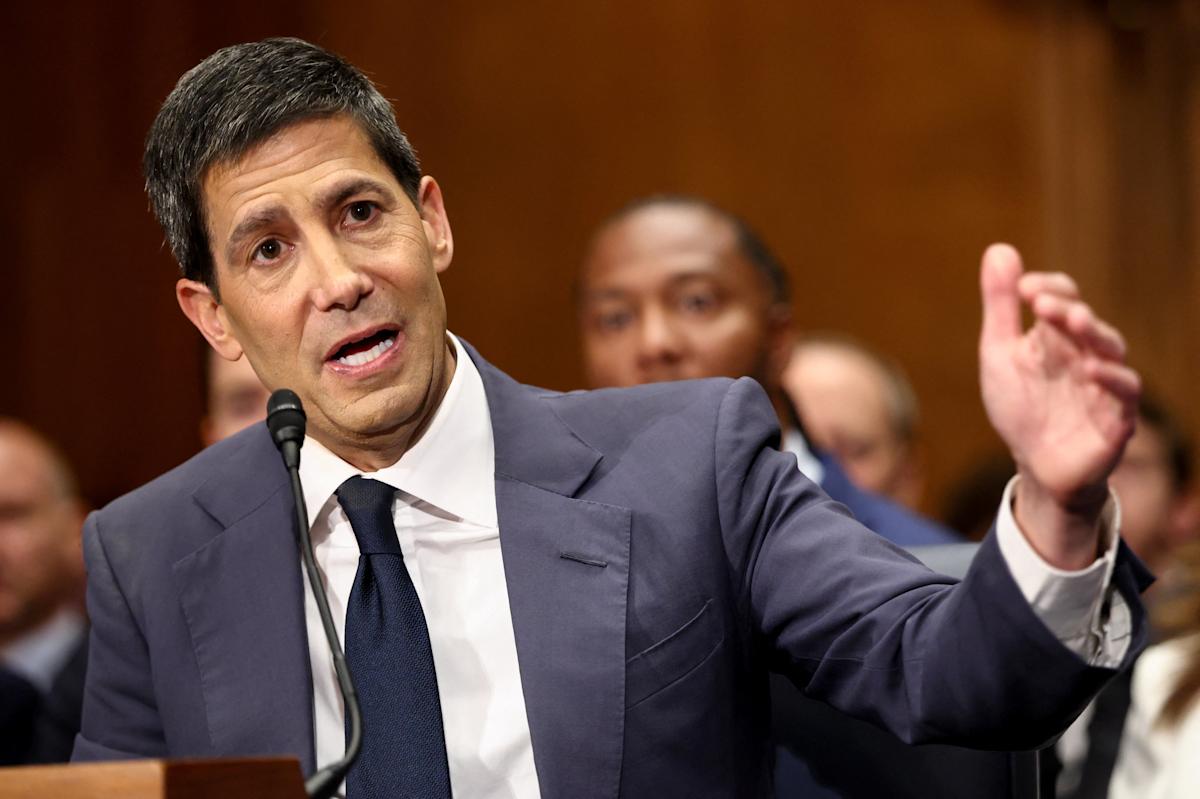
- Increased Market Pressure: New CEO Josh D'Amaro takes over during the annual shareholder meeting, facing dual pressures from shareholders and fans, necessitating a balance between meeting fan expectations and achieving financial goals to avoid further stock declines.
- Historical Lessons: Former CEO Iger's success stemmed from turning streaming operations profitable, and D'Amaro must learn from his experience, particularly in navigating market fluctuations and shareholder expectations, to ensure Disney's long-term sustainability.
Trade with 70% Backtested Accuracy
Stop guessing "Should I Buy DIS?" and start using high-conviction signals backed by rigorous historical data.
Sign up today to access powerful investing tools and make smarter, data-driven decisions.
Analyst Views on DIS
Wall Street analysts forecast DIS stock price to rise
19 Analyst Rating
16 Buy
3 Hold
0 Sell
Strong Buy
Current: 106.300

Low
123.00
Averages
137.29
High
152.00
Current: 106.300
Low
123.00
Averages
137.29
High
152.00
About DIS
The Walt Disney Company is a diversified worldwide entertainment company. The Company's segments include Entertainment, Sports and Experiences. The Entertainment segment generally encompasses its non-sports focused global film and episodic content production and distribution activities. The lines of business within the Entertainment segment along with their business activities include Linear Networks, Direct-to-Consumer, and Content Sales/Licensing. The Sports segment encompasses its sports-focused global television and direct-to-consumer (DTC) video streaming content production and distribution activities. The lines of business within the Sports segment include ESPN and Star. The Experiences segment includes Parks and Experiences and Consumer Products. Parks and Experiences consists of Walt Disney World Resort in Florida, Disneyland Resort in California, Disney Cruise Line, and others. Consumer Products includes licensing of its trade names, characters, visual, literary and other IP.
About the author

Emily J. Thompson
Emily J. Thompson, a Chartered Financial Analyst (CFA) with 12 years in investment research, graduated with honors from the Wharton School. Specializing in industrial and technology stocks, she provides in-depth analysis for Intellectia’s earnings and market brief reports.

Disney World Raises Peak Ticket Prices to $219

- Ticket Price Increase: Disney World has raised its peak ticket prices to $219, reflecting a 10% increase over 2025's peak rates, which may influence visitor spending decisions and lead families to reduce their travel days or postpone trips.
- 2027 Booking Opened: This week, Disney opened bookings for the first ten months of 2027, maintaining the starting price of one-day, one-park tickets at $119, which may attract budget-conscious visitors despite the rise in peak prices.
- New Attractions Development: Disney is developing a new themed land, Tropical Americas, set to open in 2027, while refurbishing existing attractions like Big Thunder Mountain, reopening next month, aimed at enhancing visitor experiences and attracting repeat customers.
- Competitive Market Pressure: With rising ticket prices, Disney must continue investing in park experiences to maintain its competitive edge, especially as rivals like IMAX introduce new technologies, ensuring sustained growth in its core business.
See More
Trump Calls Tim Cook an 'Incredible Guy' in Truth Social Post


- Tribute to Cook: Trump referred to Cook as an 'incredible guy' in a Truth Social post, recalling an early phone call that highlights their close relationship, which may influence Apple's policies and interests.
- Policy Influence: Cook successfully secured tariff exemptions critical to Apple's operations during Trump's presidency, with Trump acknowledging his assistance, indicating a strategy where business leaders leverage relationships with the president to advance corporate interests.
- Transactional Dynamics: Trump's post reveals a 'transactional' relationship with business leaders, with experts noting that this model could affect the ideal of governance, reflecting how companies seek policy support through personal connections.
- Apple's Future Leadership: Cook will step down as CEO on September 1, with hardware engineering SVP John Ternus taking over, while Apple stated that Cook will continue to engage with policymakers, ensuring the company's competitive edge in the regulatory landscape.
See More

Robert Olstein's Q1 2026 Portfolio Adjustments

- New Stock Additions: Robert Olstein added 66,000 shares of Booz Allen Hamilton Holding Corp in Q1 2026, valued at $5.15 million, representing 1.12% of the portfolio, indicating confidence in the consulting sector's growth potential.
- Key Position Increases: He increased his stake in Equifax Inc by 19,000 shares, totaling 37,000 shares, which is a 105.56% increase, impacting the portfolio by 0.74%, reflecting strong confidence in the company's financial stability.
- Complete Exits: Olstein fully exited four holdings, including Deere & Co and Cummins Inc, which negatively impacted the portfolio by -0.72% and -0.49% respectively, suggesting a cautious outlook on these companies' future performance.
- Significant Reductions: He reduced his position in Kulicke & Soffa Industries Inc by 81,461 shares, a 57.18% decrease, impacting the portfolio by -0.76%, indicating concerns about the company's future prospects.
See More
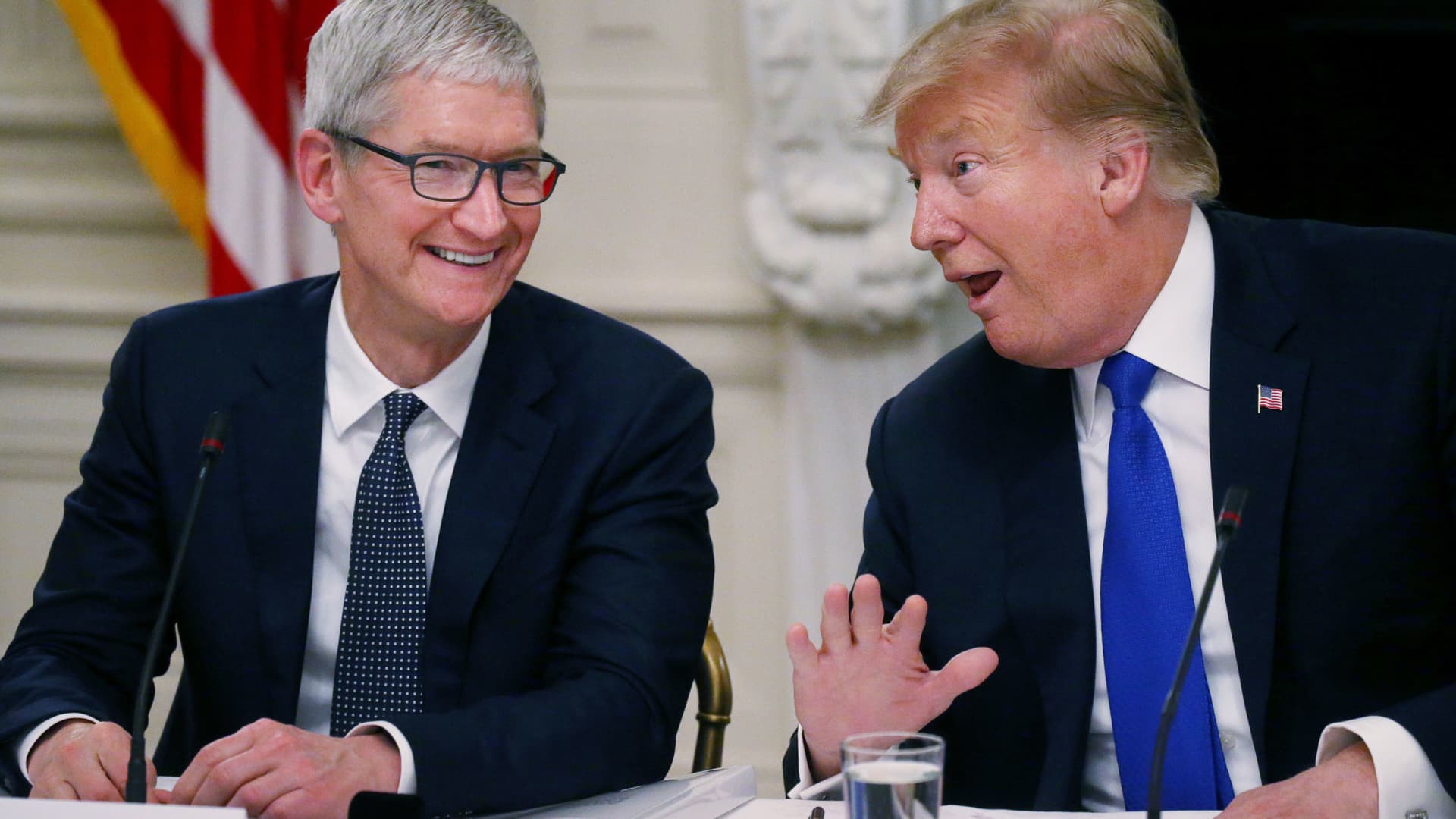
Trump Calls Tim Cook an 'Incredible Guy' in Truth Social Post
- Trump Praises Cook: In a Truth Social post, Trump referred to Cook as an 'incredible guy,' highlighting how Cook effectively navigated significant issues impacting Apple during his presidency, underscoring the importance of Cook's role in business-government relations.
- Tariff Exemption Success: Cook successfully secured a tariff exemption from the Trump administration for Apple products, saving the company billions last year, which directly impacted Apple's profitability and competitive positioning in the market.
- Manufacturing Commitment: During meetings with Trump, Cook committed to a $100 billion investment in U.S. manufacturing, further solidifying Apple's presence in the American market and potentially boosting local economic growth.
- New CEO Transition: Cook will step down as CEO on September 1, with Senior Vice President of Hardware Engineering John Ternus taking over, while Apple stated that Cook will continue to engage with global policymakers, ensuring the company maintains its strategic advantages in the policy landscape.
See More
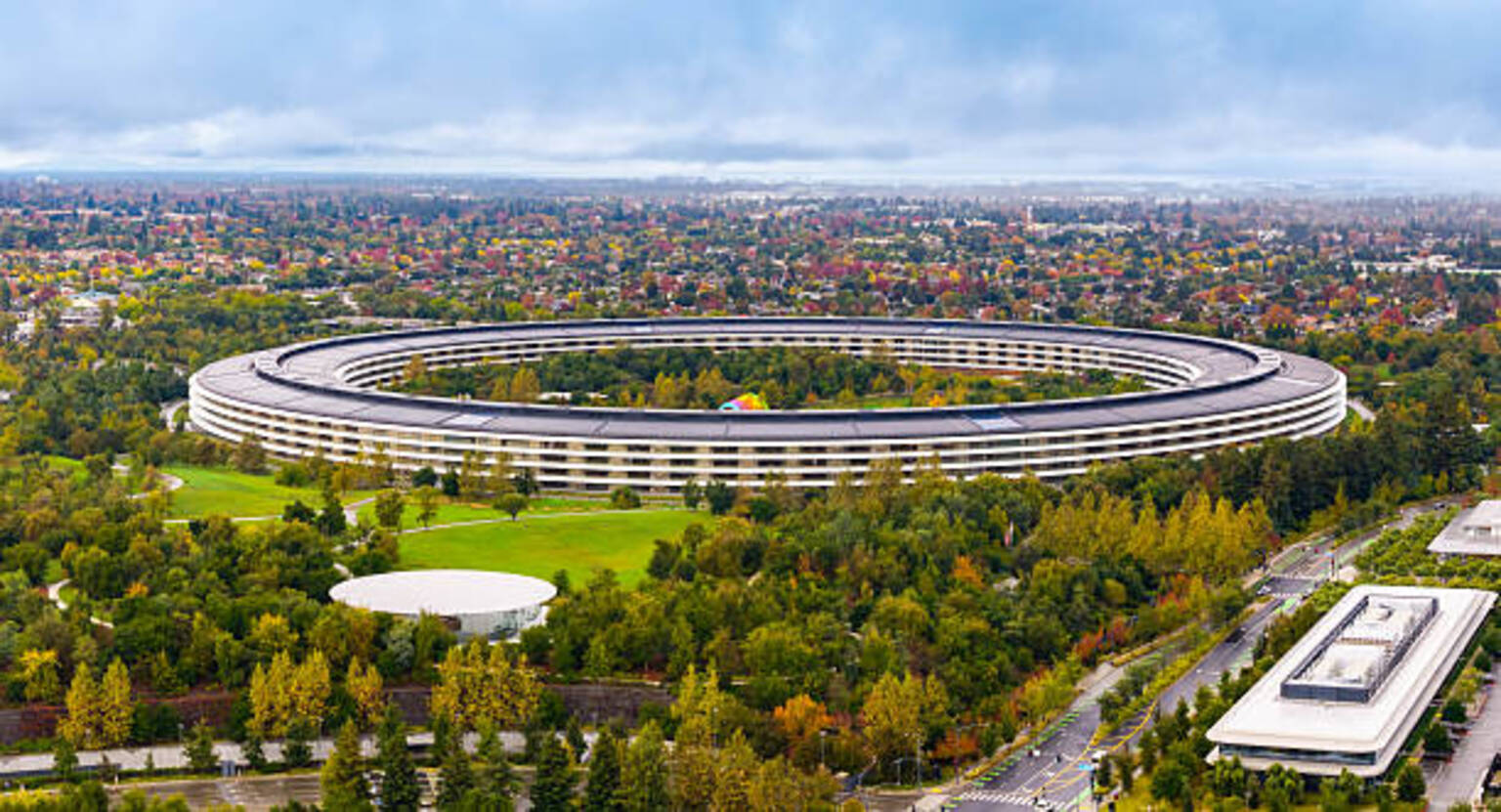
Apple Appoints New CEO, Analysts Praise Move
- Leadership Transition: Apple announced that CEO Tim Cook will step down on September 1 to become Executive Chairman, with current SVP of Hardware Engineering John Ternus taking over as CEO, a move analysts view as crucial for driving innovation and accelerating value creation.
- Advertising Revenue Potential: Needham analyst Laura Martin highlighted that Apple generated approximately $10 billion in ad revenue in 2025, which constitutes less than 10% of its Services segment revenue and under 3% of total revenue, yet she believes this should be closer to 50%, emphasizing that the high 80% margins could be a significant profit driver for Apple.
- M&A Recommendations: Martin suggested that Apple should consider acquiring or partnering with media giant Disney to enhance user engagement and gain differentiated assets with pricing power, a proposal that has repeatedly failed to materialize but is seen as an effective strategy for accelerating value creation.
- Market Reaction: Despite analysts' optimism regarding the new CEO's prospects, Apple shares fell by 2.5% during midday trading on Tuesday, indicating a cautious market response to the leadership change and reflecting investor concerns about the future strategic direction.
See More
Latest Wall Street Ratings Overview


- Cybersecurity Investment Opportunity: Berenberg initiates coverage on Palo Alto Networks with a buy rating, highlighting its status as a 'best-in-class' player in cybersecurity, combining multiple growth engines and strong product breadth, which is expected to attract more investor interest in its sustained growth potential.
- Optimistic Tesla Outlook: Bank of America reiterates Tesla as a buy, anticipating that the upcoming Q1 earnings report will focus on its robotaxi deployments aimed at disrupting the rideshare market and capturing a portion of the $1 trillion market opportunity, showcasing its strategic advantage amid increasing competition.
- Packaging Industry Growth Potential: Raymond James upgrades Ball Corp to outperform, citing the company's strong performance in cost pass-throughs and structural support for the beverage sector, predicting it will achieve outsized growth compared to its packaging peers.
- Biopharma Market Prospects: Canaccord initiates AbbVie with a buy rating and a price target of $262, emphasizing its position as a 'core holding' and showcasing its strong growth potential and market appeal in the biopharmaceutical sector.
See More
Disney World Raises Peak Ticket Prices to $219
- Ticket Price Increase: Disney World has raised its peak ticket prices to $219, reflecting a 10% increase over 2025's peak rates, which may influence visitor spending decisions and lead families to reduce their travel days or postpone trips.
- 2027 Booking Opened: This week, Disney opened bookings for the first ten months of 2027, maintaining the starting price of one-day, one-park tickets at $119, which may attract budget-conscious visitors despite the rise in peak prices.
- New Attractions Development: Disney is developing a new themed land, Tropical Americas, set to open in 2027, while refurbishing existing attractions like Big Thunder Mountain, reopening next month, aimed at enhancing visitor experiences and attracting repeat customers.
- Competitive Market Pressure: With rising ticket prices, Disney must continue investing in park experiences to maintain its competitive edge, especially as rivals like IMAX introduce new technologies, ensuring sustained growth in its core business.
See More
Trump Calls Tim Cook an 'Incredible Guy' in Truth Social Post
- Tribute to Cook: Trump referred to Cook as an 'incredible guy' in a Truth Social post, recalling an early phone call that highlights their close relationship, which may influence Apple's policies and interests.
- Policy Influence: Cook successfully secured tariff exemptions critical to Apple's operations during Trump's presidency, with Trump acknowledging his assistance, indicating a strategy where business leaders leverage relationships with the president to advance corporate interests.
- Transactional Dynamics: Trump's post reveals a 'transactional' relationship with business leaders, with experts noting that this model could affect the ideal of governance, reflecting how companies seek policy support through personal connections.
- Apple's Future Leadership: Cook will step down as CEO on September 1, with hardware engineering SVP John Ternus taking over, while Apple stated that Cook will continue to engage with policymakers, ensuring the company's competitive edge in the regulatory landscape.
See More
Robert Olstein's Q1 2026 Portfolio Adjustments
- New Stock Additions: Robert Olstein added 66,000 shares of Booz Allen Hamilton Holding Corp in Q1 2026, valued at $5.15 million, representing 1.12% of the portfolio, indicating confidence in the consulting sector's growth potential.
- Key Position Increases: He increased his stake in Equifax Inc by 19,000 shares, totaling 37,000 shares, which is a 105.56% increase, impacting the portfolio by 0.74%, reflecting strong confidence in the company's financial stability.
- Complete Exits: Olstein fully exited four holdings, including Deere & Co and Cummins Inc, which negatively impacted the portfolio by -0.72% and -0.49% respectively, suggesting a cautious outlook on these companies' future performance.
- Significant Reductions: He reduced his position in Kulicke & Soffa Industries Inc by 81,461 shares, a 57.18% decrease, impacting the portfolio by -0.76%, indicating concerns about the company's future prospects.
See More
Trump Calls Tim Cook an 'Incredible Guy' in Truth Social Post
- Trump Praises Cook: In a Truth Social post, Trump referred to Cook as an 'incredible guy,' highlighting how Cook effectively navigated significant issues impacting Apple during his presidency, underscoring the importance of Cook's role in business-government relations.
- Tariff Exemption Success: Cook successfully secured a tariff exemption from the Trump administration for Apple products, saving the company billions last year, which directly impacted Apple's profitability and competitive positioning in the market.
- Manufacturing Commitment: During meetings with Trump, Cook committed to a $100 billion investment in U.S. manufacturing, further solidifying Apple's presence in the American market and potentially boosting local economic growth.
- New CEO Transition: Cook will step down as CEO on September 1, with Senior Vice President of Hardware Engineering John Ternus taking over, while Apple stated that Cook will continue to engage with global policymakers, ensuring the company maintains its strategic advantages in the policy landscape.
See More
Apple Appoints New CEO, Analysts Praise Move
- Leadership Transition: Apple announced that CEO Tim Cook will step down on September 1 to become Executive Chairman, with current SVP of Hardware Engineering John Ternus taking over as CEO, a move analysts view as crucial for driving innovation and accelerating value creation.
- Advertising Revenue Potential: Needham analyst Laura Martin highlighted that Apple generated approximately $10 billion in ad revenue in 2025, which constitutes less than 10% of its Services segment revenue and under 3% of total revenue, yet she believes this should be closer to 50%, emphasizing that the high 80% margins could be a significant profit driver for Apple.
- M&A Recommendations: Martin suggested that Apple should consider acquiring or partnering with media giant Disney to enhance user engagement and gain differentiated assets with pricing power, a proposal that has repeatedly failed to materialize but is seen as an effective strategy for accelerating value creation.
- Market Reaction: Despite analysts' optimism regarding the new CEO's prospects, Apple shares fell by 2.5% during midday trading on Tuesday, indicating a cautious market response to the leadership change and reflecting investor concerns about the future strategic direction.
See More
Latest Wall Street Ratings Overview
- Cybersecurity Investment Opportunity: Berenberg initiates coverage on Palo Alto Networks with a buy rating, highlighting its status as a 'best-in-class' player in cybersecurity, combining multiple growth engines and strong product breadth, which is expected to attract more investor interest in its sustained growth potential.
- Optimistic Tesla Outlook: Bank of America reiterates Tesla as a buy, anticipating that the upcoming Q1 earnings report will focus on its robotaxi deployments aimed at disrupting the rideshare market and capturing a portion of the $1 trillion market opportunity, showcasing its strategic advantage amid increasing competition.
- Packaging Industry Growth Potential: Raymond James upgrades Ball Corp to outperform, citing the company's strong performance in cost pass-throughs and structural support for the beverage sector, predicting it will achieve outsized growth compared to its packaging peers.
- Biopharma Market Prospects: Canaccord initiates AbbVie with a buy rating and a price target of $262, emphasizing its position as a 'core holding' and showcasing its strong growth potential and market appeal in the biopharmaceutical sector.
See More