DFUS, AAPL, GOOG, LLY: Large Inflows Detected at ETF
Written by Emily J. Thompson, Senior Investment Analyst
Updated: Jun 30 2025
0mins


Should l Buy AAPL?
Source: NASDAQ.COM
DFUS Stock Performance: DFUS's stock has a 52-week low of $52.0953 and a high of $66.97, with the last trade recorded at $66.87, indicating a stable position near its high.
ETFs Trading Dynamics: ETFs function like stocks but involve trading "units" that can be created or destroyed based on investor demand, impacting the underlying assets as they experience notable inflows or outflows.
Trade with 70% Backtested Accuracy
Stop guessing "Should I Buy AAPL?" and start using high-conviction signals backed by rigorous historical data.
Sign up today to access powerful investing tools and make smarter, data-driven decisions.
Analyst Views on AAPL
Wall Street analysts forecast AAPL stock price to rise
27 Analyst Rating
17 Buy
9 Hold
1 Sell
Moderate Buy
Current: 263.400

Low
239.00
Averages
306.89
High
350.00
Current: 263.400
Low
239.00
Averages
306.89
High
350.00
About AAPL
Apple Inc. designs, manufactures and markets smartphones, personal computers, tablets, wearables and accessories, and sells a variety of related services. Its product categories include iPhone, Mac, iPad, and Wearables, Home and Accessories. Its software platforms include iOS, iPadOS, macOS, watchOS, visionOS, and tvOS. Its services include advertising, AppleCare, cloud services, digital content and payment services. The Company operates various platforms, including the App Store, that allow customers to discover and download applications and digital content, such as books, music, video, games and podcasts. It also offers digital content through subscription-based services, including Apple Arcade, Apple Fitness+, Apple Music, Apple News+, and Apple TV+. Its products include iPhone 16 Pro, iPhone 16, iPhone 15, iPhone 14, iPhone SE, MacBook Air, MacBook Pro, iMac, Mac mini, Mac Studio, Mac Pro, iPad Pro, iPad Air, AirPods, AirPods Pro, AirPods Max, Apple TV, Apple Vision Pro and others.
About the author

Emily J. Thompson
Emily J. Thompson, a Chartered Financial Analyst (CFA) with 12 years in investment research, graduated with honors from the Wharton School. Specializing in industrial and technology stocks, she provides in-depth analysis for Intellectia’s earnings and market brief reports.

Apple Advances in On-Device AI Capabilities Amid Market Stability

- AI Capability Enhancement: According to Bank of America Securities, Apple has made significant strides in on-device AI capabilities, particularly supported by its proprietary silicon, which is expected to further enhance its competitive position in the market.
- Market Resilience: Apple is viewed as the highest-quality stock within BofA's coverage due to its relative stability amid AI-related volatility, indicating that its business model relies more on consumer hardware and services rather than direct exposure to AI infrastructure spending.
- M5 Chip Performance: Apple's M5 chip series demonstrates a crucial step towards a complete in-house AI compute stack, with peak performance four times that of the M4 and a 30% increase in unified memory bandwidth, which will enhance the overall performance of its products.
- Earnings Expectations: Apple is set to release its fiscal Q2 2026 financial results on April 30, with consensus estimates predicting earnings per share of $1.94 and revenue of $109.26 billion, marking a significant increase from $1.65 and $95.36 billion in the same quarter of fiscal 2025.
See More
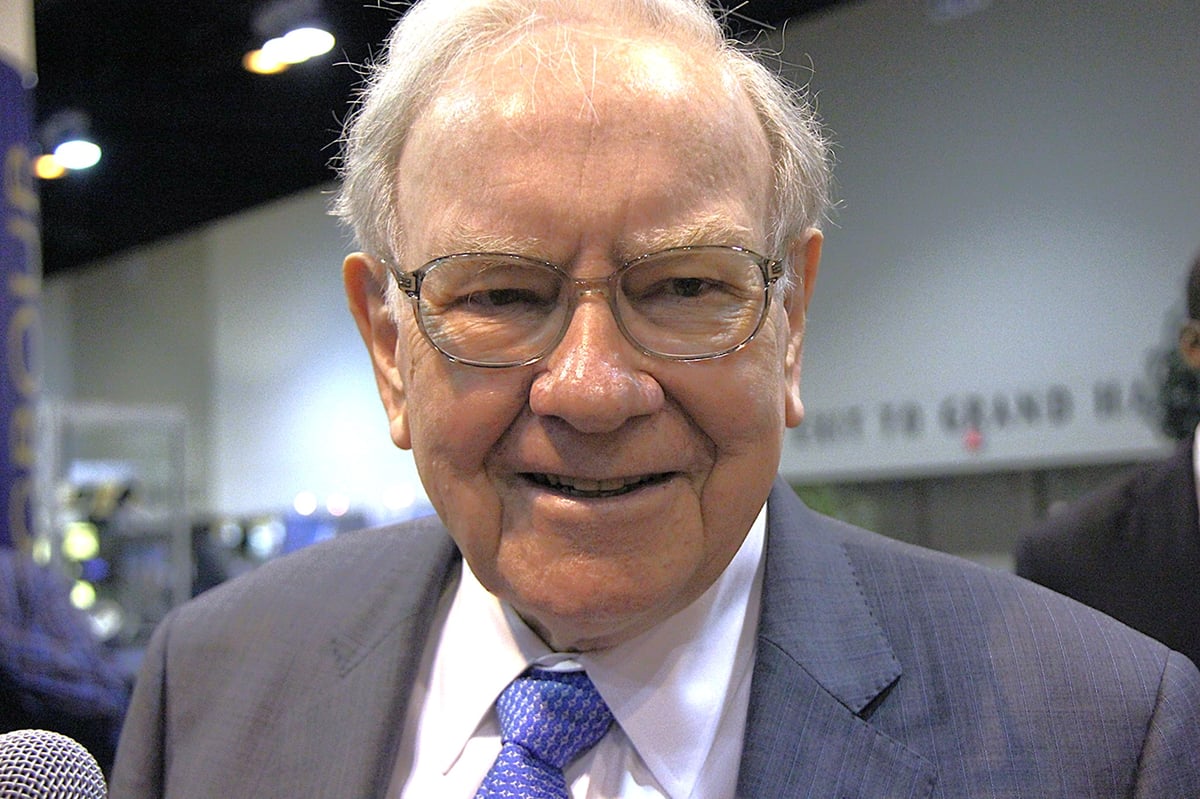
Buffett Sells Amazon, Invests in New York Times

- Amazon Share Shift: Berkshire Hathaway sold over 7 million shares of Amazon, valued at approximately $1.8 billion, shortly before Buffett stepped down as CEO, indicating a cautious stance towards tech stocks while paving the way for portfolio diversification.
- New Investment Choice: Berkshire opened a new position in The New York Times Company, acquiring over 5 million shares at an average price of $61.09, with current trading around $78, showcasing potential returns and Buffett's confidence in digital media.
- Digital Subscription Growth: The New York Times reported 12.21 million digital subscribers in its latest quarter, an increase of 450,000, with digital subscriptions accounting for 47.5% of total quarterly revenue, reflecting successful transformation towards digitalization.
- Ad Revenue Surge: Digital ad revenue increased by 24.9% year-over-year to $147.2 million, further driving overall revenue growth, indicating strong performance and future growth potential in the digital media sector.
See More

Buffett Sells Amazon Shares and Buys New York Times Stock
- Amazon Stock Sale: In his final quarter as CEO, Warren Buffett approved the sale of over 7 million shares of Amazon, valued at approximately $1.8 billion, reflecting a reassessment of tech stocks that could impact Berkshire's portfolio diversity.
- New Investment Position: Berkshire opened a new position in The New York Times Company, acquiring over 5 million shares at an average price of $61.09, with current trading around $78, indicating potential gains and Buffett's confidence in digital media.
- Digital Subscription Growth: The New York Times reported 12.78 million subscribers, with 12.21 million being digital-only, meaning digital subscriptions account for 47.5% of quarterly revenue, showcasing the company's success in digital transformation and enhancing its market competitiveness.
- Ad Revenue Surge: Digital ad revenue increased by 24.9% year-over-year to $147.2 million, further driving overall revenue growth and demonstrating the effectiveness of the digital strategy and future growth potential.
See More

Apple's Unique Advantage in AI Investment

- Capital Expenditure Comparison: Apple's capital expenditures for fiscal 2025 were only $12.7 billion, starkly contrasting with Amazon's planned $200 billion for 2026, highlighting Apple's conservative approach to AI infrastructure investment, which may mitigate future financial risks.
- Core Business Advantages: Apple's business model relies on a powerful brand and the integration of hardware, software, and services, as consumers purchase Apple products not just for computing power but to engage in a seamless ecosystem, thereby enhancing customer loyalty.
- Financial Health Status: In the first quarter of fiscal 2026, Apple reported revenue of $143.8 billion, a 16% year-over-year increase, with earnings per share rising 19% to $2.84, showcasing strong performance in its high-margin services segment and reinforcing its market position.
- Future Outlook and Risks: While the iPhone accounts for over half of the company's total revenue, losing consumer interest could impact the business; however, Apple's ability to leverage AI without massive capital expenditures demonstrates its competitive edge in the AI era.
See More

Apple's Earnings Report Shows Strong Growth
- Strong Financial Performance: Apple's first fiscal quarter revenue reached $143.8 billion, a 16% year-over-year increase, while earnings per share surged 19% to $2.84, demonstrating robust sales momentum during the holiday season and solidifying its market position.
- Capital Expenditure Comparison: In stark contrast to Amazon's planned $200 billion spending in 2026, Apple's capital expenditures were only $12.7 billion in 2025, highlighting its capital-light operational model that allows for flexibility in the AI infrastructure race.
- Record Services Revenue: The company's high-margin services segment achieved an all-time high this quarter, indicating effective monetization of its vast installed base of over 2.5 billion active devices, driving sustained revenue growth.
- Brand and Ecosystem Advantage: Apple's strong brand and seamless integration of hardware, software, and services set it apart in the competitive landscape; despite risks such as declining iPhone sales, the sticky customer experience provided by its ecosystem remains crucial for long-term success.
See More

Impact of the Magnificent 7 on Market Dynamics

- Market Dominance: The Magnificent 7, including Apple, Microsoft, and Nvidia, account for 25% to 35% of the S&P 500's total market value, and their strong performance has significantly driven overall U.S. market gains; without them, market returns would decline sharply, impacting investor profits.
- Retirement Account Impact: Most Americans indirectly hold the Magnificent 7 through S&P 500 index funds, and removing these companies would drastically reduce the tech component of their portfolios, potentially lowering volatility but also slowing overall growth, affecting retirement savings growth.
- Risk Distribution Changes: Holding the Magnificent 7 entails higher concentration risk and stronger growth potential, but without these stocks, the market would rely more on smaller companies, leading to steadier yet slower growth, thus altering investors' risk assessments.
- International Market Appeal: The dominance of the Magnificent 7 has led to superior performance in the U.S. market compared to international markets; removing these companies would make U.S. stock returns more akin to international markets, enhancing the appeal of global diversification for investors.
See More
Apple Advances in On-Device AI Capabilities Amid Market Stability
- AI Capability Enhancement: According to Bank of America Securities, Apple has made significant strides in on-device AI capabilities, particularly supported by its proprietary silicon, which is expected to further enhance its competitive position in the market.
- Market Resilience: Apple is viewed as the highest-quality stock within BofA's coverage due to its relative stability amid AI-related volatility, indicating that its business model relies more on consumer hardware and services rather than direct exposure to AI infrastructure spending.
- M5 Chip Performance: Apple's M5 chip series demonstrates a crucial step towards a complete in-house AI compute stack, with peak performance four times that of the M4 and a 30% increase in unified memory bandwidth, which will enhance the overall performance of its products.
- Earnings Expectations: Apple is set to release its fiscal Q2 2026 financial results on April 30, with consensus estimates predicting earnings per share of $1.94 and revenue of $109.26 billion, marking a significant increase from $1.65 and $95.36 billion in the same quarter of fiscal 2025.
See More
Buffett Sells Amazon, Invests in New York Times
- Amazon Share Shift: Berkshire Hathaway sold over 7 million shares of Amazon, valued at approximately $1.8 billion, shortly before Buffett stepped down as CEO, indicating a cautious stance towards tech stocks while paving the way for portfolio diversification.
- New Investment Choice: Berkshire opened a new position in The New York Times Company, acquiring over 5 million shares at an average price of $61.09, with current trading around $78, showcasing potential returns and Buffett's confidence in digital media.
- Digital Subscription Growth: The New York Times reported 12.21 million digital subscribers in its latest quarter, an increase of 450,000, with digital subscriptions accounting for 47.5% of total quarterly revenue, reflecting successful transformation towards digitalization.
- Ad Revenue Surge: Digital ad revenue increased by 24.9% year-over-year to $147.2 million, further driving overall revenue growth, indicating strong performance and future growth potential in the digital media sector.
See More
Buffett Sells Amazon Shares and Buys New York Times Stock
- Amazon Stock Sale: In his final quarter as CEO, Warren Buffett approved the sale of over 7 million shares of Amazon, valued at approximately $1.8 billion, reflecting a reassessment of tech stocks that could impact Berkshire's portfolio diversity.
- New Investment Position: Berkshire opened a new position in The New York Times Company, acquiring over 5 million shares at an average price of $61.09, with current trading around $78, indicating potential gains and Buffett's confidence in digital media.
- Digital Subscription Growth: The New York Times reported 12.78 million subscribers, with 12.21 million being digital-only, meaning digital subscriptions account for 47.5% of quarterly revenue, showcasing the company's success in digital transformation and enhancing its market competitiveness.
- Ad Revenue Surge: Digital ad revenue increased by 24.9% year-over-year to $147.2 million, further driving overall revenue growth and demonstrating the effectiveness of the digital strategy and future growth potential.
See More
Apple's Unique Advantage in AI Investment
- Capital Expenditure Comparison: Apple's capital expenditures for fiscal 2025 were only $12.7 billion, starkly contrasting with Amazon's planned $200 billion for 2026, highlighting Apple's conservative approach to AI infrastructure investment, which may mitigate future financial risks.
- Core Business Advantages: Apple's business model relies on a powerful brand and the integration of hardware, software, and services, as consumers purchase Apple products not just for computing power but to engage in a seamless ecosystem, thereby enhancing customer loyalty.
- Financial Health Status: In the first quarter of fiscal 2026, Apple reported revenue of $143.8 billion, a 16% year-over-year increase, with earnings per share rising 19% to $2.84, showcasing strong performance in its high-margin services segment and reinforcing its market position.
- Future Outlook and Risks: While the iPhone accounts for over half of the company's total revenue, losing consumer interest could impact the business; however, Apple's ability to leverage AI without massive capital expenditures demonstrates its competitive edge in the AI era.
See More
Apple's Earnings Report Shows Strong Growth
- Strong Financial Performance: Apple's first fiscal quarter revenue reached $143.8 billion, a 16% year-over-year increase, while earnings per share surged 19% to $2.84, demonstrating robust sales momentum during the holiday season and solidifying its market position.
- Capital Expenditure Comparison: In stark contrast to Amazon's planned $200 billion spending in 2026, Apple's capital expenditures were only $12.7 billion in 2025, highlighting its capital-light operational model that allows for flexibility in the AI infrastructure race.
- Record Services Revenue: The company's high-margin services segment achieved an all-time high this quarter, indicating effective monetization of its vast installed base of over 2.5 billion active devices, driving sustained revenue growth.
- Brand and Ecosystem Advantage: Apple's strong brand and seamless integration of hardware, software, and services set it apart in the competitive landscape; despite risks such as declining iPhone sales, the sticky customer experience provided by its ecosystem remains crucial for long-term success.
See More
Impact of the Magnificent 7 on Market Dynamics
- Market Dominance: The Magnificent 7, including Apple, Microsoft, and Nvidia, account for 25% to 35% of the S&P 500's total market value, and their strong performance has significantly driven overall U.S. market gains; without them, market returns would decline sharply, impacting investor profits.
- Retirement Account Impact: Most Americans indirectly hold the Magnificent 7 through S&P 500 index funds, and removing these companies would drastically reduce the tech component of their portfolios, potentially lowering volatility but also slowing overall growth, affecting retirement savings growth.
- Risk Distribution Changes: Holding the Magnificent 7 entails higher concentration risk and stronger growth potential, but without these stocks, the market would rely more on smaller companies, leading to steadier yet slower growth, thus altering investors' risk assessments.
- International Market Appeal: The dominance of the Magnificent 7 has led to superior performance in the U.S. market compared to international markets; removing these companies would make U.S. stock returns more akin to international markets, enhancing the appeal of global diversification for investors.
See More