Deutsche Bank Downgrades Blue Owl Capital Rating

- Rating Downgrade: Deutsche Bank downgraded Blue Owl Capital's rating from Buy to Hold and cut its price target from $15 to $10, reflecting a 'moderately more challenging' environment for net flows into retail private credit products.
- Stock Volatility: Blue Owl Capital's shares have fallen over 28% in the past month, primarily due to its halt on redemptions for its retail-focused private credit fund, raising fresh concerns about risks in the private credit market.
- Asset Disposal: The company is reportedly seeking four buyers for a $1.4 billion portfolio of loans as it faces a deadline to return cash to investors, indicating pressure on its liquidity management.
- Market Assessment: Seeking Alpha's Quant model rates the stock as Sell, citing challenges in growth and stock momentum, which further exacerbates investor concerns.
Trade with 70% Backtested Accuracy
Analyst Views on OWL

About OWL
About the author

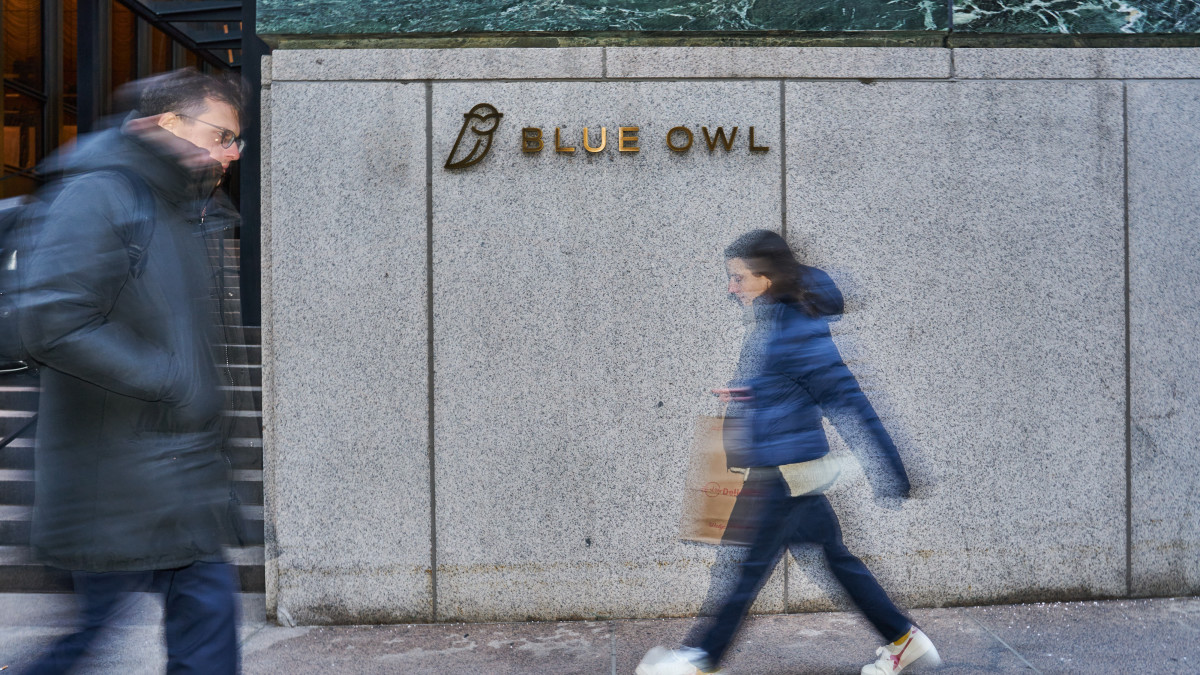
Blue Owl Capital Raises $20.7 Million Through Private Share Sale

- Private Capital Raise: Blue Owl Capital raised $20.7 million by selling 2.27 million unregistered Class I shares, which supports its public fundraising efforts and demonstrates the firm's proactive approach to expanding its lending portfolio.
- Total Fundraising: Since its inception, Blue Owl has raised over $22 billion across various private offerings and share classes, indicating strong performance in the private credit market and its ability to continuously attract investors.
- Portfolio Structure: As of February 28, Blue Owl's portfolio includes debt investments in 347 companies with a total par value of $34.2 billion, with 87.8% of investments being first-lien debt, reflecting its strategic focus on risk management.
- Liquidity Management: Blue Owl holds approximately $3.9 billion in level 2 liquid assets and $780 million in cash, providing ample liquidity for operations and investor activities, ensuring income generation capabilities amid rising interest rates.

Mortgage Stocks Surge 30% After Ackman's Remarks

- Mortgage Stocks Rally: Shares of Fannie Mae and Freddie Mac surged over 30% on Monday after billionaire Bill Ackman labeled them as 'stupidly cheap' in a social media post, indicating strong market confidence in their future potential.
- Boston Scientific Downgrade: Boston Scientific's stock fell more than 9% after Raymond James downgraded it from strong buy to outperform, reflecting concerns over weakening trends in its key growth areas and leading investors to adopt a cautious stance on its future performance.
- Cybersecurity Gains: Palo Alto Networks saw its shares jump over 7% after CEO Nikesh Arora disclosed a $10 million stock purchase, demonstrating market confidence in the company's growth prospects amid rising demand for cybersecurity solutions.
- United Therapeutics Innovation: United Therapeutics' stock rose nearly 13%, reaching a 52-week high, following positive phase 3 clinical trial results for its main product Tyvaso, and its plan to seek priority FDA review to expand the drug's label, showcasing strategic advancements in lung disease treatment.

Blue Owl's Risk/Reward Profile Appears Exceptionally Favorable
Current Stock Performance: Blue Owl Capital's shares are trading around $9, down over 65% from last year's highs, raising concerns about the company's stability in the private credit space amid a challenging market environment.
Investor Sentiment: There is growing investor wariness regarding potential defaults and liquidity tightening, leading to significant sell-offs in Blue Owl's stock, despite some analysts suggesting that the market may have overreacted to recent performance issues.
Analyst Ratings: Recent shifts in analyst sentiment have turned bullish, with firms like BMO Capital Markets and TD Cowen reiterating buy-equivalent ratings, indicating a belief in the company's long-term stability and growth potential.
Earnings and Dividends: Blue Owl's earnings visibility is bolstered by its fee-based model, and it has a strong track record of dividend increases, making it an attractive option for income-focused investors despite current market volatility.

Medallia's Challenges Pose Risks for Private Credit, Affecting Blackstone and Thoma Bravo.


- Medallia's Market Position: Medallia is identified as a significant issue within the private credit markets, highlighting its challenges and vulnerabilities.
- Exposure of Firms: Two firms are noted to have the most exposure to Medallia, indicating potential risks for their financial stability.
Blue Owl Capital Seeks Partnerships with Family Offices
- Family Office Partnerships: Blue Owl Capital is actively seeking to partner with family offices to attract ultra-wealthy investors into private markets, indicating a strategic focus on high-net-worth clientele.
- Redemption Pressures: As a representative of several private credit managers, Blue Owl has recently faced a wave of redemptions from retail-focused funds, partly due to concerns surrounding software companies, reflecting current market uncertainties.
- Shifting Investor Preferences: According to a JPMorgan survey, about 60% of 333 global family offices have no allocation to private credit, while approximately 30% plan to increase their exposure in the sector over the next 12 to 18 months, suggesting a growing comfort among wealthy investors with less liquid funds.
- Diverse Investment Opportunities: Blue Owl's partnership opportunities range from large-scale co-investments to pooled vehicles, aiming to enhance its competitiveness in the private market through diversified investment strategies.
BLUE OWL CREDIT INCOME CORP: DEBT INVESTMENTS IN 347 PORTFOLIO COMPANIES TOTALING $34.21 BILLION AS OF FEBRUARY 28

- Company Overview: Blue Owl Credit Income Corp. has made investments in 347 portfolio companies.
- Investment Value: The aggregate par value of these investments is reported to be $34.21 billion as of February 28.
Blue Owl Capital Raises $20.7 Million Through Private Share Sale
- Private Capital Raise: Blue Owl Capital raised $20.7 million by selling 2.27 million unregistered Class I shares, which supports its public fundraising efforts and demonstrates the firm's proactive approach to expanding its lending portfolio.
- Total Fundraising: Since its inception, Blue Owl has raised over $22 billion across various private offerings and share classes, indicating strong performance in the private credit market and its ability to continuously attract investors.
- Portfolio Structure: As of February 28, Blue Owl's portfolio includes debt investments in 347 companies with a total par value of $34.2 billion, with 87.8% of investments being first-lien debt, reflecting its strategic focus on risk management.
- Liquidity Management: Blue Owl holds approximately $3.9 billion in level 2 liquid assets and $780 million in cash, providing ample liquidity for operations and investor activities, ensuring income generation capabilities amid rising interest rates.
Mortgage Stocks Surge 30% After Ackman's Remarks
- Mortgage Stocks Rally: Shares of Fannie Mae and Freddie Mac surged over 30% on Monday after billionaire Bill Ackman labeled them as 'stupidly cheap' in a social media post, indicating strong market confidence in their future potential.
- Boston Scientific Downgrade: Boston Scientific's stock fell more than 9% after Raymond James downgraded it from strong buy to outperform, reflecting concerns over weakening trends in its key growth areas and leading investors to adopt a cautious stance on its future performance.
- Cybersecurity Gains: Palo Alto Networks saw its shares jump over 7% after CEO Nikesh Arora disclosed a $10 million stock purchase, demonstrating market confidence in the company's growth prospects amid rising demand for cybersecurity solutions.
- United Therapeutics Innovation: United Therapeutics' stock rose nearly 13%, reaching a 52-week high, following positive phase 3 clinical trial results for its main product Tyvaso, and its plan to seek priority FDA review to expand the drug's label, showcasing strategic advancements in lung disease treatment.
Blue Owl's Risk/Reward Profile Appears Exceptionally Favorable
Current Stock Performance: Blue Owl Capital's shares are trading around $9, down over 65% from last year's highs, raising concerns about the company's stability in the private credit space amid a challenging market environment.
Investor Sentiment: There is growing investor wariness regarding potential defaults and liquidity tightening, leading to significant sell-offs in Blue Owl's stock, despite some analysts suggesting that the market may have overreacted to recent performance issues.
Analyst Ratings: Recent shifts in analyst sentiment have turned bullish, with firms like BMO Capital Markets and TD Cowen reiterating buy-equivalent ratings, indicating a belief in the company's long-term stability and growth potential.
Earnings and Dividends: Blue Owl's earnings visibility is bolstered by its fee-based model, and it has a strong track record of dividend increases, making it an attractive option for income-focused investors despite current market volatility.
Medallia's Challenges Pose Risks for Private Credit, Affecting Blackstone and Thoma Bravo.
- Medallia's Market Position: Medallia is identified as a significant issue within the private credit markets, highlighting its challenges and vulnerabilities.
- Exposure of Firms: Two firms are noted to have the most exposure to Medallia, indicating potential risks for their financial stability.
Blue Owl Capital Seeks Partnerships with Family Offices
- Family Office Partnerships: Blue Owl Capital is actively seeking to partner with family offices to attract ultra-wealthy investors into private markets, indicating a strategic focus on high-net-worth clientele.
- Redemption Pressures: As a representative of several private credit managers, Blue Owl has recently faced a wave of redemptions from retail-focused funds, partly due to concerns surrounding software companies, reflecting current market uncertainties.
- Shifting Investor Preferences: According to a JPMorgan survey, about 60% of 333 global family offices have no allocation to private credit, while approximately 30% plan to increase their exposure in the sector over the next 12 to 18 months, suggesting a growing comfort among wealthy investors with less liquid funds.
- Diverse Investment Opportunities: Blue Owl's partnership opportunities range from large-scale co-investments to pooled vehicles, aiming to enhance its competitiveness in the private market through diversified investment strategies.
BLUE OWL CREDIT INCOME CORP: DEBT INVESTMENTS IN 347 PORTFOLIO COMPANIES TOTALING $34.21 BILLION AS OF FEBRUARY 28
- Company Overview: Blue Owl Credit Income Corp. has made investments in 347 portfolio companies.
- Investment Value: The aggregate par value of these investments is reported to be $34.21 billion as of February 28.