Cruise Industry Faces Oil Price Volatility Challenges
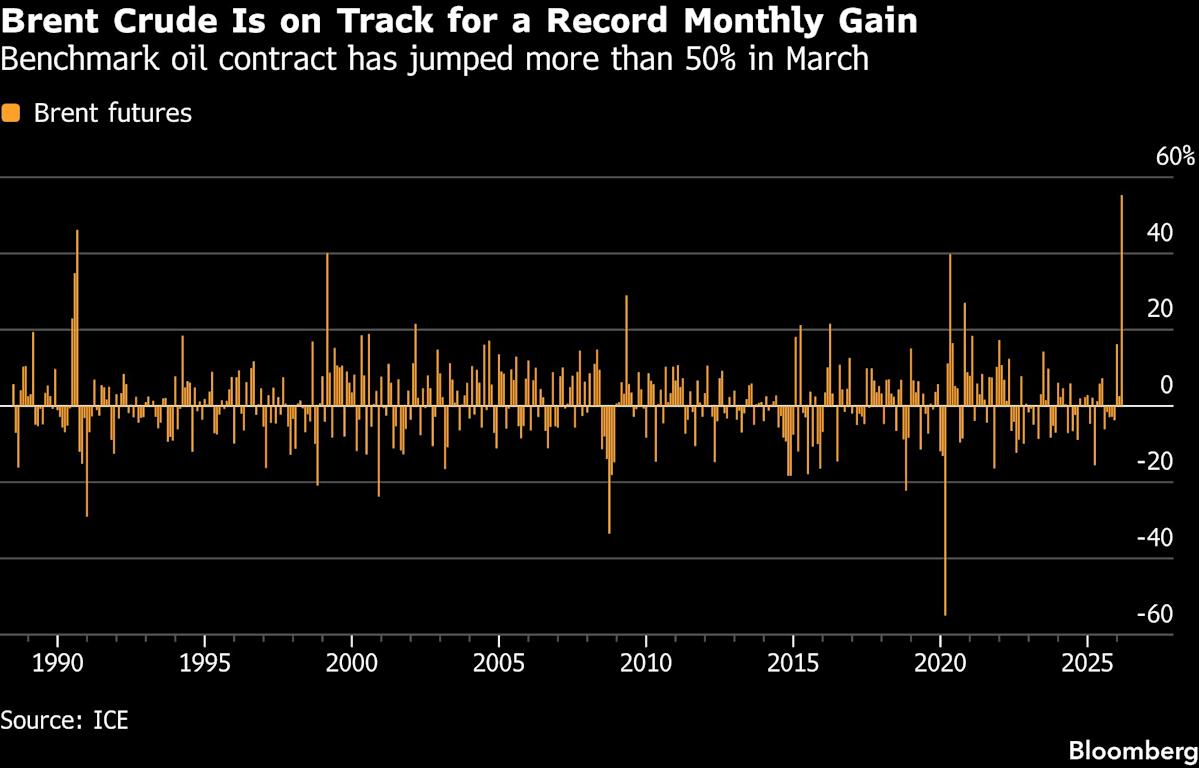
- Oil Price Impact: The closure of the Strait of Hormuz led to oil prices spiking to $115 per barrel before retreating to $88, indicating that market volatility is driven by supply concerns rather than actual shortages, which could significantly impact the cruise industry's profitability.
- Strong Demand: Despite economic worries, financials from cruise lines like Royal Caribbean and Viking Holdings show record booking levels with demand exceeding supply, meaning these companies have not needed to discount heavily to fill ships, indicating robust market demand for cruises.
- Attractive Valuations: Most cruise line stocks trade at price-to-earnings ratios below the S&P 500 average of 29, particularly Royal Caribbean and Carnival Corp, whose P/E ratios are in the teens, suggesting limited downside and attracting investor interest.
- Debt Management Improvement: While cruise companies accumulated significant debt during the pandemic, they have reduced it substantially and refinanced at lower rates, indicating improved financial health in the industry amidst high demand, which may attract further investment.
Trade with 70% Backtested Accuracy
Analyst Views on CCL

About CCL
About the author


Latest Wall Street Rating Updates


- UBS Upgrade: UBS upgrades Adecoagro from Neutral to Buy, raising the price target from $8 to $16.2, indicating the company is poised to benefit from the ongoing Middle East conflict, which is expected to enhance its financial performance.
- HSBC Bullish on Carnival: HSBC upgrades Carnival from Hold to Buy, asserting that the current share price undervalues the resilience of experience-led demand, which is likely to improve the company's market performance in the near future.
- Morgan Stanley Reiterates Meta: Morgan Stanley lowers its price target for Meta from $825 to $775 but maintains it as a top investment idea, suggesting that market sentiment has bottomed out, making it an opportune time to buy.
- Deutsche Bank Upgrades Colgate: Deutsche Bank upgrades Colgate-Palmolive from Hold to Buy, highlighting the company's core business as having long-term investment value and the ability to weather current market volatility effectively.
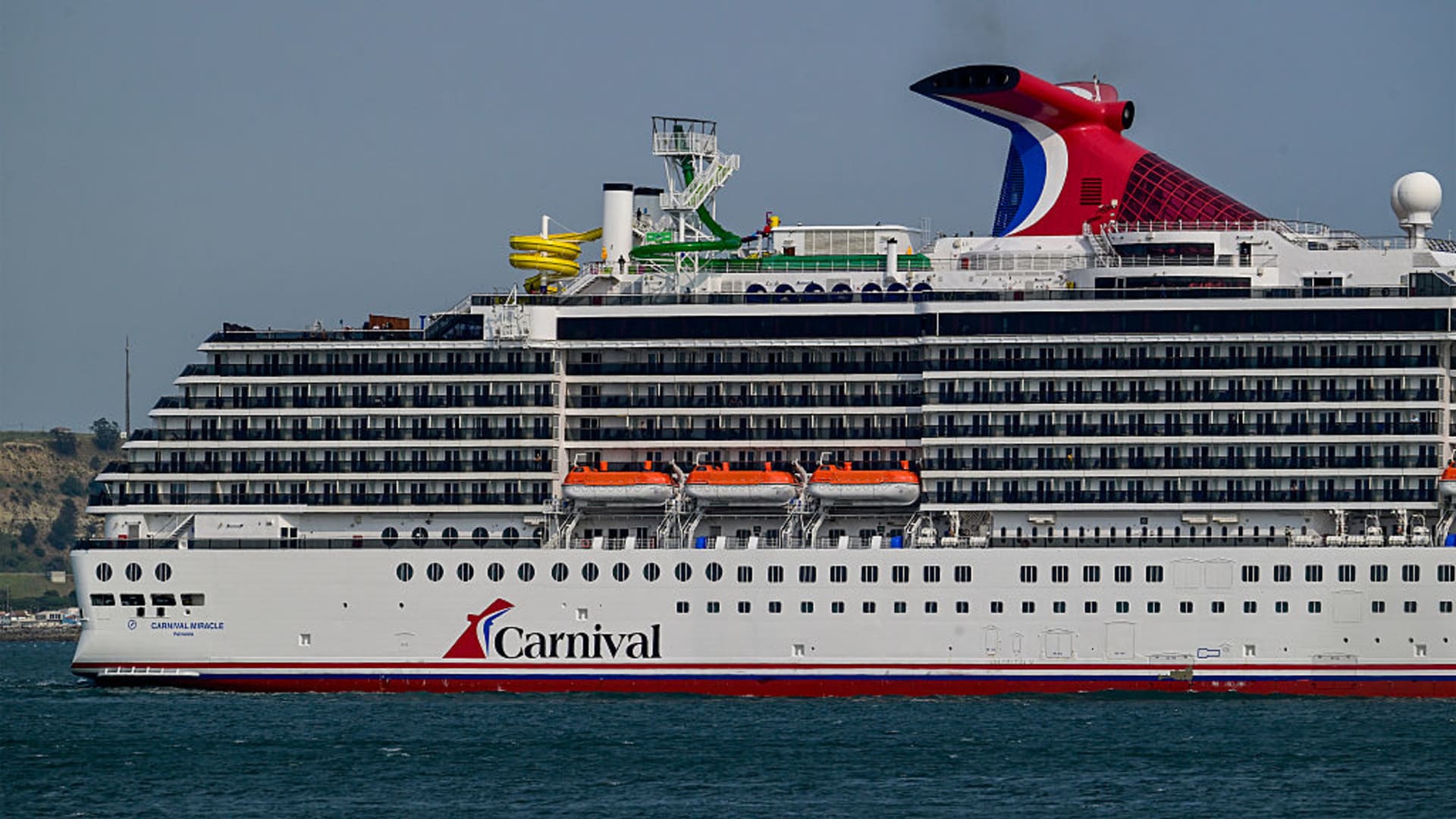
HSBC Upgrades Carnival Stock to Buy Amid Fuel Price Volatility
- Rating Upgrade: HSBC upgraded Carnival's stock from hold to buy, trimming its price target from $33.60 to $30.10, which still implies about a 24% upside from Friday's close, indicating long-term confidence in the stock.
- Fuel Price Volatility Risk: Carnival's stock is trading at a discount due to volatility in fuel prices linked to the Iran war, with analysts noting the company's unhedged exposure to fuel risks, leading to a 23.3% decline since the conflict began.
- Earnings Uncertainty: HSBC analysts acknowledge greater near-term earnings uncertainty for Carnival compared to peers like Royal Caribbean (RCL), which benefit from derivative protection, yet Carnival trades at around 10 times forward earnings, significantly below the two-year average of 12.4.
- Demand Resilience: Despite operational challenges posed by the Middle East conflict, Carnival is expected to weather these issues due to its strong value proposition and flexibility in responding to demand shifts, with the market underestimating the resilience of experience-led demand, as approximately 85% of 2026 bookings are already secured at healthy pricing.

Carnival Cuts Full-Year Profit Forecast Despite Beating Estimates
- Earnings Beat: Carnival reported first-quarter revenue of $6.17 billion, a 6.1% increase year-over-year, surpassing estimates of $6.14 billion, demonstrating resilience amid global travel market disruptions.
- Profit Guidance Cut: Despite improvements in net yields and earnings per share, Carnival lowered its full-year adjusted EPS guidance from $2.48 to $2.21 due to rising fuel costs, anticipating a $0.38 headwind from oil price spikes.
- Debt Management Progress: The company continues to reduce its debt post-pandemic, with interest expenses decreasing from $377 million to $291 million, indicating a positive trend in financial health despite rising overall costs.
- Long-Term Growth Targets: Carnival unveiled its new PROPEL program, aiming for a 2.75 net debt/adjusted EBITDA ratio by 2029, planning to refurbish its fleet and destinations, reflecting confidence in future growth prospects.
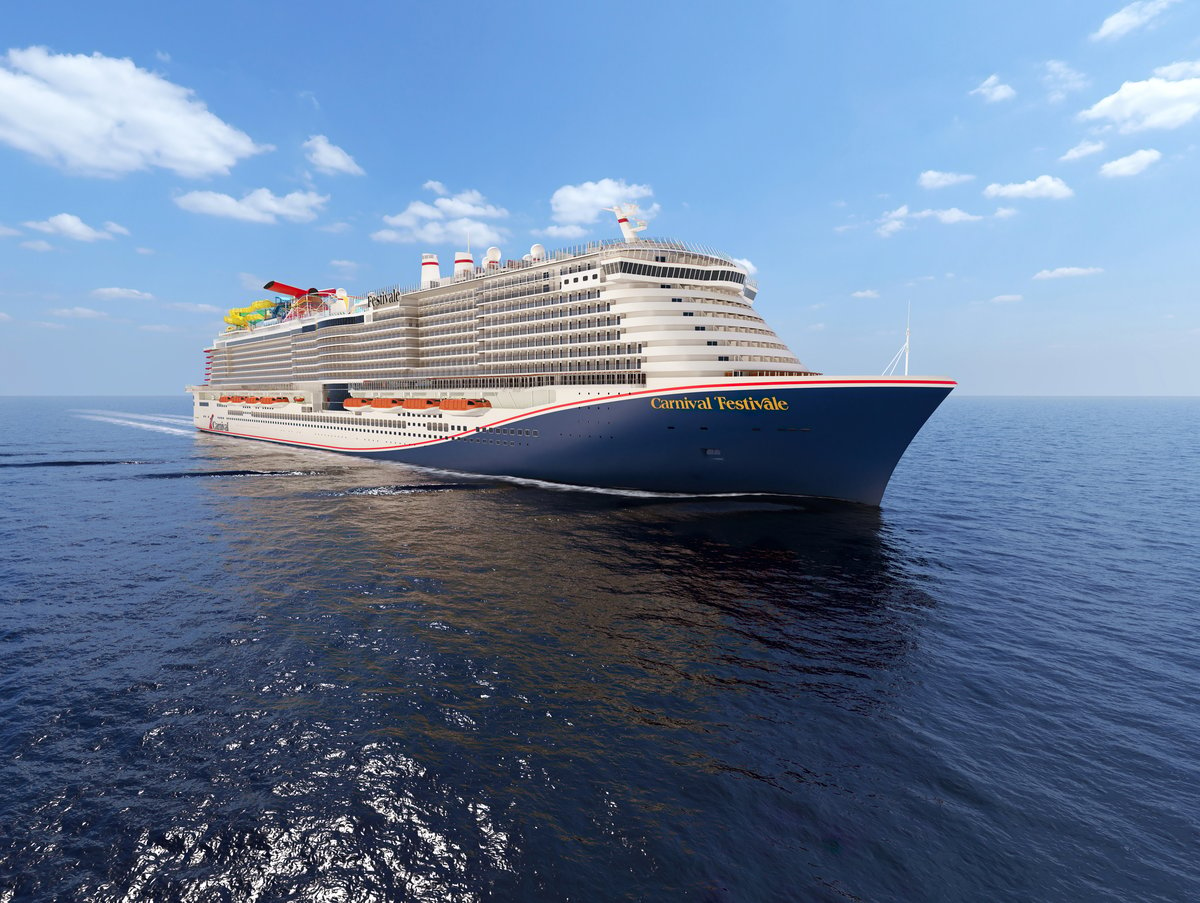
Carnival Reports Strong Earnings but Shares Decline
- Strong Earnings Report: Carnival's fiscal Q1 revenue reached $6.17 billion, a 6.1% increase year-over-year, surpassing estimates of $6.14 billion, indicating robust market demand and improved passenger yields.
- Profit Improvement: GAAP operating income rose from $543 million to $607 million, while adjusted earnings per share increased from $0.13 to $0.20, exceeding the consensus estimate of $0.18, reflecting the company's strong recovery post-pandemic.
- Debt Management Progress: The company successfully reduced its interest expense from $377 million to $291 million, demonstrating ongoing efforts to pay down the substantial debt incurred during the pandemic, thereby enhancing financial stability.
- Cautious Outlook: Despite management's expectation for a 2.75% increase in net yields for the year, the adjusted earnings per share guidance was lowered from $2.48 to $2.21 due to rising oil prices, highlighting the potential impact of external uncertainties on profitability.

Entergy Partners with Meta, Stock Surges Over 8%


- Entergy Stock Surge: Entergy's stock jumped over 8% after announcing a partnership with Meta, which is expected to save Louisiana customers approximately $2 billion over 20 years, significantly enhancing the company's competitive position in the energy market.
- Carnival Lowers Profit Guidance: Carnival revised its full-year adjusted profit forecast down to about $2.21 per share from $2.48, resulting in a more than 3% drop in its stock price and causing peers like Norwegian Cruise Line and Royal Caribbean to experience similar declines.
- Meta Stock Decline: Meta's shares fell over 3% due to losing two pivotal court cases and announcing layoffs, leading to an 11% drop over the week, highlighting the legal and operational challenges the company is currently facing.
- Argan Exceeds Earnings Expectations: Argan reported fourth-quarter earnings of $3.47 per share on revenue of $262.1 million, surpassing analyst expectations, which led to a 35% increase in its stock price, showcasing its strong market performance and growth potential.
Carnival Corp Surpasses Q1 Forecasts and Announces $2.5B Buyback — What’s Causing CCL Stock to Decline Today?
Carnival Corp's Financial Outlook: The company forecasts an average Brent crude price of $90 per barrel for April and May, while also approving a $2.5 billion share buyback program as part of a broader $14 billion strategy to enhance shareholder value.
Earnings and Revenue Performance: Carnival Corp reported better-than-expected first-quarter revenue of $6.17 billion, surpassing estimates, and earnings per share of $0.19, which also exceeded consensus estimates.
Impact of Oil Prices: The company has adjusted its full-year profit outlook for 2026 down to $3.07 billion due to rising fuel prices, which are expected to pressure margins, with Brent crude futures surging over 50% since late February.
Positive Booking Trends: Despite challenges, bookings for 2026 have doubled, positioning the company well for the remainder of the year, with nearly 85% of the year's bookings already secured at historically high prices.
Latest Wall Street Rating Updates
- UBS Upgrade: UBS upgrades Adecoagro from Neutral to Buy, raising the price target from $8 to $16.2, indicating the company is poised to benefit from the ongoing Middle East conflict, which is expected to enhance its financial performance.
- HSBC Bullish on Carnival: HSBC upgrades Carnival from Hold to Buy, asserting that the current share price undervalues the resilience of experience-led demand, which is likely to improve the company's market performance in the near future.
- Morgan Stanley Reiterates Meta: Morgan Stanley lowers its price target for Meta from $825 to $775 but maintains it as a top investment idea, suggesting that market sentiment has bottomed out, making it an opportune time to buy.
- Deutsche Bank Upgrades Colgate: Deutsche Bank upgrades Colgate-Palmolive from Hold to Buy, highlighting the company's core business as having long-term investment value and the ability to weather current market volatility effectively.
HSBC Upgrades Carnival Stock to Buy Amid Fuel Price Volatility
- Rating Upgrade: HSBC upgraded Carnival's stock from hold to buy, trimming its price target from $33.60 to $30.10, which still implies about a 24% upside from Friday's close, indicating long-term confidence in the stock.
- Fuel Price Volatility Risk: Carnival's stock is trading at a discount due to volatility in fuel prices linked to the Iran war, with analysts noting the company's unhedged exposure to fuel risks, leading to a 23.3% decline since the conflict began.
- Earnings Uncertainty: HSBC analysts acknowledge greater near-term earnings uncertainty for Carnival compared to peers like Royal Caribbean (RCL), which benefit from derivative protection, yet Carnival trades at around 10 times forward earnings, significantly below the two-year average of 12.4.
- Demand Resilience: Despite operational challenges posed by the Middle East conflict, Carnival is expected to weather these issues due to its strong value proposition and flexibility in responding to demand shifts, with the market underestimating the resilience of experience-led demand, as approximately 85% of 2026 bookings are already secured at healthy pricing.
Carnival Cuts Full-Year Profit Forecast Despite Beating Estimates
- Earnings Beat: Carnival reported first-quarter revenue of $6.17 billion, a 6.1% increase year-over-year, surpassing estimates of $6.14 billion, demonstrating resilience amid global travel market disruptions.
- Profit Guidance Cut: Despite improvements in net yields and earnings per share, Carnival lowered its full-year adjusted EPS guidance from $2.48 to $2.21 due to rising fuel costs, anticipating a $0.38 headwind from oil price spikes.
- Debt Management Progress: The company continues to reduce its debt post-pandemic, with interest expenses decreasing from $377 million to $291 million, indicating a positive trend in financial health despite rising overall costs.
- Long-Term Growth Targets: Carnival unveiled its new PROPEL program, aiming for a 2.75 net debt/adjusted EBITDA ratio by 2029, planning to refurbish its fleet and destinations, reflecting confidence in future growth prospects.
Carnival Reports Strong Earnings but Shares Decline
- Strong Earnings Report: Carnival's fiscal Q1 revenue reached $6.17 billion, a 6.1% increase year-over-year, surpassing estimates of $6.14 billion, indicating robust market demand and improved passenger yields.
- Profit Improvement: GAAP operating income rose from $543 million to $607 million, while adjusted earnings per share increased from $0.13 to $0.20, exceeding the consensus estimate of $0.18, reflecting the company's strong recovery post-pandemic.
- Debt Management Progress: The company successfully reduced its interest expense from $377 million to $291 million, demonstrating ongoing efforts to pay down the substantial debt incurred during the pandemic, thereby enhancing financial stability.
- Cautious Outlook: Despite management's expectation for a 2.75% increase in net yields for the year, the adjusted earnings per share guidance was lowered from $2.48 to $2.21 due to rising oil prices, highlighting the potential impact of external uncertainties on profitability.
Entergy Partners with Meta, Stock Surges Over 8%
- Entergy Stock Surge: Entergy's stock jumped over 8% after announcing a partnership with Meta, which is expected to save Louisiana customers approximately $2 billion over 20 years, significantly enhancing the company's competitive position in the energy market.
- Carnival Lowers Profit Guidance: Carnival revised its full-year adjusted profit forecast down to about $2.21 per share from $2.48, resulting in a more than 3% drop in its stock price and causing peers like Norwegian Cruise Line and Royal Caribbean to experience similar declines.
- Meta Stock Decline: Meta's shares fell over 3% due to losing two pivotal court cases and announcing layoffs, leading to an 11% drop over the week, highlighting the legal and operational challenges the company is currently facing.
- Argan Exceeds Earnings Expectations: Argan reported fourth-quarter earnings of $3.47 per share on revenue of $262.1 million, surpassing analyst expectations, which led to a 35% increase in its stock price, showcasing its strong market performance and growth potential.
Carnival Corp Surpasses Q1 Forecasts and Announces $2.5B Buyback — What’s Causing CCL Stock to Decline Today?
Carnival Corp's Financial Outlook: The company forecasts an average Brent crude price of $90 per barrel for April and May, while also approving a $2.5 billion share buyback program as part of a broader $14 billion strategy to enhance shareholder value.
Earnings and Revenue Performance: Carnival Corp reported better-than-expected first-quarter revenue of $6.17 billion, surpassing estimates, and earnings per share of $0.19, which also exceeded consensus estimates.
Impact of Oil Prices: The company has adjusted its full-year profit outlook for 2026 down to $3.07 billion due to rising fuel prices, which are expected to pressure margins, with Brent crude futures surging over 50% since late February.
Positive Booking Trends: Despite challenges, bookings for 2026 have doubled, positioning the company well for the remainder of the year, with nearly 85% of the year's bookings already secured at historically high prices.