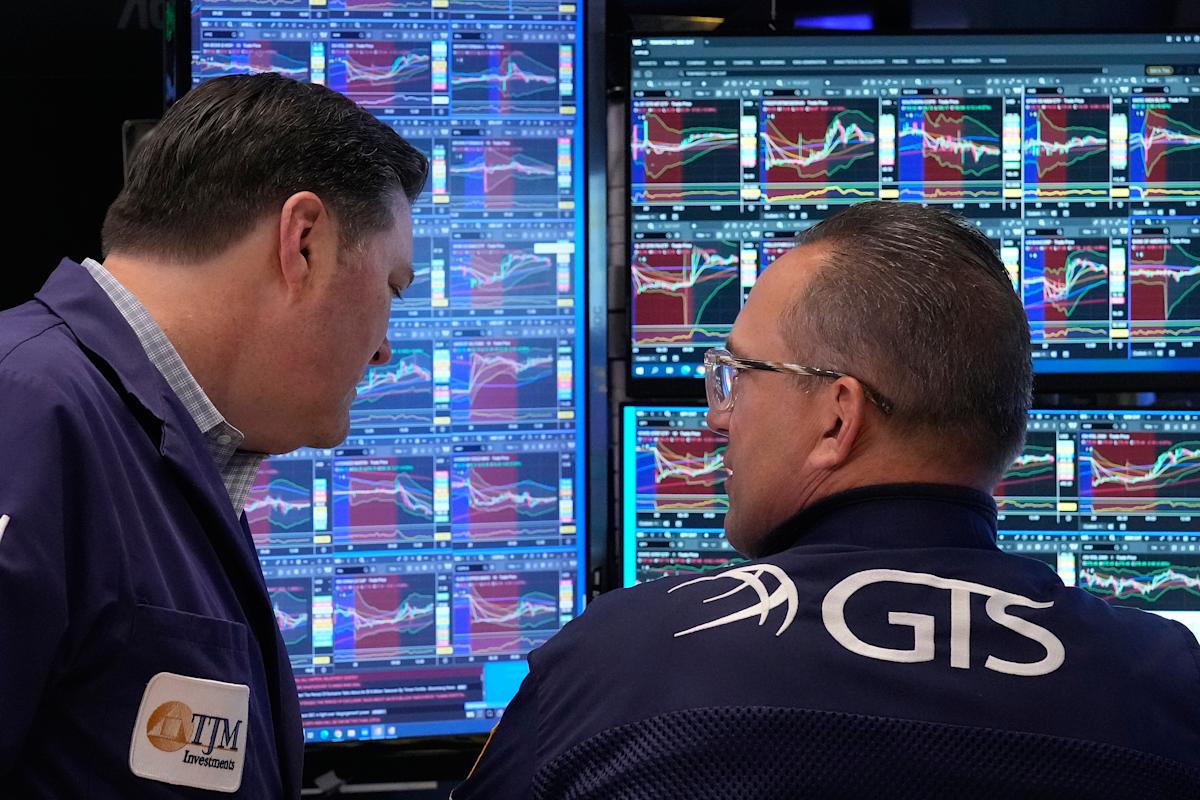
Corning Shares Drop Following Broadcom CEO's Comments
Written by Emily J. Thompson, Senior Investment Analyst
Updated: Mar 05 2026
0mins


Should l Buy GLW?
Source: CNBC
- Overreaction in Market: Corning's shares plummeted on Thursday, primarily due to Broadcom CEO Hock Tan's comments regarding copper usage during the earnings call, despite Corning's unchanged industry outlook and guidance, indicating market sensitivity to short-term news.
- Fiber Optics Outlook: While Tan mentioned that customers might continue using direct-attached copper until 2028, Corning CEO Wendell Weeks emphasized the growing application of fiber optics in data centers during the January earnings call, particularly following the $6 billion agreement with Meta, showcasing the company's strong potential in the fiber market.
- Strategic Alignment: Both Weeks and CFO Edward Schlesinger indicated that the use of optics in scale-out is inevitable, although the timeline for scale-up remains uncertain; Corning's Springboard initiative does not rely on short-term optical revenue, instead providing a conservative outlook for future growth.
- Investor Sentiment Fluctuation: Despite the negative market reaction to Tan's comments, analysts believe this does not reflect Corning's long-term growth potential, highlighting how investors tend to overreact to any potential negative news following significant stock price increases, reminding investors to remain rational in volatile markets.
Trade with 70% Backtested Accuracy
Stop guessing "Should I Buy GLW?" and start using high-conviction signals backed by rigorous historical data.
Sign up today to access powerful investing tools and make smarter, data-driven decisions.
Analyst Views on GLW
Wall Street analysts forecast GLW stock price to fall
10 Analyst Rating
8 Buy
2 Hold
0 Sell
Strong Buy
Current: 165.380

Low
83.00
Averages
99.00
High
110.00
Current: 165.380
Low
83.00
Averages
99.00
High
110.00
About GLW
Corning Incorporated operates as an innovator in materials science. Its segments include Optical Communications, Display, Specialty Materials, Automotive, and Life Sciences. Its Optical Communications segment manufactures carrier network and enterprise network components for the telecommunications industry. Its Display segment manufactures glass substrates for flat-panel displays, including liquid crystal displays and organic light-emitting diodes. Its Specialty Materials segment manufactures products that provide material formulations for glass, glass ceramics and crystals, precision metrology instruments and software for customer needs. Its Automotive segment manufactures ceramic substrates and filter products for emissions control systems in mobile applications as well as technical glass and optic products and solutions for the interior and exterior of vehicles. Its Life Sciences segment develops, manufactures, and supplies laboratory products.
About the author

Emily J. Thompson
Emily J. Thompson, a Chartered Financial Analyst (CFA) with 12 years in investment research, graduated with honors from the Wharton School. Specializing in industrial and technology stocks, she provides in-depth analysis for Intellectia’s earnings and market brief reports.

XLK ETF 52-Week Price Analysis


- Price Range Analysis: The XLK ETF's 52-week low is $94.635 per share, with a high of $156.07, and the last trade at $155.75 indicates stability near the high, potentially attracting investor interest in its technical performance.
- Technical Analysis Tool: Comparing the current share price to the 200-day moving average can provide valuable insights for investors, helping to assess market trends and identify potential buy or sell opportunities.
- ETF Trading Mechanism: Exchange-traded funds (ETFs) trade like stocks, where investors buy and sell 'units' that can be created or destroyed based on demand, impacting the ETF's liquidity and market performance.
- Inflows and Outflows Monitoring: Weekly monitoring of changes in shares outstanding for ETFs helps identify those experiencing significant inflows (new units created) or outflows (old units destroyed), as these liquidity shifts can affect the underlying stocks held within the ETFs.
See More

Apple's New CEO Takes Over Amid Optimistic Market Outlook

- Apple Leadership Change: Apple announced that Senior Vice President of Hardware Engineering John Ternus will take over as CEO on September 1, succeeding Tim Cook, who has led the company to a market cap increase of over 20 times to $4 trillion since 2011, presenting Ternus with significant leadership challenges.
- UnitedHealth Earnings Beat: UnitedHealth reported strong quarterly results with a medical benefit ratio of 83.9%, better than the 85.5% consensus, leading to a more than 7% increase in shares, alongside a plan to buy back at least $2 billion in stock by Q2, indicating robust financial health.
- GE Aerospace Performance: GE Aerospace's quarterly results exceeded expectations with orders rising 87% to $23 billion and revenue increasing 25% to $12.39 billion, and despite travel issues in Asia and the U.S., management maintained prior guidance, reflecting ongoing improvements in the defense sector.
- Amazon's Increased Investment: Amazon is boosting its investment in AI company Anthropic by an additional $5 billion, with an option for $20 billion more upon achieving commercial milestones, aiming to reduce reliance on Nvidia and address the growing demand for computing power, showcasing Amazon's strategic positioning in the AI landscape.
See More

S&P 500 Flat Amid Rising Oil Prices and Earnings Outlook


- Market Dynamics: The S&P 500 remained flat on Monday despite escalating tensions between the U.S. and Iran, while West Texas Intermediate crude surged 5% to over $88 per barrel, indicating market sensitivity to oil price fluctuations.
- Company Update: Bank of America analysts raised Corning's price target from $155 to $186, highlighting that its scale-out potential for increasing compute capacity is not reflected in current valuations, which is expected to drive demand for fiber-optic networking, although this may pressure margins in the near term.
- Apple Outlook: Morgan Stanley named Apple a 'tactical long', forecasting that memory-related gross margin pressures will be offset by positive June-quarter guidance, with upcoming catalysts including the WWDC and the foldable iPhone launch.
- Investment Strategy: Jim Cramer noted in the livestream that while recent cautious calls on Corning may lead to a potential stock decline, opportunistic investors in the market may seize the chance to buy, reflecting confidence in future earnings.
See More

Market Dynamics: The Tug-of-War Between Bonds and Oil Prices


- Bond Market Stability: The slight decline in bond yields indicates a stable market outlook, which helps support the stock market, particularly amid oil price fluctuations, thereby reducing investor panic.
- Tech Stock Recovery: The so-called 'Magnificent Seven' tech companies, including Alphabet and Amazon, are beginning to reap benefits from their previous high expenditures, enhancing market confidence in their future profitability, which could drive further market gains.
- Rise of the AI Economy: The emergence of AI agents is expected to significantly reduce hiring and operational costs for enterprises, driving demand for chips like Nvidia's, which will further boost growth for related companies.
- Improved Investor Sentiment: Despite ongoing market uncertainties, the combination of low bond yields and strong performance from tech stocks fosters an optimistic outlook among investors, potentially attracting more capital into the stock market.
See More
US Stocks Close Higher with Chipmakers Rallying


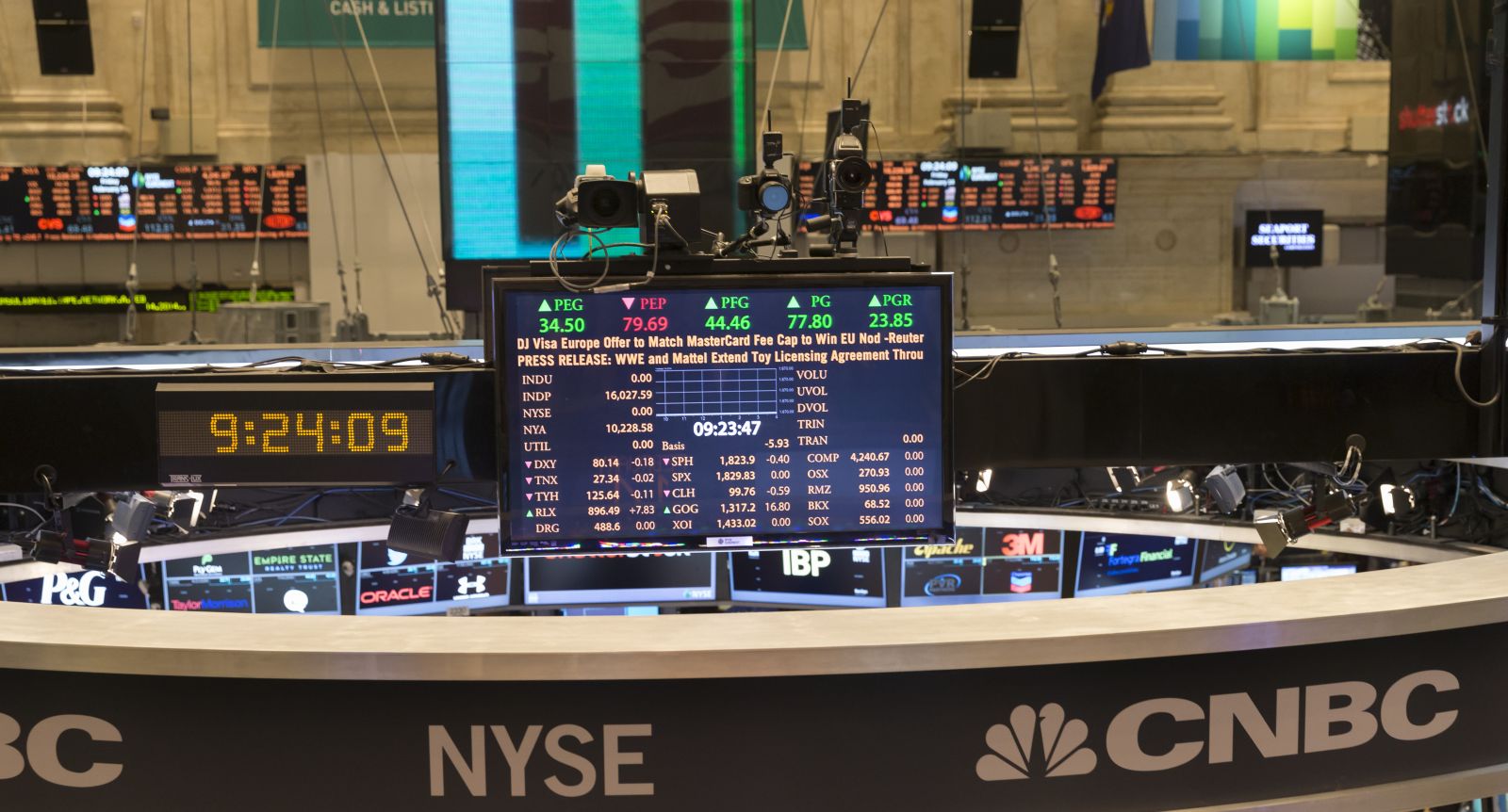
- Market Recovery: On Thursday, the S&P 500 rose by 0.26% and the Nasdaq 100 by 0.49%, reaching new highs, indicating a strong rebound after early losses and reflecting investor confidence in economic recovery.
- Chip Sector Boost: Taiwan Semiconductor Manufacturing Co raised its 2026 revenue forecast, highlighting strong AI demand, which propelled chipmakers' stock prices, particularly benefiting major suppliers to Nvidia and Apple, further enhancing market optimism.
- Oil Price Impact: Despite the stock market gains, crude oil prices surged over 3%, raising concerns about the Middle East situation and limiting the market's upward momentum, illustrating the potential impact of energy prices on the overall economy.
- Mixed Economic Data: Initial jobless claims fell to 207,000, exceeding expectations and indicating labor market strength, but unexpected declines in manufacturing production reflect economic uncertainty, which could influence future monetary policy.
See More

US Stocks Dip Slightly as Chipmakers Weigh on Market


- Market Performance: The S&P 500 index fell by 0.15%, the Dow Jones Industrial Average decreased by 0.06%, and the Nasdaq 100 dropped by 0.21%, indicating a slight market pullback after reaching new highs, particularly pressured by weakness in chipmakers.
- Economic Data: Initial jobless claims in the US fell by 11,000 to 207,000, indicating a stronger labor market than the expected 213,000; additionally, the Philadelphia Fed business outlook unexpectedly rose by 8.6 to a 15-month high of 26.7, reflecting potential economic recovery.
- Oil Price Fluctuations: WTI crude oil prices increased by over 1% as the US naval blockade of the Strait of Hormuz enters its fourth day, which could exacerbate global oil and fuel shortages, impacting future energy market stability.
- Earnings Season: Q1 earnings for the S&P 500 are projected to rise by 12% year-over-year, but excluding the technology sector, the earnings growth is only 3%, the lowest in two years, indicating a cautious market outlook on profit growth.
See More
XLK ETF 52-Week Price Analysis
- Price Range Analysis: The XLK ETF's 52-week low is $94.635 per share, with a high of $156.07, and the last trade at $155.75 indicates stability near the high, potentially attracting investor interest in its technical performance.
- Technical Analysis Tool: Comparing the current share price to the 200-day moving average can provide valuable insights for investors, helping to assess market trends and identify potential buy or sell opportunities.
- ETF Trading Mechanism: Exchange-traded funds (ETFs) trade like stocks, where investors buy and sell 'units' that can be created or destroyed based on demand, impacting the ETF's liquidity and market performance.
- Inflows and Outflows Monitoring: Weekly monitoring of changes in shares outstanding for ETFs helps identify those experiencing significant inflows (new units created) or outflows (old units destroyed), as these liquidity shifts can affect the underlying stocks held within the ETFs.
See More
Apple's New CEO Takes Over Amid Optimistic Market Outlook
- Apple Leadership Change: Apple announced that Senior Vice President of Hardware Engineering John Ternus will take over as CEO on September 1, succeeding Tim Cook, who has led the company to a market cap increase of over 20 times to $4 trillion since 2011, presenting Ternus with significant leadership challenges.
- UnitedHealth Earnings Beat: UnitedHealth reported strong quarterly results with a medical benefit ratio of 83.9%, better than the 85.5% consensus, leading to a more than 7% increase in shares, alongside a plan to buy back at least $2 billion in stock by Q2, indicating robust financial health.
- GE Aerospace Performance: GE Aerospace's quarterly results exceeded expectations with orders rising 87% to $23 billion and revenue increasing 25% to $12.39 billion, and despite travel issues in Asia and the U.S., management maintained prior guidance, reflecting ongoing improvements in the defense sector.
- Amazon's Increased Investment: Amazon is boosting its investment in AI company Anthropic by an additional $5 billion, with an option for $20 billion more upon achieving commercial milestones, aiming to reduce reliance on Nvidia and address the growing demand for computing power, showcasing Amazon's strategic positioning in the AI landscape.
See More
S&P 500 Flat Amid Rising Oil Prices and Earnings Outlook
- Market Dynamics: The S&P 500 remained flat on Monday despite escalating tensions between the U.S. and Iran, while West Texas Intermediate crude surged 5% to over $88 per barrel, indicating market sensitivity to oil price fluctuations.
- Company Update: Bank of America analysts raised Corning's price target from $155 to $186, highlighting that its scale-out potential for increasing compute capacity is not reflected in current valuations, which is expected to drive demand for fiber-optic networking, although this may pressure margins in the near term.
- Apple Outlook: Morgan Stanley named Apple a 'tactical long', forecasting that memory-related gross margin pressures will be offset by positive June-quarter guidance, with upcoming catalysts including the WWDC and the foldable iPhone launch.
- Investment Strategy: Jim Cramer noted in the livestream that while recent cautious calls on Corning may lead to a potential stock decline, opportunistic investors in the market may seize the chance to buy, reflecting confidence in future earnings.
See More
Market Dynamics: The Tug-of-War Between Bonds and Oil Prices
- Bond Market Stability: The slight decline in bond yields indicates a stable market outlook, which helps support the stock market, particularly amid oil price fluctuations, thereby reducing investor panic.
- Tech Stock Recovery: The so-called 'Magnificent Seven' tech companies, including Alphabet and Amazon, are beginning to reap benefits from their previous high expenditures, enhancing market confidence in their future profitability, which could drive further market gains.
- Rise of the AI Economy: The emergence of AI agents is expected to significantly reduce hiring and operational costs for enterprises, driving demand for chips like Nvidia's, which will further boost growth for related companies.
- Improved Investor Sentiment: Despite ongoing market uncertainties, the combination of low bond yields and strong performance from tech stocks fosters an optimistic outlook among investors, potentially attracting more capital into the stock market.
See More
US Stocks Close Higher with Chipmakers Rallying
- Market Recovery: On Thursday, the S&P 500 rose by 0.26% and the Nasdaq 100 by 0.49%, reaching new highs, indicating a strong rebound after early losses and reflecting investor confidence in economic recovery.
- Chip Sector Boost: Taiwan Semiconductor Manufacturing Co raised its 2026 revenue forecast, highlighting strong AI demand, which propelled chipmakers' stock prices, particularly benefiting major suppliers to Nvidia and Apple, further enhancing market optimism.
- Oil Price Impact: Despite the stock market gains, crude oil prices surged over 3%, raising concerns about the Middle East situation and limiting the market's upward momentum, illustrating the potential impact of energy prices on the overall economy.
- Mixed Economic Data: Initial jobless claims fell to 207,000, exceeding expectations and indicating labor market strength, but unexpected declines in manufacturing production reflect economic uncertainty, which could influence future monetary policy.
See More
US Stocks Dip Slightly as Chipmakers Weigh on Market
- Market Performance: The S&P 500 index fell by 0.15%, the Dow Jones Industrial Average decreased by 0.06%, and the Nasdaq 100 dropped by 0.21%, indicating a slight market pullback after reaching new highs, particularly pressured by weakness in chipmakers.
- Economic Data: Initial jobless claims in the US fell by 11,000 to 207,000, indicating a stronger labor market than the expected 213,000; additionally, the Philadelphia Fed business outlook unexpectedly rose by 8.6 to a 15-month high of 26.7, reflecting potential economic recovery.
- Oil Price Fluctuations: WTI crude oil prices increased by over 1% as the US naval blockade of the Strait of Hormuz enters its fourth day, which could exacerbate global oil and fuel shortages, impacting future energy market stability.
- Earnings Season: Q1 earnings for the S&P 500 are projected to rise by 12% year-over-year, but excluding the technology sector, the earnings growth is only 3%, the lowest in two years, indicating a cautious market outlook on profit growth.
See More