Coalition's Founding Members Feature Carrier, Google, Renew Home, Sparkfund, Span, Verrus, and Tesla
Written by Emily J. Thompson, Senior Investment Analyst
Updated: Mar 10 2026
0mins

Should l Buy GOOG?
Source: moomoo
- Founding Members of Coalition: The coalition includes prominent companies such as Carrier, Google, Renew Home, SparkFund, Span, Verus, and Tesla.
- Purpose of the Coalition: The coalition aims to address and promote initiatives related to sustainability and innovation in the energy sector.
Trade with 70% Backtested Accuracy
Stop guessing "Should I Buy GOOG?" and start using high-conviction signals backed by rigorous historical data.
Sign up today to access powerful investing tools and make smarter, data-driven decisions.
Analyst Views on GOOG
Wall Street analysts forecast GOOG stock price to rise
15 Analyst Rating
14 Buy
1 Hold
0 Sell
Strong Buy
Current: 273.140

Low
255.00
Averages
336.08
High
400.00
Current: 273.140
Low
255.00
Averages
336.08
High
400.00
About GOOG
Alphabet Inc. is a holding company. The Company's segments include Google Services, Google Cloud, and Other Bets. The Google Services segment includes products and services such as ads, Android, Chrome, devices, Google Maps, Google Play, Search, and YouTube. The Google Cloud segment includes infrastructure and platform services, collaboration tools, and other services for enterprise customers. Its Other Bets segment is engaged in the sale of healthcare-related services and Internet services. Its Google Cloud provides enterprise-ready cloud services, including Google Cloud Platform and Google Workspace. Google Cloud Platform provides access to solutions such as artificial intelligence (AI) offerings, including its AI infrastructure, Vertex AI platform, and Gemini for Google Cloud; cybersecurity, and data and analytics. Google Workspace includes cloud-based communication and collaboration tools for enterprises, such as Calendar, Gmail, Docs, Drive, and Meet.
About the author

Emily J. Thompson
Emily J. Thompson, a Chartered Financial Analyst (CFA) with 12 years in investment research, graduated with honors from the Wharton School. Specializing in industrial and technology stocks, she provides in-depth analysis for Intellectia’s earnings and market brief reports.

Alphabet's Stock Price Forecast for 2031


- Earnings Projection: Assuming Alphabet's P/E ratio remains around 25, revenue is expected to grow from $403 billion last year to $800 billion by 2030, with net income reaching $240 billion, indicating stable growth potential over the next five years.
- Market Challenges: Despite projected revenue growth, Alphabet's advertising business faces saturation challenges, which could lower revenue estimates from $800 billion to $700 billion, impacting future stock performance.
- AI-Driven Growth: Should Alphabet's AI initiatives exceed expectations, its cloud computing revenue could rise from $58.7 billion in 2025 to $180 billion by 2030, potentially pushing the stock price closer to $560.
- Market Uncertainty: While there are positive growth forecasts, uncertainties in the market and shifts away from traditional search engines may affect Alphabet's long-term performance, necessitating caution from investors regarding these projections.
See More

Analysis of Alphabet's Future Growth Prospects
- Revenue Growth Forecast: Alphabet's revenue is projected to grow from last year's $403 billion to approximately $800 billion by 2030, reflecting the company's ongoing expansion in cloud computing and artificial intelligence, despite challenges in its advertising business facing saturation.
- Net Profit Expectations: Under these assumptions, Alphabet's net income is expected to rise from $129 billion in 2025 to $240 billion by 2030, showcasing the company's potential in high-margin businesses, although uncertainties remain for the future.
- Stock Price Outlook: Based on the above projections, Alphabet's stock price could reach $500 per share by 2030, reflecting reasonable expectations of its future profitability, although market conditions may influence this outcome.
- Market Risk Assessment: While the growth potential in AI and cloud computing is significant, the revenue from traditional search advertising could halve, leading to a downward revision of revenue expectations to around $700 billion, highlighting the importance of market dynamics on the company's future performance.
See More

Google Launches Cost-Effective Veo 3.1 Lite AI Video Model
- New Product Launch: Google unveiled Veo 3.1 Lite on Tuesday, its most cost-effective AI video model that enables developers to build high-volume video applications at less than 50% of the cost of Veo 3.1 Fast, significantly lowering the barrier for video generation.
- Pricing Adjustment Plan: Google also announced plans to cut prices for Veo 3.1 Fast on April 7, which will allow more developers to integrate video generation technology into their products, thereby expanding market reach and enhancing competitiveness.
- Technical Specification Advantages: Veo 3.1 Lite supports text-to-video and image-to-video, offering flexible framing options in 16:9 and 9:16 ratios, with support for 720p and 1080p video resolutions, while allowing developers to customize video duration, further enhancing product adaptability.
- Positive Market Reaction: Following the announcement, Google's shares jumped about 5%, reflecting a positive market response to the new product and indicating investor confidence in Google's ongoing innovation and leadership in the AI video sector.
See More
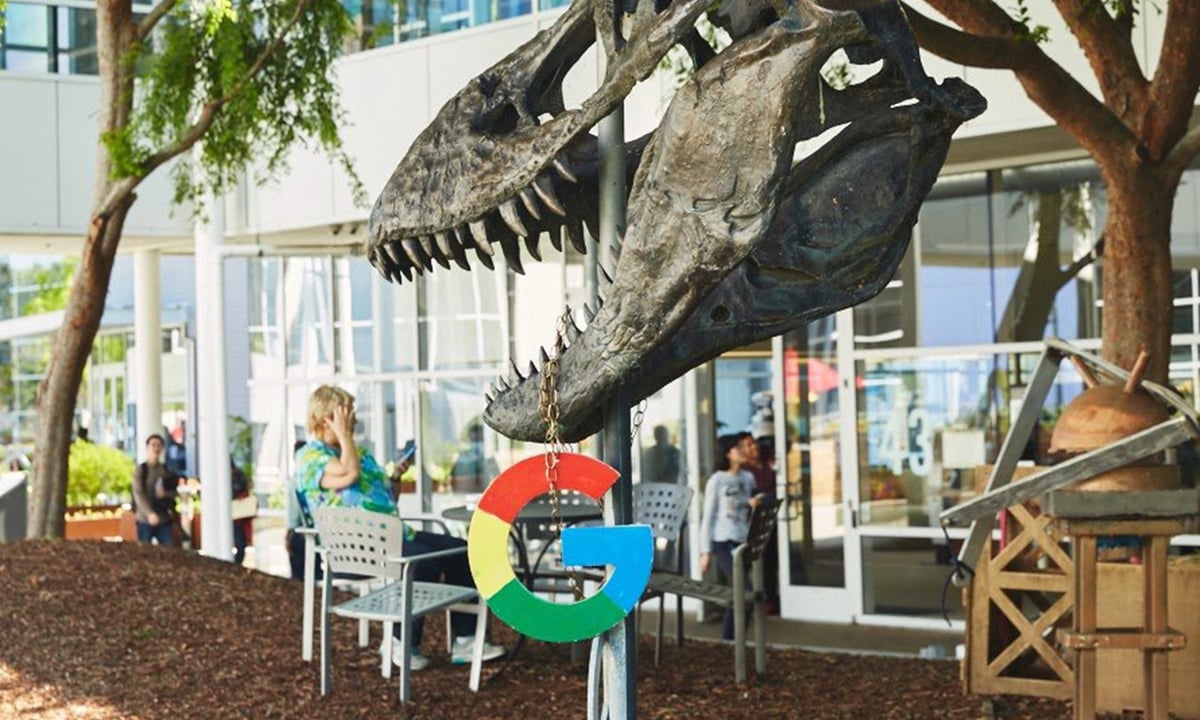
OpenAI Shuts Down Sora, Alphabet Launches New Tool Veo 3.1 Lite
- Project Shutdown Impact: OpenAI's decision to shut down the Sora video generation project to save costs and computing power indicates a strategic shift towards more commercially viable projects, potentially affecting its competitive edge in the market.
- New Tool Launch: Alphabet has introduced the Veo 3.1 Lite video generation tool, priced at half of the Veo 3.1 Fast, aimed at empowering developers to build high-volume video applications, thereby further solidifying its market position in AI video generation.
- Pricing Strategy Adjustment: Alphabet also announced a one-third price cut for Veo 3.1 Fast, demonstrating an aggressive pricing strategy to capitalize on OpenAI's exit and expand its market share in the competitive landscape.
- Market Outlook Analysis: While OpenAI's exit does not completely clear the AI video generation field, it provides Alphabet with a larger market opportunity, and if it effectively executes its strategy, it could potentially dominate this sector.
See More

Citi Lowers Micron Technology Price Target to $425


- Price Target Adjustment: Citi has reduced its price target for Micron Technology from $510 to $425, primarily due to a 6% decline in mainstream DDR5 DRAM prices since the company's quarterly results on March 18, which directly impacts market expectations.
- Price Pressure Factors: The bank highlighted that Google's TurboQuant compression technique has exerted pressure on spot prices, resulting in a roughly 19% decline in Micron's stock since Google detailed the method in a research blog post on March 24, reflecting market concerns about future price trends.
- Long-Term Contract Negotiations: Analysts noted that memory suppliers are negotiating multiyear agreements with hyperscale customers to lock in base volumes and prepayments, with such contracts potentially including quarterly pricing adjustments that could support contract prices and enhance market stability.
- Growth in Compute Demand: TurboQuant reduces the memory footprint of AI models through quantization techniques, and Citi believes that these efficiency gains could ultimately increase overall compute demand, similar to the market response seen after DeepSeek's earlier breakthrough, indicating the potential driving force of technological advancements in the industry.
See More

OpenAI Retires Sora, Signaling Industry Disruption

- Project Termination Reasons: OpenAI announced the retirement of the Sora app, citing cost-cutting and resource reallocation as primary motivations, reflecting the company's struggle to find a viable profit model.
- Market Response Lacks Momentum: After its launch in October 2025, Sora saw a spike in downloads, but user numbers quickly faded, indicating market fatigue towards short AI-generated videos and a failure to establish effective business use cases.
- Intensified Industry Competition: The termination of Sora opens opportunities for competitors, particularly Anthropic and Alphabet, the latter of which is projected to invest $175 billion to $185 billion in AI infrastructure, further solidifying its market position.
- Financial Pressures Emerge: With operational costs for Sora reaching $15 million per day against a total revenue of only $2.1 million, OpenAI faces a cash flow crisis that could impact its future investment and development strategies.
See More
Alphabet's Stock Price Forecast for 2031
- Earnings Projection: Assuming Alphabet's P/E ratio remains around 25, revenue is expected to grow from $403 billion last year to $800 billion by 2030, with net income reaching $240 billion, indicating stable growth potential over the next five years.
- Market Challenges: Despite projected revenue growth, Alphabet's advertising business faces saturation challenges, which could lower revenue estimates from $800 billion to $700 billion, impacting future stock performance.
- AI-Driven Growth: Should Alphabet's AI initiatives exceed expectations, its cloud computing revenue could rise from $58.7 billion in 2025 to $180 billion by 2030, potentially pushing the stock price closer to $560.
- Market Uncertainty: While there are positive growth forecasts, uncertainties in the market and shifts away from traditional search engines may affect Alphabet's long-term performance, necessitating caution from investors regarding these projections.
See More
Analysis of Alphabet's Future Growth Prospects
- Revenue Growth Forecast: Alphabet's revenue is projected to grow from last year's $403 billion to approximately $800 billion by 2030, reflecting the company's ongoing expansion in cloud computing and artificial intelligence, despite challenges in its advertising business facing saturation.
- Net Profit Expectations: Under these assumptions, Alphabet's net income is expected to rise from $129 billion in 2025 to $240 billion by 2030, showcasing the company's potential in high-margin businesses, although uncertainties remain for the future.
- Stock Price Outlook: Based on the above projections, Alphabet's stock price could reach $500 per share by 2030, reflecting reasonable expectations of its future profitability, although market conditions may influence this outcome.
- Market Risk Assessment: While the growth potential in AI and cloud computing is significant, the revenue from traditional search advertising could halve, leading to a downward revision of revenue expectations to around $700 billion, highlighting the importance of market dynamics on the company's future performance.
See More
Google Launches Cost-Effective Veo 3.1 Lite AI Video Model
- New Product Launch: Google unveiled Veo 3.1 Lite on Tuesday, its most cost-effective AI video model that enables developers to build high-volume video applications at less than 50% of the cost of Veo 3.1 Fast, significantly lowering the barrier for video generation.
- Pricing Adjustment Plan: Google also announced plans to cut prices for Veo 3.1 Fast on April 7, which will allow more developers to integrate video generation technology into their products, thereby expanding market reach and enhancing competitiveness.
- Technical Specification Advantages: Veo 3.1 Lite supports text-to-video and image-to-video, offering flexible framing options in 16:9 and 9:16 ratios, with support for 720p and 1080p video resolutions, while allowing developers to customize video duration, further enhancing product adaptability.
- Positive Market Reaction: Following the announcement, Google's shares jumped about 5%, reflecting a positive market response to the new product and indicating investor confidence in Google's ongoing innovation and leadership in the AI video sector.
See More
OpenAI Shuts Down Sora, Alphabet Launches New Tool Veo 3.1 Lite
- Project Shutdown Impact: OpenAI's decision to shut down the Sora video generation project to save costs and computing power indicates a strategic shift towards more commercially viable projects, potentially affecting its competitive edge in the market.
- New Tool Launch: Alphabet has introduced the Veo 3.1 Lite video generation tool, priced at half of the Veo 3.1 Fast, aimed at empowering developers to build high-volume video applications, thereby further solidifying its market position in AI video generation.
- Pricing Strategy Adjustment: Alphabet also announced a one-third price cut for Veo 3.1 Fast, demonstrating an aggressive pricing strategy to capitalize on OpenAI's exit and expand its market share in the competitive landscape.
- Market Outlook Analysis: While OpenAI's exit does not completely clear the AI video generation field, it provides Alphabet with a larger market opportunity, and if it effectively executes its strategy, it could potentially dominate this sector.
See More
Citi Lowers Micron Technology Price Target to $425
- Price Target Adjustment: Citi has reduced its price target for Micron Technology from $510 to $425, primarily due to a 6% decline in mainstream DDR5 DRAM prices since the company's quarterly results on March 18, which directly impacts market expectations.
- Price Pressure Factors: The bank highlighted that Google's TurboQuant compression technique has exerted pressure on spot prices, resulting in a roughly 19% decline in Micron's stock since Google detailed the method in a research blog post on March 24, reflecting market concerns about future price trends.
- Long-Term Contract Negotiations: Analysts noted that memory suppliers are negotiating multiyear agreements with hyperscale customers to lock in base volumes and prepayments, with such contracts potentially including quarterly pricing adjustments that could support contract prices and enhance market stability.
- Growth in Compute Demand: TurboQuant reduces the memory footprint of AI models through quantization techniques, and Citi believes that these efficiency gains could ultimately increase overall compute demand, similar to the market response seen after DeepSeek's earlier breakthrough, indicating the potential driving force of technological advancements in the industry.
See More
OpenAI Retires Sora, Signaling Industry Disruption
- Project Termination Reasons: OpenAI announced the retirement of the Sora app, citing cost-cutting and resource reallocation as primary motivations, reflecting the company's struggle to find a viable profit model.
- Market Response Lacks Momentum: After its launch in October 2025, Sora saw a spike in downloads, but user numbers quickly faded, indicating market fatigue towards short AI-generated videos and a failure to establish effective business use cases.
- Intensified Industry Competition: The termination of Sora opens opportunities for competitors, particularly Anthropic and Alphabet, the latter of which is projected to invest $175 billion to $185 billion in AI infrastructure, further solidifying its market position.
- Financial Pressures Emerge: With operational costs for Sora reaching $15 million per day against a total revenue of only $2.1 million, OpenAI faces a cash flow crisis that could impact its future investment and development strategies.
See More