Bullish Retail Sentiment on Cruise Line Stocks Amid Easing Tensions
Written by Emily J. Thompson, Senior Investment Analyst
Updated: 2 days ago
0mins

Should l Buy RCL?
Source: stocktwits
- Oil Price Impact: Brent crude oil prices have slipped below $100 per barrel, easing fears of a US-Iran conflict, which has boosted market sentiment for cruise operators, although RCL and CCL shares are expected to decline by 2% to 4% by the end of the week.
- Analyst Rating Changes: Despite Wells Fargo and UBS lowering their price targets for RCL to $349 and $321 respectively, both firms maintain 'Buy' ratings, indicating long-term confidence in the cruise industry amid current oil price volatility.
- Attractive Valuations: Shares of RCL, CCL, and NCLH are trading below their 10-year median P/E of 16.01 times, suggesting these stocks are currently undervalued, which may attract investor interest, although high fuel prices could impact profit margins.
- Strong Bookings Support Sentiment: The robust booking trends for cruise operators have bolstered market sentiment, even as RCL, CCL, and NCLH shares have dropped 6% and nearly 12% year-to-date, yet investors remain optimistic about future prospects.
Trade with 70% Backtested Accuracy
Stop guessing "Should I Buy RCL?" and start using high-conviction signals backed by rigorous historical data.
Sign up today to access powerful investing tools and make smarter, data-driven decisions.
Analyst Views on RCL
Wall Street analysts forecast RCL stock price to rise
16 Analyst Rating
12 Buy
4 Hold
0 Sell
Strong Buy
Current: 265.950

Low
275.00
Averages
327.80
High
400.00
Current: 265.950
Low
275.00
Averages
327.80
High
400.00
About RCL
Royal Caribbean Cruises Ltd. is a cruise company, which owns and operates three global cruise brands: Royal Caribbean, Celebrity Cruises and Silversea Cruises. It also has an interest in TUI Cruises GmbH, which operates the German brands TUI Cruises and Hapag-Lloyd Cruises. Its ships offer a selection of worldwide itineraries that call on approximately 1,000 destinations on all seven continents. Royal Caribbean offers cruises and land destinations that generally feature a casual ambiance, as well as a variety of activities and entertainment venues. Celebrity Cruises offers a range of itineraries to destinations, including Alaska, Asia, Australia, Bermuda, Canada, the Caribbean, Europe, the Galapagos Islands, Hawaii, New Zealand, the Panama Canal and South America, with cruise lengths ranging from three to 14 nights. It also offers a range of private land destinations through Perfect Day at CocoCay and Royal Beach Club collection.
About the author

Emily J. Thompson
Emily J. Thompson, a Chartered Financial Analyst (CFA) with 12 years in investment research, graduated with honors from the Wharton School. Specializing in industrial and technology stocks, she provides in-depth analysis for Intellectia’s earnings and market brief reports.

Strait of Hormuz Reopens, Boosting Royal Caribbean Stock
- Strait Reopening: Iranian Foreign Minister announced the reopening of the Strait of Hormuz to all commercial vessels, signaling a resumption of shipping during the Israel-Lebanon ceasefire, which is expected to boost regional trade and shipping recovery.
- Fuel Cost Reduction: The reopening of the Strait significantly lowers fuel oil costs for Royal Caribbean, with WTI crude prices falling over 12% and Brent crude dropping more than 10%, directly improving the company's operating costs and profit margins.
- Positive Market Reaction: Following the news of the Strait's reopening, the S&P 500 rose by 1.2%, and Royal Caribbean's stock surged by 10%, reflecting investor optimism and potentially attracting more attention to the company.
- Long-Term Growth Potential: Despite current market uncertainties, Royal Caribbean's price-to-earnings ratio stands at 17 times, with analysts projecting nearly 17% annual growth, providing a potential buying opportunity for investors, especially in light of reduced fuel costs.
See More
Trump Claims $92 Oil is 'Only High' as Prices Plummet


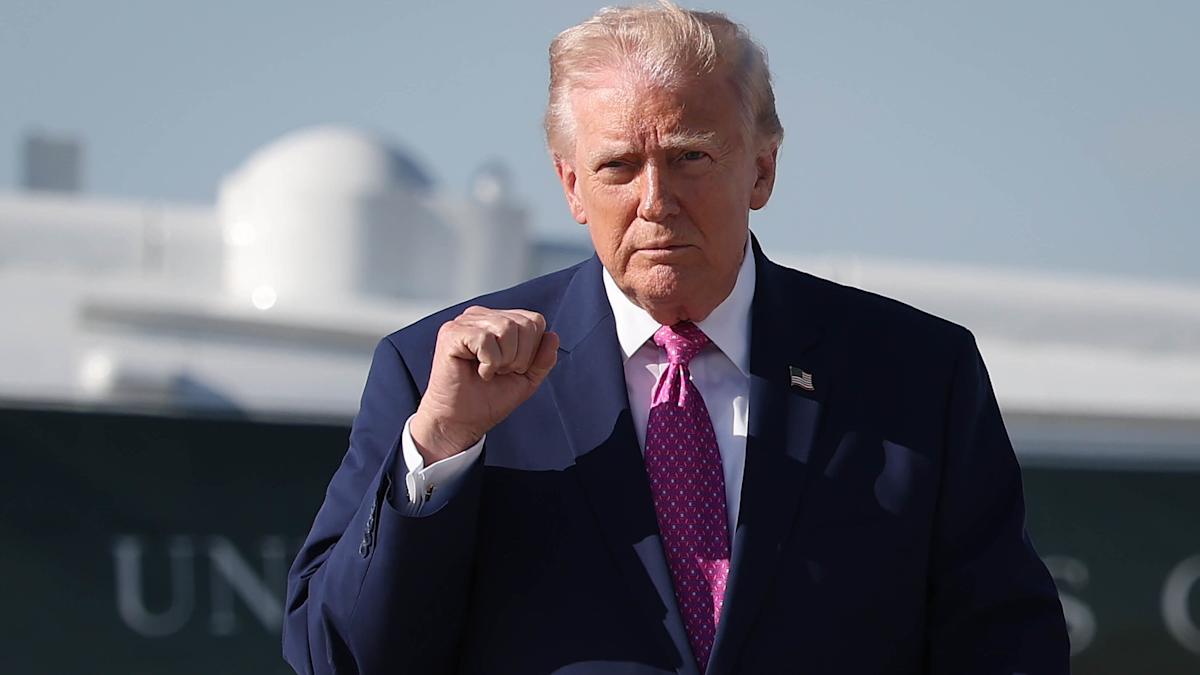
- Oil Price Fluctuation: Trump expressed surprise at oil being only $92 a barrel, which is 27% above pre-war levels, indicating market uncertainty about future price movements and potential volatility.
- Strait of Hormuz Open: Iran's foreign minister announced the Strait of Hormuz was 'completely open,' leading to a more than 9% drop in oil prices within hours, with WTI crude falling to $83.85 and Brent to $90.38, highlighting market sensitivity to supply restoration.
- Supply-Demand Tightness: Analysts warned that despite the Strait's reopening, oil markets are tightening, estimating around 13 million barrels per day of supply disruption, indicating that even with short-term price drops, long-term supply-demand imbalances remain a risk.
- Future Price Forecast: The EIA projected that even after the resumption of oil flows through Hormuz, prices would likely stay elevated due to the time required to sort out backed-up tanker routes and trade flows, reflecting the complexity of future oil price trajectories.
See More

Cruise Industry Positioned for AI-Driven Earnings Surge
- Direct Booking Transformation: Barclays analysts highlight that the cruise industry can enhance profitability by shifting to AI-driven direct bookings, potentially reducing third-party commission expenses by 3% to 6% and increasing earnings per share (EPS) by 12% to 45%.
- Customer Satisfaction Improvement: The application of AI is expected to lower administrative costs while enhancing the customer discovery process, attracting more first-time cruisers and potentially strengthening pricing power in the long term, although these benefits are harder to quantify in the short term.
- Market Penetration Opportunities: Analysts emphasize that the cruise sector's high customer satisfaction and low market penetration provide a solid foundation for AI-driven marketing, particularly among younger, tech-savvy travelers.
- Industry Competitive Advantage: Barclays maintains a bullish outlook on the cruise industry's prospects, believing that the adoption of technology will help companies defend margins in an increasingly competitive global travel landscape, with Royal Caribbean Cruises Ltd leading in AI integration.
See More

US Stocks Surge as Oil Prices Plunge Amid Peace Talks


- Market Rally: The S&P 500 rose 1.20% and the Nasdaq 100 increased by 1.29%, reaching all-time highs, reflecting investor optimism regarding US-Iran peace talks, which may enhance risk appetite in the markets.
- Oil Price Plunge: WTI crude prices fell over 11% to a five-week low after Iran announced the Strait of Hormuz is fully open, easing inflation concerns and causing the 10-year T-note yield to drop 7 basis points to 4.24%.
- Strong Earnings Season: The earnings season started robustly, with 81% of the 48 S&P 500 companies reporting Q1 earnings exceeding estimates, projecting a 12% year-over-year increase in earnings, providing strong support for the stock market.
- Airline Stocks Surge: Airline stocks surged as fuel costs decreased, with Alaska Air Group (ALK) rising over 10% and Royal Caribbean Cruises Ltd (RCL) up more than 7%, indicating market confidence in the recovery of the airline industry.
See More
US Stocks Rally as Oil Prices Plunge Amid Peace Talks
- Market Surge: The S&P 500 rose by 1.28% and the Nasdaq 100 reached an all-time high, reflecting investor optimism driven by peace talks between the US and Iran, which may enhance risk appetite and bolster overall market confidence.
- Oil Price Plunge: WTI crude oil prices fell over 13% to a five-week low after the Strait of Hormuz reopened, easing inflation concerns and causing the 10-year Treasury yield to drop by 8 basis points, further supporting the bond market.
- Earnings Growth Expectations: Q1 earnings for the S&P 500 are projected to increase by 12% year-over-year, although excluding the tech sector, growth is only 3%, indicating resilience in corporate performance amid economic recovery and providing market support.
- Airline Stocks Soar: With reduced fuel costs, Alaska Air Group and United Airlines surged by over 14% and 11%, respectively, demonstrating the positive impact of falling oil prices on the airline industry, which could enhance profitability for related companies.
See More

Strait of Hormuz Reopening Boosts Stock Market
- Market Response: As of 11:50 a.m. ET, the S&P 500 rose by 1.2%, indicating investor optimism regarding the reopening of the Strait of Hormuz, particularly benefiting Royal Caribbean (RCL), whose stock surged by 10.35%, reflecting confidence in the company's future profitability.
- Oil Price Decline: Following the reopening of the Strait, WTI crude prices fell over 12% and Brent crude dropped more than 10%, which will reduce operational costs for Royal Caribbean, enhancing its profit margins, although Brent remains nearly 50% higher than at the start of the year.
- Positive Market Outlook: With Royal Caribbean's price-to-earnings ratio at just 17 times and analysts forecasting nearly 17% annual long-term growth, investors may reconsider purchasing the stock to capitalize on future growth opportunities.
- Geopolitical Risks Persist: While the reopening of the Strait provides short-term benefits for Royal Caribbean, the fragile ceasefire between Iran and Israel could change the situation rapidly, and President Trump maintains the naval blockade on Iran, adding uncertainty to the market.
See More
Strait of Hormuz Reopens, Boosting Royal Caribbean Stock
- Strait Reopening: Iranian Foreign Minister announced the reopening of the Strait of Hormuz to all commercial vessels, signaling a resumption of shipping during the Israel-Lebanon ceasefire, which is expected to boost regional trade and shipping recovery.
- Fuel Cost Reduction: The reopening of the Strait significantly lowers fuel oil costs for Royal Caribbean, with WTI crude prices falling over 12% and Brent crude dropping more than 10%, directly improving the company's operating costs and profit margins.
- Positive Market Reaction: Following the news of the Strait's reopening, the S&P 500 rose by 1.2%, and Royal Caribbean's stock surged by 10%, reflecting investor optimism and potentially attracting more attention to the company.
- Long-Term Growth Potential: Despite current market uncertainties, Royal Caribbean's price-to-earnings ratio stands at 17 times, with analysts projecting nearly 17% annual growth, providing a potential buying opportunity for investors, especially in light of reduced fuel costs.
See More
Trump Claims $92 Oil is 'Only High' as Prices Plummet
- Oil Price Fluctuation: Trump expressed surprise at oil being only $92 a barrel, which is 27% above pre-war levels, indicating market uncertainty about future price movements and potential volatility.
- Strait of Hormuz Open: Iran's foreign minister announced the Strait of Hormuz was 'completely open,' leading to a more than 9% drop in oil prices within hours, with WTI crude falling to $83.85 and Brent to $90.38, highlighting market sensitivity to supply restoration.
- Supply-Demand Tightness: Analysts warned that despite the Strait's reopening, oil markets are tightening, estimating around 13 million barrels per day of supply disruption, indicating that even with short-term price drops, long-term supply-demand imbalances remain a risk.
- Future Price Forecast: The EIA projected that even after the resumption of oil flows through Hormuz, prices would likely stay elevated due to the time required to sort out backed-up tanker routes and trade flows, reflecting the complexity of future oil price trajectories.
See More
Cruise Industry Positioned for AI-Driven Earnings Surge
- Direct Booking Transformation: Barclays analysts highlight that the cruise industry can enhance profitability by shifting to AI-driven direct bookings, potentially reducing third-party commission expenses by 3% to 6% and increasing earnings per share (EPS) by 12% to 45%.
- Customer Satisfaction Improvement: The application of AI is expected to lower administrative costs while enhancing the customer discovery process, attracting more first-time cruisers and potentially strengthening pricing power in the long term, although these benefits are harder to quantify in the short term.
- Market Penetration Opportunities: Analysts emphasize that the cruise sector's high customer satisfaction and low market penetration provide a solid foundation for AI-driven marketing, particularly among younger, tech-savvy travelers.
- Industry Competitive Advantage: Barclays maintains a bullish outlook on the cruise industry's prospects, believing that the adoption of technology will help companies defend margins in an increasingly competitive global travel landscape, with Royal Caribbean Cruises Ltd leading in AI integration.
See More
US Stocks Surge as Oil Prices Plunge Amid Peace Talks
- Market Rally: The S&P 500 rose 1.20% and the Nasdaq 100 increased by 1.29%, reaching all-time highs, reflecting investor optimism regarding US-Iran peace talks, which may enhance risk appetite in the markets.
- Oil Price Plunge: WTI crude prices fell over 11% to a five-week low after Iran announced the Strait of Hormuz is fully open, easing inflation concerns and causing the 10-year T-note yield to drop 7 basis points to 4.24%.
- Strong Earnings Season: The earnings season started robustly, with 81% of the 48 S&P 500 companies reporting Q1 earnings exceeding estimates, projecting a 12% year-over-year increase in earnings, providing strong support for the stock market.
- Airline Stocks Surge: Airline stocks surged as fuel costs decreased, with Alaska Air Group (ALK) rising over 10% and Royal Caribbean Cruises Ltd (RCL) up more than 7%, indicating market confidence in the recovery of the airline industry.
See More
US Stocks Rally as Oil Prices Plunge Amid Peace Talks
- Market Surge: The S&P 500 rose by 1.28% and the Nasdaq 100 reached an all-time high, reflecting investor optimism driven by peace talks between the US and Iran, which may enhance risk appetite and bolster overall market confidence.
- Oil Price Plunge: WTI crude oil prices fell over 13% to a five-week low after the Strait of Hormuz reopened, easing inflation concerns and causing the 10-year Treasury yield to drop by 8 basis points, further supporting the bond market.
- Earnings Growth Expectations: Q1 earnings for the S&P 500 are projected to increase by 12% year-over-year, although excluding the tech sector, growth is only 3%, indicating resilience in corporate performance amid economic recovery and providing market support.
- Airline Stocks Soar: With reduced fuel costs, Alaska Air Group and United Airlines surged by over 14% and 11%, respectively, demonstrating the positive impact of falling oil prices on the airline industry, which could enhance profitability for related companies.
See More
Strait of Hormuz Reopening Boosts Stock Market
- Market Response: As of 11:50 a.m. ET, the S&P 500 rose by 1.2%, indicating investor optimism regarding the reopening of the Strait of Hormuz, particularly benefiting Royal Caribbean (RCL), whose stock surged by 10.35%, reflecting confidence in the company's future profitability.
- Oil Price Decline: Following the reopening of the Strait, WTI crude prices fell over 12% and Brent crude dropped more than 10%, which will reduce operational costs for Royal Caribbean, enhancing its profit margins, although Brent remains nearly 50% higher than at the start of the year.
- Positive Market Outlook: With Royal Caribbean's price-to-earnings ratio at just 17 times and analysts forecasting nearly 17% annual long-term growth, investors may reconsider purchasing the stock to capitalize on future growth opportunities.
- Geopolitical Risks Persist: While the reopening of the Strait provides short-term benefits for Royal Caribbean, the fragile ceasefire between Iran and Israel could change the situation rapidly, and President Trump maintains the naval blockade on Iran, adding uncertainty to the market.
See More