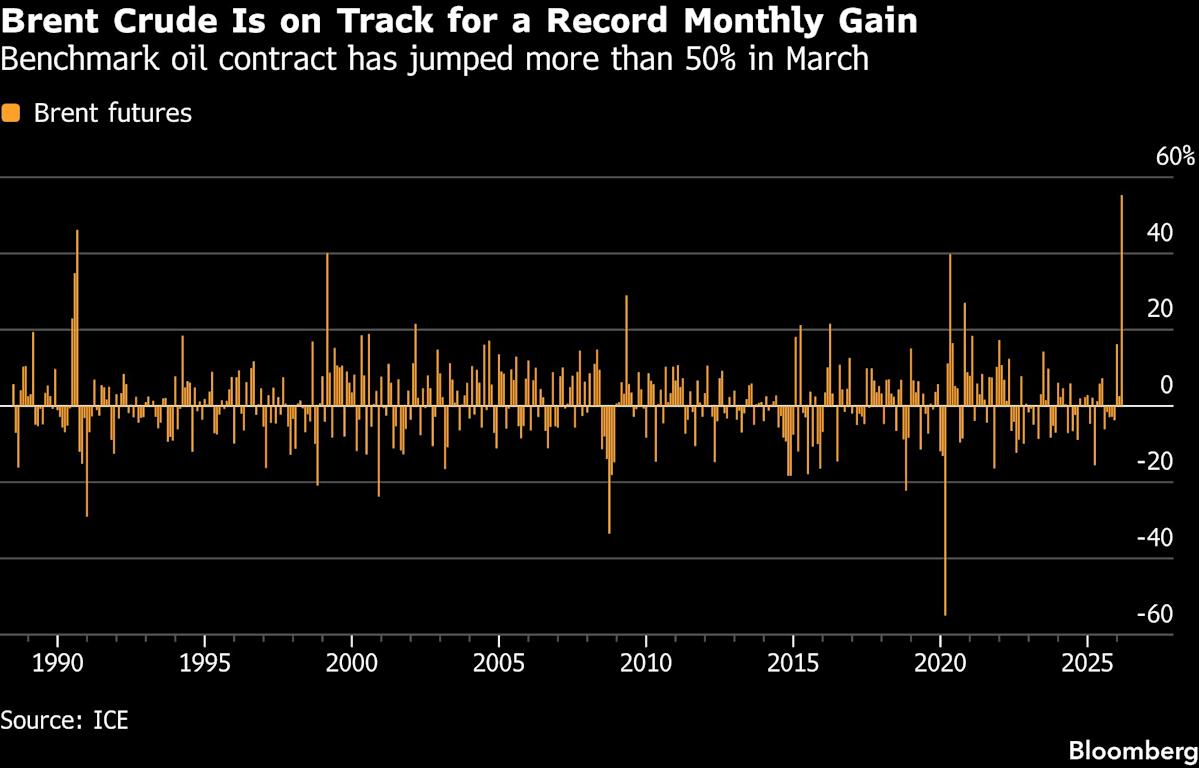
BMO Initiates Coverage on Alaska Air with Outperform Rating
Written by Emily J. Thompson, Senior Investment Analyst
Updated: 5 days ago
0mins
Should l Buy ALK?
Source: seekingalpha
- Coverage Initiation: BMO Capital Markets has initiated coverage on Alaska Air Group (ALK) with an Outperform rating and a price target of $50, indicating a recognition of long-term profit improvement potential despite limited visibility into immediate energy prices.
- Strategic Framework: Analyst Michael Goldie highlighted that Alaska Air is executing a clear strategic framework, which includes the integration of Hawaiian Airlines, reducing leverage, and transitioning into an international airline, all of which are expected to enhance profitability.
- Cost Normalization Outlook: While visibility into when costs will normalize is limited, Goldie believes that management is effectively executing its strategy, suggesting that costs will eventually stabilize, leading to improved financial performance.
- Price Potential: The BMO analyst team sees potential for Alaska Air's stock to rise to $70 if market conditions become more favorable, with the current share price at $38.59, reflecting a decline of over 25% since the onset of the Iran conflict and rising oil prices.
Trade with 70% Backtested Accuracy
Stop guessing "Should I Buy ALK?" and start using high-conviction signals backed by rigorous historical data.
Sign up today to access powerful investing tools and make smarter, data-driven decisions.
Analyst Views on ALK
Wall Street analysts forecast ALK stock price to rise
11 Analyst Rating
11 Buy
0 Hold
0 Sell
Strong Buy
Current: 36.160

Low
63.00
Averages
71.10
High
80.00
Current: 36.160
Low
63.00
Averages
71.10
High
80.00
About ALK
Alaska Air Group, Inc. is engaged in operating airlines. The Company operates through its subsidiaries Alaska Airlines, Inc., Hawaiian Holdings, Inc., Horizon Air Industries, Inc., and McGee Air Services. The Company's segments include Alaska Airlines, Hawaiian Airlines, and Regional. The Alaska Airlines segment includes scheduled air transportation on Alaska's Boeing jet aircraft for passengers and cargo. The Hawaiian Airlines segment includes scheduled air transportation on Hawaiian's Boeing and Airbus jet aircraft for passengers and cargo. The Regional segment includes Horizon's and other third-party carriers’ scheduled air transportation on E175 jet aircraft for passengers under capacity purchase agreements (CPAs). The Company serves more than 140 destinations throughout North America, Central America, Asia and across the Pacific. The Company provides freight and mail services (cargo) using both freighter aircraft and the bellies of its passenger aircraft.
About the author

Emily J. Thompson
Emily J. Thompson, a Chartered Financial Analyst (CFA) with 12 years in investment research, graduated with honors from the Wharton School. Specializing in industrial and technology stocks, she provides in-depth analysis for Intellectia’s earnings and market brief reports.
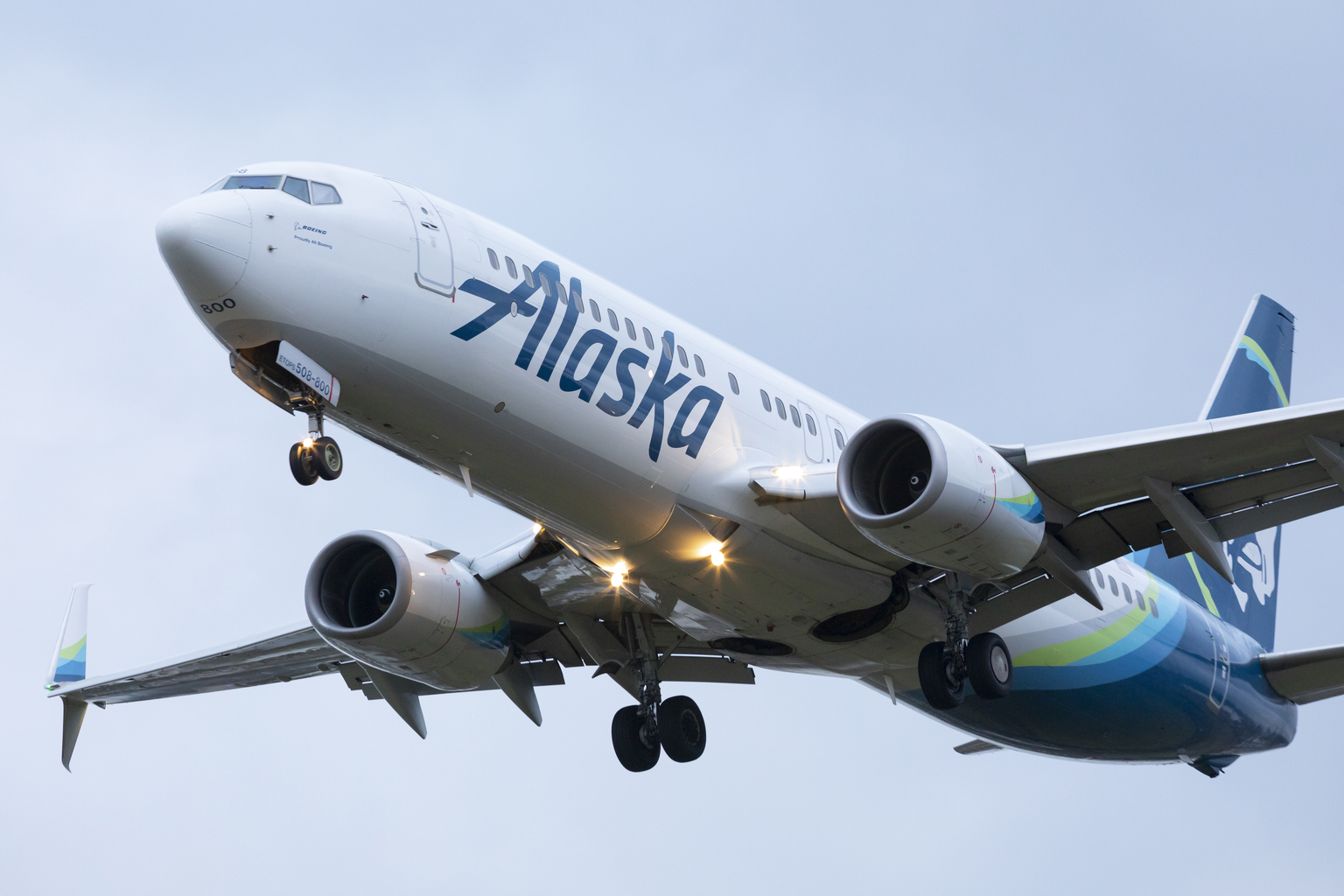
Alaska Air Updates 2026 Guidance Amid Rising Fuel Costs

- Rising Fuel Costs: Alaska Air (ALK) anticipates fuel prices averaging $2.90 to $3.00 per gallon, a 400% increase from early February's $0.45, leading to an EPS headwind of at least $0.70, which negatively impacts profitability.
- Demand Challenges: The airline's capacity has been affected by unrest in Mexico and severe rainstorms in Hawaii, which together account for approximately 30% of its capacity, expected to negatively impact revenues in March and April.
- Positive Revenue Trends: Despite these challenges, managed corporate demand remains robust, with forward bookings over the next 90 days up more than 25% year-over-year, indicating a strong outlook for the peak travel season.
- Quarterly Performance Expectations: Alaska Air expects second-quarter yields and load factors to rise year-over-year, particularly in May and June, although the adjusted Q1 loss per share is now projected at $2.00 to $1.50, below the consensus of -$0.98.
See More
ALASKA AIR GROUP: STRONG UNDERLYING DEMAND INITIATED IN Q4 2025 AND INTENSIFIED INTO THE NEW YEAR HAS RECENTLY FACED CHALLENGES DUE TO VARIOUS EXTERNAL FACTORS
Underlying Demand Strength: Alaska Air Group has experienced a strong demand that began in the fourth quarter of 2025 and has continued into the new year.
Challenges from External Events: This demand strength has recently been challenged by several external events impacting the airline industry.
See More
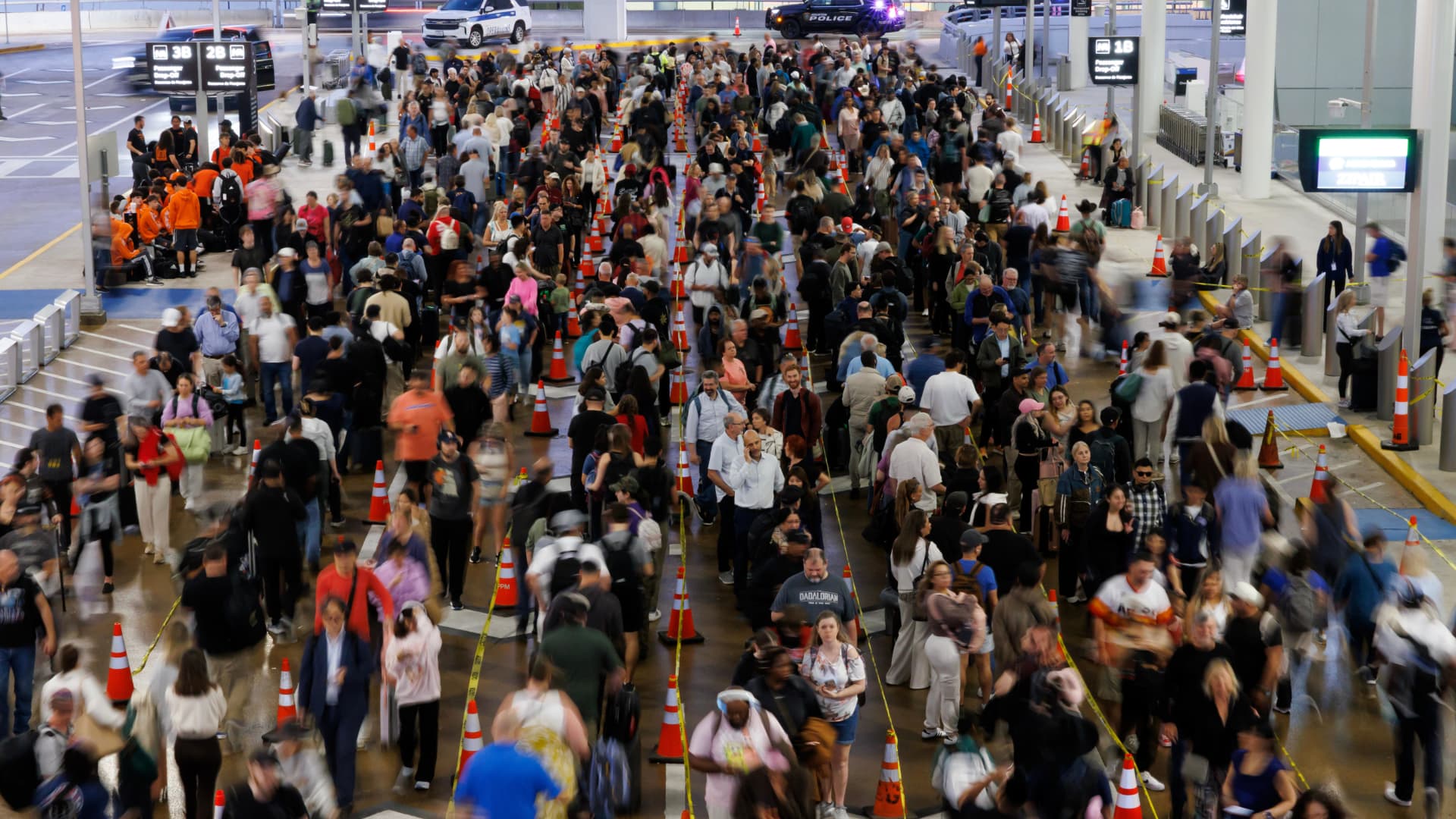
Airlines Face High Fuel Prices and Security Crisis

- Fuel Price Surge Impacts Fares: Fuel prices at major U.S. airports have reached $3.98 per gallon, up nearly 60% since February 28, forcing airlines to raise ticket prices to cover rising costs, with airfare expected to increase by 20% this year.
- Strong Demand Persists: Despite rising fares, airlines like Delta and American Airlines report that demand remains robust, particularly for high-end leisure travel, indicating consumers' willingness to continue flying, which may encourage airlines to maintain flight schedules in the future.
- Security Delays Worsen: An impasse in Congress over funding for the Department of Homeland Security has led to nearly 500 TSA officer resignations, resulting in security wait times exceeding three hours at major U.S. airports, negatively impacting traveler experiences and potentially reducing future travel willingness.
- Government Intervention Measures: President Trump has pledged to sign an order to ensure over 50,000 TSA officers are paid, yet the deployment of ICE officers may cause traveler unease, further affecting passenger throughput in the coming days.
See More
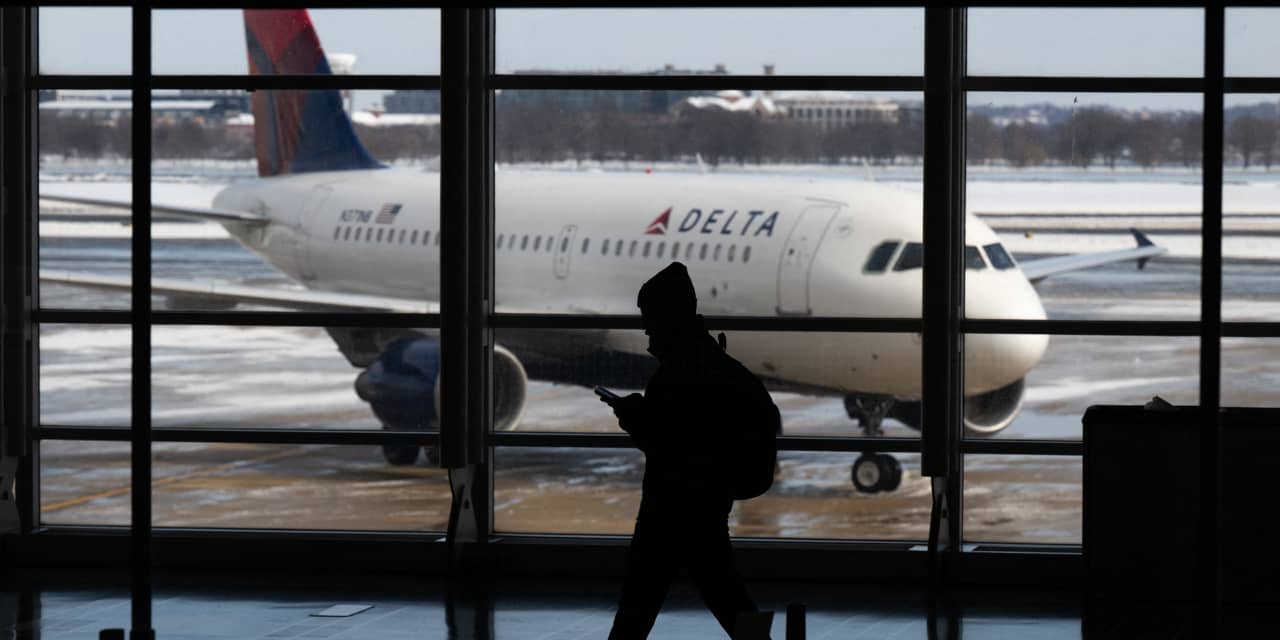
How Delta and United Navigate Challenges in the Airline Industry


- Delta Air Lines Performance: Delta Air Lines shares are down only 3% for the year, outperforming the S&P 500 despite industry challenges.
- Jet Fuel Price Impact: The airline is facing a significant 62% increase in jet fuel prices since February, which typically affects profitability.
- Industry Profit Estimates: There has been a general reduction in profit estimates across the airline industry, yet Delta's stock remains relatively stable.
- Unusual Market Behavior: The current performance of Delta's stock is noted as unusual for the airline industry, which is typically more volatile.
See More
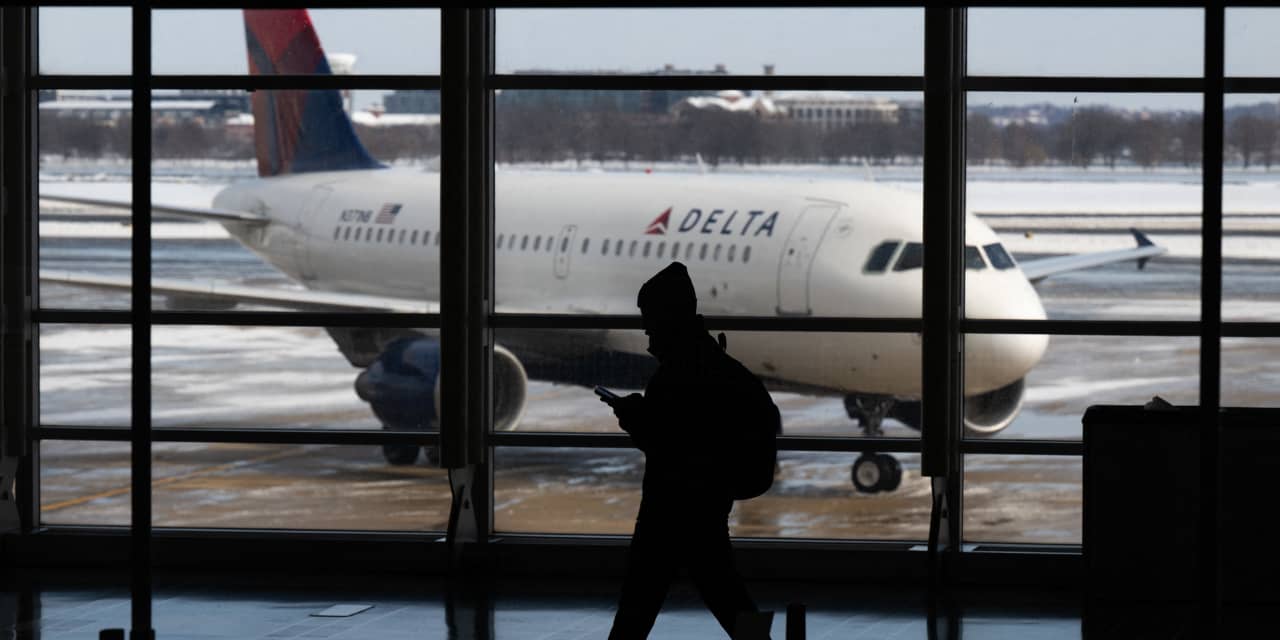
How Delta Stock Can Soar Despite Rising Oil Prices and TSA Challenges

- Delta Air Lines Performance: Delta Air Lines shares are down only 3% for the year, outperforming the S&P 500 despite industry challenges.
- Jet Fuel Price Impact: The airline is facing a significant 62% increase in jet fuel prices since February, which typically affects profitability.
- Industry Profit Estimates: There has been a general reduction in profit estimates across the airline industry, yet Delta's stock remains relatively stable.
- Unusual Market Behavior: The current performance of Delta's stock is noted as unusual for the airline industry, which often experiences more volatility.
See More
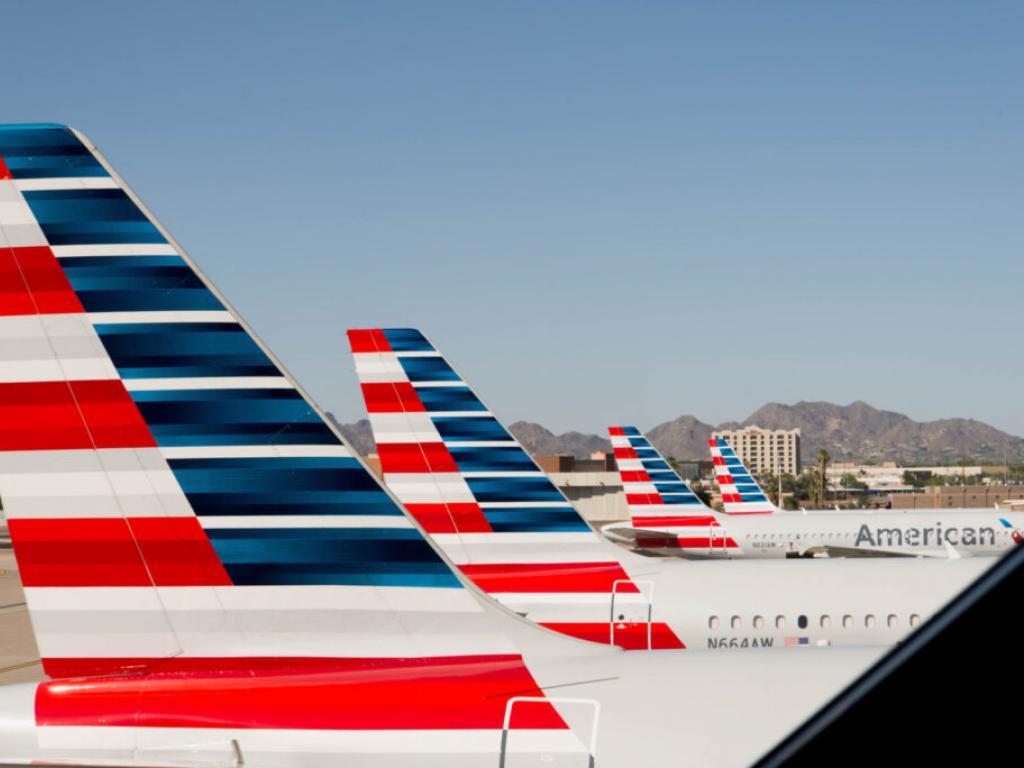
American Airlines in Talks with SpaceX and Amazon for In-Flight Services Revamp

- Service Upgrade: American Airlines is in discussions with SpaceX's Starlink and Amazon to revamp in-flight internet and entertainment services, aiming to enhance customer experience in response to competitive pressures from rivals.
- Seatback Screens Return: The airline is seriously considering reintroducing seatback screens on its narrow-body fleet, with a decision potentially coming as soon as next month, which would significantly improve passenger entertainment options and overall service quality.
- Content Collaboration: In addition to Wi-Fi services, American is exploring content partnerships with Amazon, including Amazon Prime and music, and may allow customers to use miles for shopping, further enhancing customer loyalty.
- Increased Competitive Pressure: With Delta Air Lines and United Airlines investing heavily in onboard products for years, American's plans aim to close the gap with industry leaders and increase its market share amidst growing competition.
See More
Alaska Air Updates 2026 Guidance Amid Rising Fuel Costs
- Rising Fuel Costs: Alaska Air (ALK) anticipates fuel prices averaging $2.90 to $3.00 per gallon, a 400% increase from early February's $0.45, leading to an EPS headwind of at least $0.70, which negatively impacts profitability.
- Demand Challenges: The airline's capacity has been affected by unrest in Mexico and severe rainstorms in Hawaii, which together account for approximately 30% of its capacity, expected to negatively impact revenues in March and April.
- Positive Revenue Trends: Despite these challenges, managed corporate demand remains robust, with forward bookings over the next 90 days up more than 25% year-over-year, indicating a strong outlook for the peak travel season.
- Quarterly Performance Expectations: Alaska Air expects second-quarter yields and load factors to rise year-over-year, particularly in May and June, although the adjusted Q1 loss per share is now projected at $2.00 to $1.50, below the consensus of -$0.98.
See More
ALASKA AIR GROUP: STRONG UNDERLYING DEMAND INITIATED IN Q4 2025 AND INTENSIFIED INTO THE NEW YEAR HAS RECENTLY FACED CHALLENGES DUE TO VARIOUS EXTERNAL FACTORS
Underlying Demand Strength: Alaska Air Group has experienced a strong demand that began in the fourth quarter of 2025 and has continued into the new year.
Challenges from External Events: This demand strength has recently been challenged by several external events impacting the airline industry.
See More
Airlines Face High Fuel Prices and Security Crisis
- Fuel Price Surge Impacts Fares: Fuel prices at major U.S. airports have reached $3.98 per gallon, up nearly 60% since February 28, forcing airlines to raise ticket prices to cover rising costs, with airfare expected to increase by 20% this year.
- Strong Demand Persists: Despite rising fares, airlines like Delta and American Airlines report that demand remains robust, particularly for high-end leisure travel, indicating consumers' willingness to continue flying, which may encourage airlines to maintain flight schedules in the future.
- Security Delays Worsen: An impasse in Congress over funding for the Department of Homeland Security has led to nearly 500 TSA officer resignations, resulting in security wait times exceeding three hours at major U.S. airports, negatively impacting traveler experiences and potentially reducing future travel willingness.
- Government Intervention Measures: President Trump has pledged to sign an order to ensure over 50,000 TSA officers are paid, yet the deployment of ICE officers may cause traveler unease, further affecting passenger throughput in the coming days.
See More
How Delta and United Navigate Challenges in the Airline Industry
- Delta Air Lines Performance: Delta Air Lines shares are down only 3% for the year, outperforming the S&P 500 despite industry challenges.
- Jet Fuel Price Impact: The airline is facing a significant 62% increase in jet fuel prices since February, which typically affects profitability.
- Industry Profit Estimates: There has been a general reduction in profit estimates across the airline industry, yet Delta's stock remains relatively stable.
- Unusual Market Behavior: The current performance of Delta's stock is noted as unusual for the airline industry, which is typically more volatile.
See More
How Delta Stock Can Soar Despite Rising Oil Prices and TSA Challenges
- Delta Air Lines Performance: Delta Air Lines shares are down only 3% for the year, outperforming the S&P 500 despite industry challenges.
- Jet Fuel Price Impact: The airline is facing a significant 62% increase in jet fuel prices since February, which typically affects profitability.
- Industry Profit Estimates: There has been a general reduction in profit estimates across the airline industry, yet Delta's stock remains relatively stable.
- Unusual Market Behavior: The current performance of Delta's stock is noted as unusual for the airline industry, which often experiences more volatility.
See More
American Airlines in Talks with SpaceX and Amazon for In-Flight Services Revamp
- Service Upgrade: American Airlines is in discussions with SpaceX's Starlink and Amazon to revamp in-flight internet and entertainment services, aiming to enhance customer experience in response to competitive pressures from rivals.
- Seatback Screens Return: The airline is seriously considering reintroducing seatback screens on its narrow-body fleet, with a decision potentially coming as soon as next month, which would significantly improve passenger entertainment options and overall service quality.
- Content Collaboration: In addition to Wi-Fi services, American is exploring content partnerships with Amazon, including Amazon Prime and music, and may allow customers to use miles for shopping, further enhancing customer loyalty.
- Increased Competitive Pressure: With Delta Air Lines and United Airlines investing heavily in onboard products for years, American's plans aim to close the gap with industry leaders and increase its market share amidst growing competition.
See More