American Airlines Stock Rises 5.55% Amid Easing Tensions
Written by Emily J. Thompson, Senior Investment Analyst
Updated: 6 days ago
0mins
Source: Fool
- Stock Surge: American Airlines Group (AAL) shares rose 5.55% to $11.41, driven by easing U.S.-Iran tensions and falling oil prices, which boosted market sentiment regarding airline profitability.
- Volume Spike: Trading volume reached 101 million shares, approximately 53% above the three-month average of 65.6 million shares, indicating strong investor interest and market activity in airline stocks.
- Sector Impact: Airline stocks surged as a result of the U.S.-Iran ceasefire agreement, with Delta Air Lines and United Airlines gaining 3.75% and 7.84% respectively, reflecting a reassessment of fuel costs and geopolitical risks by investors.
- Future Outlook: Despite a year-to-date decline of over 25% in American Airlines' stock price, strong projected revenue for 2026 and a new focus on premium customers could position the airline for a rebound in the coming months.
Trade with 70% Backtested Accuracy
Stop guessing "Should I Buy AAL?" and start using high-conviction signals backed by rigorous historical data.
Sign up today to access powerful investing tools and make smarter, data-driven decisions.
Analyst Views on AAL
Wall Street analysts forecast AAL stock price to rise
15 Analyst Rating
7 Buy
7 Hold
1 Sell
Moderate Buy
Current: 12.130

Low
11.00
Averages
17.93
High
22.00
Current: 12.130
Low
11.00
Averages
17.93
High
22.00
About AAL
American Airlines Group Inc. is a holding company. Its primary business activity is the operation of a major network air carrier, providing scheduled air transportation for passengers and cargo through its hubs in Charlotte, Chicago, Dallas/Fort Worth, Los Angeles, Miami, New York, Philadelphia, Phoenix and Washington, D.C. and partner gateways, including in London, Doha, Madrid, Seattle/Tacoma, Sydney and Tokyo, among others. Together with its regional airline subsidiaries and third-party regional carriers operating as American Eagle. Its cargo division provides a wide range of freight and mail services, with facilities and interline connections available across the globe. It operates approximately 977 mainline aircraft supported by its regional airline subsidiaries and third-party regional carriers, which together operate an additional 585 regional aircraft. Its subsidiaries include American Airlines, Inc., Envoy Aviation Group Inc., PSA Airlines, Inc. and Piedmont Airlines, Inc.
About the author

Emily J. Thompson
Emily J. Thompson, a Chartered Financial Analyst (CFA) with 12 years in investment research, graduated with honors from the Wharton School. Specializing in industrial and technology stocks, she provides in-depth analysis for Intellectia’s earnings and market brief reports.
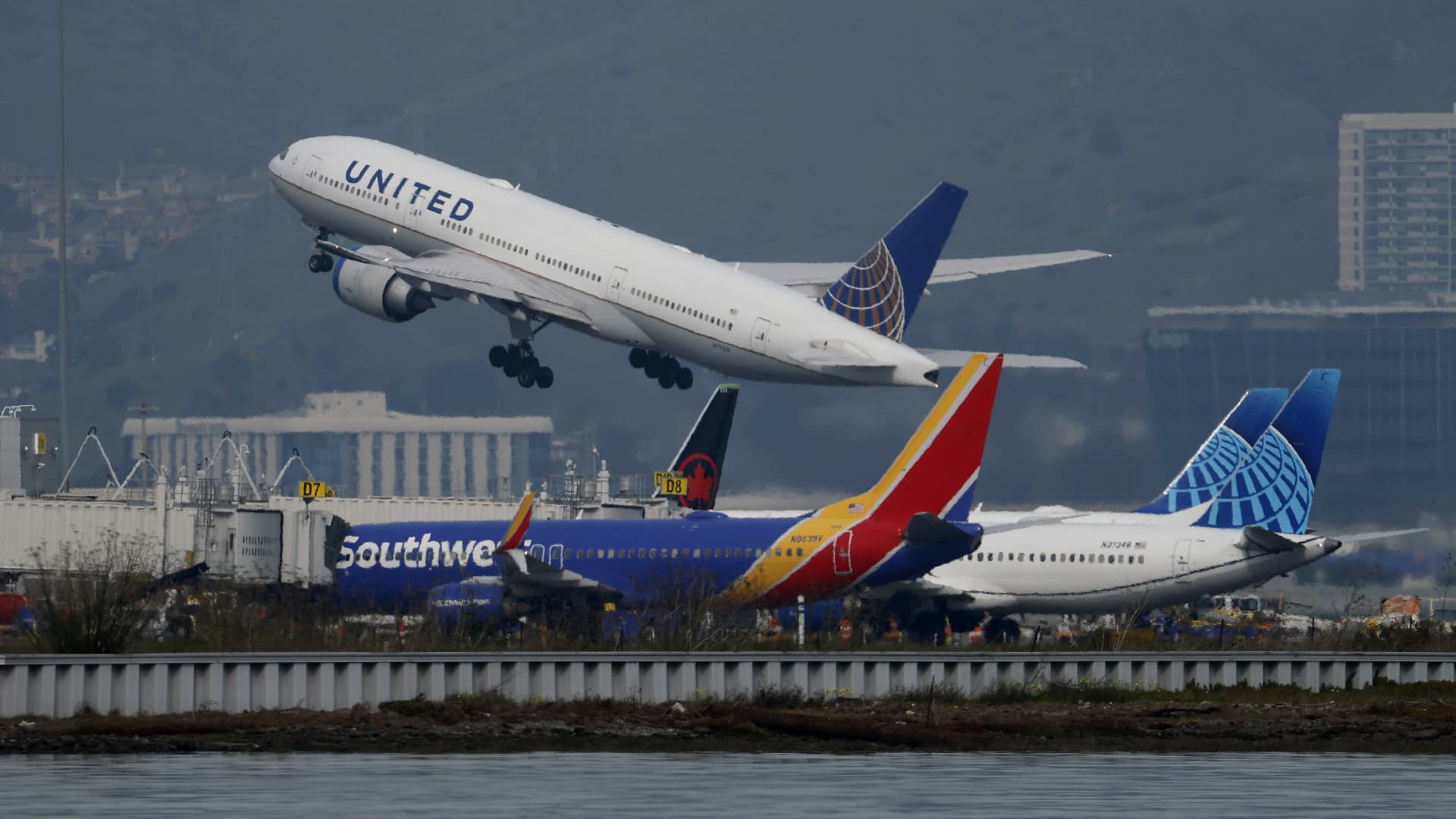
Middle East Conflict Impacts Airline Stock Performance

- Airline Stock Decline: During the Middle East conflict, domestic airline stocks, except for Delta, fell between 16% and 28% since the war began, indicating market concerns over high oil prices and declining consumer demand.
- Fuel Cost Projections: Delta Air Lines projected average jet fuel costs to reach $4.30 per gallon in Q2, although this estimate was based on data prior to the ceasefire, highlighting ongoing pressure from elevated fuel prices on the airline industry.
- Signs of Weak Demand: While Delta reported no signs of weakened demand, Bank of America data indicated a slowdown in airline transactions by late March, with year-over-year growth turning negative, suggesting consumer reactions to higher fares could impact future revenue.
- M&A Potential: Analysts noted that historical surges in oil prices often lead to mergers among airlines, and given the current high fuel prices, similar consolidation trends may emerge, particularly as market competition intensifies.
See More
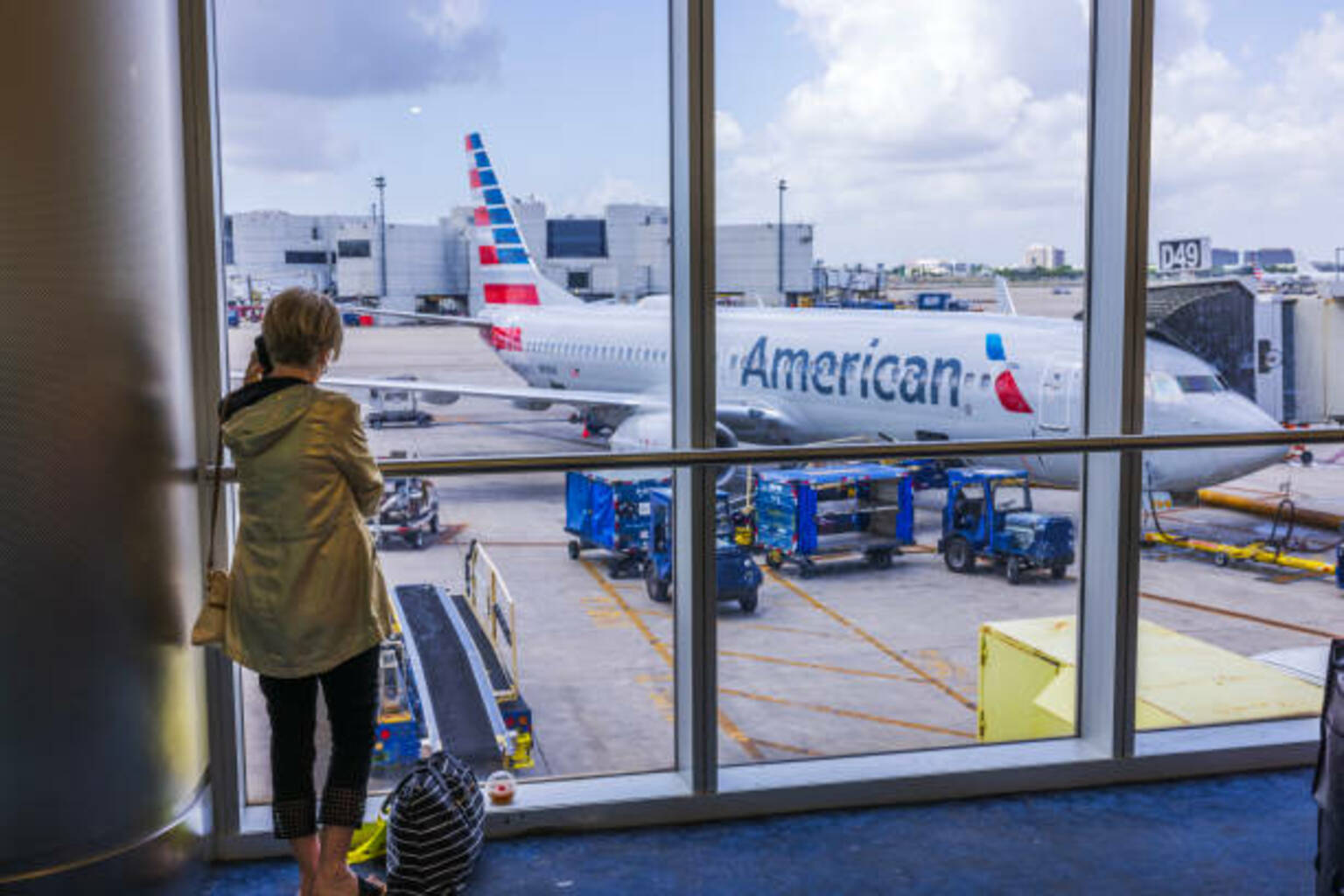
United Airlines Considers Merger with American Airlines

- Merger Interest: United Airlines (UAL) is reportedly considering a merger with rival American Airlines (AAL), following comments from the Transportation Secretary about potential M&A activity in the sector, indicating a shift towards industry consolidation.
- Regulatory Challenges: While UAL may pursue asset purchases, the likelihood of fully acquiring AAL is low due to regulatory hurdles and significant debt, highlighting the complexities faced by major airlines in merger scenarios.
- Opportunities for Smaller Airlines: Analysts suggest that smaller and low-cost carriers are more likely to pursue mergers, driven by the need for better cost amortization amidst rising fuel costs, which pressures their competitive positioning.
- Changing Market Environment: Government officials are now more favorable towards M&A, recognizing that previous blocks did not enhance competition, leading to current merger activities being driven more by necessity than by market strength.
See More

JETS ETF 52-Week Price Analysis
- Price Range Analysis: The JETS ETF has a 52-week low of $18.22 and a high of $31.33, with the latest trade at $27.04, indicating relative stability in the current market environment that may attract investor interest.
- Technical Analysis Tool: Comparing the latest share price to the 200-day moving average provides valuable technical analysis insights for investors, helping them assess market trends and potential buy or sell opportunities.
- Unit Trading Mechanism: Exchange-traded funds (ETFs) trade in units, meaning investors are buying and selling these 'units', which allows ETFs to flexibly respond to market demand, enhancing their liquidity and appeal.
- Inflows and Outflows Monitoring: Weekly monitoring of changes in shares outstanding focuses on notable inflows (new units created) or outflows (old units destroyed), which directly impacts the ETF's underlying holdings and consequently its market performance.
See More

U.S. Stock Market Rebounds, Driven by Tech Stocks


- Tax Refund Increase: According to IRS data, the average tax refund this year is over 10% higher than last year, which could stimulate consumer spending and drive economic growth.
- Positive Market Trends: The S&P 500 is nearing its all-time high after climbing for the second consecutive day, fueled by investor optimism regarding a potential U.S.-Iran peace deal, enhancing market sentiment.
- Strong Banking Performance: Both Bank of America and Morgan Stanley exceeded expectations, with Bank of America reporting its highest earnings per share in nearly 20 years, leading to a 1.2% rise in premarket trading.
- Broadcom and Meta Partnership: Broadcom's shares rose over 3% after Meta announced an expanded partnership, committing to deploy 1 gigawatt of custom AI chips, indicating ongoing investment in AI technology.
See More

Positive Market Outlook and Earnings Highlights in U.S. Stocks


- Tax Refund Increase: According to IRS data, the average tax refund this year is over 10% higher than last year, which is expected to provide additional support for consumer spending and drive economic recovery.
- Strong Bank Earnings: Bank of America exceeded expectations in its earnings report, with shares rising 1.2% in premarket trading, achieving its highest earnings per share in nearly 20 years, showcasing robust performance in equity sales and trading.
- Tech Stocks Shine: Oracle's stock rose nearly 5% due to its expanded partnership with Bloom Energy, while Nvidia saw its shares increase for the tenth consecutive day, marking the longest winning streak since 2023, reflecting strong market confidence in tech stocks.
- Aviation Merger Potential: United Airlines CEO Scott Kirby pitched a merger with American Airlines to the Trump administration, which could create the world's largest airline controlling about 40% of domestic capacity, although regulatory bodies remain cautious about such a tie-up.
See More

United Airlines Explores Merger with American Airlines
- Merger Proposal: United Airlines CEO Scott Kirby proposed a merger with American Airlines to the Trump administration this year, although analysts believe the regulatory hurdles are too high to achieve this combination, which would create the world's largest airline.
- Market Control: American, United, Delta Air Lines, and Southwest Airlines currently control about 80% of the domestic market share, and Kirby argues that airlines need to merge to enhance their competitiveness in the global market.
- Global Competition Strategy: Kirby noted that increased scale would help compete on U.S. outbound flights, particularly in the Middle East market, where customers prefer airlines that offer more flight options.
- Partnerships: Despite U.S. airlines previously complaining about unfair government subsidies received by Middle Eastern carriers, United Airlines has established a partnership with Emirates, indicating a strategic shift for U.S. airlines in the global market.
See More
Middle East Conflict Impacts Airline Stock Performance
- Airline Stock Decline: During the Middle East conflict, domestic airline stocks, except for Delta, fell between 16% and 28% since the war began, indicating market concerns over high oil prices and declining consumer demand.
- Fuel Cost Projections: Delta Air Lines projected average jet fuel costs to reach $4.30 per gallon in Q2, although this estimate was based on data prior to the ceasefire, highlighting ongoing pressure from elevated fuel prices on the airline industry.
- Signs of Weak Demand: While Delta reported no signs of weakened demand, Bank of America data indicated a slowdown in airline transactions by late March, with year-over-year growth turning negative, suggesting consumer reactions to higher fares could impact future revenue.
- M&A Potential: Analysts noted that historical surges in oil prices often lead to mergers among airlines, and given the current high fuel prices, similar consolidation trends may emerge, particularly as market competition intensifies.
See More
United Airlines Considers Merger with American Airlines
- Merger Interest: United Airlines (UAL) is reportedly considering a merger with rival American Airlines (AAL), following comments from the Transportation Secretary about potential M&A activity in the sector, indicating a shift towards industry consolidation.
- Regulatory Challenges: While UAL may pursue asset purchases, the likelihood of fully acquiring AAL is low due to regulatory hurdles and significant debt, highlighting the complexities faced by major airlines in merger scenarios.
- Opportunities for Smaller Airlines: Analysts suggest that smaller and low-cost carriers are more likely to pursue mergers, driven by the need for better cost amortization amidst rising fuel costs, which pressures their competitive positioning.
- Changing Market Environment: Government officials are now more favorable towards M&A, recognizing that previous blocks did not enhance competition, leading to current merger activities being driven more by necessity than by market strength.
See More
JETS ETF 52-Week Price Analysis
- Price Range Analysis: The JETS ETF has a 52-week low of $18.22 and a high of $31.33, with the latest trade at $27.04, indicating relative stability in the current market environment that may attract investor interest.
- Technical Analysis Tool: Comparing the latest share price to the 200-day moving average provides valuable technical analysis insights for investors, helping them assess market trends and potential buy or sell opportunities.
- Unit Trading Mechanism: Exchange-traded funds (ETFs) trade in units, meaning investors are buying and selling these 'units', which allows ETFs to flexibly respond to market demand, enhancing their liquidity and appeal.
- Inflows and Outflows Monitoring: Weekly monitoring of changes in shares outstanding focuses on notable inflows (new units created) or outflows (old units destroyed), which directly impacts the ETF's underlying holdings and consequently its market performance.
See More
U.S. Stock Market Rebounds, Driven by Tech Stocks
- Tax Refund Increase: According to IRS data, the average tax refund this year is over 10% higher than last year, which could stimulate consumer spending and drive economic growth.
- Positive Market Trends: The S&P 500 is nearing its all-time high after climbing for the second consecutive day, fueled by investor optimism regarding a potential U.S.-Iran peace deal, enhancing market sentiment.
- Strong Banking Performance: Both Bank of America and Morgan Stanley exceeded expectations, with Bank of America reporting its highest earnings per share in nearly 20 years, leading to a 1.2% rise in premarket trading.
- Broadcom and Meta Partnership: Broadcom's shares rose over 3% after Meta announced an expanded partnership, committing to deploy 1 gigawatt of custom AI chips, indicating ongoing investment in AI technology.
See More
Positive Market Outlook and Earnings Highlights in U.S. Stocks
- Tax Refund Increase: According to IRS data, the average tax refund this year is over 10% higher than last year, which is expected to provide additional support for consumer spending and drive economic recovery.
- Strong Bank Earnings: Bank of America exceeded expectations in its earnings report, with shares rising 1.2% in premarket trading, achieving its highest earnings per share in nearly 20 years, showcasing robust performance in equity sales and trading.
- Tech Stocks Shine: Oracle's stock rose nearly 5% due to its expanded partnership with Bloom Energy, while Nvidia saw its shares increase for the tenth consecutive day, marking the longest winning streak since 2023, reflecting strong market confidence in tech stocks.
- Aviation Merger Potential: United Airlines CEO Scott Kirby pitched a merger with American Airlines to the Trump administration, which could create the world's largest airline controlling about 40% of domestic capacity, although regulatory bodies remain cautious about such a tie-up.
See More
United Airlines Explores Merger with American Airlines
- Merger Proposal: United Airlines CEO Scott Kirby proposed a merger with American Airlines to the Trump administration this year, although analysts believe the regulatory hurdles are too high to achieve this combination, which would create the world's largest airline.
- Market Control: American, United, Delta Air Lines, and Southwest Airlines currently control about 80% of the domestic market share, and Kirby argues that airlines need to merge to enhance their competitiveness in the global market.
- Global Competition Strategy: Kirby noted that increased scale would help compete on U.S. outbound flights, particularly in the Middle East market, where customers prefer airlines that offer more flight options.
- Partnerships: Despite U.S. airlines previously complaining about unfair government subsidies received by Middle Eastern carriers, United Airlines has established a partnership with Emirates, indicating a strategic shift for U.S. airlines in the global market.
See More