AMD and Oracle's Growth Potential in the AI Market
Written by Emily J. Thompson, Senior Investment Analyst
Updated: 2 hours ago
0mins

Should l Buy AMD?
Source: NASDAQ.COM
- Surging AI Demand: Research from Morgan Stanley indicates that companies adopting AI have seen an average productivity increase of 11.5%, highlighting the significant efficiency gains that AI technology is delivering, thereby creating substantial market opportunities for related firms.
- AMD Market Share Growth: AMD's server CPU market share increased by 3.1 percentage points year-over-year to 28.8% in Q4 2025, with a revenue share of 41.3%, demonstrating its pricing power and competitive edge, and it is expected to benefit further from price increases due to chip shortages.
- Oracle Infrastructure Expansion: Oracle added 400 megawatts of new data center capacity in Q3 of fiscal 2026 and anticipates bringing online over 10 gigawatts of capacity in the next three years, effectively addressing the computing capacity shortage in the U.S. market and driving revenue growth.
- Future Earnings Outlook: AMD estimates its annual data center revenue could reach $100 billion within five years, while Oracle's adjusted earnings are projected to hit $21 per share by 2030, indicating both companies have the potential for significant market cap growth in the coming years.
Trade with 70% Backtested Accuracy
Stop guessing "Should I Buy AMD?" and start using high-conviction signals backed by rigorous historical data.
Sign up today to access powerful investing tools and make smarter, data-driven decisions.
Analyst Views on AMD
Wall Street analysts forecast AMD stock price to rise
33 Analyst Rating
25 Buy
8 Hold
0 Sell
Strong Buy
Current: 278.260

Low
210.00
Averages
289.13
High
377.00
Current: 278.260
Low
210.00
Averages
289.13
High
377.00
About AMD
Advanced Micro Devices, Inc. is a global semiconductor company. The Company is focused on high-performance computing and artificial intelligence (AI). Its segments include Data Center, Client and Gaming, and Embedded. Data Center segment includes AI accelerators, microprocessors (CPUs) for servers, graphics processing units (GPUs), accelerated processing units (APUs), data processing units (DPUs), Field Programmable Gate Arrays (FPGAs), and Adaptive system-on-Chip (SoC) products for data centers. Client and Gaming segment includes CPUs, APUs, chipsets for desktops and notebooks, discrete GPUs, and semi-custom SoC products and development services. Embedded segment includes embedded CPUs, APUs, FPGAs, system on modules (SOMs), and Adaptive SoC products. It markets and sells its products under the AMD trademark. Its products include AMD EPYC, AMD Ryzen, AMD Ryzen PRO, Virtex UltraScale+, among others.
About the author

Emily J. Thompson
Emily J. Thompson, a Chartered Financial Analyst (CFA) with 12 years in investment research, graduated with honors from the Wharton School. Specializing in industrial and technology stocks, she provides in-depth analysis for Intellectia’s earnings and market brief reports.
AI Demand Surpasses Supply, Growth Opportunities for AMD and Oracle


- Productivity Gains: Research by Morgan Stanley indicates that companies adopting AI have seen an average productivity increase of 11.5%, highlighting the significant operational improvements driven by AI technology and the resulting surge in demand for AI solutions.
- Data Center Expansion: Oracle added 400 megawatts of new data center capacity in Q3 of fiscal 2026 and anticipates bringing online over 10 gigawatts of power and data capacity in the next three years, effectively addressing the shortage of AI data center computing capacity and enhancing its market competitiveness.
- AMD Market Share Growth: AMD's unit share of server CPUs increased by 3.1 percentage points year-over-year to 28.8%, with a revenue share of 41.3%, indicating strong pricing power and competitive advantage in the high-end market, and it is expected to benefit from price increases due to chip shortages.
- Future Earnings Outlook: AMD estimates its annual data center revenue could reach $100 billion within five years, a significant increase from $16.6 billion in 2025, and if its earnings grow at 15% annually, its EPS could hit $19.55 by 2030, potentially pushing its market cap to $1 trillion.
See More

AMD and Oracle's Growth Potential in the AI Market
- Surging AI Demand: Research from Morgan Stanley indicates that companies adopting AI have seen an average productivity increase of 11.5%, highlighting the significant efficiency gains that AI technology is delivering, thereby creating substantial market opportunities for related firms.
- AMD Market Share Growth: AMD's server CPU market share increased by 3.1 percentage points year-over-year to 28.8% in Q4 2025, with a revenue share of 41.3%, demonstrating its pricing power and competitive edge, and it is expected to benefit further from price increases due to chip shortages.
- Oracle Infrastructure Expansion: Oracle added 400 megawatts of new data center capacity in Q3 of fiscal 2026 and anticipates bringing online over 10 gigawatts of capacity in the next three years, effectively addressing the computing capacity shortage in the U.S. market and driving revenue growth.
- Future Earnings Outlook: AMD estimates its annual data center revenue could reach $100 billion within five years, while Oracle's adjusted earnings are projected to hit $21 per share by 2030, indicating both companies have the potential for significant market cap growth in the coming years.
See More
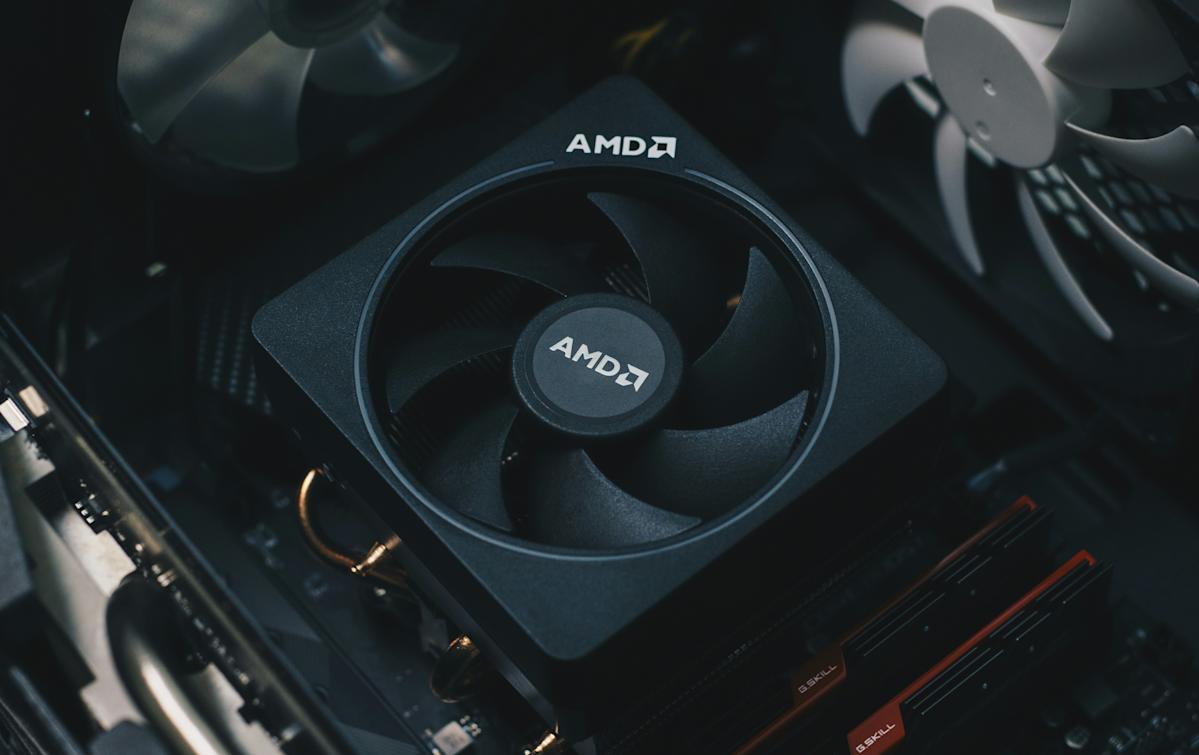
AMD Recommended by Jim Cramer Amid Rising Market Speculation

- Market Supply Tightness: Jim Cramer highlighted that with CPUs in short supply, investors should focus on companies like AMD, indicating strong demand in the semiconductor sector that could drive AMD's stock price higher.
- Significant Competitive Edge: AMD designs and manufactures processors, graphics cards, and AI chips, with products like Ryzen, Radeon, and EPYC, showcasing the company's robust capabilities in high-performance computing, enhancing its market competitiveness.
- Outstanding CEO Performance: Cramer praised AMD CEO Lisa Su's leadership, noting that despite holding shares in NVIDIA, he still views AMD as a strong competitor, reflecting market confidence in its future development.
- Investment Potential Analysis: While AMD is seen as a promising investment, analysts suggest that certain AI stocks may offer greater upside potential and lower downside risk, advising investors to consider their options carefully.
See More

Broadcom and AMD: Competition and Collaboration

- Revenue Growth Comparison: Broadcom achieved a 28% year-over-year revenue growth in Q4 2025, while AMD reported a 34% increase during the same period, indicating AMD's superior growth despite Broadcom's better profit margins, showcasing the competitive dynamics between the two companies.
- Margin Discrepancy: Broadcom's net profit margin stood at 47.3% in Q4 2025, compared to AMD's 14.7%, highlighting Broadcom's stronger revenue retention capabilities; however, if AMD can improve its margins, it could see significant profit increases.
- Deepening Strategic Partnerships: AMD's collaboration with Meta Platforms to deploy 6 gigawatts of GPUs is expected to yield
See More

AI Chip Market Outlook Remains Positive
- Market Growth Potential: Grandview Research projects a 29% compound annual growth rate for the AI chip industry from 2024 to 2030, indicating that AI chip stocks still have upside potential, attracting investor interest.
- Deepening Partnerships: AMD's collaboration with Meta Platforms to deploy 6 gigawatts of GPUs is expected to yield 'substantial multiyear revenue growth', while Broadcom has also expanded its partnerships with Meta and Alphabet to supply custom AI chips, further solidifying its market position.
- Financial Performance Comparison: In Q4 of fiscal year 2025, Broadcom achieved a 28% year-over-year revenue growth, while AMD led with a 34% growth, showcasing a competitive landscape in revenue growth between the two companies.
- Margin Discrepancies: Although AMD outperforms in revenue growth, Broadcom's net profit margin reached 47.3% in Q4 2025, significantly higher than AMD's 14.7%, giving Broadcom a clear advantage in profitability.
See More

Analysis of Banking and Semiconductor Earnings Reports


- Strong Banking Performance: Bank of America reported a 17% year-over-year increase in earnings for Q1, with net interest income exceeding expectations, and trading revenue and investment banking fees growing by 30% and 21% respectively, indicating heightened trading activity due to market volatility, which enhances profitability.
- Improved Credit Quality: The bank's provision for credit losses was about $200 million less than expected, with a net charge-off ratio improving by 6 basis points year-over-year to 0.48%, suggesting a healthy consumer credit environment that may further support future earnings growth.
- Robust Semiconductor Demand: Taiwan Semiconductor reported a 35% year-over-year revenue growth in Q1, with a gross margin of 66%, indicating that demand driven by high-performance computing and AI exceeds its production capacity, reflecting a positive industry outlook.
- Stable ASML Equipment Sales: ASML sold 79 lithography machines this quarter, generating over $10 billion in revenue, slightly above expectations, demonstrating strong market demand, while maintenance service revenue grew by 17%, indicating increased customer reliance on its equipment.
See More
AI Demand Surpasses Supply, Growth Opportunities for AMD and Oracle
- Productivity Gains: Research by Morgan Stanley indicates that companies adopting AI have seen an average productivity increase of 11.5%, highlighting the significant operational improvements driven by AI technology and the resulting surge in demand for AI solutions.
- Data Center Expansion: Oracle added 400 megawatts of new data center capacity in Q3 of fiscal 2026 and anticipates bringing online over 10 gigawatts of power and data capacity in the next three years, effectively addressing the shortage of AI data center computing capacity and enhancing its market competitiveness.
- AMD Market Share Growth: AMD's unit share of server CPUs increased by 3.1 percentage points year-over-year to 28.8%, with a revenue share of 41.3%, indicating strong pricing power and competitive advantage in the high-end market, and it is expected to benefit from price increases due to chip shortages.
- Future Earnings Outlook: AMD estimates its annual data center revenue could reach $100 billion within five years, a significant increase from $16.6 billion in 2025, and if its earnings grow at 15% annually, its EPS could hit $19.55 by 2030, potentially pushing its market cap to $1 trillion.
See More
AMD and Oracle's Growth Potential in the AI Market
- Surging AI Demand: Research from Morgan Stanley indicates that companies adopting AI have seen an average productivity increase of 11.5%, highlighting the significant efficiency gains that AI technology is delivering, thereby creating substantial market opportunities for related firms.
- AMD Market Share Growth: AMD's server CPU market share increased by 3.1 percentage points year-over-year to 28.8% in Q4 2025, with a revenue share of 41.3%, demonstrating its pricing power and competitive edge, and it is expected to benefit further from price increases due to chip shortages.
- Oracle Infrastructure Expansion: Oracle added 400 megawatts of new data center capacity in Q3 of fiscal 2026 and anticipates bringing online over 10 gigawatts of capacity in the next three years, effectively addressing the computing capacity shortage in the U.S. market and driving revenue growth.
- Future Earnings Outlook: AMD estimates its annual data center revenue could reach $100 billion within five years, while Oracle's adjusted earnings are projected to hit $21 per share by 2030, indicating both companies have the potential for significant market cap growth in the coming years.
See More
AMD Recommended by Jim Cramer Amid Rising Market Speculation
- Market Supply Tightness: Jim Cramer highlighted that with CPUs in short supply, investors should focus on companies like AMD, indicating strong demand in the semiconductor sector that could drive AMD's stock price higher.
- Significant Competitive Edge: AMD designs and manufactures processors, graphics cards, and AI chips, with products like Ryzen, Radeon, and EPYC, showcasing the company's robust capabilities in high-performance computing, enhancing its market competitiveness.
- Outstanding CEO Performance: Cramer praised AMD CEO Lisa Su's leadership, noting that despite holding shares in NVIDIA, he still views AMD as a strong competitor, reflecting market confidence in its future development.
- Investment Potential Analysis: While AMD is seen as a promising investment, analysts suggest that certain AI stocks may offer greater upside potential and lower downside risk, advising investors to consider their options carefully.
See More
Broadcom and AMD: Competition and Collaboration
- Revenue Growth Comparison: Broadcom achieved a 28% year-over-year revenue growth in Q4 2025, while AMD reported a 34% increase during the same period, indicating AMD's superior growth despite Broadcom's better profit margins, showcasing the competitive dynamics between the two companies.
- Margin Discrepancy: Broadcom's net profit margin stood at 47.3% in Q4 2025, compared to AMD's 14.7%, highlighting Broadcom's stronger revenue retention capabilities; however, if AMD can improve its margins, it could see significant profit increases.
- Deepening Strategic Partnerships: AMD's collaboration with Meta Platforms to deploy 6 gigawatts of GPUs is expected to yield
See More
AI Chip Market Outlook Remains Positive
- Market Growth Potential: Grandview Research projects a 29% compound annual growth rate for the AI chip industry from 2024 to 2030, indicating that AI chip stocks still have upside potential, attracting investor interest.
- Deepening Partnerships: AMD's collaboration with Meta Platforms to deploy 6 gigawatts of GPUs is expected to yield 'substantial multiyear revenue growth', while Broadcom has also expanded its partnerships with Meta and Alphabet to supply custom AI chips, further solidifying its market position.
- Financial Performance Comparison: In Q4 of fiscal year 2025, Broadcom achieved a 28% year-over-year revenue growth, while AMD led with a 34% growth, showcasing a competitive landscape in revenue growth between the two companies.
- Margin Discrepancies: Although AMD outperforms in revenue growth, Broadcom's net profit margin reached 47.3% in Q4 2025, significantly higher than AMD's 14.7%, giving Broadcom a clear advantage in profitability.
See More
Analysis of Banking and Semiconductor Earnings Reports
- Strong Banking Performance: Bank of America reported a 17% year-over-year increase in earnings for Q1, with net interest income exceeding expectations, and trading revenue and investment banking fees growing by 30% and 21% respectively, indicating heightened trading activity due to market volatility, which enhances profitability.
- Improved Credit Quality: The bank's provision for credit losses was about $200 million less than expected, with a net charge-off ratio improving by 6 basis points year-over-year to 0.48%, suggesting a healthy consumer credit environment that may further support future earnings growth.
- Robust Semiconductor Demand: Taiwan Semiconductor reported a 35% year-over-year revenue growth in Q1, with a gross margin of 66%, indicating that demand driven by high-performance computing and AI exceeds its production capacity, reflecting a positive industry outlook.
- Stable ASML Equipment Sales: ASML sold 79 lithography machines this quarter, generating over $10 billion in revenue, slightly above expectations, demonstrating strong market demand, while maintenance service revenue grew by 17%, indicating increased customer reliance on its equipment.
See More