Amazon's Cloud Computing Business Thrives
Written by Emily J. Thompson, Senior Investment Analyst
Updated: 2 days ago
0mins

Should l Buy NVDA?
Source: Fool
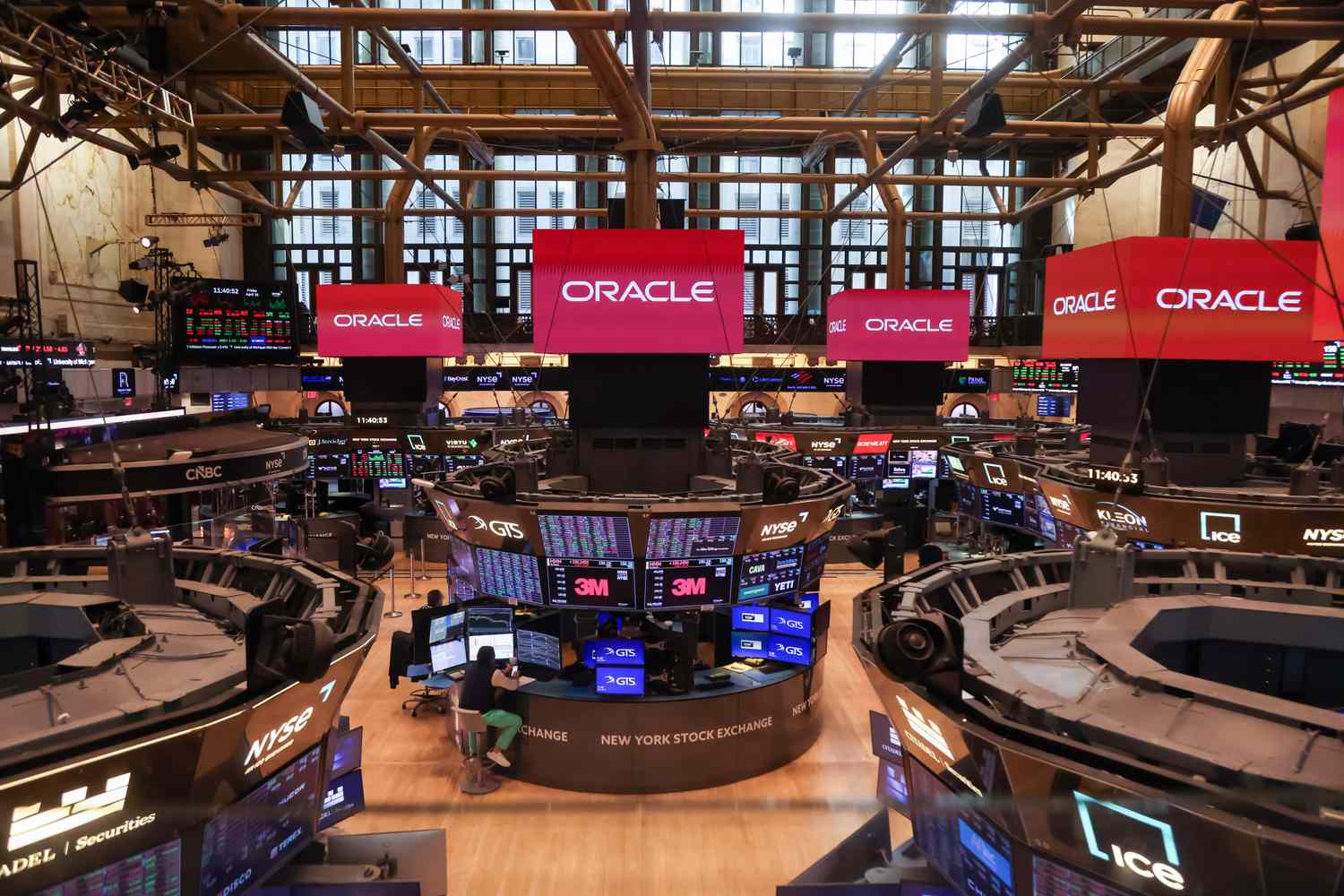
- Cloud Revenue Surge: Amazon's cloud division, AWS, has reached an annual revenue run rate of $142 billion, accounting for nearly 60% of the company's operating income, indicating a significant enhancement in its market dominance and profitability.
- Chip Demand Explosion: The demand for Amazon's in-house developed Trainium2 chips is nearly sold out, while the newly launched Trainium3 is almost fully subscribed, with the chip business projected to exceed $20 billion in annual revenue, reflecting robust market demand.
- Potential Market Competition: Amazon's CEO Andy Jassy indicated that the company may sell chips to third parties in the future, predicting that such a move could lead to an annual revenue run rate of $50 billion, which would exert pressure on competitors like Nvidia.
- Increased Innovation Pressure: Although AWS does not directly compete with Nvidia, the emergence of Amazon's chip business will compel Nvidia to accelerate its innovation pace to maintain market share, making it crucial for investors to monitor the long-term implications of this dynamic on Nvidia.
Trade with 70% Backtested Accuracy
Stop guessing "Should I Buy NVDA?" and start using high-conviction signals backed by rigorous historical data.
Sign up today to access powerful investing tools and make smarter, data-driven decisions.
Analyst Views on NVDA
Wall Street analysts forecast NVDA stock price to rise
41 Analyst Rating
39 Buy
1 Hold
1 Sell
Strong Buy
Current: 196.510

Low
200.00
Averages
264.97
High
352.00
Current: 196.510
Low
200.00
Averages
264.97
High
352.00
About NVDA
NVIDIA Corporation is an artificial intelligence (AI) infrastructure company. The Company is engaged in accelerated computing to help solve the challenging computational problems. Its segments include Compute & Networking and Graphics. The Compute & Networking segment includes its Data Center accelerated computing and networking platforms and AI solutions and software, and automotive platforms and autonomous and electric vehicle solutions, including software. The Graphics segment includes GeForce GPUs for gaming and personal computers (PCs), and Quadro/NVIDIA RTX GPUs for enterprise workstation graphics. Its technology stack includes the foundational NVIDIA CUDA development platform that runs on all NVIDIA GPUs, as well as hundreds of domain-specific software libraries, frameworks, algorithms, software development kits (SDKs), and application programming interfaces (APIs). Its platforms address four markets, which include Data Center, Gaming, Professional Visualization, and Automotive.
About the author

Emily J. Thompson
Emily J. Thompson, a Chartered Financial Analyst (CFA) with 12 years in investment research, graduated with honors from the Wharton School. Specializing in industrial and technology stocks, she provides in-depth analysis for Intellectia’s earnings and market brief reports.
Nvidia Stock Soars 1100% Amid AI Boom with Strong Growth Projections

- AI Market Potential: 2023 marks the unofficial start of the AI boom, with Nvidia's stock soaring over 1,100% since then, and projections indicate continued AI spending growth, leaving ample room for further stock appreciation before a potential slowdown in 2030.
- Insatiable GPU Demand: Nvidia's graphics processing units (GPUs) are in high demand, having expanded from gaming to applications in engineering simulations, drug discovery, and cryptocurrency mining, with AI being the largest use case yet to reach peak demand.
- Strong Capital Expenditure Outlook: Nvidia anticipates global data center capital expenditures could rise to $3 trillion to $4 trillion by 2030, representing significant growth potential, positioning Nvidia as a primary beneficiary in this expanding market.
- Impressive Financial Performance: Nvidia achieved a remarkable 73% growth in the last quarter, with revenue projections of 79% and 85% growth for the next two quarters, and despite a seemingly high P/E ratio, the stock is viewed as a bargain considering its future growth potential.
See More
Senator Warren Raises Concerns Over Nvidia's Acquisition of SchedMD
- Acquisition Risk Alert: Senator Warren expressed concerns in a letter to the Defense and Energy Secretaries that Nvidia's acquisition of SchedMD could pose national security risks, particularly due to the Department of Energy and Department of Defense's reliance on SchedMD's workload management software, Slurm.
- Software Dependency Issues: Slurm is recognized as the top software used globally in aerospace and defense, and Nvidia's acquisition transforms this once open-source software into a proprietary product, potentially reducing competition and impacting the operation of government supercomputers.
- Government Dependency Inquiry: Senator Warren requested information on which DOE and DOD systems rely on Nvidia's software or hardware, with a deadline for responses set for May 5, highlighting concerns over the extent of government dependency on Nvidia.
- Nvidia's Response: An Nvidia spokesperson stated that Slurm will continue to be developed and distributed as open-source software, emphasizing their commitment to openness and ongoing enhancements for customers, despite the acquisition raising competition concerns.
See More
Nokia Emerges as a Key Player in AI Infrastructure

- Strategic Investment Partnership: Nvidia's recent $2 billion investment in Marvell aims to enhance AI cluster computing capabilities through ultra-low latency and high-bandwidth interconnects, thereby accelerating the training and inference demands of generative AI applications and further driving data center build-outs.
- AI-RAN Platform Innovation: Nokia's collaboration with Nvidia integrates its Aerial RAN Computer Pro platform into its RAN portfolio, with plans to achieve a software-defined, AI-native radio access network by 2025, enhancing seamless upgrades from 5G to 6G and improving connectivity and computing capabilities.
- Massive Market Potential: As physical AI proliferates, the AI RAN market is projected to reach $200 billion by 2030, positioning Nokia not merely as a low-margin telecom provider but as a key enabler of last-mile monetization layers in the AI economy, unlocking markets for billions of devices.
- Portfolio Complementation: For investors already holding Nvidia and Marvell, adding Nokia as an adjacent player allows for a more comprehensive grasp of the AI value chain, from model training to real-world consumer applications, and while it may seem dull on the surface, its potential in edge devices is significant.
See More

Nvidia's Strategic Investments in Nokia and Marvell
- Strategic Investment: Nvidia's $1 billion investment in Nokia by late 2025 aims to integrate its Aerial RAN Computer platform into Nokia's RAN portfolio, facilitating the development of AI-native radio access networks that enhance connectivity and computing capabilities.
- Deepening Partnerships: Nvidia also announced a $2 billion investment in Marvell, strengthening its ultra-low latency and high-bandwidth interconnect capabilities within AI clusters, thereby enabling efficient workload processing for generative AI applications in data centers.
- Massive Market Potential: The AI RAN market is projected to reach $200 billion by 2030, with Nokia transforming into a key player in the AI economy through this investment, moving beyond its traditional role as a telecom provider to unlock last-mile monetization opportunities.
- Portfolio Optimization: Investors can complement their holdings in Nvidia and Marvell by adding Nokia to their portfolios, thereby gaining comprehensive exposure to the AI value chain, from model training to real-world consumer applications, capitalizing on the growth of AI infrastructure.
See More

Infleqtion CEO Discusses Quantum Technology Market Opportunities

- Quantum Gravity Gradiometer Mission: Infleqtion's Quantum Gravity Gradiometer (QGG) mission aims to operate autonomously in orbit, with larger commercial opportunities anticipated following technology validation in partnership with NASA, paving the way for broader applications.
- Significant Market Potential: CEO Matt Kinsella stated that the space market is poised to be an 'enormous market opportunity' for quantum technology, highlighting the recent delivery of an upgraded quantum physics package to the International Space Station as a foundation for future commercial prospects.
- Key Milestones: Kinsella outlined two critical targets for 2026: achieving $40 million in revenue and reaching 30 logical qubits on its quantum computing platform, with a goal of 100 logical qubits by 2028, indicating strong growth potential as the company moves towards commercially viable quantum solutions.
- Wall Street Optimism: Analysts from BTIG and Citi have initiated coverage with 'Buy' ratings and price targets of $22 and $20 respectively, emphasizing Infleqtion's partnership with NVIDIA and its ability to generate revenue from its neutral atom platform, reflecting confidence in the company's future growth trajectory.
See More

IonQ Stock Surges on Nvidia's New AI Models Announcement

- Significant Stock Surge: IonQ's stock price increased by 18% on Wednesday, reaching $6.49 by 1:45 p.m. ET, reflecting strong market confidence in the quantum computing sector.
- Nvidia's Support for Quantum Tech: The announcement of Nvidia's new family of open-source AI models aimed at supporting quantum computing technologies has driven up IonQ's stock and the entire quantum computing industry, indicating a positive development trend within the sector.
- DARPA Partnership Boost: IonQ's new partnership with the U.S. Defense Advanced Research Projects Agency (DARPA) has further strengthened its market position, with a 20.2% stock increase yesterday, showcasing investor recognition of its future potential.
- Long-term Investment Risks: While IonQ shows strong performance in the quantum industry with a market cap of approximately $15.5 billion, its path to profitability and growth remains uncertain, suggesting that investors with lower risk tolerance should consider waiting for a price pullback before investing heavily.
See More
Nvidia Stock Soars 1100% Amid AI Boom with Strong Growth Projections
- AI Market Potential: 2023 marks the unofficial start of the AI boom, with Nvidia's stock soaring over 1,100% since then, and projections indicate continued AI spending growth, leaving ample room for further stock appreciation before a potential slowdown in 2030.
- Insatiable GPU Demand: Nvidia's graphics processing units (GPUs) are in high demand, having expanded from gaming to applications in engineering simulations, drug discovery, and cryptocurrency mining, with AI being the largest use case yet to reach peak demand.
- Strong Capital Expenditure Outlook: Nvidia anticipates global data center capital expenditures could rise to $3 trillion to $4 trillion by 2030, representing significant growth potential, positioning Nvidia as a primary beneficiary in this expanding market.
- Impressive Financial Performance: Nvidia achieved a remarkable 73% growth in the last quarter, with revenue projections of 79% and 85% growth for the next two quarters, and despite a seemingly high P/E ratio, the stock is viewed as a bargain considering its future growth potential.
See More
Senator Warren Raises Concerns Over Nvidia's Acquisition of SchedMD
- Acquisition Risk Alert: Senator Warren expressed concerns in a letter to the Defense and Energy Secretaries that Nvidia's acquisition of SchedMD could pose national security risks, particularly due to the Department of Energy and Department of Defense's reliance on SchedMD's workload management software, Slurm.
- Software Dependency Issues: Slurm is recognized as the top software used globally in aerospace and defense, and Nvidia's acquisition transforms this once open-source software into a proprietary product, potentially reducing competition and impacting the operation of government supercomputers.
- Government Dependency Inquiry: Senator Warren requested information on which DOE and DOD systems rely on Nvidia's software or hardware, with a deadline for responses set for May 5, highlighting concerns over the extent of government dependency on Nvidia.
- Nvidia's Response: An Nvidia spokesperson stated that Slurm will continue to be developed and distributed as open-source software, emphasizing their commitment to openness and ongoing enhancements for customers, despite the acquisition raising competition concerns.
See More
Nokia Emerges as a Key Player in AI Infrastructure
- Strategic Investment Partnership: Nvidia's recent $2 billion investment in Marvell aims to enhance AI cluster computing capabilities through ultra-low latency and high-bandwidth interconnects, thereby accelerating the training and inference demands of generative AI applications and further driving data center build-outs.
- AI-RAN Platform Innovation: Nokia's collaboration with Nvidia integrates its Aerial RAN Computer Pro platform into its RAN portfolio, with plans to achieve a software-defined, AI-native radio access network by 2025, enhancing seamless upgrades from 5G to 6G and improving connectivity and computing capabilities.
- Massive Market Potential: As physical AI proliferates, the AI RAN market is projected to reach $200 billion by 2030, positioning Nokia not merely as a low-margin telecom provider but as a key enabler of last-mile monetization layers in the AI economy, unlocking markets for billions of devices.
- Portfolio Complementation: For investors already holding Nvidia and Marvell, adding Nokia as an adjacent player allows for a more comprehensive grasp of the AI value chain, from model training to real-world consumer applications, and while it may seem dull on the surface, its potential in edge devices is significant.
See More
Nvidia's Strategic Investments in Nokia and Marvell
- Strategic Investment: Nvidia's $1 billion investment in Nokia by late 2025 aims to integrate its Aerial RAN Computer platform into Nokia's RAN portfolio, facilitating the development of AI-native radio access networks that enhance connectivity and computing capabilities.
- Deepening Partnerships: Nvidia also announced a $2 billion investment in Marvell, strengthening its ultra-low latency and high-bandwidth interconnect capabilities within AI clusters, thereby enabling efficient workload processing for generative AI applications in data centers.
- Massive Market Potential: The AI RAN market is projected to reach $200 billion by 2030, with Nokia transforming into a key player in the AI economy through this investment, moving beyond its traditional role as a telecom provider to unlock last-mile monetization opportunities.
- Portfolio Optimization: Investors can complement their holdings in Nvidia and Marvell by adding Nokia to their portfolios, thereby gaining comprehensive exposure to the AI value chain, from model training to real-world consumer applications, capitalizing on the growth of AI infrastructure.
See More
Infleqtion CEO Discusses Quantum Technology Market Opportunities
- Quantum Gravity Gradiometer Mission: Infleqtion's Quantum Gravity Gradiometer (QGG) mission aims to operate autonomously in orbit, with larger commercial opportunities anticipated following technology validation in partnership with NASA, paving the way for broader applications.
- Significant Market Potential: CEO Matt Kinsella stated that the space market is poised to be an 'enormous market opportunity' for quantum technology, highlighting the recent delivery of an upgraded quantum physics package to the International Space Station as a foundation for future commercial prospects.
- Key Milestones: Kinsella outlined two critical targets for 2026: achieving $40 million in revenue and reaching 30 logical qubits on its quantum computing platform, with a goal of 100 logical qubits by 2028, indicating strong growth potential as the company moves towards commercially viable quantum solutions.
- Wall Street Optimism: Analysts from BTIG and Citi have initiated coverage with 'Buy' ratings and price targets of $22 and $20 respectively, emphasizing Infleqtion's partnership with NVIDIA and its ability to generate revenue from its neutral atom platform, reflecting confidence in the company's future growth trajectory.
See More
IonQ Stock Surges on Nvidia's New AI Models Announcement
- Significant Stock Surge: IonQ's stock price increased by 18% on Wednesday, reaching $6.49 by 1:45 p.m. ET, reflecting strong market confidence in the quantum computing sector.
- Nvidia's Support for Quantum Tech: The announcement of Nvidia's new family of open-source AI models aimed at supporting quantum computing technologies has driven up IonQ's stock and the entire quantum computing industry, indicating a positive development trend within the sector.
- DARPA Partnership Boost: IonQ's new partnership with the U.S. Defense Advanced Research Projects Agency (DARPA) has further strengthened its market position, with a 20.2% stock increase yesterday, showcasing investor recognition of its future potential.
- Long-term Investment Risks: While IonQ shows strong performance in the quantum industry with a market cap of approximately $15.5 billion, its path to profitability and growth remains uncertain, suggesting that investors with lower risk tolerance should consider waiting for a price pullback before investing heavily.
See More