5 Stock Picks Last Week From Wall Street's Most Accurate Analysts
Written by Emily J. Thompson, Senior Investment Analyst
Updated: Aug 11 2025
0mins


Should l Buy UBER?
Source: Benzinga
U.S. Stock Market Performance: U.S. stocks closed higher on Friday, with the Dow Jones gaining over 200 points and the Nasdaq reaching a record intraday high, marking a successful week for major indices with significant percentage gains.
Analyst Ratings Insights: Benzinga provides curated stock ratings from top analysts, highlighting their latest picks and accuracy; notable recommendations include Uber Technologies with a Buy rating and Block, Inc. with an Underweight rating, reflecting varying market outlooks.
Trade with 70% Backtested Accuracy
Stop guessing "Should I Buy UBER?" and start using high-conviction signals backed by rigorous historical data.
Sign up today to access powerful investing tools and make smarter, data-driven decisions.
Analyst Views on UBER
Wall Street analysts forecast UBER stock price to rise
32 Analyst Rating
28 Buy
3 Hold
1 Sell
Strong Buy
Current: 77.490

Low
72.00
Averages
107.10
High
150.00
Current: 77.490
Low
72.00
Averages
107.10
High
150.00
About UBER
Uber Technologies, Inc. operates a technology platform that uses network and technology to power movement from point A to point B. It develops and operates technology applications supporting a variety of offerings on its platform (platform(s)). Its segments include Mobility, Delivery and Freight. Mobility products connect consumers with drivers who provide rides in a variety of vehicles, such as cars, auto rickshaws, motorbikes, minibuses, or taxis. Delivery offerings allow consumers to search for and discover local restaurants, order a meal, and either pick-up at the restaurant or have the meal delivered. In certain markets, the Delivery segment provides offerings for grocery, alcohol, and convenience store delivery as well as select other goods. The Freight segment connects carriers with shippers on its platform, and gives carriers upfront, pricing and the ability to book a shipment. The Freight segment also includes transportation management and other logistics service offerings.
About the author

Emily J. Thompson
Emily J. Thompson, a Chartered Financial Analyst (CFA) with 12 years in investment research, graduated with honors from the Wharton School. Specializing in industrial and technology stocks, she provides in-depth analysis for Intellectia’s earnings and market brief reports.
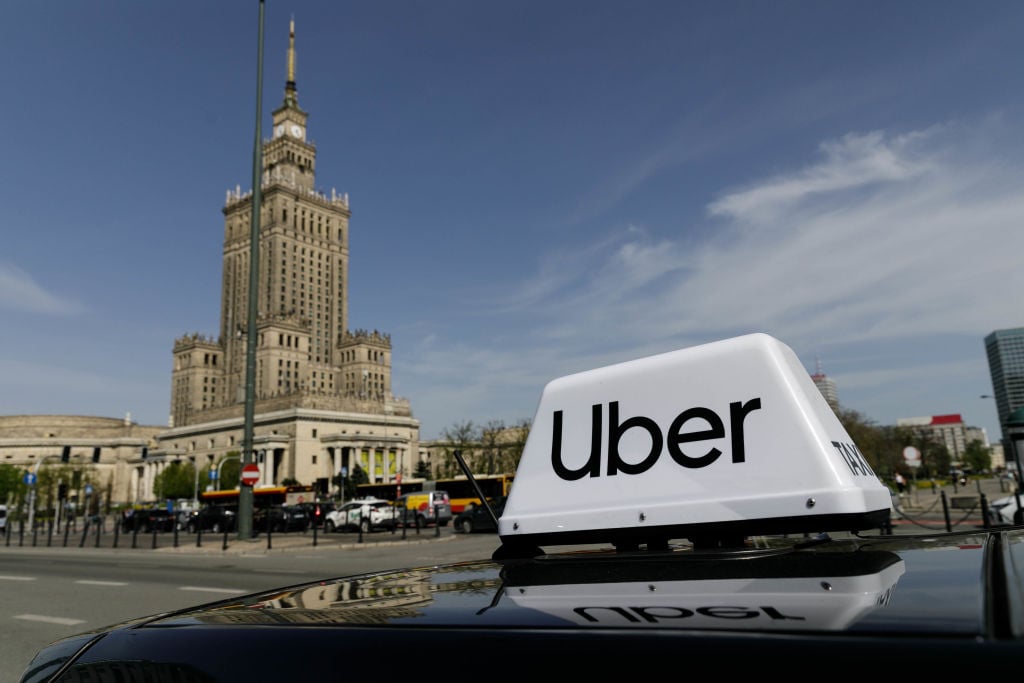
Uber's $10 Billion Investment in Autonomous Driving

- Strategic Investment Plan: Uber is set to invest $10 billion in autonomous driving technology over the next few years, with $2.5 billion allocated for equity stakes and $7.5 billion for purchasing AVs, marking a shift from an asset-light model to a capital-intensive approach.
- Competitive Market Pressure: The company aims to launch AV rides in 15 cities by the end of 2026, attempting to catch up with Waymo's dominance, which currently completes 500,000 AV rides per week in the U.S., highlighting the intense competition in the industry.
- User Base Advantage: With 202 million monthly active users, Uber controls the demand side, making it a reasonable capital allocation decision to foster AV adoption within its ecosystem, which is expected to yield significant long-term financial benefits.
- Optimistic Financial Outlook: Uber's revenue and operating income are projected to grow at compound annual rates of 13% and 32%, respectively, from 2025 to 2028, making the current price-to-earnings ratio of 16.3 appear attractive, further solidifying its position as a growth stock.
See More
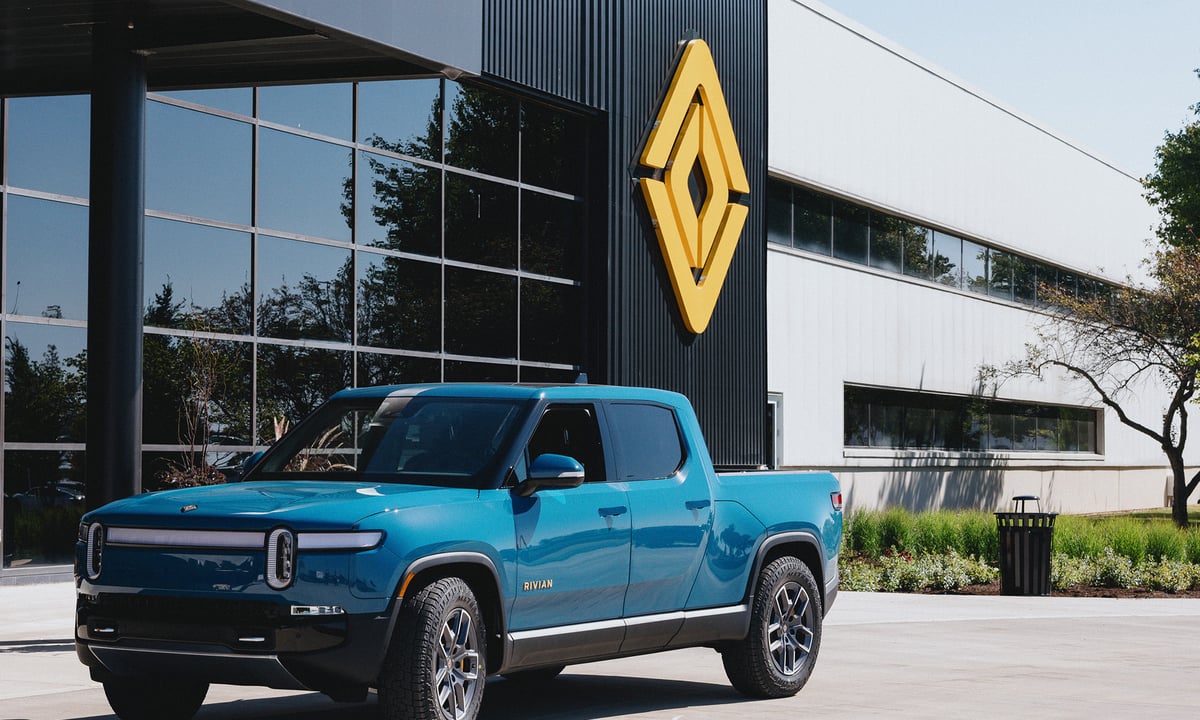
Rivian Could Deliver 1,000% Return Potential


- Growth Potential Analysis: Rivian's market cap stands at $21 billion with a current stock price of $17.15, and while its sales base pales in comparison to Tesla's, the company has invested billions in scaling production of its luxury models, R1T and R1S, demonstrating its growth capability.
- Strategic Turning Point: Rivian plans to begin deliveries of its first affordable SUV, the R2, in 2026, which, if successful, could serve as its equivalent to Tesla's Model Y, significantly boosting revenue and profitability metrics.
- AI Investment Strategy: Rivian is ramping up investments in artificial intelligence, intending to integrate it into production processes and self-driving technology; while results are yet to materialize, a $1.25 billion investment deal with Uber highlights its technology-driven market potential.
- Market Competition Outlook: Despite Tesla facing declining sales, Rivian is seizing the opportunity to enter the robotaxi market through its partnership with Uber, which is expected to provide substantial growth potential for its stock, attracting the attention of long-term investors.
See More

Netflix's Long-Term Growth Potential Remains Significant


- User Engagement Growth: Netflix's management highlighted that, despite holding only about 5% of global TV viewership, its audience is nearing 1 billion, showcasing its strong appeal in a rapidly changing entertainment landscape and significant future growth potential.
- Market Penetration Opportunities: As of the end of 2025, Netflix's penetration in broadband households is less than 45%, indicating ample room for expansion in the global market, which can enhance market share through improved user experience.
- Long-Term Investment Value: The management emphasized Netflix's commitment to being a 'must-have service' for users, which not only aids in increasing retention rates but also solidifies its leadership position in a competitive market, attracting more investor attention.
- Strategic Development Focus: Netflix aims to enhance user engagement and content quality for sustainable growth, planning to tackle industry challenges through innovation and technology investments to ensure its competitive edge in the future.
See More
Latest Wall Street Ratings Overview


- Cybersecurity Investment Opportunity: Berenberg initiates coverage on Palo Alto Networks with a buy rating, highlighting its status as a 'best-in-class' player in cybersecurity, combining multiple growth engines and strong product breadth, which is expected to attract more investor interest in its sustained growth potential.
- Optimistic Tesla Outlook: Bank of America reiterates Tesla as a buy, anticipating that the upcoming Q1 earnings report will focus on its robotaxi deployments aimed at disrupting the rideshare market and capturing a portion of the $1 trillion market opportunity, showcasing its strategic advantage amid increasing competition.
- Packaging Industry Growth Potential: Raymond James upgrades Ball Corp to outperform, citing the company's strong performance in cost pass-throughs and structural support for the beverage sector, predicting it will achieve outsized growth compared to its packaging peers.
- Biopharma Market Prospects: Canaccord initiates AbbVie with a buy rating and a price target of $262, emphasizing its position as a 'core holding' and showcasing its strong growth potential and market appeal in the biopharmaceutical sector.
See More

Uber Commits $10 Billion to Tackle Autonomous Driving Challenges
- Strategic Investment Plan: Uber is committing $10 billion over the next few years, with $2.5 billion allocated for equity stakes and $7.5 billion for purchasing autonomous vehicles, indicating a significant shift from its asset-light model to a capital-intensive approach.
- Demand Control Advantage: With 202 million monthly active users, Uber's control over the demand side positions it strongly against competitors in the autonomous driving space, and this investment is expected to enhance its competitiveness in the future mobility market.
- Optimistic Financial Outlook: Uber's revenue and operating income are projected to grow at compound annual rates of 13% and 32%, respectively, between 2025 and 2028, making its current price-to-earnings ratio of 16.3 appear compelling and reflecting market confidence in its future growth.
- Competitive Pressure: As Waymo completes 500,000 autonomous rides weekly, Uber's investment plan is seen as a necessary move to catch up with industry leaders, and while the market may be cautious about its future, its strong user base could support long-term growth.
See More

Uber Files Scheduled 13G Disclosure

- Disclosure Filing: Uber Technologies disclosed a Scheduled 13G filing with the US Securities and Exchange Commission on Sunday, reflecting the company's commitment to transparency and compliance, aimed at enhancing investor confidence and maintaining market trust.
- Regulatory Compliance: The 13G filing is a necessary step for the company to adhere to securities law requirements, ensuring that its shareholders and potential investors have access to the latest information on its equity structure, thereby promoting a fair trading environment in the market.
- Market Reaction: While the specific contents of the filing remain undisclosed, such disclosures typically attract market attention, potentially influencing investor perceptions of Uber's stock and subsequently affecting its price volatility.
- Strategic Implications: By committing to regular disclosures, Uber not only demonstrates its focus on compliance but may also lay the groundwork for future financing or strategic partnerships, thereby strengthening its position in a highly competitive market.
See More
Uber's $10 Billion Investment in Autonomous Driving
- Strategic Investment Plan: Uber is set to invest $10 billion in autonomous driving technology over the next few years, with $2.5 billion allocated for equity stakes and $7.5 billion for purchasing AVs, marking a shift from an asset-light model to a capital-intensive approach.
- Competitive Market Pressure: The company aims to launch AV rides in 15 cities by the end of 2026, attempting to catch up with Waymo's dominance, which currently completes 500,000 AV rides per week in the U.S., highlighting the intense competition in the industry.
- User Base Advantage: With 202 million monthly active users, Uber controls the demand side, making it a reasonable capital allocation decision to foster AV adoption within its ecosystem, which is expected to yield significant long-term financial benefits.
- Optimistic Financial Outlook: Uber's revenue and operating income are projected to grow at compound annual rates of 13% and 32%, respectively, from 2025 to 2028, making the current price-to-earnings ratio of 16.3 appear attractive, further solidifying its position as a growth stock.
See More
Rivian Could Deliver 1,000% Return Potential
- Growth Potential Analysis: Rivian's market cap stands at $21 billion with a current stock price of $17.15, and while its sales base pales in comparison to Tesla's, the company has invested billions in scaling production of its luxury models, R1T and R1S, demonstrating its growth capability.
- Strategic Turning Point: Rivian plans to begin deliveries of its first affordable SUV, the R2, in 2026, which, if successful, could serve as its equivalent to Tesla's Model Y, significantly boosting revenue and profitability metrics.
- AI Investment Strategy: Rivian is ramping up investments in artificial intelligence, intending to integrate it into production processes and self-driving technology; while results are yet to materialize, a $1.25 billion investment deal with Uber highlights its technology-driven market potential.
- Market Competition Outlook: Despite Tesla facing declining sales, Rivian is seizing the opportunity to enter the robotaxi market through its partnership with Uber, which is expected to provide substantial growth potential for its stock, attracting the attention of long-term investors.
See More
Netflix's Long-Term Growth Potential Remains Significant
- User Engagement Growth: Netflix's management highlighted that, despite holding only about 5% of global TV viewership, its audience is nearing 1 billion, showcasing its strong appeal in a rapidly changing entertainment landscape and significant future growth potential.
- Market Penetration Opportunities: As of the end of 2025, Netflix's penetration in broadband households is less than 45%, indicating ample room for expansion in the global market, which can enhance market share through improved user experience.
- Long-Term Investment Value: The management emphasized Netflix's commitment to being a 'must-have service' for users, which not only aids in increasing retention rates but also solidifies its leadership position in a competitive market, attracting more investor attention.
- Strategic Development Focus: Netflix aims to enhance user engagement and content quality for sustainable growth, planning to tackle industry challenges through innovation and technology investments to ensure its competitive edge in the future.
See More
Latest Wall Street Ratings Overview
- Cybersecurity Investment Opportunity: Berenberg initiates coverage on Palo Alto Networks with a buy rating, highlighting its status as a 'best-in-class' player in cybersecurity, combining multiple growth engines and strong product breadth, which is expected to attract more investor interest in its sustained growth potential.
- Optimistic Tesla Outlook: Bank of America reiterates Tesla as a buy, anticipating that the upcoming Q1 earnings report will focus on its robotaxi deployments aimed at disrupting the rideshare market and capturing a portion of the $1 trillion market opportunity, showcasing its strategic advantage amid increasing competition.
- Packaging Industry Growth Potential: Raymond James upgrades Ball Corp to outperform, citing the company's strong performance in cost pass-throughs and structural support for the beverage sector, predicting it will achieve outsized growth compared to its packaging peers.
- Biopharma Market Prospects: Canaccord initiates AbbVie with a buy rating and a price target of $262, emphasizing its position as a 'core holding' and showcasing its strong growth potential and market appeal in the biopharmaceutical sector.
See More
Uber Commits $10 Billion to Tackle Autonomous Driving Challenges
- Strategic Investment Plan: Uber is committing $10 billion over the next few years, with $2.5 billion allocated for equity stakes and $7.5 billion for purchasing autonomous vehicles, indicating a significant shift from its asset-light model to a capital-intensive approach.
- Demand Control Advantage: With 202 million monthly active users, Uber's control over the demand side positions it strongly against competitors in the autonomous driving space, and this investment is expected to enhance its competitiveness in the future mobility market.
- Optimistic Financial Outlook: Uber's revenue and operating income are projected to grow at compound annual rates of 13% and 32%, respectively, between 2025 and 2028, making its current price-to-earnings ratio of 16.3 appear compelling and reflecting market confidence in its future growth.
- Competitive Pressure: As Waymo completes 500,000 autonomous rides weekly, Uber's investment plan is seen as a necessary move to catch up with industry leaders, and while the market may be cautious about its future, its strong user base could support long-term growth.
See More
Uber Files Scheduled 13G Disclosure
- Disclosure Filing: Uber Technologies disclosed a Scheduled 13G filing with the US Securities and Exchange Commission on Sunday, reflecting the company's commitment to transparency and compliance, aimed at enhancing investor confidence and maintaining market trust.
- Regulatory Compliance: The 13G filing is a necessary step for the company to adhere to securities law requirements, ensuring that its shareholders and potential investors have access to the latest information on its equity structure, thereby promoting a fair trading environment in the market.
- Market Reaction: While the specific contents of the filing remain undisclosed, such disclosures typically attract market attention, potentially influencing investor perceptions of Uber's stock and subsequently affecting its price volatility.
- Strategic Implications: By committing to regular disclosures, Uber not only demonstrates its focus on compliance but may also lay the groundwork for future financing or strategic partnerships, thereby strengthening its position in a highly competitive market.
See More