3 Underperforming Stocks That Miss the Mark


Wall Street Concerns: Wall Street's bearish price targets for stocks like The New York Times, Petco, and Credit Acceptance indicate significant skepticism about their future performance, with concerns over low demand, weak sales trends, and high debt levels.
The New York Times (NYSE:NYT): The company faces challenges with underwhelming subscriber growth, soft estimated sales growth of 6.9%, and eroding returns on capital, trading at $57.01 per share with a forward P/E of 23.7x.
Petco (NASDAQ:WOOF): Petco's weak same-store sales and declining earnings per share raise concerns, compounded by a high net-debt-to-EBITDA ratio, with its stock priced at $3.70 per share and a forward P/E of 21.3x.
Credit Acceptance (NASDAQ:CACC): The company is struggling with flat sales and declining profitability, alongside a high debt-to-equity ratio of 3.9x, trading at $506.56 per share with a forward P/E of 12.3x, suggesting better investment opportunities elsewhere.
Trade with 70% Backtested Accuracy
Analyst Views on NYT

About NYT
About the author

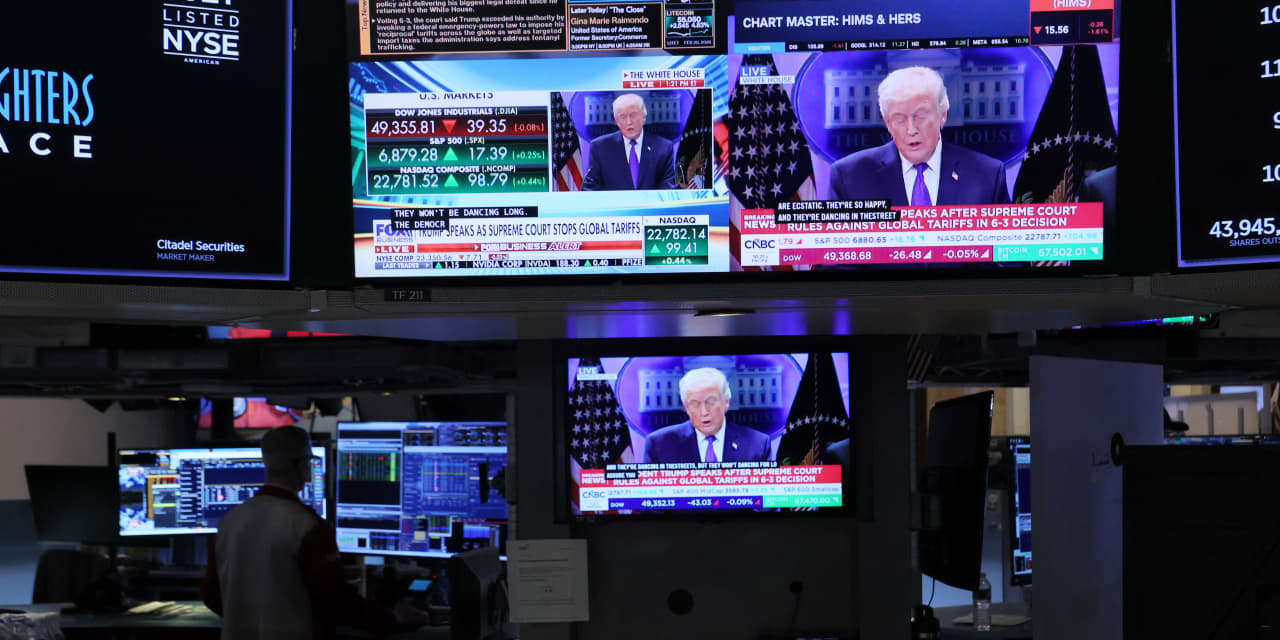
Stocks React to War Developments: Keep an Eye on Treasury Yields and Market Volatility.


- Market Gains: Global stock markets experienced solid gains due to reports suggesting a potential easing of tensions between the U.S. and Iran.
- Oil Prices: The positive market sentiment coincided with a significant drop in oil prices.
- Treasury Yields: There was also a notable decrease in Treasury bond yields, reflecting investor confidence.
- Overall Sentiment: The combination of these factors indicates a shift in market dynamics influenced by geopolitical developments.

Buffett Increases Holdings in Multiple Stocks


- Portfolio Adjustment: Buffett initiated a new position and added to four existing stocks in Berkshire Hathaway's portfolio, indicating his recognition of value in these companies, particularly his ongoing interest in Domino's Pizza.
- Cash Flow Dynamics: In the last quarter, Berkshire Hathaway's equity purchases totaled $3.5 billion, while sales increased to $6.6 billion; although the purchase amount represents less than 0.5% of its $373 billion in liquid assets, it reflects an ability to seize market opportunities.
- Domino's Pizza Performance: Buffett has rapidly increased his stake in Domino's Pizza over the past six quarters, now holding nearly 10%, as the company leverages its strong brand and technology to capture market share, recently posting a 3.7% same-store sales growth in the U.S.
- Emerging Investment: Buffett's new investment in The New York Times showcases its successful digital transformation, and despite its stock trading at nearly 30 times earnings expectations, the growing subscriber base and revenue per subscriber highlight its potential for growth in the traditional media landscape.
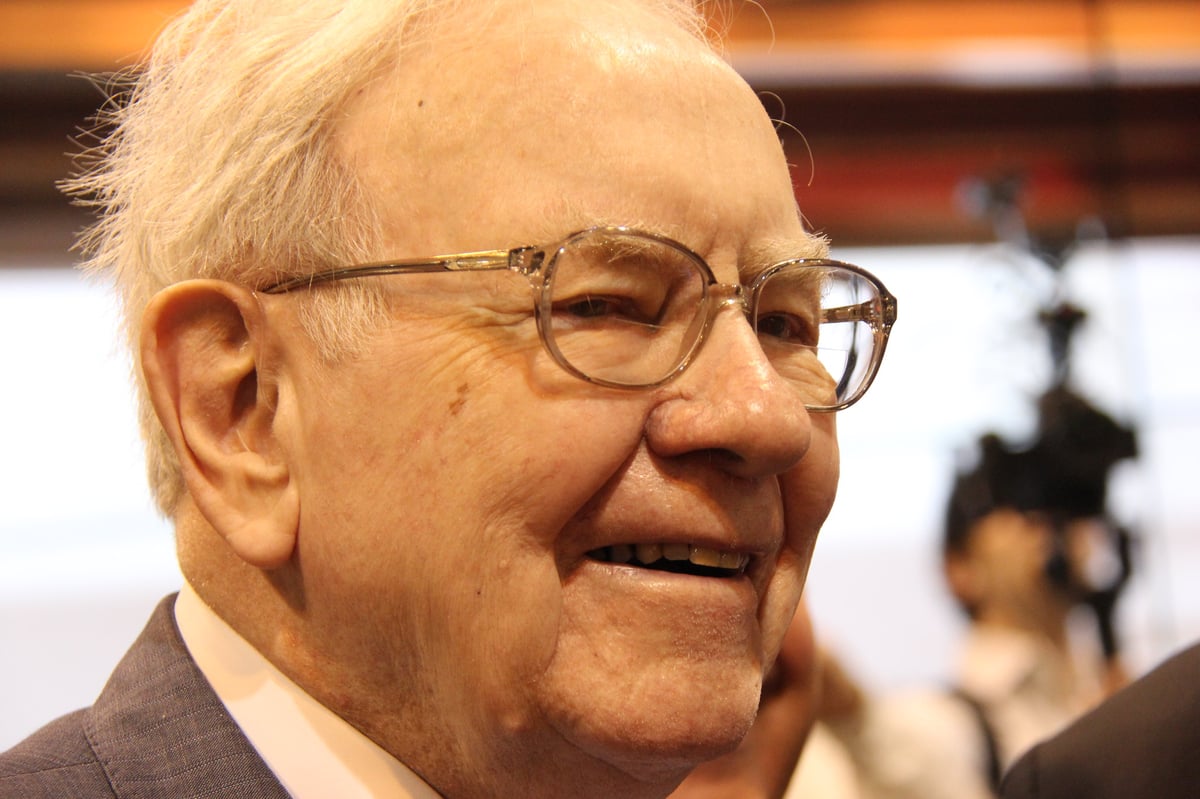
Buffett's Final Quarter Investment Overview
- Investment Dynamics: In his final quarter, Buffett invested $3.5 billion across five companies, despite being a net seller of stocks over the last 13 quarters, indicating challenges in finding suitable investment opportunities amid market conditions.
- Cash Flow Analysis: While Buffett's stock purchases totaled $3.5 billion, his sales reached $6.6 billion, reflecting a cautious investment strategy within his $373 billion liquid assets, showcasing a conservative approach to market volatility.
- Diversified Investments: Buffett's stake in Domino's Pizza has approached 10%, indicating confidence in the company's strong performance and market share growth, particularly with a recent same-store sales increase of 3.7%.
- Industry Outlook: Buffett's investments in Chubb and Chevron highlight his long-term optimism for the insurance and energy sectors, especially as Chubb continues to raise underwriting premiums, underscoring its competitive position in the market.

High Options Volume for New York Times and Thermo Fisher Scientific

- New York Times Options: New York Times (NYT) options volume reached 22,095 contracts today, representing approximately 2.2 million shares, which constitutes 98.3% of its average daily trading volume over the past month, indicating strong market interest in its future performance.
- High Volume Put Options: Within NYT, the $80 strike put option saw 10,001 contracts traded today, representing about 1.0 million shares, reflecting investor expectations of potential price declines, which could impact stock volatility.
- Thermo Fisher Options: Thermo Fisher Scientific Inc (TMO) options volume reached 19,487 contracts today, equating to approximately 1.9 million shares, accounting for 94% of its average daily trading volume over the past month, showcasing active market interest in its stock.
- Put Option Concerns: For TMO, the $570 strike put option traded 2,100 contracts today, representing around 210,000 shares, indicating investor concerns about potential future declines, which may affect its market performance.
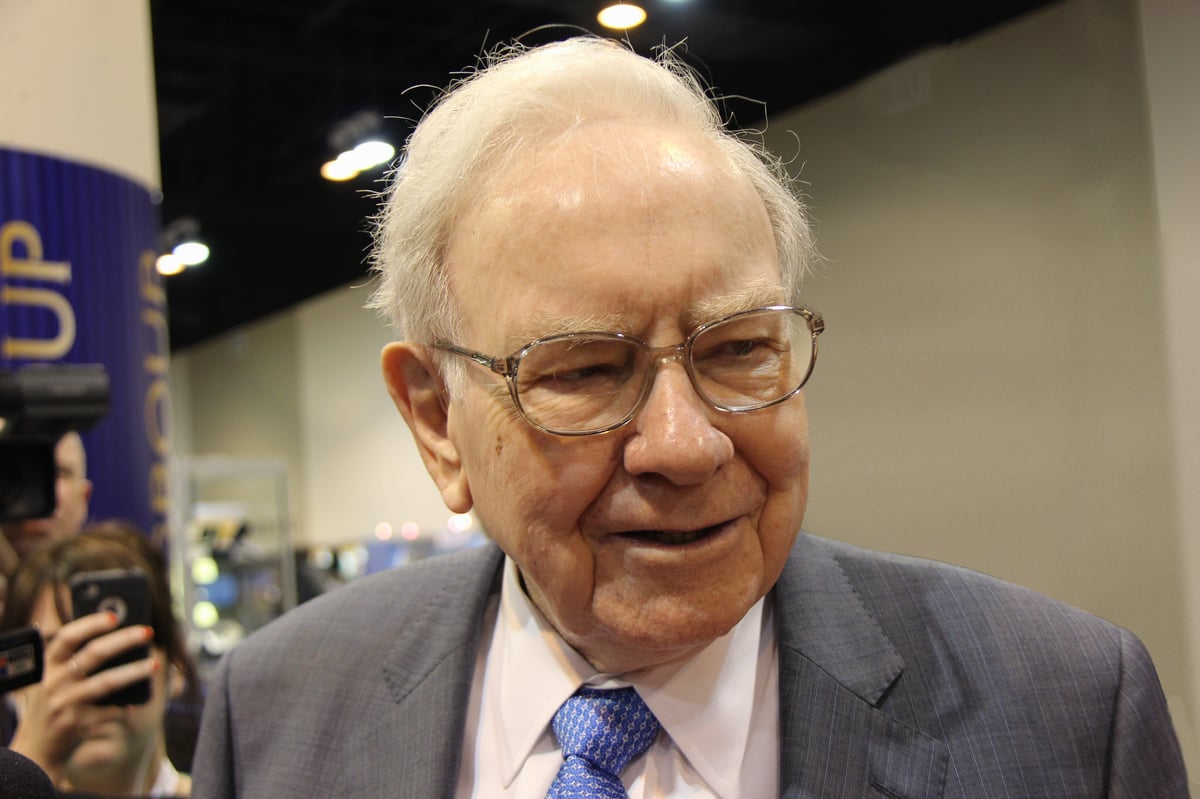
Warren Buffett Steps Down as CEO, Successor Takes Over


- Buffett's Leadership Legacy: Since becoming CEO in 1965, Buffett has achieved a compound annual return of 19.7% for Berkshire Hathaway, significantly outperforming the S&P 500's 10.5%, turning a $1,000 investment in 1965 into $48.4 million by 2025, showcasing his exceptional investment acumen and management skills.
- Transformation and Growth: Buffett transformed Berkshire from a struggling textile manufacturer into a $1 trillion holding company with a $306 billion stock portfolio and $373 billion in cash reserves, enhancing the company's flexibility and competitiveness in diversified investments and acquisitions.
- Apple Investment and Cash Management: Buffett invested approximately $38 billion in Apple between 2016 and 2023, with the stake now valued at $170 billion; despite gradually selling 75% of the position, Apple still represents 18.6% of Berkshire's portfolio, reflecting a strategic foothold in the tech sector.
- Stock Buybacks Resumed: Under Buffett's leadership, Berkshire repurchased $77.8 billion in stock from 2018 to mid-2024; although there were no buybacks in the latter half of 2024 and 2025, successor Abel has announced a resumption of buybacks, which is expected to enhance shareholder value and reduce cash reserves.

Buffett Passes the Baton to Abel as Berkshire's CEO
- Succession Transition: Warren Buffett will step down as CEO at the end of 2025, handing over the reins to Greg Abel, who is expected to continue driving company growth and follow in Buffett's successful strategic footsteps.
- Exceptional Returns: Under Buffett's leadership, Berkshire achieved a compound annual return of 19.7%, significantly outperforming the S&P 500's 10.5%, resulting in a staggering $48.4 million return for shareholders who invested $1,000 in 1965 by the end of 2025.
- Buyback Resumption: Abel announced in a recent interview that Berkshire's stock buybacks have officially resumed, although specific figures were not disclosed, this move is expected to enhance shareholder value and reduce the company's substantial cash reserves.
- Cash Flow and Investment Opportunities: With $373 billion in cash, Berkshire faces challenges in finding sufficiently large investment opportunities, and Abel may increasingly allocate funds to buybacks to address the lack of viable investment options.
Stocks React to War Developments: Keep an Eye on Treasury Yields and Market Volatility.
- Market Gains: Global stock markets experienced solid gains due to reports suggesting a potential easing of tensions between the U.S. and Iran.
- Oil Prices: The positive market sentiment coincided with a significant drop in oil prices.
- Treasury Yields: There was also a notable decrease in Treasury bond yields, reflecting investor confidence.
- Overall Sentiment: The combination of these factors indicates a shift in market dynamics influenced by geopolitical developments.
Buffett Increases Holdings in Multiple Stocks
- Portfolio Adjustment: Buffett initiated a new position and added to four existing stocks in Berkshire Hathaway's portfolio, indicating his recognition of value in these companies, particularly his ongoing interest in Domino's Pizza.
- Cash Flow Dynamics: In the last quarter, Berkshire Hathaway's equity purchases totaled $3.5 billion, while sales increased to $6.6 billion; although the purchase amount represents less than 0.5% of its $373 billion in liquid assets, it reflects an ability to seize market opportunities.
- Domino's Pizza Performance: Buffett has rapidly increased his stake in Domino's Pizza over the past six quarters, now holding nearly 10%, as the company leverages its strong brand and technology to capture market share, recently posting a 3.7% same-store sales growth in the U.S.
- Emerging Investment: Buffett's new investment in The New York Times showcases its successful digital transformation, and despite its stock trading at nearly 30 times earnings expectations, the growing subscriber base and revenue per subscriber highlight its potential for growth in the traditional media landscape.
Buffett's Final Quarter Investment Overview
- Investment Dynamics: In his final quarter, Buffett invested $3.5 billion across five companies, despite being a net seller of stocks over the last 13 quarters, indicating challenges in finding suitable investment opportunities amid market conditions.
- Cash Flow Analysis: While Buffett's stock purchases totaled $3.5 billion, his sales reached $6.6 billion, reflecting a cautious investment strategy within his $373 billion liquid assets, showcasing a conservative approach to market volatility.
- Diversified Investments: Buffett's stake in Domino's Pizza has approached 10%, indicating confidence in the company's strong performance and market share growth, particularly with a recent same-store sales increase of 3.7%.
- Industry Outlook: Buffett's investments in Chubb and Chevron highlight his long-term optimism for the insurance and energy sectors, especially as Chubb continues to raise underwriting premiums, underscoring its competitive position in the market.
High Options Volume for New York Times and Thermo Fisher Scientific
- New York Times Options: New York Times (NYT) options volume reached 22,095 contracts today, representing approximately 2.2 million shares, which constitutes 98.3% of its average daily trading volume over the past month, indicating strong market interest in its future performance.
- High Volume Put Options: Within NYT, the $80 strike put option saw 10,001 contracts traded today, representing about 1.0 million shares, reflecting investor expectations of potential price declines, which could impact stock volatility.
- Thermo Fisher Options: Thermo Fisher Scientific Inc (TMO) options volume reached 19,487 contracts today, equating to approximately 1.9 million shares, accounting for 94% of its average daily trading volume over the past month, showcasing active market interest in its stock.
- Put Option Concerns: For TMO, the $570 strike put option traded 2,100 contracts today, representing around 210,000 shares, indicating investor concerns about potential future declines, which may affect its market performance.
Warren Buffett Steps Down as CEO, Successor Takes Over
- Buffett's Leadership Legacy: Since becoming CEO in 1965, Buffett has achieved a compound annual return of 19.7% for Berkshire Hathaway, significantly outperforming the S&P 500's 10.5%, turning a $1,000 investment in 1965 into $48.4 million by 2025, showcasing his exceptional investment acumen and management skills.
- Transformation and Growth: Buffett transformed Berkshire from a struggling textile manufacturer into a $1 trillion holding company with a $306 billion stock portfolio and $373 billion in cash reserves, enhancing the company's flexibility and competitiveness in diversified investments and acquisitions.
- Apple Investment and Cash Management: Buffett invested approximately $38 billion in Apple between 2016 and 2023, with the stake now valued at $170 billion; despite gradually selling 75% of the position, Apple still represents 18.6% of Berkshire's portfolio, reflecting a strategic foothold in the tech sector.
- Stock Buybacks Resumed: Under Buffett's leadership, Berkshire repurchased $77.8 billion in stock from 2018 to mid-2024; although there were no buybacks in the latter half of 2024 and 2025, successor Abel has announced a resumption of buybacks, which is expected to enhance shareholder value and reduce cash reserves.
Buffett Passes the Baton to Abel as Berkshire's CEO
- Succession Transition: Warren Buffett will step down as CEO at the end of 2025, handing over the reins to Greg Abel, who is expected to continue driving company growth and follow in Buffett's successful strategic footsteps.
- Exceptional Returns: Under Buffett's leadership, Berkshire achieved a compound annual return of 19.7%, significantly outperforming the S&P 500's 10.5%, resulting in a staggering $48.4 million return for shareholders who invested $1,000 in 1965 by the end of 2025.
- Buyback Resumption: Abel announced in a recent interview that Berkshire's stock buybacks have officially resumed, although specific figures were not disclosed, this move is expected to enhance shareholder value and reduce the company's substantial cash reserves.
- Cash Flow and Investment Opportunities: With $373 billion in cash, Berkshire faces challenges in finding sufficiently large investment opportunities, and Abel may increasingly allocate funds to buybacks to address the lack of viable investment options.