1 Compelling Reason to Invest in Berkshire Hathaway Stock Right Now


CEO Transition: Warren Buffett is transitioning leadership of Berkshire Hathaway to Greg Abel, but this change is not expected to significantly alter the company's operations.
Conglomerate Structure: Berkshire Hathaway operates as a conglomerate with 189 subsidiaries across various industries, including railroads, utilities, and retail, while also holding a substantial portfolio of publicly traded stocks.
Financial Strength: The company boasts over $380 billion in cash and equivalents, providing a strong safety net for navigating potential market downturns and opportunities for acquisitions.
Investment Perspective: Berkshire Hathaway should be viewed as a unique investment opportunity, akin to hiring skilled money managers, with the current cash reserves making it an attractive option for investors considering market conditions.
Trade with 70% Backtested Accuracy
Analyst Views on KO

About KO
About the author

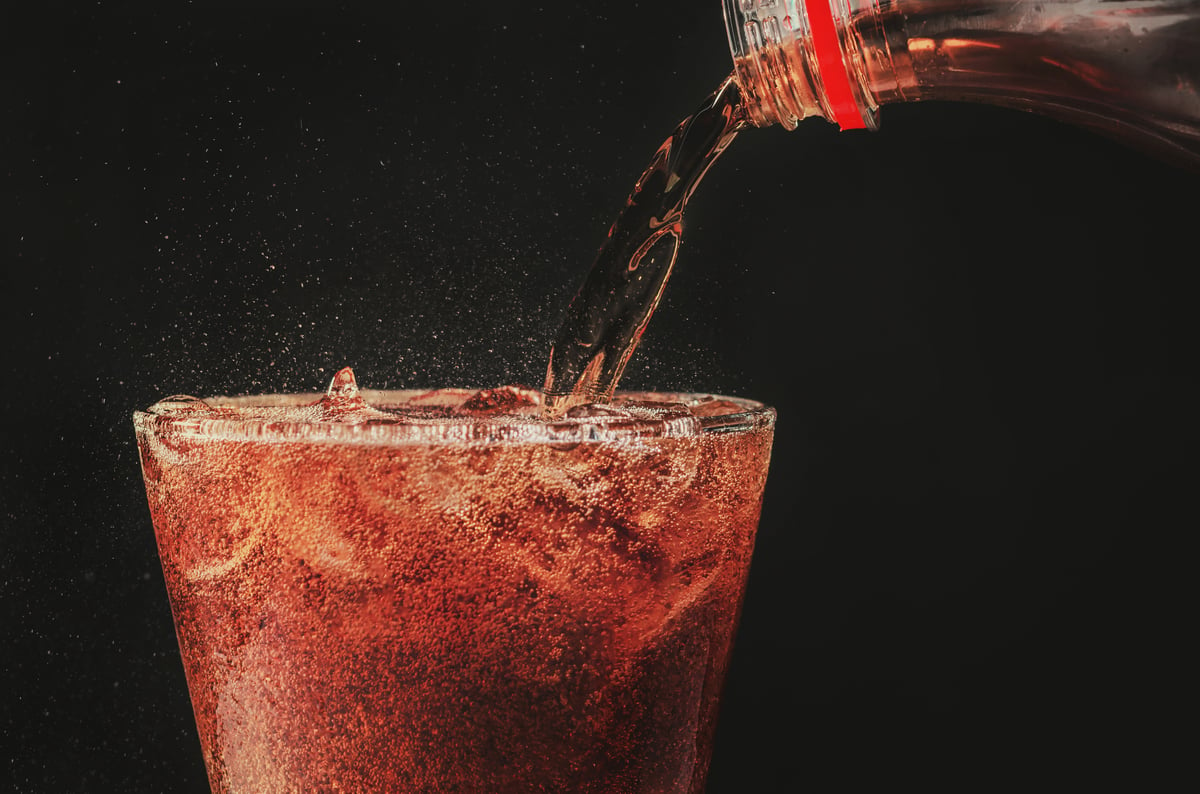
Coca-Cola Faces Rising Costs Amid Slowing Demand

- Cost Pressure: Coca-Cola is facing challenges with rising raw material and production costs as of April 17, 2026, which could squeeze profit margins and impact future profitability.
- Slowing Consumer Demand: The slowdown in consumer spending is reflected in Coca-Cola's decelerating sales growth, indicating a weakening demand for its products that may affect overall company performance.
- Stock Price Volatility: On April 17, 2026, Coca-Cola's stock price experienced fluctuations, raising investor concerns about the company's future earnings outlook, potentially leading to decreased market confidence.
- Need for Strategic Adjustment: In light of the dual pressures of rising costs and slowing demand, Coca-Cola may need to reassess its market strategy to maintain competitiveness and ensure long-term growth.

Investment Outlook for Bitcoin and XRP
- Bitcoin Market Performance: Bitcoin is currently priced at $502.50 with a market cap of $1.5 trillion, and despite a 14% year-to-date decline due to the war in Iran, its brand recognition and increasing institutional investment may stabilize its price in the long run.
- Impact of Institutional Investors: The growing number of hedge funds and asset management firms holding Bitcoin could reduce speculative panic selling, thereby supporting Bitcoin's long-term growth potential.
- XRP's Market Position: With a market cap of $88 billion, XRP remains a significant player in the industry, and its future success hinges on developers expanding its blockchain ecosystem and promoting mainstream adoption.
- Legal and Regulatory Support: The SEC's policy changes have made it easier for XRP to enter mainstream finance, with institutional investors like Goldman Sachs holding a $153.8 million position in XRP ETFs, indicating strong interest in the asset.

Uncertainty Over Iran Conflict Weighs on Market Sentiment

- Market Volatility Impact: The uncertainty surrounding the Iran conflict has weighed on the stock market for the past few months, and although the S&P 500 has recently rebounded to new highs, the turbulence may not be over, prompting investors to remain cautious about potential pullback risks.
- Long-Term Investment Strategy: In the current environment, investors should remember that investing is a long-term endeavor, as fluctuations in quality stocks over short periods generally have limited impact on returns, thus adding dividend stocks during tough times can provide passive income and mitigate the effects of market volatility.
- Coca-Cola's Stability: Coca-Cola (KO), a Dividend King that has raised its dividend for 50 consecutive years, offers a dividend of $2.06 per share with a yield of 2.7%, demonstrating the company's commitment to shareholders and steady earnings growth, making it a suitable long-term investment.
- Walmart's Growth Potential: Walmart (WMT) has seen a 15% increase in global membership fee revenue and a 41% gain in its Walmart Connect advertising business, and while its dividend yield is 0.7%, its overall earnings growth potential makes it a noteworthy investment choice.

Dividend Growth Potential in Consumer Goods Stocks
- Advantages of Dividend Stocks: Consumer goods stocks are considered wise investments due to their long track record of dividend growth, particularly in uncertain market conditions, providing stable passive income that boosts investor confidence.
- Coca-Cola's Stability: As a 'Dividend King', Coca-Cola has raised its dividend for 50 consecutive years, currently paying $2.06 per share with a 2.7% yield, demonstrating the company's commitment to shareholders and its competitive advantage in the global beverage market.
- Walmart's Growth Potential: Walmart has achieved significant growth through its e-commerce and Walmart+ membership services, with global membership fee revenue increasing by 15% in the recent quarter, while its dividend stands at $0.99 per share; although the yield is lower, its stable earnings growth potential makes it a worthy investment.
- Target's Turnaround Opportunity: Target is investing $2 billion to improve store displays and employee training, maintaining annual revenue at $30 billion despite challenges, with a dividend of $4.56 per share and a yield of 3.5%, indicating potential for future growth and passive income security.
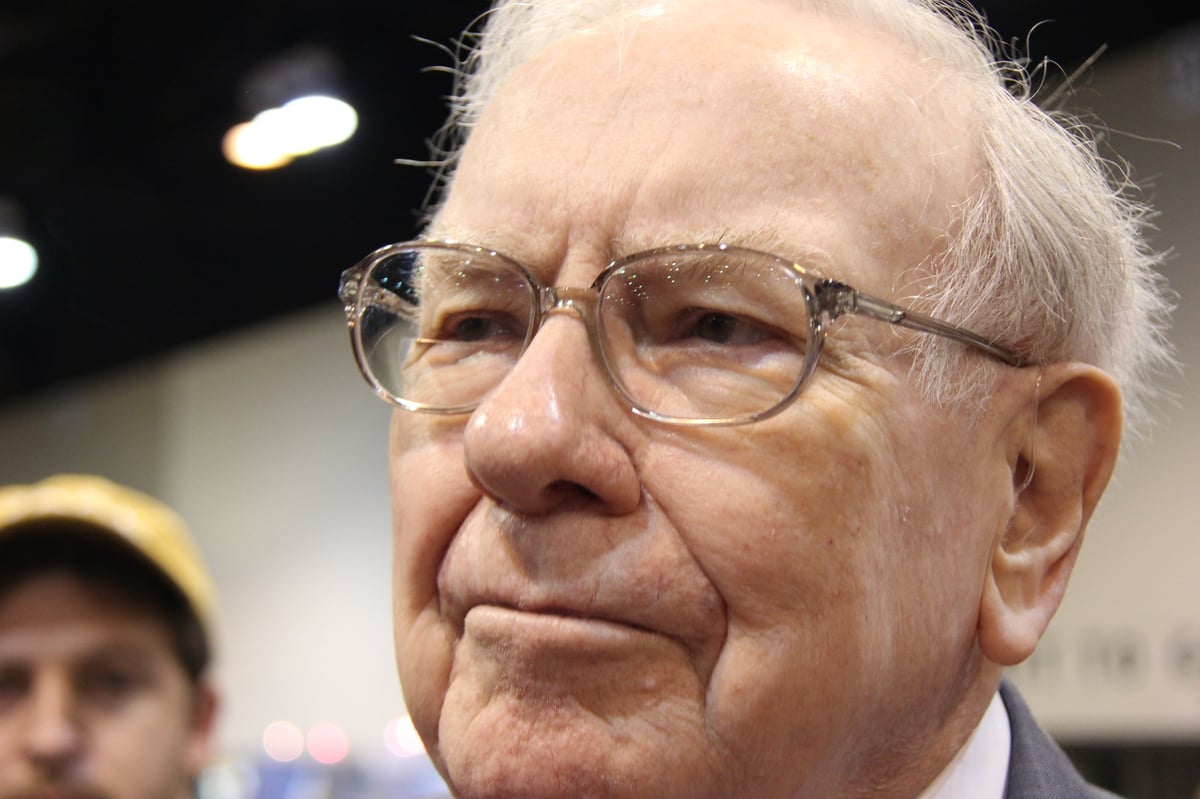
Buffett Retires, Abel Takes Over as CEO of Berkshire Hathaway

- Leadership Transition: Warren Buffett retired on December 31, 2025, with Greg Abel stepping in to manage Berkshire Hathaway's $320 billion investment portfolio, marking a significant new era for the company.
- Investment Concentration: Abel's portfolio is heavily weighted, with 10 core holdings accounting for nearly 79% of assets, including Apple at $60 billion, highlighting the company's focus on high-quality assets and long-term growth potential.
- Sustainable Competitive Advantages: Among the 20 billion-dollar investments Abel oversees, many companies like Visa and Sirius XM operate as legal monopolies, ensuring stable revenue streams and risk resilience, reflecting Berkshire's investment strategy.
- Smaller Holdings Adjustment: Abel also manages 18 relatively smaller investments, with significant reductions like the 77% cut in Amazon's stake, indicating a focus on optimizing the portfolio and potentially paving the way for future trading opportunities.

Warren Buffett Retires, Greg Abel Takes Over as CEO of Berkshire Hathaway
- Leadership Transition: Warren Buffett retired as CEO on December 31, 2025, with Greg Abel taking over the management of a $320 billion investment portfolio, marking a new era for Berkshire Hathaway, although Buffett remains as chairman of the board.
- Investment Philosophy Continuity: Abel shares a similar investment philosophy with Buffett, emphasizing value investing and sustainable competitive advantages, particularly by allocating a significant portion of the company's capital to their best ideas.
- Core Holdings Concentration: The ten core positions account for nearly 79% of Berkshire's invested assets, all of which pay dividends and engage in share repurchases, demonstrating strong capital return capabilities, with Abel's management style reflected in these choices.
- Smaller Investment Dynamics: Abel oversees 18 smaller holdings ranging from $5 million to approximately $692 million, many of which are being reduced or removed from the portfolio, indicating a dynamic adjustment strategy in response to market conditions.
Coca-Cola Faces Rising Costs Amid Slowing Demand
- Cost Pressure: Coca-Cola is facing challenges with rising raw material and production costs as of April 17, 2026, which could squeeze profit margins and impact future profitability.
- Slowing Consumer Demand: The slowdown in consumer spending is reflected in Coca-Cola's decelerating sales growth, indicating a weakening demand for its products that may affect overall company performance.
- Stock Price Volatility: On April 17, 2026, Coca-Cola's stock price experienced fluctuations, raising investor concerns about the company's future earnings outlook, potentially leading to decreased market confidence.
- Need for Strategic Adjustment: In light of the dual pressures of rising costs and slowing demand, Coca-Cola may need to reassess its market strategy to maintain competitiveness and ensure long-term growth.
Investment Outlook for Bitcoin and XRP
- Bitcoin Market Performance: Bitcoin is currently priced at $502.50 with a market cap of $1.5 trillion, and despite a 14% year-to-date decline due to the war in Iran, its brand recognition and increasing institutional investment may stabilize its price in the long run.
- Impact of Institutional Investors: The growing number of hedge funds and asset management firms holding Bitcoin could reduce speculative panic selling, thereby supporting Bitcoin's long-term growth potential.
- XRP's Market Position: With a market cap of $88 billion, XRP remains a significant player in the industry, and its future success hinges on developers expanding its blockchain ecosystem and promoting mainstream adoption.
- Legal and Regulatory Support: The SEC's policy changes have made it easier for XRP to enter mainstream finance, with institutional investors like Goldman Sachs holding a $153.8 million position in XRP ETFs, indicating strong interest in the asset.
Uncertainty Over Iran Conflict Weighs on Market Sentiment
- Market Volatility Impact: The uncertainty surrounding the Iran conflict has weighed on the stock market for the past few months, and although the S&P 500 has recently rebounded to new highs, the turbulence may not be over, prompting investors to remain cautious about potential pullback risks.
- Long-Term Investment Strategy: In the current environment, investors should remember that investing is a long-term endeavor, as fluctuations in quality stocks over short periods generally have limited impact on returns, thus adding dividend stocks during tough times can provide passive income and mitigate the effects of market volatility.
- Coca-Cola's Stability: Coca-Cola (KO), a Dividend King that has raised its dividend for 50 consecutive years, offers a dividend of $2.06 per share with a yield of 2.7%, demonstrating the company's commitment to shareholders and steady earnings growth, making it a suitable long-term investment.
- Walmart's Growth Potential: Walmart (WMT) has seen a 15% increase in global membership fee revenue and a 41% gain in its Walmart Connect advertising business, and while its dividend yield is 0.7%, its overall earnings growth potential makes it a noteworthy investment choice.
Dividend Growth Potential in Consumer Goods Stocks
- Advantages of Dividend Stocks: Consumer goods stocks are considered wise investments due to their long track record of dividend growth, particularly in uncertain market conditions, providing stable passive income that boosts investor confidence.
- Coca-Cola's Stability: As a 'Dividend King', Coca-Cola has raised its dividend for 50 consecutive years, currently paying $2.06 per share with a 2.7% yield, demonstrating the company's commitment to shareholders and its competitive advantage in the global beverage market.
- Walmart's Growth Potential: Walmart has achieved significant growth through its e-commerce and Walmart+ membership services, with global membership fee revenue increasing by 15% in the recent quarter, while its dividend stands at $0.99 per share; although the yield is lower, its stable earnings growth potential makes it a worthy investment.
- Target's Turnaround Opportunity: Target is investing $2 billion to improve store displays and employee training, maintaining annual revenue at $30 billion despite challenges, with a dividend of $4.56 per share and a yield of 3.5%, indicating potential for future growth and passive income security.
Buffett Retires, Abel Takes Over as CEO of Berkshire Hathaway
- Leadership Transition: Warren Buffett retired on December 31, 2025, with Greg Abel stepping in to manage Berkshire Hathaway's $320 billion investment portfolio, marking a significant new era for the company.
- Investment Concentration: Abel's portfolio is heavily weighted, with 10 core holdings accounting for nearly 79% of assets, including Apple at $60 billion, highlighting the company's focus on high-quality assets and long-term growth potential.
- Sustainable Competitive Advantages: Among the 20 billion-dollar investments Abel oversees, many companies like Visa and Sirius XM operate as legal monopolies, ensuring stable revenue streams and risk resilience, reflecting Berkshire's investment strategy.
- Smaller Holdings Adjustment: Abel also manages 18 relatively smaller investments, with significant reductions like the 77% cut in Amazon's stake, indicating a focus on optimizing the portfolio and potentially paving the way for future trading opportunities.
Warren Buffett Retires, Greg Abel Takes Over as CEO of Berkshire Hathaway
- Leadership Transition: Warren Buffett retired as CEO on December 31, 2025, with Greg Abel taking over the management of a $320 billion investment portfolio, marking a new era for Berkshire Hathaway, although Buffett remains as chairman of the board.
- Investment Philosophy Continuity: Abel shares a similar investment philosophy with Buffett, emphasizing value investing and sustainable competitive advantages, particularly by allocating a significant portion of the company's capital to their best ideas.
- Core Holdings Concentration: The ten core positions account for nearly 79% of Berkshire's invested assets, all of which pay dividends and engage in share repurchases, demonstrating strong capital return capabilities, with Abel's management style reflected in these choices.
- Smaller Investment Dynamics: Abel oversees 18 smaller holdings ranging from $5 million to approximately $692 million, many of which are being reduced or removed from the portfolio, indicating a dynamic adjustment strategy in response to market conditions.