Woodside Energy Takes Operational Control of New Ammonia Facility
Written by Emily J. Thompson, Senior Investment Analyst
Updated: 6 days ago
0mins
Should l Buy WDS?
Source: NASDAQ.COM
- Operational Control Transition: Woodside Energy Group has assumed operational control of the Beaumont New Ammonia facility in southeast Texas, completing performance testing and handover from OCI Global, marking a significant expansion in the ammonia production sector.
- Capacity and Market Impact: The facility has a production capacity of up to 1.1 million tonnes per annum, which is expected to nearly double US ammonia exports, thereby contributing to regional economic growth and enhancing Woodside's competitive position in the market.
- Low-Carbon Ammonia Production Outlook: Although ammonia production commenced in December 2025, the production of lower-carbon ammonia is now likely to occur after 2026 due to construction issues at the third-party feedstock supply facility, impacting the company's long-term strategic goals.
- Stock Price Reaction: Woodside Energy shares in Australia gained around 2.4%, trading at A$34.42, reflecting market optimism regarding the operational launch of its new facility.
Trade with 70% Backtested Accuracy
Stop guessing "Should I Buy WDS?" and start using high-conviction signals backed by rigorous historical data.
Sign up today to access powerful investing tools and make smarter, data-driven decisions.
Analyst Views on WDS
About WDS
Woodside Energy Group Ltd is a global energy company. Its segments include Australia, International and Marketing. The Australia segment is engaged in the exploration, evaluation, development, production and sale of liquefied natural gas, pipeline gas, crude oil and condensate and natural gas liquids in Australia. International segment is engaged in the exploration, evaluation, development, production and sale of pipeline gas, crude oil and condensate and natural gas liquids in international jurisdictions outside of Australia. Marketing segment is engaged in the marketing, shipping and trading of its oil and gas portfolio. Its projects include Pluto LNG, the North West Shelf Project, Macedon, Sangomar, the lower carbon ammonia project in Texas, and others. It holds an interest in Woodside Louisiana LNG, which is an under-construction LNG production and export terminal in Calcasieu Parish, Louisiana. The Sangomar, containing both oil and gas, is located 100 kilometers south of Dakar.
About the author

Emily J. Thompson
Emily J. Thompson, a Chartered Financial Analyst (CFA) with 12 years in investment research, graduated with honors from the Wharton School. Specializing in industrial and technology stocks, she provides in-depth analysis for Intellectia’s earnings and market brief reports.
Woodside Energy Resumes Gas Production After Cyclone Disruption

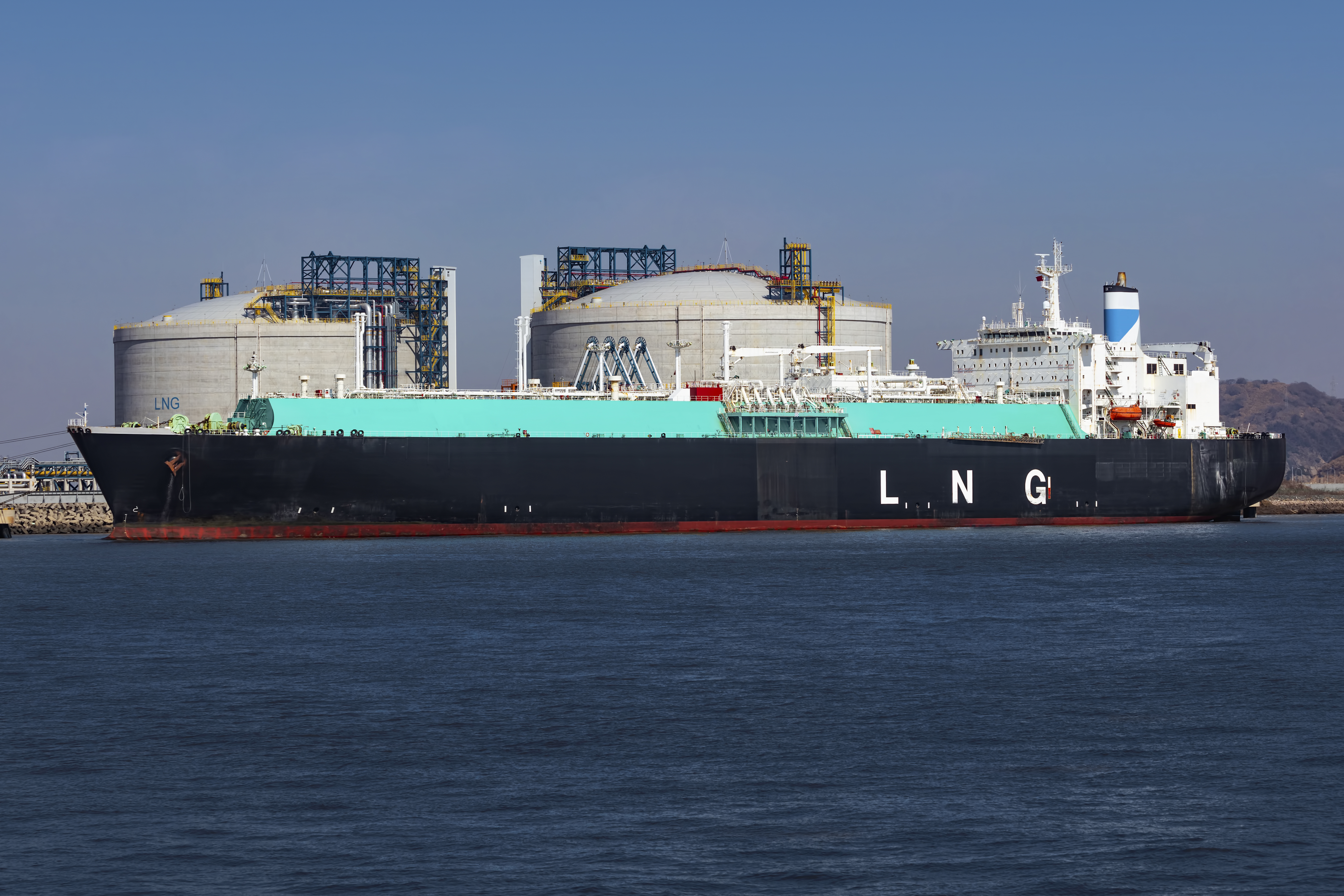
- Production Resumption: Woodside Energy announced on Wednesday that it has restarted liquefied natural gas and domestic gas production at its North West Shelf project after disruptions caused by Tropical Cyclone Narelle, highlighting the company's rapid recovery capabilities in the face of natural disasters.
- Facility Operations: The company stated that the Macedon and Pluto facilities continue to supply gas to Western Australia, ensuring stability in the region's energy supply while reflecting Woodside's effectiveness in crisis management.
- Climate Impact: The cyclone interrupted production at the Karratha gas plant, which feeds the North West Shelf export plant, demonstrating the potential threats posed by extreme weather to energy production, especially amid tightening global supplies.
- Project Adjustment: Woodside also announced the withdrawal of its Browse carbon capture and storage project from the environmental approval process, with plans to resubmit, indicating the company's flexibility and adaptability in environmental compliance.
See More
Investment Protection Strategies Amid Persian Gulf Conflict


- Oil and Gas Stock Opportunities: Amid the ongoing conflict in the Persian Gulf, companies like Devon Energy and Diamondback Energy, focused on U.S. oil production, present attractive investment options due to rising oil prices, especially considering pre-conflict price levels, making them ideal for risk management.
- Refining Sector Benefits: With the 3-2-1 crack spread soaring from $20 at the start of the year to $54, refining companies like Valero Energy and PBF Energy are set to benefit from this trend, provided that demand for transportation products does not suffer due to high prices.
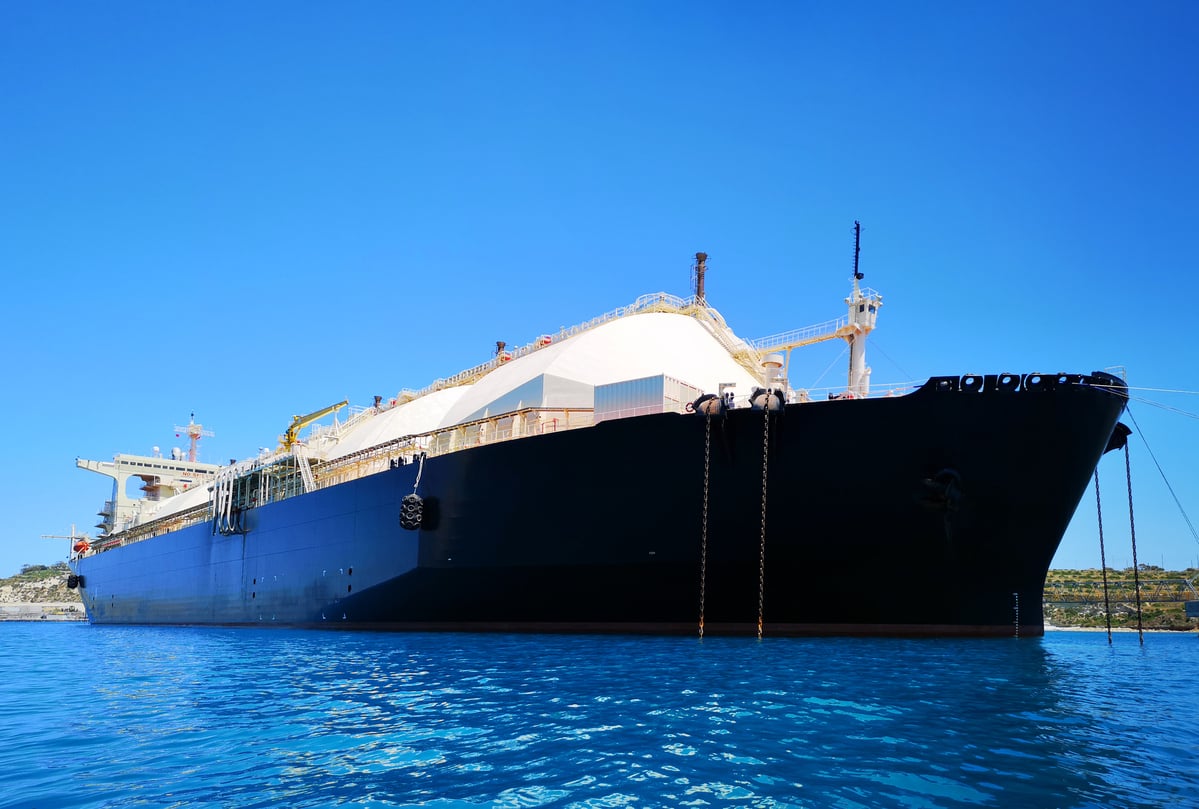
- LNG Supply Gap: The International Energy Agency notes that 34% of global crude oil trade and 20% of LNG trade pass through the Strait of Hormuz, with companies like Woodside Energy and Cheniere Energy positioned to fill the supply gap created by the blockade, particularly for Asian markets.
- Shipping and Fertilizer Sector Outlook: Flex LNG is poised to benefit from increased LNG shipping demand, while CF Industries, as a U.S.-focused fertilizer producer, will leverage its manufacturing facilities in the West and U.S. gas supply to fill the global fertilizer flow gap.
See More

Oil and Gas Sector Benefits from Supply Chain Disruptions
- Supply Chain Impact: Ongoing conflicts in the Persian Gulf are likely to benefit oil, LNG, refining, shipping, and fertilizer companies, particularly U.S. producers and exporters, who are expected to outperform due to supply chain shifts.
- Widening Crack Spread: The 3-2-1 crack spread has surged from under $20 at the start of the year to over $54, which is advantageous for refiners like Valero Energy and PBF Energy, who are likely to continue outperforming the market in a high-price environment.
- LNG Supply Gap Filling: Companies like Woodside Energy, Cheniere Energy, and Equinor are positioned to fill the LNG supply gap created by the Strait blockade, with Cheniere expanding its export capacity expected to ramp up production imminently.
- Fertilizer Producers Benefit: Approximately one-third of global seaborne fertilizer flows through the Strait of Hormuz, and U.S.-focused CF Industries will benefit from its manufacturing facilities in the West and access to domestic gas supplies, enhancing its market competitiveness.
See More
Chevron's Wheatstone LNG Facility Faces Extended Production Halt
- Production Resumption Delay: Chevron announced that its Wheatstone liquefied natural gas facility in Western Australia is unlikely to resume full production for several weeks due to damage from last week's tropical cyclone, which poses another setback for the global LNG market.
- Global Supply Impact: The Wheatstone plant accounted for 2.4% of global LNG trade in February, shipping 11 cargoes—10 to Japan and 1 to Thailand—meaning its production halt will significantly disrupt the global supply chain.
- Climate Disaster Effects: The cyclone is estimated to have disrupted Australian LNG supply by over 30 million metric tons per year, and combined with the shocks from the Middle East conflict, over 25% of global LNG supply has been disrupted, exacerbating market tensions.
- Other Facility Recovery Status: While Wheatstone is affected, Chevron's Gorgon facility has returned to full production levels, and Woodside Energy is working to restore normal operations at its North West Shelf facility, indicating ongoing recovery efforts within the industry.
See More

Energy Stocks Rise as NYSE Energy Sector Index Gains 1.7%

- Market Recovery: Energy stocks saw a broad increase on Friday afternoon, with the NYSE Energy Sector Index rising by 1.7%, reflecting optimistic expectations for a recovery in energy demand, which could drive stock prices of related companies higher.
- Investor Confidence Boost: As energy prices stabilize and signs of economic recovery emerge, investor confidence in the energy sector has strengthened, potentially attracting more capital into the field and further boosting stock prices.
- Positive Industry Outlook: Analysts indicate that with the gradual recovery of the global economy, energy demand is expected to continue growing, particularly in the integration of renewable and traditional energy sources, which may present new growth opportunities for related companies.
- Supportive Policy Factors: Government support policies for the energy sector, including subsidies for renewable energy and reasonable regulation of traditional energy, may create a favorable environment for the long-term development of the industry, thereby enhancing investor confidence.
See More

Tropical Cyclone Disrupts LNG Production in Australia
- Production Disruption: Tropical Cyclone Narelle has severely disrupted production at Chevron (CVX) and Woodside (WDS)'s two largest liquefied natural gas (LNG) plants in Australia, potentially exacerbating the global energy market's supply crisis.
- Facility Overview: Chevron's Gorgon facility is Australia's largest LNG export facility, producing 15.6 million metric tons annually, while the Wheatstone facility produces 8.9 million tons per year, together accounting for approximately 6.5% of global LNG supply and nearly half of Western Australia's domestic gas supply.
- Restoration Plans: Chevron has stated that it is working to restore production at its Gorgon and Wheatstone facilities, while Woodside confirmed that production at its Karratha gas plant has been disrupted, with plans to resume once workers can be sent back offshore.
- Market Impact: The production outages could place additional pressure on Asian economies reliant on energy imports, particularly as the ongoing Middle East war has already disrupted the LNG supply chain and driven prices higher.
See More
Woodside Energy Resumes Gas Production After Cyclone Disruption
- Production Resumption: Woodside Energy announced on Wednesday that it has restarted liquefied natural gas and domestic gas production at its North West Shelf project after disruptions caused by Tropical Cyclone Narelle, highlighting the company's rapid recovery capabilities in the face of natural disasters.
- Facility Operations: The company stated that the Macedon and Pluto facilities continue to supply gas to Western Australia, ensuring stability in the region's energy supply while reflecting Woodside's effectiveness in crisis management.
- Climate Impact: The cyclone interrupted production at the Karratha gas plant, which feeds the North West Shelf export plant, demonstrating the potential threats posed by extreme weather to energy production, especially amid tightening global supplies.
- Project Adjustment: Woodside also announced the withdrawal of its Browse carbon capture and storage project from the environmental approval process, with plans to resubmit, indicating the company's flexibility and adaptability in environmental compliance.
See More
Investment Protection Strategies Amid Persian Gulf Conflict
- Oil and Gas Stock Opportunities: Amid the ongoing conflict in the Persian Gulf, companies like Devon Energy and Diamondback Energy, focused on U.S. oil production, present attractive investment options due to rising oil prices, especially considering pre-conflict price levels, making them ideal for risk management.
- Refining Sector Benefits: With the 3-2-1 crack spread soaring from $20 at the start of the year to $54, refining companies like Valero Energy and PBF Energy are set to benefit from this trend, provided that demand for transportation products does not suffer due to high prices.
- LNG Supply Gap: The International Energy Agency notes that 34% of global crude oil trade and 20% of LNG trade pass through the Strait of Hormuz, with companies like Woodside Energy and Cheniere Energy positioned to fill the supply gap created by the blockade, particularly for Asian markets.
- Shipping and Fertilizer Sector Outlook: Flex LNG is poised to benefit from increased LNG shipping demand, while CF Industries, as a U.S.-focused fertilizer producer, will leverage its manufacturing facilities in the West and U.S. gas supply to fill the global fertilizer flow gap.
See More
Oil and Gas Sector Benefits from Supply Chain Disruptions
- Supply Chain Impact: Ongoing conflicts in the Persian Gulf are likely to benefit oil, LNG, refining, shipping, and fertilizer companies, particularly U.S. producers and exporters, who are expected to outperform due to supply chain shifts.
- Widening Crack Spread: The 3-2-1 crack spread has surged from under $20 at the start of the year to over $54, which is advantageous for refiners like Valero Energy and PBF Energy, who are likely to continue outperforming the market in a high-price environment.
- LNG Supply Gap Filling: Companies like Woodside Energy, Cheniere Energy, and Equinor are positioned to fill the LNG supply gap created by the Strait blockade, with Cheniere expanding its export capacity expected to ramp up production imminently.
- Fertilizer Producers Benefit: Approximately one-third of global seaborne fertilizer flows through the Strait of Hormuz, and U.S.-focused CF Industries will benefit from its manufacturing facilities in the West and access to domestic gas supplies, enhancing its market competitiveness.
See More
Chevron's Wheatstone LNG Facility Faces Extended Production Halt
- Production Resumption Delay: Chevron announced that its Wheatstone liquefied natural gas facility in Western Australia is unlikely to resume full production for several weeks due to damage from last week's tropical cyclone, which poses another setback for the global LNG market.
- Global Supply Impact: The Wheatstone plant accounted for 2.4% of global LNG trade in February, shipping 11 cargoes—10 to Japan and 1 to Thailand—meaning its production halt will significantly disrupt the global supply chain.
- Climate Disaster Effects: The cyclone is estimated to have disrupted Australian LNG supply by over 30 million metric tons per year, and combined with the shocks from the Middle East conflict, over 25% of global LNG supply has been disrupted, exacerbating market tensions.
- Other Facility Recovery Status: While Wheatstone is affected, Chevron's Gorgon facility has returned to full production levels, and Woodside Energy is working to restore normal operations at its North West Shelf facility, indicating ongoing recovery efforts within the industry.
See More
Energy Stocks Rise as NYSE Energy Sector Index Gains 1.7%
- Market Recovery: Energy stocks saw a broad increase on Friday afternoon, with the NYSE Energy Sector Index rising by 1.7%, reflecting optimistic expectations for a recovery in energy demand, which could drive stock prices of related companies higher.
- Investor Confidence Boost: As energy prices stabilize and signs of economic recovery emerge, investor confidence in the energy sector has strengthened, potentially attracting more capital into the field and further boosting stock prices.
- Positive Industry Outlook: Analysts indicate that with the gradual recovery of the global economy, energy demand is expected to continue growing, particularly in the integration of renewable and traditional energy sources, which may present new growth opportunities for related companies.
- Supportive Policy Factors: Government support policies for the energy sector, including subsidies for renewable energy and reasonable regulation of traditional energy, may create a favorable environment for the long-term development of the industry, thereby enhancing investor confidence.
See More
Tropical Cyclone Disrupts LNG Production in Australia
- Production Disruption: Tropical Cyclone Narelle has severely disrupted production at Chevron (CVX) and Woodside (WDS)'s two largest liquefied natural gas (LNG) plants in Australia, potentially exacerbating the global energy market's supply crisis.
- Facility Overview: Chevron's Gorgon facility is Australia's largest LNG export facility, producing 15.6 million metric tons annually, while the Wheatstone facility produces 8.9 million tons per year, together accounting for approximately 6.5% of global LNG supply and nearly half of Western Australia's domestic gas supply.
- Restoration Plans: Chevron has stated that it is working to restore production at its Gorgon and Wheatstone facilities, while Woodside confirmed that production at its Karratha gas plant has been disrupted, with plans to resume once workers can be sent back offshore.
- Market Impact: The production outages could place additional pressure on Asian economies reliant on energy imports, particularly as the ongoing Middle East war has already disrupted the LNG supply chain and driven prices higher.
See More