White House Confirms Trump Tariff Policy on Steel and Aluminum Remains Unchanged
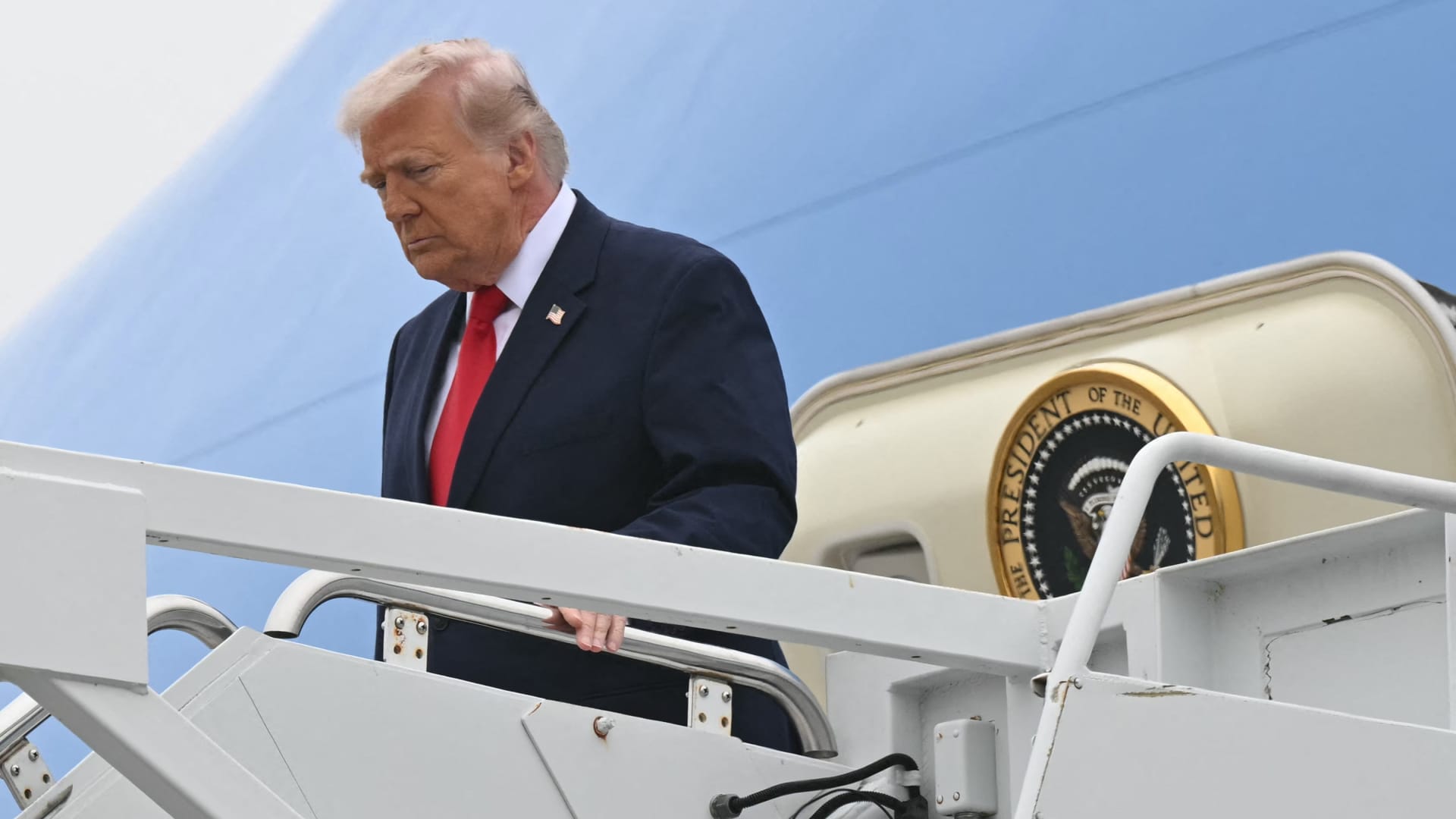
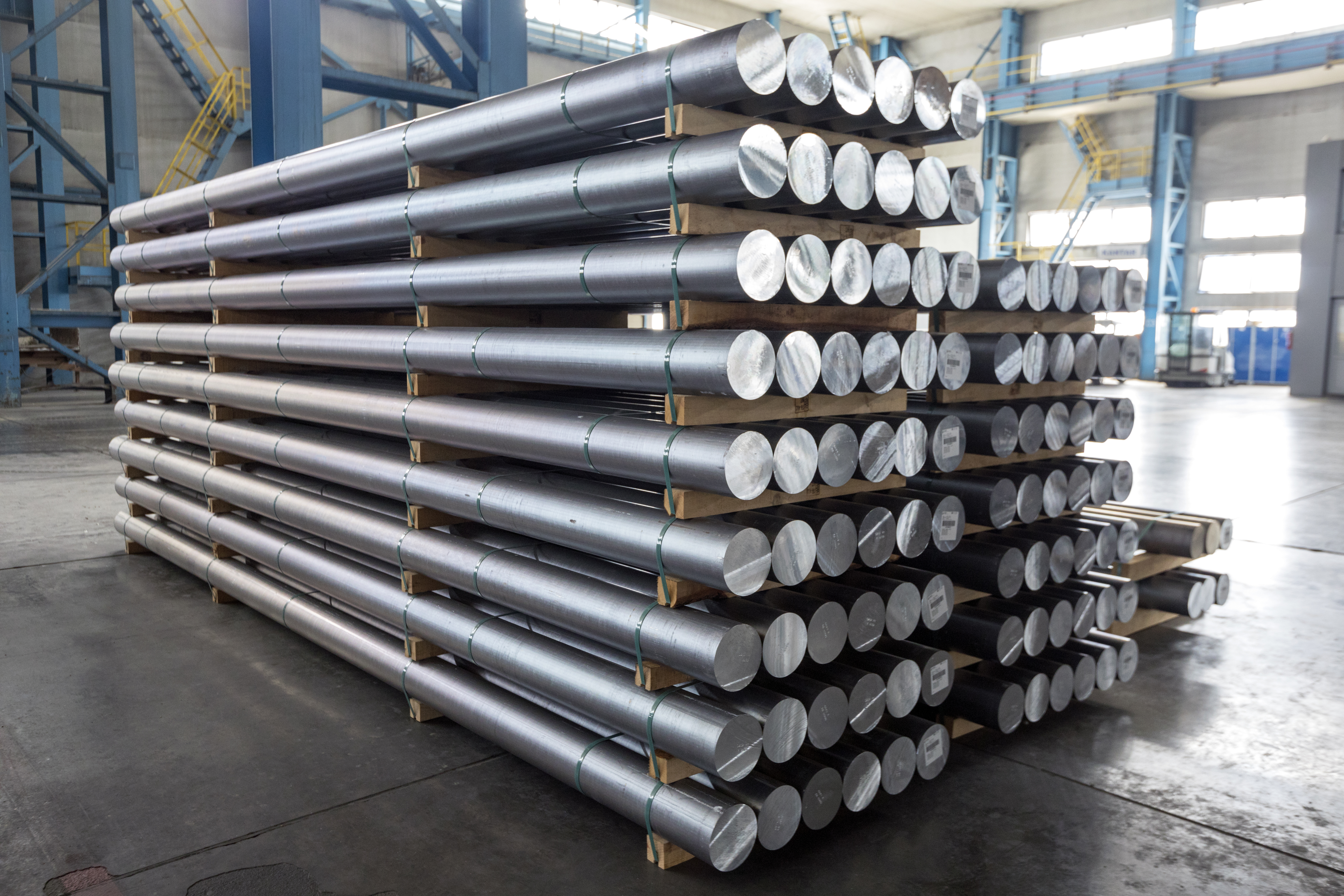
White House officials said there will not be any alterations to President Donald Trump's sweeping tariffs on steel and aluminum and thousands of other products made from such metals unless the president himself announces any changes, Reuters' David Lawder reports. A Trump administration official, in response to reporting that said the U.S. was planning to scale back tariffs on some steel and aluminum goods with certain exemptions, said that Trump "will never compromise on reinvigorating the domestic manufacturing that is critical to our national and economic security, especially steel and aluminum production," the author says. The official added that the White House was implementing "a nimble and nuanced tariff agenda" to increase U.S. output in the steel, aluminum and other manufacturing industries, the author notes. Publicly traded companies in the steel space include ArcelorMittal (MT), Cleveland-Cliffs (CLF), Nucor (NUE), Steel Dynamics (STLD) and U.S. Steel (X). Publicly traded companies in the aluminum space include Alcoa (AA), Kaiser Aluminum (KALU), and Century Aluminum (CENX).
Trade with 70% Backtested Accuracy
Analyst Views on AA

About AA
About the author


Iran War Triggers Market Turmoil Amid Conflicting Statements


- Market Uncertainty: The oil markets are experiencing volatility due to conflicting statements regarding the Iran war, with both WTI and Brent crude prices initially rising before pulling back, indicating investor concerns about future developments.
- Defense Secretary Investment Controversy: U.S. Defense Secretary Pete Hegseth's broker reportedly sought to make multimillion-dollar investments in major defense companies before the war, raising questions about potential insider trading, although the Pentagon has dismissed these claims.
- Trump's Tough Rhetoric: President Trump threatened to destroy Iran's oil wells and power plants if a peace deal is not reached, which has heightened market anxiety and complicated investor expectations regarding the conflict's trajectory.
- Fed's Inflation Outlook: Federal Reserve Chair Jerome Powell stated that inflation expectations remain grounded despite rising energy prices, suggesting that the central bank does not need to respond with higher interest rates, which could influence market perceptions of future monetary policy.
Trump Escalates Threats Against Iran, Oil Prices Surge


- Conflict Escalation: Trump's threats to destroy Iran's oil wells and power plants if a peace deal isn't reached have pushed oil prices above $100 per barrel for the first time since 2022, directly impacting U.S. markets and bringing the S&P 500 closer to correction territory.
- Market Reaction: Despite Federal Reserve Chair Powell's assertion that inflation expectations remain grounded, markets fell due to rising energy prices, indicating investor concerns over potential military conflict that could lead to broader economic repercussions.
- Aluminum Price Surge: Aluminum prices have hit a four-year high as fears of supply shortages grow due to Iranian strikes on Middle Eastern producers, reflecting the war's profound impact on global commodity markets and potentially exacerbating inflationary pressures.
- Defense Investment Controversy: Reports surfaced of a broker for U.S. Defense Secretary attempting to make significant investments in major defense companies ahead of the Iran conflict, although the Pentagon has labeled the report as false, raising ethical concerns about the relationship between government and private sector.

Mixed Close for US Stocks as Nasdaq Hits 7.75-Month Low Amid Middle East Tensions


- Divergent Market Performance: On Monday, the S&P 500 index fell by 0.39%, while the Nasdaq 100 hit a 7.75-month low, indicating market concerns over the Middle East situation, particularly exacerbated by a sell-off in chip stocks, which negatively impacted investor confidence.
- Declining Bond Yields: The 10-year T-note yield dropped by 8 basis points to 4.34%, reflecting market fears that the ongoing war in the Middle East could lead to fuel shortages, potentially suppressing expectations for Fed rate hikes and highlighting economic growth uncertainties.
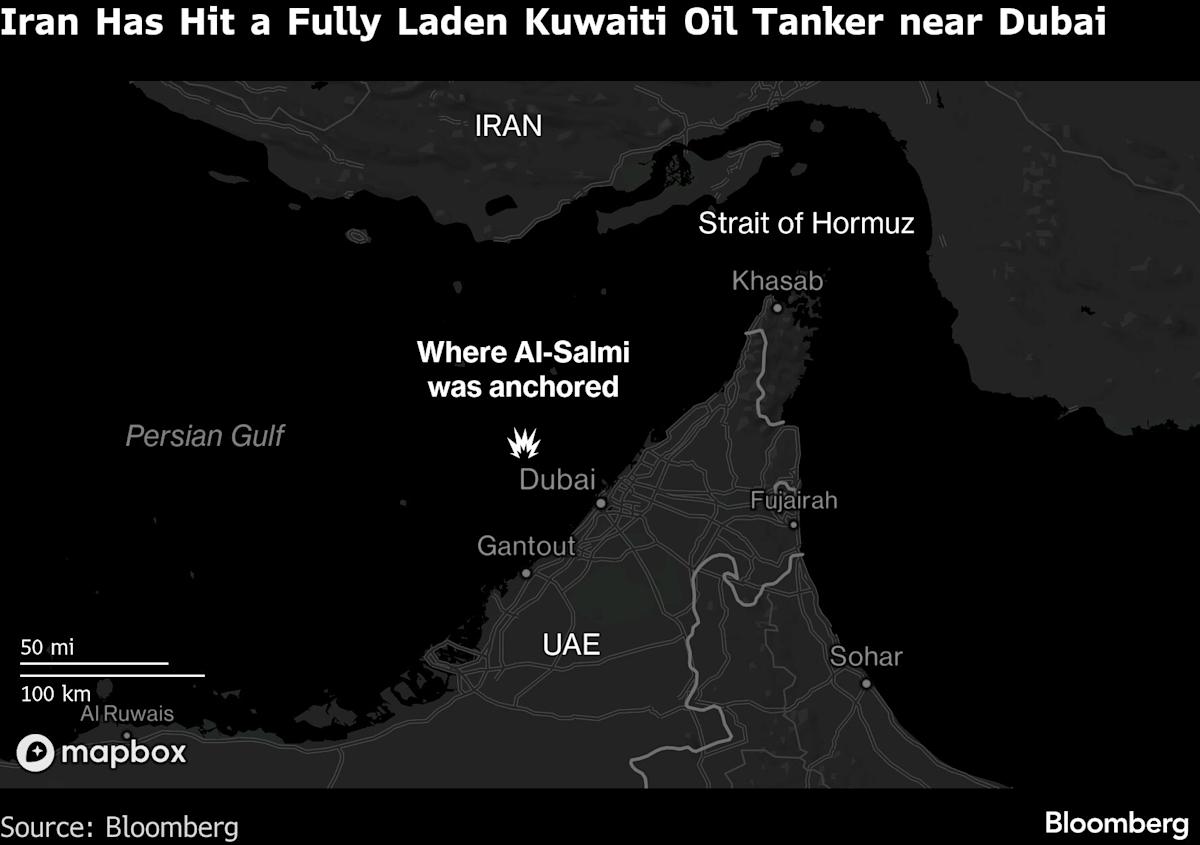
- Rising Crude Oil Prices: Crude oil prices surged over 3% to a three-week high due to Iranian attacks on the Strait of Hormuz, indicating severe threats to global energy supply chains, which could lead to soaring prices in the future and impact the global economy.
- Weak Manufacturing Activity: The Dallas Fed manufacturing activity survey fell to -0.2, below the expected 2.0, reflecting signs of economic slowdown that could influence corporate investment decisions and future economic growth.
US Stock Market Declines Amid Rising Oil Prices

- Oil Price Surge Impacts Markets: The S&P 500 Index fell by 0.75%, the Dow Jones Industrial Average by 0.21%, and the Nasdaq 100 by 1.18% as the market reacts to the first oil settlement exceeding $100 since 2022, highlighting concerns over rising energy costs amid ongoing supply chain risks.
- Uncertain Fed Policy Outlook: Federal Reserve Chair Jerome Powell noted that while the central bank is monitoring the surge in energy prices, its tools to address supply-side shocks are limited, with markets pricing in only a 3% chance of a 25 bp rate hike at the April meeting, indicating investor uncertainty about future monetary policy.
- Escalating Middle East Tensions: US and Israeli forces continue military operations in Iran, with the Pentagon preparing for weeks of ground operations as approximately 3,500 sailors and Marines arrive in the region, potentially exacerbating global energy supply issues.
- Positive Bond Market Reaction: The 10-year Treasury yield fell to 4.330% as speculation grows that the ongoing conflict in the Middle East may lead to fuel shortages, offsetting inflation fears and supporting Treasury prices amid declining inflation expectations.
Mixed U.S. Stock Indices Amid Rising Oil Prices
- Mixed Stock Performance: The S&P 500 Index fell by 0.29%, while the Dow Jones Industrial Average rose by 0.26%, and the Nasdaq 100 Index decreased by 0.67%, indicating a complex market reaction to Federal Reserve policies and international tensions.
- Rising Oil Prices: Crude oil prices surged over 2% to a three-week high due to disruptions in oil and gas flows through the Strait of Hormuz caused by the Iran conflict, which could negatively impact global economic growth.
- Weak Manufacturing Activity: The Dallas Fed manufacturing activity index dropped from -0.4 to -0.2, falling short of the expected increase to 2.0, suggesting challenges in economic recovery that may influence future policy decisions.
- Escalating International Tensions: U.S. and Israeli military actions against Iran have intensified, with 3,500 sailors and Marines deployed to the Middle East, potentially leading to further volatility in energy markets and impacting global supply chains.
Middle East Aluminum Attacks Drive Prices to Four-Year Highs


- Surge in Aluminum Prices: Following Iran's attacks on two aluminum production sites in the Middle East, aluminum prices on the London Metal Exchange surged to nearly four-year highs, resulting in an 11% increase in Alcoa's stock and a 10.5% rise in Century Aluminum, reflecting strong market reactions to potential supply disruptions.
- Damage Assessment: Emirates Global Aluminium reported
Iran War Triggers Market Turmoil Amid Conflicting Statements
- Market Uncertainty: The oil markets are experiencing volatility due to conflicting statements regarding the Iran war, with both WTI and Brent crude prices initially rising before pulling back, indicating investor concerns about future developments.
- Defense Secretary Investment Controversy: U.S. Defense Secretary Pete Hegseth's broker reportedly sought to make multimillion-dollar investments in major defense companies before the war, raising questions about potential insider trading, although the Pentagon has dismissed these claims.
- Trump's Tough Rhetoric: President Trump threatened to destroy Iran's oil wells and power plants if a peace deal is not reached, which has heightened market anxiety and complicated investor expectations regarding the conflict's trajectory.
- Fed's Inflation Outlook: Federal Reserve Chair Jerome Powell stated that inflation expectations remain grounded despite rising energy prices, suggesting that the central bank does not need to respond with higher interest rates, which could influence market perceptions of future monetary policy.
Trump Escalates Threats Against Iran, Oil Prices Surge
- Conflict Escalation: Trump's threats to destroy Iran's oil wells and power plants if a peace deal isn't reached have pushed oil prices above $100 per barrel for the first time since 2022, directly impacting U.S. markets and bringing the S&P 500 closer to correction territory.
- Market Reaction: Despite Federal Reserve Chair Powell's assertion that inflation expectations remain grounded, markets fell due to rising energy prices, indicating investor concerns over potential military conflict that could lead to broader economic repercussions.
- Aluminum Price Surge: Aluminum prices have hit a four-year high as fears of supply shortages grow due to Iranian strikes on Middle Eastern producers, reflecting the war's profound impact on global commodity markets and potentially exacerbating inflationary pressures.
- Defense Investment Controversy: Reports surfaced of a broker for U.S. Defense Secretary attempting to make significant investments in major defense companies ahead of the Iran conflict, although the Pentagon has labeled the report as false, raising ethical concerns about the relationship between government and private sector.
Mixed Close for US Stocks as Nasdaq Hits 7.75-Month Low Amid Middle East Tensions
- Divergent Market Performance: On Monday, the S&P 500 index fell by 0.39%, while the Nasdaq 100 hit a 7.75-month low, indicating market concerns over the Middle East situation, particularly exacerbated by a sell-off in chip stocks, which negatively impacted investor confidence.
- Declining Bond Yields: The 10-year T-note yield dropped by 8 basis points to 4.34%, reflecting market fears that the ongoing war in the Middle East could lead to fuel shortages, potentially suppressing expectations for Fed rate hikes and highlighting economic growth uncertainties.
- Rising Crude Oil Prices: Crude oil prices surged over 3% to a three-week high due to Iranian attacks on the Strait of Hormuz, indicating severe threats to global energy supply chains, which could lead to soaring prices in the future and impact the global economy.
- Weak Manufacturing Activity: The Dallas Fed manufacturing activity survey fell to -0.2, below the expected 2.0, reflecting signs of economic slowdown that could influence corporate investment decisions and future economic growth.
US Stock Market Declines Amid Rising Oil Prices
- Oil Price Surge Impacts Markets: The S&P 500 Index fell by 0.75%, the Dow Jones Industrial Average by 0.21%, and the Nasdaq 100 by 1.18% as the market reacts to the first oil settlement exceeding $100 since 2022, highlighting concerns over rising energy costs amid ongoing supply chain risks.
- Uncertain Fed Policy Outlook: Federal Reserve Chair Jerome Powell noted that while the central bank is monitoring the surge in energy prices, its tools to address supply-side shocks are limited, with markets pricing in only a 3% chance of a 25 bp rate hike at the April meeting, indicating investor uncertainty about future monetary policy.
- Escalating Middle East Tensions: US and Israeli forces continue military operations in Iran, with the Pentagon preparing for weeks of ground operations as approximately 3,500 sailors and Marines arrive in the region, potentially exacerbating global energy supply issues.
- Positive Bond Market Reaction: The 10-year Treasury yield fell to 4.330% as speculation grows that the ongoing conflict in the Middle East may lead to fuel shortages, offsetting inflation fears and supporting Treasury prices amid declining inflation expectations.
Mixed U.S. Stock Indices Amid Rising Oil Prices
- Mixed Stock Performance: The S&P 500 Index fell by 0.29%, while the Dow Jones Industrial Average rose by 0.26%, and the Nasdaq 100 Index decreased by 0.67%, indicating a complex market reaction to Federal Reserve policies and international tensions.
- Rising Oil Prices: Crude oil prices surged over 2% to a three-week high due to disruptions in oil and gas flows through the Strait of Hormuz caused by the Iran conflict, which could negatively impact global economic growth.
- Weak Manufacturing Activity: The Dallas Fed manufacturing activity index dropped from -0.4 to -0.2, falling short of the expected increase to 2.0, suggesting challenges in economic recovery that may influence future policy decisions.
- Escalating International Tensions: U.S. and Israeli military actions against Iran have intensified, with 3,500 sailors and Marines deployed to the Middle East, potentially leading to further volatility in energy markets and impacting global supply chains.
Middle East Aluminum Attacks Drive Prices to Four-Year Highs
- Surge in Aluminum Prices: Following Iran's attacks on two aluminum production sites in the Middle East, aluminum prices on the London Metal Exchange surged to nearly four-year highs, resulting in an 11% increase in Alcoa's stock and a 10.5% rise in Century Aluminum, reflecting strong market reactions to potential supply disruptions.
- Damage Assessment: Emirates Global Aluminium reported