Warren Buffett Retires, Successor Takes Over AI Investments
Written by Emily J. Thompson, Senior Investment Analyst
Updated: 1 hour ago
0mins

Should l Buy AAPL?
Source: NASDAQ.COM
- Succession of Control: Warren Buffett retired on December 31, handing over a $313 billion investment portfolio to successor Greg Abel, who now oversees significant AI-related investments, indicating a strategic pivot for Berkshire Hathaway towards technology.
- Apple's AI Integration: In June 2024, Apple launched Apple Intelligence, integrating generative AI into its devices, which is expected to enhance its nearly $58 billion investment value while promoting subscription services to boost customer loyalty and profit margins, reducing reliance on iPhone upgrade cycles.
- Growth Potential of Google Cloud: Buffett's investment in Alphabet has increased from $4.3 billion to $5.5 billion, with Google Cloud experiencing a remarkable 48% sales growth, positioning it as a key profit driver for Alphabet in the future.
- Amazon's Dual Leadership Role: Despite Buffett reducing his stake in Amazon during his final quarter, he still holds a $490 million position, with AWS accounting for nearly a third of global cloud infrastructure spending and achieving a 24% sales growth, showcasing its strong market competitiveness.
Trade with 70% Backtested Accuracy
Stop guessing "Should I Buy AAPL?" and start using high-conviction signals backed by rigorous historical data.
Sign up today to access powerful investing tools and make smarter, data-driven decisions.
Analyst Views on AAPL
Wall Street analysts forecast AAPL stock price to rise
27 Analyst Rating
17 Buy
9 Hold
1 Sell
Moderate Buy
Current: 248.960

Low
239.00
Averages
306.89
High
350.00
Current: 248.960
Low
239.00
Averages
306.89
High
350.00
About AAPL
Apple Inc. designs, manufactures and markets smartphones, personal computers, tablets, wearables and accessories, and sells a variety of related services. Its product categories include iPhone, Mac, iPad, and Wearables, Home and Accessories. Its software platforms include iOS, iPadOS, macOS, watchOS, visionOS, and tvOS. Its services include advertising, AppleCare, cloud services, digital content and payment services. The Company operates various platforms, including the App Store, that allow customers to discover and download applications and digital content, such as books, music, video, games and podcasts. It also offers digital content through subscription-based services, including Apple Arcade, Apple Fitness+, Apple Music, Apple News+, and Apple TV+. Its products include iPhone 16 Pro, iPhone 16, iPhone 15, iPhone 14, iPhone SE, MacBook Air, MacBook Pro, iMac, Mac mini, Mac Studio, Mac Pro, iPad Pro, iPad Air, AirPods, AirPods Pro, AirPods Max, Apple TV, Apple Vision Pro and others.
About the author

Emily J. Thompson
Emily J. Thompson, a Chartered Financial Analyst (CFA) with 12 years in investment research, graduated with honors from the Wharton School. Specializing in industrial and technology stocks, she provides in-depth analysis for Intellectia’s earnings and market brief reports.

Apple's Strategic Shift and Opportunities in China Amid Regulatory Pressures

- Market Strategy Adjustment: CEO Tim Cook emphasized collaboration with Chinese developers at the China Development Forum, showcasing Apple's adaptability amid regulatory scrutiny following state media criticism of its App Store policies.
- Fee Reduction Initiative: Apple recently lowered fees for developers in China, a significant concession amid potential antitrust scrutiny, aimed at strengthening relationships with local developers and enhancing market competitiveness.
- Supply Chain Diversification: While Apple continues to manufacture most devices in China, it is expanding assembly operations into countries like Vietnam and India, reflecting a strategic effort to diversify its supply chain without abandoning its core production hub.
- Market Recovery in China: Apple's revenue from China surged 38% to $25.5 billion in the December quarter, driven by demand for the latest iPhone lineup and users switching from rival devices, indicating a rebound in market potential.
See More
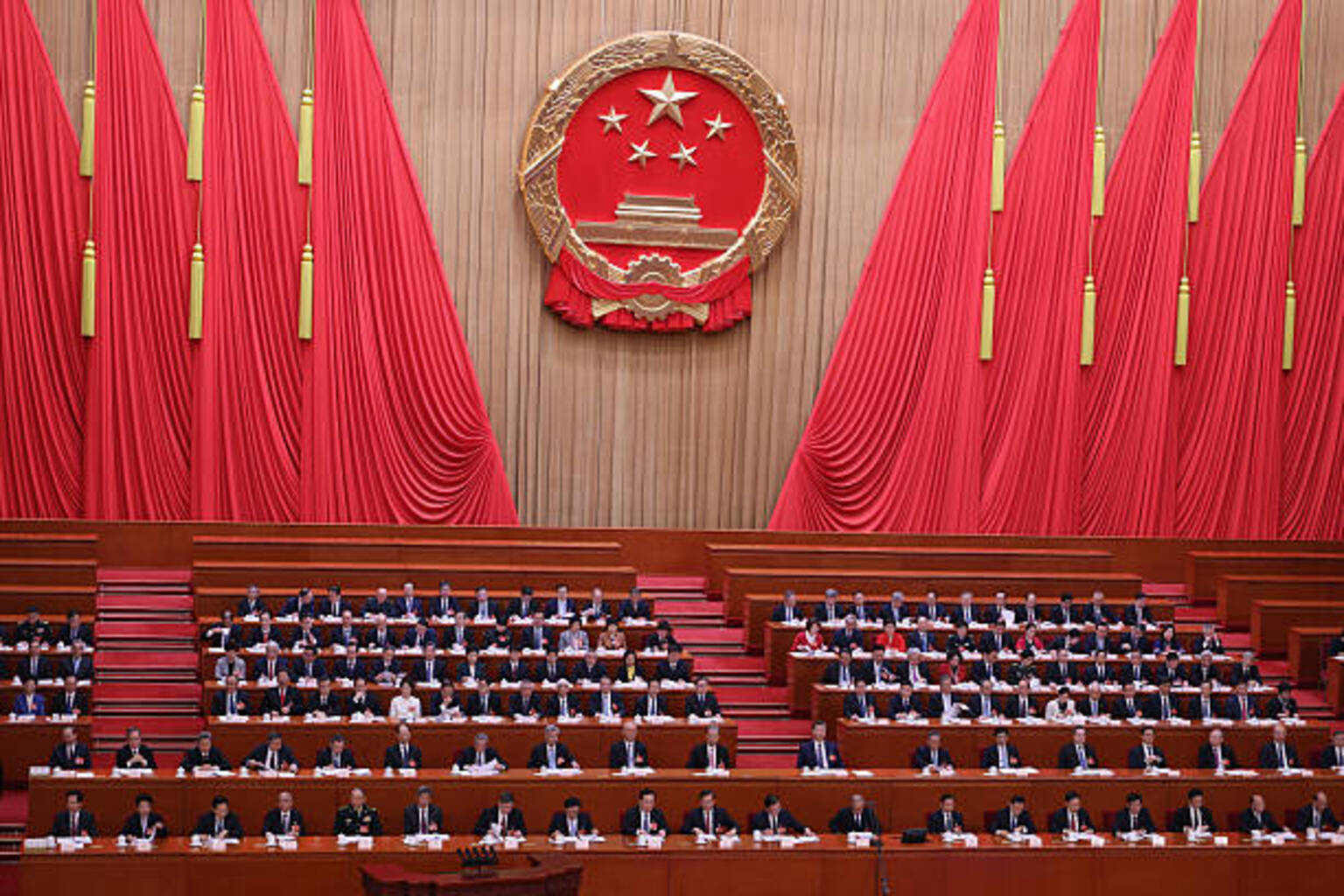
Li Qiang: Further Opening Economy to Attract Foreign Investment
- Commitment to Economic Openness: Li Qiang stated at the China Development Forum that Beijing will take further steps to open its economy to overseas companies and plans to increase imports of higher-quality foreign goods to improve global trade structure, aiming to alleviate international concerns over trade imbalances.
- Trade Surplus Context: China reported a record trade surplus of $1.2 trillion for 2025, and although Li did not directly address this figure, his emphasis on balanced trade suggests a government effort to ease trade tensions with the U.S. and promote more stable economic relations.
- Foreign Investment Attraction Strategy: To reverse the decline in foreign direct investment, Beijing expanded the list of sectors eligible for foreign investment incentives by 200 categories last December, covering advanced manufacturing, modern services, and high-tech development, offering benefits such as tax relief and favorable land policies.
- Strengthening Intellectual Property Protection: Commerce Minister Wang Wentao discussed with U.S. pharmaceutical representatives that China will enhance intellectual property protections and increase policy transparency, aiming to provide a more predictable operating environment for international businesses and attract more foreign capital.
See More
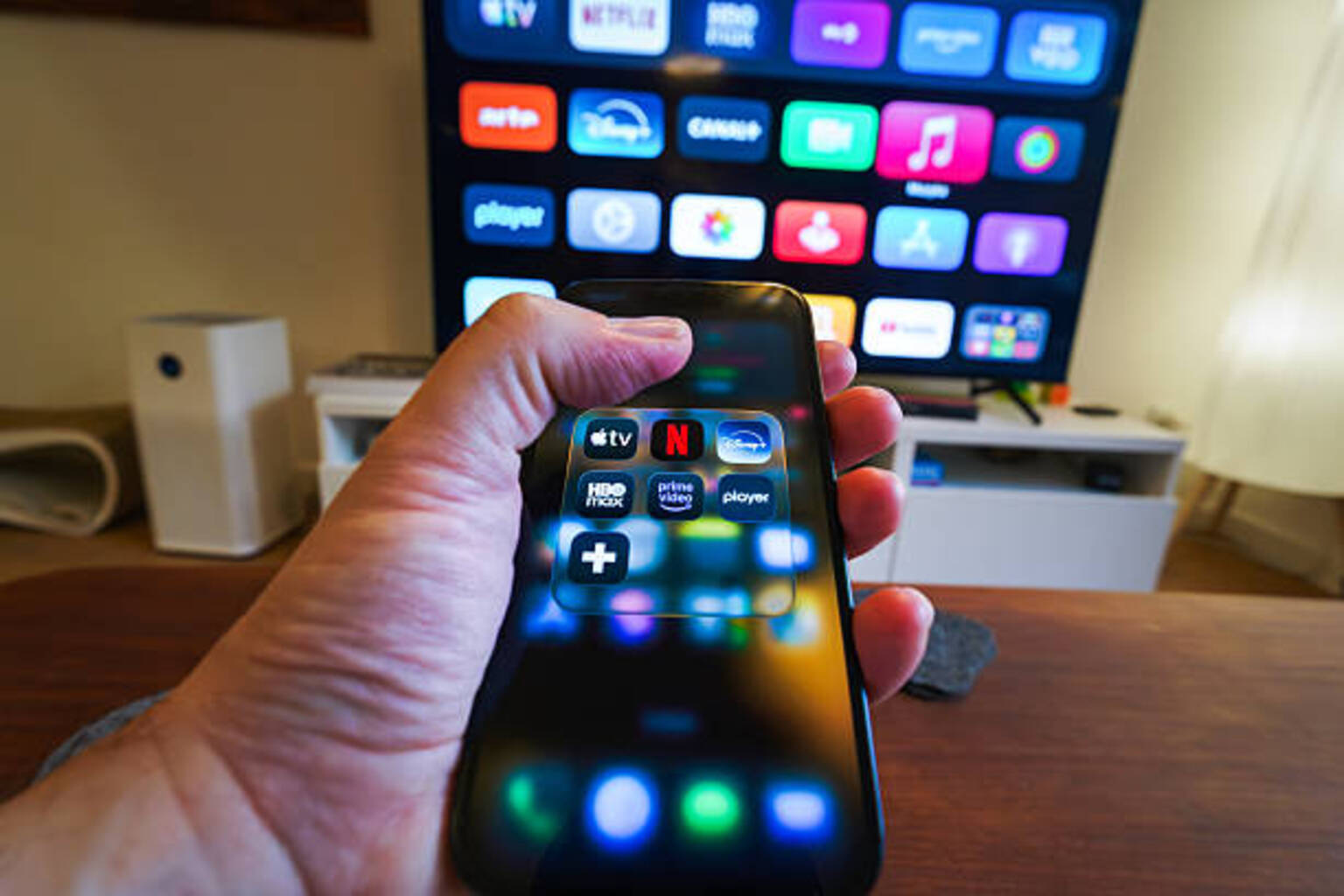
EU Broadcasters Urge Regulation of Smart TVs and Virtual Assistants

- Regulatory Appeal: European broadcasters are urging EU antitrust chief Teresa Ribera to regulate smart TVs and virtual assistants from major tech firms like Google, Amazon, Apple, and Samsung under the Digital Markets Act, emphasizing their role as 'gatekeepers' in the digital ecosystem.
- Market Share Concerns: With platforms like Android TV, Amazon Fire OS, and Samsung's Tizen steadily increasing their market share, broadcasters express concern over the growing control of a limited number of operators, which could impact content distribution and audience access for millions of users and businesses.
- Call for Fair Competition: In their letter, broadcasters stress the need for qualitative assessments of major TV operating systems as 'gatekeepers' to ensure fair competition, advocating for evaluations that go beyond strict thresholds like 45 million users or €75 billion market cap to maintain a competitive media landscape.
- Virtual Assistant Regulatory Gap: The letter highlights the regulatory void surrounding virtual assistants, warning that powerful AI assistants could become de facto gatekeepers for media content distribution, and calls for oversight to ensure fairness in content access and distribution.
See More
Apple's Competitive Edge in AI Landscape
- Device Count Advantage: Apple currently boasts over 2.5 billion active devices worldwide, continuously setting new records, which underscores the strong popularity of its hardware products and provides a solid foundation for its competitive stance in AI.
- Capital Expenditure Comparison: Despite Apple's capital expenditure of only $2.4 billion in Q1 2026, significantly lower than competitors' 12-figure investments, its robust product distribution capability allows it to maintain competitiveness in AI innovation.
- iPhone Sales Growth: Apple's latest earnings report reveals that iPhone sales reached $85.3 billion in the latest fiscal quarter, up 23% year-over-year, accounting for 59% of total revenue, indicating its continued status as the preferred device in the AI era.
- Future Competitive Outlook: While facing challenges from companies like OpenAI, the iPhone remains the primary gateway to the internet, expected to retain its dominance over the next five to ten years, thereby solidifying Apple's leadership position in the AI landscape.
See More
APPLE INC: BOFA GLOBAL RESEARCH LOWERS PRICE TARGET TO $320.00 FROM $325.00
- Price Adjustment: Apple Inc. has reduced the price of its Objective-C programming language from $325.00 to $320.00.
- Global Research Impact: This price cut is part of a broader strategy to enhance global research initiatives.
See More
Buffett Retires, AI Investments Present Challenge for Successor

- Buffett's Retirement: After nearly six decades at the helm, Warren Buffett officially retired on December 31, overseeing a staggering cumulative gain of over 6 million% in Berkshire Hathaway's Class A shares, establishing himself as one of Wall Street's most renowned long-term investors.
- Successor's Challenge: New CEO Greg Abel inherits a portfolio with $313 billion in assets, including $64 billion concentrated in three AI stocks, highlighting the significant exposure and strategic challenge in navigating the AI investment landscape.
- Apple's AI Integration: With $57.9 billion in invested assets, Apple is set to enhance its product offerings through its generative AI system, Apple Intelligence, which aims to boost customer loyalty and profit margins by integrating AI into its physical devices.
- Google Cloud Growth: Alphabet's investment has grown to $5.5 billion, with a remarkable 48% sales growth in cloud services during Q3, showcasing its strong performance in generative AI and cloud infrastructure, which is expected to further enhance profitability.
See More
Apple's Strategic Shift and Opportunities in China Amid Regulatory Pressures
- Market Strategy Adjustment: CEO Tim Cook emphasized collaboration with Chinese developers at the China Development Forum, showcasing Apple's adaptability amid regulatory scrutiny following state media criticism of its App Store policies.
- Fee Reduction Initiative: Apple recently lowered fees for developers in China, a significant concession amid potential antitrust scrutiny, aimed at strengthening relationships with local developers and enhancing market competitiveness.
- Supply Chain Diversification: While Apple continues to manufacture most devices in China, it is expanding assembly operations into countries like Vietnam and India, reflecting a strategic effort to diversify its supply chain without abandoning its core production hub.
- Market Recovery in China: Apple's revenue from China surged 38% to $25.5 billion in the December quarter, driven by demand for the latest iPhone lineup and users switching from rival devices, indicating a rebound in market potential.
See More
Li Qiang: Further Opening Economy to Attract Foreign Investment
- Commitment to Economic Openness: Li Qiang stated at the China Development Forum that Beijing will take further steps to open its economy to overseas companies and plans to increase imports of higher-quality foreign goods to improve global trade structure, aiming to alleviate international concerns over trade imbalances.
- Trade Surplus Context: China reported a record trade surplus of $1.2 trillion for 2025, and although Li did not directly address this figure, his emphasis on balanced trade suggests a government effort to ease trade tensions with the U.S. and promote more stable economic relations.
- Foreign Investment Attraction Strategy: To reverse the decline in foreign direct investment, Beijing expanded the list of sectors eligible for foreign investment incentives by 200 categories last December, covering advanced manufacturing, modern services, and high-tech development, offering benefits such as tax relief and favorable land policies.
- Strengthening Intellectual Property Protection: Commerce Minister Wang Wentao discussed with U.S. pharmaceutical representatives that China will enhance intellectual property protections and increase policy transparency, aiming to provide a more predictable operating environment for international businesses and attract more foreign capital.
See More
EU Broadcasters Urge Regulation of Smart TVs and Virtual Assistants
- Regulatory Appeal: European broadcasters are urging EU antitrust chief Teresa Ribera to regulate smart TVs and virtual assistants from major tech firms like Google, Amazon, Apple, and Samsung under the Digital Markets Act, emphasizing their role as 'gatekeepers' in the digital ecosystem.
- Market Share Concerns: With platforms like Android TV, Amazon Fire OS, and Samsung's Tizen steadily increasing their market share, broadcasters express concern over the growing control of a limited number of operators, which could impact content distribution and audience access for millions of users and businesses.
- Call for Fair Competition: In their letter, broadcasters stress the need for qualitative assessments of major TV operating systems as 'gatekeepers' to ensure fair competition, advocating for evaluations that go beyond strict thresholds like 45 million users or €75 billion market cap to maintain a competitive media landscape.
- Virtual Assistant Regulatory Gap: The letter highlights the regulatory void surrounding virtual assistants, warning that powerful AI assistants could become de facto gatekeepers for media content distribution, and calls for oversight to ensure fairness in content access and distribution.
See More
Apple's Competitive Edge in AI Landscape
- Device Count Advantage: Apple currently boasts over 2.5 billion active devices worldwide, continuously setting new records, which underscores the strong popularity of its hardware products and provides a solid foundation for its competitive stance in AI.
- Capital Expenditure Comparison: Despite Apple's capital expenditure of only $2.4 billion in Q1 2026, significantly lower than competitors' 12-figure investments, its robust product distribution capability allows it to maintain competitiveness in AI innovation.
- iPhone Sales Growth: Apple's latest earnings report reveals that iPhone sales reached $85.3 billion in the latest fiscal quarter, up 23% year-over-year, accounting for 59% of total revenue, indicating its continued status as the preferred device in the AI era.
- Future Competitive Outlook: While facing challenges from companies like OpenAI, the iPhone remains the primary gateway to the internet, expected to retain its dominance over the next five to ten years, thereby solidifying Apple's leadership position in the AI landscape.
See More
APPLE INC: BOFA GLOBAL RESEARCH LOWERS PRICE TARGET TO $320.00 FROM $325.00
- Price Adjustment: Apple Inc. has reduced the price of its Objective-C programming language from $325.00 to $320.00.
- Global Research Impact: This price cut is part of a broader strategy to enhance global research initiatives.
See More
Buffett Retires, AI Investments Present Challenge for Successor
- Buffett's Retirement: After nearly six decades at the helm, Warren Buffett officially retired on December 31, overseeing a staggering cumulative gain of over 6 million% in Berkshire Hathaway's Class A shares, establishing himself as one of Wall Street's most renowned long-term investors.
- Successor's Challenge: New CEO Greg Abel inherits a portfolio with $313 billion in assets, including $64 billion concentrated in three AI stocks, highlighting the significant exposure and strategic challenge in navigating the AI investment landscape.
- Apple's AI Integration: With $57.9 billion in invested assets, Apple is set to enhance its product offerings through its generative AI system, Apple Intelligence, which aims to boost customer loyalty and profit margins by integrating AI into its physical devices.
- Google Cloud Growth: Alphabet's investment has grown to $5.5 billion, with a remarkable 48% sales growth in cloud services during Q3, showcasing its strong performance in generative AI and cloud infrastructure, which is expected to further enhance profitability.
See More